News related to
Bank

Mashreq Bank announced a significant financial performance in 2024, with its net profit reaching AED 9 billion, reflecting a 4 percent increase compared to the previous year. The bank’s net profit before tax stood at AED 9.9 billion, marking a 12 percent rise. This robust growth highlights Mashreq’s continued strength in the face of global financial challenges, including interest rate cuts. The bank reported an impressive AED […]

Remittix, a new altcoin making waves in the cryptocurrency world, has captured the attention of investors worldwide. The token has emerged as a strong contender in the cross-border payments market, drawing significant interest with its capped supply of 1.5 billion tokens and projections of impressive returns in the coming years. Early investors are positioning themselves for what many believe will be a major shift in global financial transactions.

Cryptocurrency has always been synonymous with volatility, but Remittix’s rise is being closely watched for its potential to disrupt the international money transfer industry. The altcoin is designed to make cross-border transactions faster, cheaper, and more secure, leveraging blockchain technology to bypass traditional banking systems. Its appeal lies not just in its technical capabilities but in the promises of substantial financial rewards. Analysts forecast returns of up to 100x by 2025, which has led thousands of investors to rush into the early stages of the token’s launch.

With a limited total supply of tokens, Remittix offers scarcity, one of the driving forces behind its growing popularity. Supply cap is often seen as a positive factor for investors looking for potential long-term value. The token has already shown significant growth in its early trading stages, with its value increasing substantially within a short time frame. While the cryptocurrency market remains speculative, Remittix is seen as an altcoin with strong growth prospects, especially given the ongoing trends in digital finance.

The altcoin’s potential to transform the cross-border payments sector cannot be overstated. Remittix is designed to offer faster settlement times and lower transaction costs compared to traditional banking systems, which often charge hefty fees for international money transfers. Blockchain technology, which powers Remittix, is seen as a way to streamline this process, allowing for near-instantaneous transfers at a fraction of the cost of traditional methods. For individuals and businesses sending money across borders, this is a game-changer, especially in regions where access to affordable banking services is limited.

Global remittances, a critical source of income for many households in developing economies, can be subject to exorbitant fees. Traditional financial institutions have long dominated this space, but blockchain-based solutions like Remittix are offering an alternative. The potential to democratize cross-border payments and provide a more equitable solution for those without access to traditional banking services has made Remittix a particularly attractive proposition for investors looking to make a difference in the world of finance.

The rise of Remittix also coincides with a broader trend toward decentralization in the cryptocurrency space. Investors are increasingly seeking alternatives to centralized financial systems, driven by concerns over privacy, control, and access. With its decentralized nature, Remittix promises to give users more control over their financial transactions, eliminating the need for third-party intermediaries such as banks. This aligns with the growing demand for peer-to-peer financial solutions that prioritize user autonomy and transparency.

Although the altcoin’s success has garnered attention, some experts warn that the cryptocurrency market remains highly speculative. The rapid growth of tokens like Remittix is often met with caution, as fluctuations in value and regulatory challenges remain a significant concern. Despite these risks, the growing demand for alternative financial systems has kept the momentum behind Remittix strong. For those willing to take on the inherent risks of the market, the rewards could be substantial.

As the cryptocurrency market continues to evolve, Remittix’s future remains uncertain but promising. With its ambitious goals, experienced development team, and increasing investor interest, the token is poised to become a significant player in the evolving landscape of cross-border payments. As we move toward 2025, the projections for Remittix’s growth and its potential to transform the way money moves across borders will be closely watched by both investors and industry experts alike.

The global remittance market is worth billions of dollars annually, and any advancements that lower costs or increase efficiency have the potential to make a lasting impact. For those looking to capitalize on the cryptocurrency boom, Remittix represents a unique opportunity to enter a market that is still in its infancy but shows incredible promise. However, as with all investments, especially in the volatile world of cryptocurrency, it is crucial for investors to conduct thorough research and understand the risks involved.

HSBC is focusing on enhancing its presence in Asia, leveraging strong growth from its Middle East and North Africa investment banking operations. By capitalizing on the economic momentum in the MENA region, the banking giant seeks to extend its influence in Asia, where it has a long-established footprint. The move is seen as a strategic effort to position HSBC as a leading financial institution in both regions, […]

OpenAI CEO Sam Altman has hinted at upcoming advancements in artificial intelligence following the rapid emergence of DeepSeek, a Chinese AI startup that has recently entered the market. Altman emphasized OpenAI’s commitment to developing superior AI models to maintain its competitive edge. DeepSeek’s swift rise has raised significant concerns within the U.S. tech industry. The company has amassed over 2 million downloads, with its AI assistant surpassing […]

Brad Garlinghouse, the CEO of Ripple, has expressed strong support for a diversified U.S. digital asset reserve, which would include a broad range of cryptocurrencies rather than focusing solely on Bitcoin or Ripple’s XRP. His remarks come amid growing discussions about the future of digital currencies and their role in the global financial system. In an interview, Garlinghouse underscored the importance of building a multi-asset reserve, arguing […]

El Salvador’s legislative assembly has passed a major reform to its Bitcoin law, a move aimed at aligning the country’s cryptocurrency framework with broader financial goals, particularly following an agreement with the International Monetary Fund . The reform has been met with mixed reactions both within the country and internationally, raising questions about its impact on the nation’s economic strategy.

The proposed amendments focus on ensuring that Bitcoin operates as a legal currency in the country but with significant modifications to the conditions under which it can be used. Key adjustments include enhancing regulatory oversight and establishing clearer parameters for businesses involved in cryptocurrency transactions. The reform aims to address concerns raised by both domestic and international financial institutions regarding the volatility and risks associated with Bitcoin, which was adopted as legal tender in the country back in 2021.

This shift comes in the wake of a formal agreement between the Salvadoran government and the IMF, which had previously expressed concerns over the country’s reliance on Bitcoin as a central part of its economic strategy. The IMF had cautioned against the risks of using a highly volatile asset as an official currency, urging El Salvador to exercise caution. The reformation of the Bitcoin law is seen as a response to these international pressures, signaling a more cautious approach to the integration of cryptocurrency into the country’s financial system.

President Nayib Bukele, a strong advocate for Bitcoin adoption, has repeatedly touted the cryptocurrency as a vehicle for financial inclusion and a potential catalyst for economic growth. Despite skepticism from various sectors, Bukele maintained that Bitcoin would bring long-term benefits by providing access to financial services for the unbanked population and attracting foreign investment. However, critics have pointed to the lack of widespread adoption, citing a significant portion of the population still hesitant or unfamiliar with the digital currency.

The IMF’s role in pushing for the law reform underscores the complexities of El Salvador’s economic situation, especially as the country grapples with its growing debt levels and reliance on foreign aid. The approval of the Bitcoin law reforms is a step toward meeting conditions set by international lenders, who have been cautious about the potential destabilizing effects of cryptocurrency on traditional financial systems. For El Salvador, it marks a delicate balancing act between maintaining Bukele’s vision of innovation and securing crucial international financial support.

Supporters of the reform argue that the changes will provide greater clarity for businesses and consumers alike, reducing the legal and economic uncertainty surrounding Bitcoin transactions. By introducing new regulations, such as anti-money laundering provisions, the government aims to ensure that Bitcoin is not used for illicit purposes, while maintaining the broader goal of financial modernization.

On the other hand, critics of the reform are concerned that the amendments do not go far enough in addressing the fundamental issues with Bitcoin’s integration into the national economy. For instance, while the new rules may curb some of the more problematic aspects of cryptocurrency adoption, they may not alleviate the inherent risks tied to Bitcoin’s market fluctuations. The cryptocurrency has demonstrated significant price volatility, which has led to financial instability in countries that have taken similar paths to adopting Bitcoin.

The reform also comes at a time when the global cryptocurrency landscape is facing increasing scrutiny. In the U.S., regulatory bodies are tightening their stance on digital currencies, raising concerns over security, transparency, and the potential for fraud. Similarly, countries such as China and India have taken a more restrictive approach to cryptocurrency, while others like El Salvador and Paraguay have embraced it with varying degrees of enthusiasm and regulation.

This complex global backdrop means that El Salvador’s decision to overhaul its Bitcoin law is not just a domestic issue but part of a broader dialogue on the future of cryptocurrencies in national economies. Some observers argue that the reform may be part of a broader trend where countries reconsider their initial forays into cryptocurrency adoption, especially as economic realities evolve and financial pressures mount.

The Salvadoran government’s decision to overhaul the Bitcoin law also has implications for its wider economic policies. It highlights the ongoing tensions between innovation and regulation, as well as the balancing act that small economies must perform when navigating the global financial system. As the country continues to depend on foreign aid and investment, including funds from the IMF, the path forward for Bitcoin in El Salvador remains uncertain.

El Salvador’s experience with Bitcoin has served as a case study for other countries contemplating similar moves. The nation’s attempt to embrace the digital currency as a national legal tender has been watched closely by governments and financial institutions around the world. With the reform, El Salvador seems to be taking a more cautious approach to cryptocurrency, which may signal a shift away from its previously bold stance on Bitcoin.

Coinbase has recently strengthened its Advisory Board by appointing four influential political and financial experts. This move marks a strategic push by the cryptocurrency exchange to enhance its operations and reputation, particularly in navigating complex regulatory landscapes and expanding its influence in both the financial and governmental sectors.

The new appointments signal Coinbase’s ongoing commitment to improving its strategic positioning in the fast-evolving digital asset market. As the cryptocurrency industry faces heightened regulatory scrutiny, the company is keen on leveraging the expertise of these newly appointed advisors to help guide its operations through potential legislative challenges. The new advisory team consists of individuals with deep experience in policy-making, finance, and corporate governance.

The individuals appointed bring with them decades of experience in various sectors, including finance, law, and public policy. Their expertise is expected to play a pivotal role as Coinbase continues to refine its regulatory strategies while expanding its services to new markets. Their knowledge will also assist the company in strengthening its communication with regulators and policymakers, two key groups that have become increasingly important for the exchange’s future growth.

One of the notable appointments is that of a former U.S. senator, whose background in government service is expected to provide valuable insights as Coinbase works to influence and shape crypto-related legislation in Washington. This particular appointment aligns with the company’s ongoing efforts to establish strong relationships within the political sphere, a move considered vital to the success of crypto businesses in the U.S. amid growing concerns over regulatory frameworks.

Another prominent addition is a former senior executive from one of the world’s largest investment banks. The experience of this new advisory member in financial markets and risk management will likely benefit Coinbase as it navigates market volatility and continues to expand its institutional offerings. With increased institutional interest in cryptocurrencies, the advice of such an expert could prove instrumental in helping Coinbase better serve large-scale investors and ensure robust compliance practices.

The composition of the new advisory board also includes experts with vast experience in global financial markets and regulatory affairs. These appointments reflect Coinbase’s strategy to solidify its presence internationally, as the company has faced varying degrees of regulatory scrutiny in markets outside the United States, particularly in Europe and Asia. By bringing on board individuals who have worked with international regulators, Coinbase appears poised to strengthen its international operations and better understand the regulatory demands in multiple regions.

Coinbase’s decision to bolster its Advisory Board comes at a time when the cryptocurrency industry is grappling with an evolving regulatory environment. Global regulators have intensified their efforts to create clearer frameworks for digital assets, while lawmakers continue to debate the role of cryptocurrencies in the broader economy. By bringing in top-tier experts from political and financial backgrounds, Coinbase seeks to ensure that it remains at the forefront of the ongoing dialogue surrounding digital asset regulation.

As one of the largest cryptocurrency exchanges in the world, Coinbase’s moves to enhance its advisory resources come as no surprise. The company has consistently been proactive in addressing regulatory concerns and fostering relationships with policymakers. This commitment to advisory growth is part of Coinbase’s larger strategy to build a more secure and compliant foundation for its business operations while positioning itself for sustainable long-term growth.

In recent years, Coinbase has increasingly emphasized its role as a responsible market player, striving to lead the industry toward more robust standards and practices. The newly appointed members of the Advisory Board are expected to contribute significantly to the company’s efforts in this regard. Their deep insights will likely guide Coinbase in its ongoing discussions with regulators and legislators to influence the regulatory landscape, especially as governments worldwide continue to examine the broader implications of blockchain technologies and cryptocurrencies.

Coinbase’s latest move comes as the digital asset industry continues to evolve, with developments in blockchain technology and decentralized finance contributing to an increasingly complex ecosystem. As cryptocurrency adoption grows, so too does the need for clear and effective regulation. The expansion of Coinbase’s Advisory Board, particularly with such distinguished new members, demonstrates the company’s proactive approach to navigating the regulatory challenges that lie ahead.

Advertisements

Robinhood Markets has introduced Bitcoin and cryptocurrency futures trading, expanding its investment services to include crypto-based derivatives. The move aims to cater to the growing demand for cryptocurrency investment tools, allowing users to speculate on Bitcoin’s price movement without directly holding the cryptocurrency.

The company, which first gained popularity with its user-friendly stock trading app, has been expanding its portfolio to meet the evolving needs of retail investors. By adding crypto futures to its platform, Robinhood is positioning itself as a more versatile trading hub, aligning with the trend of traditional financial services adapting to the growing influence of digital assets.

Crypto futures are agreements to buy or sell an underlying asset at a future date for a predetermined price. Unlike spot trading, where investors purchase cryptocurrencies directly, futures allow traders to bet on price movements without owning the actual coins. This could attract more investors who prefer speculating on price fluctuations while avoiding the complexities of cryptocurrency storage and security.

The timing of Robinhood’s move comes at a moment when cryptocurrency markets are gaining broader attention and legitimacy, especially as institutional players like hedge funds and large banks enter the space. Futures trading offers a higher level of risk compared to traditional buying and selling, but it also provides significant opportunities for profit, making it an appealing option for both seasoned traders and newcomers to the digital asset space.

This expansion into futures trading also follows growing interest in Bitcoin and other cryptocurrencies from both individual and institutional investors. Bitcoin’s price has seen substantial fluctuations, and futures trading provides a method for hedging against these market swings. It is also seen as a strategic maneuver for Robinhood to compete with other trading platforms, such as Coinbase and eToro, which have been incorporating more cryptocurrency offerings.

Robinhood has long been known for its disruptive approach to finance, offering commission-free trading on stocks and options. Its decision to venture into cryptocurrency futures aligns with its broader goal of democratizing finance and making more sophisticated financial tools accessible to everyday investors. Crypto futures, however, come with unique risks, especially given the volatility of cryptocurrency prices. Critics have expressed concern over the potential for inexperienced investors to face significant losses.

Futures contracts are commonly used by institutional traders, but Robinhood’s entry into this market is designed to make these instruments more approachable for retail investors. The platform’s streamlined user interface could attract novice traders who may have shied away from futures trading due to its perceived complexity. With Bitcoin futures trading, investors will be able to enter both long and short positions on Bitcoin, allowing them to profit from price movements in either direction.

Robinhood’s push into cryptocurrency futures is not just a response to demand but also a calculated strategy to capture a larger share of the expanding digital asset market. As the cryptocurrency market continues to mature, the availability of new products like futures trading could play a key role in attracting more diverse investor participation. The move is also expected to bolster Robinhood’s position as a major player in the broader financial ecosystem, offering products ranging from equities to commodities, alongside digital assets.

While the crypto futures market is still evolving, regulatory scrutiny remains a key concern. The U.S. Commodity Futures Trading Commission and the U.S. Securities and Exchange Commission have both indicated their interest in providing clearer regulations around cryptocurrency derivatives. Future developments in regulatory policy will likely influence how Robinhood and other platforms navigate the crypto futures space.

For Robinhood, the integration of Bitcoin and cryptocurrency futures into its platform signifies an ongoing transformation of its business model. With an increasing number of retail traders showing interest in digital assets, the company’s ability to adapt and introduce new products will be pivotal in maintaining its competitive edge.

The platform’s expansion into this space also places additional focus on the growing trend of financial democratization. By bringing sophisticated trading tools like crypto futures to a broader audience, Robinhood continues to challenge traditional financial institutions and reshape the way investors access and trade various asset classes.

The introduction of crypto futures comes at a time when market volatility has been a consistent characteristic of the crypto landscape, with Bitcoin regularly experiencing dramatic price swings. This volatility, while presenting opportunities for skilled traders, also makes it crucial for retail investors to fully understand the risks involved in futures trading.

In offering crypto futures, Robinhood is also tapping into a demographic that seeks more diverse and complex financial products. Futures markets allow traders to speculate on the price of assets like oil, gold, and Bitcoin, providing exposure to various types of commodities in addition to traditional stocks. By integrating these financial instruments into its app, Robinhood positions itself as a go-to platform for users interested in broader investment opportunities.


Cboe BZX Exchange has refiled its application for spot Solana exchange-traded funds , paving the way for potential market shifts in the cryptocurrency space. The move comes after the U.S. Securities and Exchange Commission delayed decisions on previous submissions, signaling growing interest and evolving regulatory scrutiny around crypto-based ETFs.

The refiled application is an important step for four companies looking to launch products that will directly track the price of Solana, one of the top digital assets by market capitalization. These filings represent a significant push by crypto-focused financial institutions to bring more crypto exposure to traditional investors via regulated market products.

Despite growing enthusiasm in the market for blockchain-based investment opportunities, the SEC remains cautious, having postponed previous decisions on a range of cryptocurrency-linked ETFs. Historically, the SEC has been slow to approve such products, citing concerns over market manipulation, liquidity issues, and the volatile nature of the assets involved. The approval of such ETFs could represent a landmark development in how cryptocurrencies like Solana are integrated into mainstream financial markets.

The companies involved in the application process are seeking to offer products that provide direct exposure to Solana’s price movements. By tracking the value of Solana in real-time, the ETFs would provide a vehicle for investors who want to gain exposure to the cryptocurrency without having to directly purchase or store the asset themselves. This development reflects the increasing integration of digital assets into mainstream finance, with institutions and retail investors alike seeking easier, regulated pathways to access the growing cryptocurrency market.

While Solana’s blockchain is known for its speed and scalability, it has also faced significant challenges, including network outages and security concerns. These hurdles, along with the overall volatility of cryptocurrency markets, have been key points of debate surrounding the approval of digital asset ETFs. However, the renewed push for the approval of Solana-based ETFs highlights a broader trend of growing institutional and regulatory acceptance of blockchain technology, despite these risks.

Crypto investors have been closely monitoring the SEC’s stance on spot crypto ETFs, as these products would provide a more direct link between the digital assets and traditional financial markets. The approval of such ETFs could bring more legitimacy to cryptocurrencies and attract a broader investor base. Traditional financial firms, including major investment banks, have shown increasing interest in offering crypto-related products, with some already creating futures-based ETFs. The approval of a spot Solana ETF could help solidify the case for cryptocurrencies as an asset class.

Solana’s standing in the cryptocurrency market, along with its strong community support, has been a driving factor in the latest push for ETFs. Despite the challenges the network has faced, including a series of technical difficulties and market volatility, Solana has remained a major player among blockchain platforms, with strong development and a growing list of decentralized applications. The platform’s rapid transaction speeds and lower costs compared to other blockchain networks, such as Ethereum, make it a strong candidate for institutional investment products.

Several key players in the crypto asset management industry are behind the push for spot Solana ETFs. These include well-established investment firms with a track record in crypto and traditional finance, aiming to bridge the gap between digital assets and more traditional investment products. Their strategic efforts to file applications reflect a broader vision of integrating blockchain-based assets into existing financial systems.

The SEC’s decision on spot crypto ETFs has been highly anticipated within both the crypto industry and the broader financial sector. As regulatory frameworks for digital assets evolve, market participants expect increased clarity from the SEC on the rules governing the creation and operation of such products. The outcome of this application process could have far-reaching implications, not only for the Solana ecosystem but also for the entire cryptocurrency market, setting a precedent for other blockchain-based ETFs in the future.

The approval of a spot Solana ETF would provide investors with a way to bet on Solana’s long-term potential without the complications associated with owning the digital asset directly. This could lead to increased participation in the cryptocurrency market, allowing more retail and institutional investors to engage with Solana through a product that fits within traditional financial structures. Additionally, the launch of such a product could bolster Solana’s visibility among investors who may be unfamiliar with its underlying technology but are interested in its financial performance.

A devastating stampede at the Kumbh Mela festival in Prayagraj, Uttar Pradesh, resulted in the deaths of at least 15 individuals, with many more injured. The incident occurred in the early hours as thousands of devotees gathered for a ritual bath at the confluence of the Ganges, Yamuna, and the mythical Saraswati rivers.

Eyewitnesses reported that the stampede began when crowd-control barriers gave way, leading to panic among the pilgrims. Medical personnel on-site provided immediate assistance, while rescue teams worked tirelessly to transport the injured to nearby medical facilities. Families of the victims have been seen outside hospitals, anxiously awaiting news of their loved ones.

The Kumbh Mela, a six-week-long festival that commenced on January 13, is one of the most significant events in the Hindu religious calendar, attracting millions of pilgrims from across the country. On this particular day, considered highly auspicious, a massive influx of devotees was anticipated. Despite extensive preparations, including the deployment of hundreds of cameras and the establishment of a command center to monitor crowd density, the measures proved insufficient to prevent the tragedy.

Authorities had implemented advanced technologies, such as artificial intelligence, to manage the vast crowds. Approximately 300 cameras were installed throughout the festival grounds and along access routes, supplemented by drone surveillance. These systems were designed to provide real-time data on crowd movements and densities, enabling proactive management to avert potential dangers. However, the sheer number of attendees overwhelmed these precautions.

In response to the incident, Prime Minister Narendra Modi and Uttar Pradesh Chief Minister Yogi Adityanath have called for immediate support measures and urged the public to utilize alternative riverbanks for the holy dip to alleviate congestion at the primary site. Religious leaders have also appealed to pilgrims to avoid the main bathing areas and seek less crowded locations.

The Kumbh Mela has a history of tragic incidents. In 1954, more than 400 people died in a stampede during the festival, marking one of the deadliest crowd-related disasters globally. In 2013, another stampede resulted in 36 fatalities. These recurring tragedies highlight the challenges of managing such large gatherings, despite advancements in technology and infrastructure.

KUALA LUMPUR, MALAYSIA – Media OutReach Newswire – 29 January 2025 – This week, China and the world are celebrating the arrival of the Year of the Wood Snake. According to Chinese tradition, the snake represents intelligence and transformation, often symbolizing mystery and wisdom. Wood adds the qualities of growth and flexibility. An analysis provided by global broker Octa highlights how these attributes align with current trends […]

Managing personal finances effectively is crucial in today’s dynamic economic environment. For Android users seeking a reliable and privacy-focused solution, “My Expenses” emerges as a commendable open-source application designed to streamline financial tracking and management. Overview of My Expenses Developed using Kotlin and Java, “My Expenses” offers a straightforward interface that enables users to monitor their income, expenses, savings, and investments. The app emphasizes user privacy and […]

Israel has mandated the United Nations Relief and Works Agency for Palestine Refugees to cease all operations in East Jerusalem by January 30, 2025. This directive compels UNRWA to vacate its premises and halt services that tens of thousands of Palestinian refugees depend on, including education and healthcare. The Israeli government, citing allegations of UNRWA staff involvement in militant activities, enacted a law in October prohibiting the […]

Aleš Michl, Governor of the Czech National Bank , has expressed interest in incorporating Bitcoin into the country’s foreign exchange reserves. This consideration marks a significant shift in the bank’s diversification strategy, traditionally centered on assets like gold, stocks, bonds, and cash deposits. Michl emphasized that any potential Bitcoin investment would be modest, aiming to enhance the bank’s asset portfolio without substantial risk exposure. He noted that the bank is contemplating the acquisition of “just a few” Bitcoins, underscoring a cautious approach to integrating digital assets into national reserves.

The decision to include Bitcoin would require approval from the ČNB’s seven-member board. While no immediate plans are in place, the discussion reflects a growing openness within the bank to explore alternative investment avenues. Janis Aliapulios, an adviser to the board, confirmed that the bank is not currently planning a Bitcoin investment but remains open to future considerations.

This development aligns with a broader trend among central banks worldwide reevaluating their reserve strategies to include digital assets. The ČNB’s cautious approach mirrors global deliberations on the role of cryptocurrencies in national financial systems.

In the United States, similar discussions are underway. The Bitcoin Act, proposed by Wyoming Senator Cynthia Lummis, advocates for the creation of a strategic Bitcoin reserve. This initiative has garnered bipartisan support, indicating a potential shift in how national reserves are managed.

BANGKOK, THAILAND – Media OutReach Newswire – 28 January 2025 – ONYX Hospitality Group, Thailand’s leading hospitality management company, is delighted to announce the opening of its latest property and unveil upcoming additions to its Amari portfolio for 2025. The new properties in Sri Lanka, Laos, and Thailand exemplify Amari’s dedication to enriching guest experiences, offering distinctive design, exceptional service, and a deep connection to local culture […]

The UAE’s luxury villa market is growing, with Dubai witnessing 9-15% growth in Q2 2024. In Q4 2024, luxury villas accounted for 25% of villa transactions in prime areas. The demand is high, especially from high-net-worth individuals (HNWIs). And the hype has enough reasons to justify it. But what makes these luxury villas so appealing? Let’s take a look. Perks of Buying a Luxury Villa in UAE’s […]

By Nantoo Banerjee India’s net economic growth minus inflation during the current financial year may be well below the projections made by the government, the Reserve Bank and external agencies such as the International Monetary Fund (IMF), the Asian Development Bank and the World Bank. The net economic growth is calculated after subtracting the current […]

Bank of Singapore has strengthened its presence in Dubai with the appointment of six new professionals across various functions. This move is part of the bank’s ongoing efforts to bolster its regional operations and cater to the growing demand for wealth management services in the Middle East. These appointments are seen as a strategic push to expand the bank’s footprint in a market that has become a […]

By K Raveendran The Trump administration’s exploration of creating a national Strategic Bitcoin Reserve (SBR) may usher in a new era of global financial strategy, one defined by digital assets rather than traditional monetary instruments. This concept marks a potential seismic shift in how nations perceive and secure wealth, akin to the historical role of […]
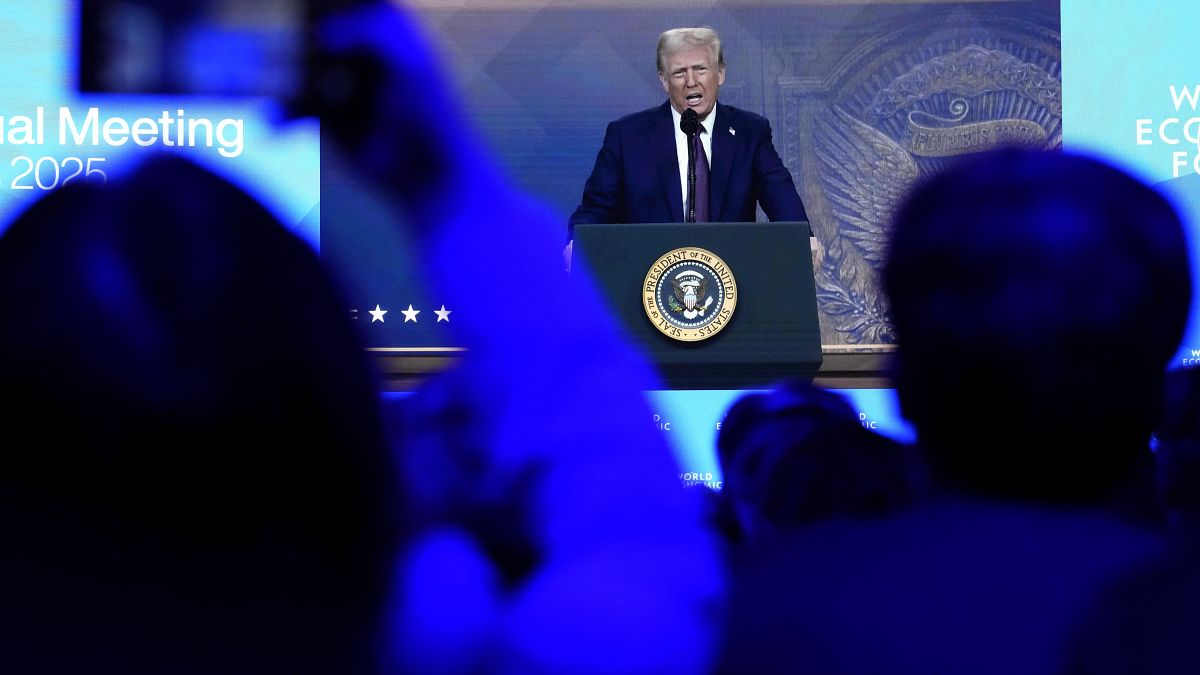
By Nitya Chakraborty Just six days have passed since the inauguration of Donald Trump as the second term President of the United States of America and his policy announcements on the first day in office. The impact varies from country to country but nowhere it is more panicky than in the European Union countries, especially […]


WASHINGTON, DC and ULAANBAATAR, MONGOLIA – Media OutReach Newswire – 24 January 2025 – The U.S. International Development Finance Corporation (DFC) has received approval from its Board of Directors on a $150 million landmark financing to the Mongolian Mortgage Corporation (MIK), advised by Delphos, the global financial advisory firm. This transformative deal will see the DFC acquire $150 million of mortgage-backed securities, managed by MIK, enabling local […]

Banks should prioritise cost optimisation, data governance, and digital transformation to build a foundation for long-term growth HONG KONG SAR – Media OutReach Newswire – 24 January 2025 – Hong Kong’s banking sector showed signs of recovery in 2024 after a prolonged period of challenges. This positive trend is expected to continue in 2025, with the pace of US rate cuts expected to be slower than many […]

By Ashis Biswas In Bangladesh, a bunch of unelected interim ‘rulers’ led by economist Mohammad Yunus is desperately anxious to cosy up to Pakistan, from which their country had seceded violently only five decades ago. In a strange reversal of their own (instant?) history, Bangladeshis have shown an apparent inability to exist and function as […]

By Saifur Rahman The UAE economic growth is expected to remain healthy at around 4 percent while fiscal surplus is expected to decline to 4 percent of GDP this year from an estimated 5 percent of GDP last year, the International Monetary Fund said. This is slightly lower than the projections made by the Central Bank of the UAE (CBUAE) which last month projected the UAE’s real […]

VISHNU RAJA
RYO YAMADA
HITORI GOTOH
IKUYO KITA