News related to
Bank

SINGAPORE – Media OutReach Newswire – 24 October 2024 – Senoko Energy, one of Singapore’s largest energy companies, and Gentari, a clean energy solutions provider, have signed a Memorandum of Understanding (MoU) to embark on a collaborative effort to explore the importation of hydrogen gas from Malaysia to Singapore. Senoko Energy and Gentari Collaborate to Enhance Sustainable Energy Solutions in Singapore with Hydrogen Following the MoU, both […]

HONG KONG SAR – Media OutReach Newswire – 24 October 2024 – EFT Solutions Holding Limited (“EFT Solutions” or the “Company”, together with its subsidiaries, the “Group”; stock code: 8062.HK), a leading electronic fund transfer point-of-sales (“EFT-POS”) solutions provider, is pleased to announce that it was accredited as “Asia Best Under A Billion” by Forbes, a renowned international financial magazine. Forbes “Asia Best Under A Billion” aims […]

By K Raveendran The desperation shown by BJP members of the parliamentary accounts committee to shield SEBI chairperson Madhabi Puri Buch from criticism for her failure to appear before the panel shows how her acts of commission and omission were not just a reflection of certain deficit in personal integrity, but how a sinister plot […]

In the digital age, the way people live in cities is evolving rapidly. While some people are seeking suburban retreats, many Asians are drawn to the convenience and vibrancy of urban life. This preference is fueled by the emergence of mega-complexes like Vinhomes’ projects, which offer a comprehensive range of amenities within the heart of bustling cities. These developments are designed to meet the diverse needs of […]

HSBC has launched a sustainability improvement loan targeting mid-sized corporates in the UAE, Egypt, Qatar, and Bahrain, marking a significant step in promoting environmentally responsible business practices in the region. This initiative aims to support companies striving to enhance their sustainability performance by providing them with financial resources tailored to their specific green objectives. The loan facility is designed for firms with an annual revenue between $20 […]

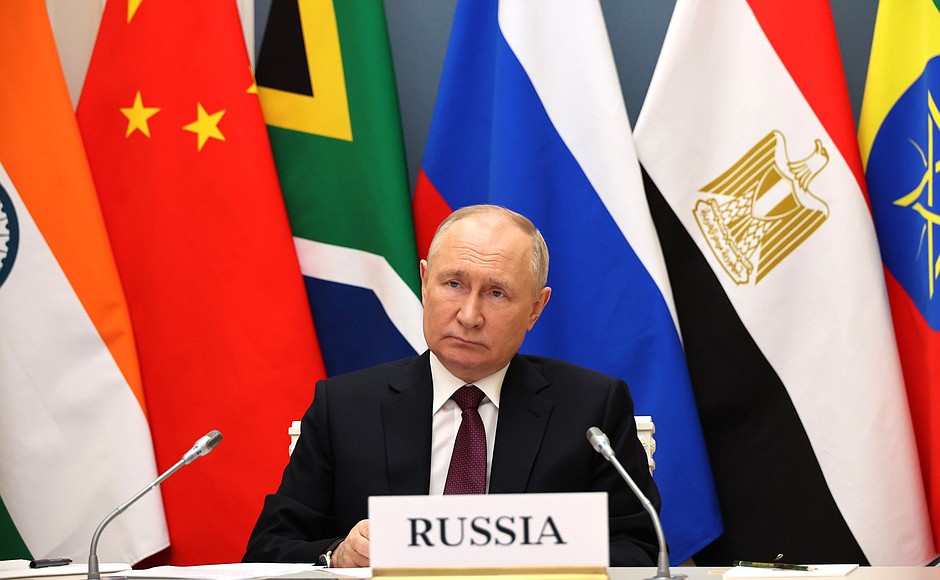
Amid rising geopolitical tensions and ongoing economic sanctions from Western nations, Russia has intensified its push for a clearing and depository system among BRICS nations—an alliance comprising Brazil, Russia, India, China, and South Africa. This initiative aims to facilitate intra-BRICS trade and investment by creating alternative mechanisms that would reduce reliance on Western financial systems, particularly the U.S. dollar.

The call for such a system has gained momentum during discussions at the BRICS summit held in Johannesburg earlier this year, where leaders explored strategies to enhance economic collaboration and safeguard member countries from external economic pressures. Russian President Vladimir Putin, emphasizing the need for financial sovereignty, outlined how a dedicated clearing system would not only streamline trade among BRICS nations but also insulate them from unpredictable sanctions imposed by Western governments.

The financial architecture proposed includes a shared clearing platform that would allow member states to transact in their local currencies. This system is expected to alleviate the costs associated with currency conversion and reduce exposure to fluctuations in the dollar’s value. The depository system would enable BRICS countries to hold reserves and facilitate investments without the involvement of Western banking systems, which often serve as gatekeepers for international trade and finance.

As part of this initiative, the Russian government has engaged with various BRICS member states to discuss technical and regulatory frameworks necessary for establishing this new financial infrastructure. Recent engagements include high-level talks with Chinese and Indian officials, where they explored the operational aspects of the proposed clearinghouse. Both countries have expressed interest, seeing the potential benefits of minimizing their dollar dependency amid geopolitical tensions with the West.

Analysts note that this initiative comes at a time when BRICS countries are seeking to redefine their positions in global trade and finance. The bloc has increasingly advocated for a multipolar world order, aiming to challenge the dominance of the United States and its allies in international financial institutions. The proposed clearing and depository system aligns with these aspirations, reflecting a broader trend of economic diversification and regional integration among non-Western nations.

While the technical implementation of this system remains in preliminary discussions, there are significant challenges to overcome. These include the establishment of common regulatory standards, addressing concerns about currency stability among member states, and ensuring the system’s resilience against external shocks. Moreover, skepticism persists regarding the political will of member nations to fully commit to this initiative, particularly given the varying degrees of economic interdependence and political alignment among them.

Experts predict that the success of the BRICS clearing and depository system will hinge on several factors, including the resolution of these technical challenges and the ongoing commitment of member states to foster economic collaboration. The establishment of a robust framework that can operate independently of Western financial institutions will require significant investments in infrastructure and regulatory harmonization.

In parallel to these discussions, Brazil and China have initiated bilateral agreements to promote trade in their local currencies, signaling a growing trend among BRICS nations to seek alternatives to the dollar. This move underscores the urgency felt by member states to enhance their economic resilience and foster greater autonomy in global markets.

The backdrop of escalating tensions between Russia and Western nations adds a layer of urgency to these discussions. Sanctions targeting Russia have intensified following its military actions in Ukraine, prompting a reevaluation of its economic relationships globally. Russia’s outreach to BRICS allies is not merely strategic; it is also a pragmatic response to the constraints imposed by Western financial measures.

While the BRICS clearing system remains in its conceptual phase, the desire among member nations for a more independent financial architecture reflects a significant shift in global economic dynamics. As emerging economies seek to forge stronger ties and reduce their vulnerabilities, the success of this initiative could have profound implications for the future of international trade and finance.

Several countries, including South Africa and India, have indicated their support for exploring mechanisms to facilitate trade in local currencies. Such support could provide the momentum needed to advance the technical discussions into actionable plans. If successful, this could mark a pivotal moment for BRICS as it seeks to position itself as a counterbalance to Western hegemony in global economic governance.


BANGKOK, THAILAND – Media OutReach Newswire – 25 October 2024 – Central Department Store, under Central Retail, continues to create moments of happiness that make customers’ hearts bloom. In collaboration with exclusive partners — Mastercard, Central The 1 Credit Card, CardX Credit Card, KBank Credit Card, UOB Credit Card, and Samsung Galaxy — Central celebrates its grand 77th anniversary by launching the mega campaign ‘Central 77th Anniversary […]

Advertisements

Celebration of Cyberport Investors Network’s 7th Anniversary with Total Investments Surpassing HK$2.5B and Membership Exceeding 200 HONG KONG SAR – Media OutReach Newswire – 24 October 2024 – The Cyberport Venture Capital Forum 2024, a premier annual event in the global venture capital scene organised by Cyberport, was inaugurated today. The two-day event, themed “Innovation Challenger: Building New Venture Visions”, brings together over 90 globally influential venture […]

HONG KONG SAR – Media OutReach Newswire – 24 October 2024 – Paul Chan, Financial Secretary of the Hong Kong Special Administrative Region, is visiting the United States (October 22-24), where he delivered keynote speeches at the Bloomberg Global Regulatory Forum on the topic of financial sustainability (October 22) and at a business luncheon (October 23) in New York. At the Bloomberg Global Regulatory Forum, Mr Chan […]

Pearl Petroleum, a consortium operating in the Kurdistan Region of Iraq, has taken a significant step in its expansion efforts by mandating a group of banks to facilitate a $300 million bond offering. This move signals the company’s intent to enhance its financial resources, particularly as it seeks to further develop its oil and gas operations in the energy-rich region.

The decision to issue the bond, aimed at international investors, aligns with Pearl Petroleum’s strategy of capitalizing on the growing global demand for energy. With key stakeholders including Dana Gas and Crescent Petroleum, the consortium operates a series of gas fields that are pivotal to energy supply within the Kurdistan Region and beyond. This bond issuance is expected to support continued infrastructure investment and help the company maintain steady production levels amidst growing regional and global energy needs.

Pearl Petroleum’s bond will target both institutional and retail investors, with the capital raised earmarked for expanding gas production facilities and further drilling in the Khor Mor field. This field, one of the largest non-associated gas reservoirs in Iraq, has been central to Pearl’s operations, supplying gas to power plants and industrial projects across the region. The investment is set to bolster output, which currently averages around 400 million cubic feet of gas per day.

The bond is being coordinated by a syndicate of banks led by Citi, Deutsche Bank, and JPMorgan. These institutions have been mandated to structure and market the bond to a wide range of investors. The move follows Pearl Petroleum’s success in enhancing operational efficiency and solidifying its position as a major player in Iraq’s gas sector. It also comes amid renewed interest from international investors in Middle Eastern energy assets, spurred by strong global demand and energy market volatility.

Kurdistan’s gas reserves have long been a strategic asset, and Pearl Petroleum’s activities are crucial for regional energy security. The bond offering underscores the consortium’s ambition to continue expanding its footprint, despite the geopolitical complexities that come with operating in the Kurdistan Region. The area’s political and regulatory landscape remains challenging, but the firm has successfully navigated these hurdles in the past, owing to its established partnerships and local expertise.

Proceeds from the bond sale will likely be channeled toward increasing production capacity, which has been part of Pearl’s long-term growth plan. The company has outlined its intentions to raise production to 1 billion cubic feet per day over the next several years, a target that will require substantial investment in new wells, infrastructure, and processing facilities. The additional funding will also provide liquidity for future projects, ensuring that Pearl is well-positioned to meet the increasing demand for gas in Iraq and its neighboring countries.

Energy analysts have noted that Pearl Petroleum’s bond issue comes at a favorable time. Global energy prices have remained high, driven by supply disruptions and a rebound in demand following the pandemic-induced slump. Investors have been drawn to the energy sector, seeking higher returns amid an uncertain economic outlook. This has created a ripe environment for energy firms like Pearl to tap into capital markets and secure financing for long-term projects.

The Kurdistan Region, while rich in resources, faces ongoing political challenges, particularly in its dealings with Baghdad. Tensions over revenue-sharing and control of oil and gas exports have complicated efforts by companies operating in the region. However, Pearl Petroleum’s established position and its critical role in supplying gas to power plants have enabled it to maintain stable operations despite these challenges.

Pearl Petroleum’s latest move highlights the continued importance of the Kurdistan Region as a vital source of energy. The consortium has been able to steadily increase production over the years, contributing significantly to the region’s energy mix and playing a key role in meeting its electricity demands. The additional funding through the bond offering is expected to further solidify Pearl Petroleum’s leading position in the market.

The company’s long-term vision of enhancing gas production aligns with Iraq’s broader energy goals, which aim to diversify the country’s energy portfolio and reduce reliance on oil. The bond issuance is seen as a crucial step in ensuring that Pearl Petroleum can maintain its growth trajectory while contributing to the stability of the region’s energy supply.

Diplomatic negotiations have led to the Nigerian government officially dropping charges against Tigran Gambaryan, a senior executive at Binance Holdings, who was facing legal action over allegations of money laundering. His release is seen as a crucial step in resolving the broader tensions between Nigerian authorities and the cryptocurrency industry, which has been under intense scrutiny due to concerns over foreign exchange manipulation and money laundering.

Gambaryan, a U.S. citizen, had been detained in Nigeria since February 2024 following his visit for discussions aimed at addressing Nigeria’s regulatory concerns over cryptocurrency trading. His arrest and subsequent trial became a flashpoint in Nigeria’s ongoing efforts to regulate the digital currency market, which has been accused of contributing to currency volatility and evasion of foreign exchange rules. The detention also attracted significant attention from U.S. officials, with some members of Congress calling for stronger intervention to secure his release.

After months of legal wrangling and growing diplomatic pressure, Nigeria’s Federal Inland Revenue Service (FIRS) decided to drop tax-related charges against Gambaryan. In an official statement, Binance expressed relief, stating that Gambaryan was not involved in decision-making at the company, and his detention was unnecessary for resolving the broader dispute between the Nigerian government and Binance. The FIRS’s decision has been hailed as a significant breakthrough in what had become a protracted standoff.

Binance has reiterated its commitment to cooperating with Nigerian authorities to address regulatory concerns. The exchange remains at the center of Nigeria’s wider crackdown on cryptocurrency activities, with Nigerian regulators expressing unease about the role of digital currencies in capital flight and foreign exchange violations. Binance’s legal troubles in the country are not entirely over, as it still faces other charges, primarily linked to alleged money laundering.

The executive’s detention was fraught with challenges, including deteriorating health conditions. According to Binance, Gambaryan, who had spent 110 days in custody, had contracted both malaria and pneumonia while being held in Kuje prison. Despite court orders for his medical treatment, delays in his care raised concerns about the conditions of his detention, further complicating diplomatic efforts to secure his release.

Binance’s legal representatives expressed hope that the Economic and Financial Crimes Commission (EFCC) would soon follow the FIRS’s example by dropping its case against Gambaryan, thereby allowing him to return to his family in the United States. Gambaryan’s arrest also drew wider international attention, with several U.S. lawmakers addressing the issue. This diplomatic angle added another layer of complexity to an already high-profile case that has implications for international business relations and cryptocurrency regulation.

Nigeria’s decision to drop the charges is seen as a potential turning point in the strained relationship between Binance and African regulators. Binance’s dominance in the global cryptocurrency market has made it a target of regulatory actions across several jurisdictions. As cryptocurrency adoption grows in regions like Africa, governments are grappling with how to regulate digital assets while protecting their economies from the risks associated with unregulated financial flows.

The Nigerian government’s initial crackdown on Binance and other cryptocurrency exchanges was part of a broader move to clamp down on speculative trading activities that were blamed for exacerbating the country’s foreign exchange crisis. The Central Bank of Nigeria (CBN) had earlier banned cryptocurrency transactions in 2021, but enforcement challenges and continued use of digital currencies led to ongoing tensions between the authorities and crypto platforms.

As part of the government’s efforts to rein in the sector, Nigerian authorities detained two senior Binance executives in early 2024 following allegations of foreign exchange manipulation. The authorities argued that speculative trading of cryptocurrencies had contributed to the depreciation of the naira. These actions were taken within the broader context of Nigeria’s struggle to stabilize its currency amidst economic pressures and rising inflation.

Although the charges against Gambaryan have been dropped, the broader regulatory environment for cryptocurrencies in Nigeria remains uncertain. Many see this case as indicative of the Nigerian government’s stance on cryptocurrency regulation. The government has been attempting to balance the need for financial innovation with the risks that come from unregulated digital markets. While the decision to release Gambaryan is being welcomed by the crypto community, it remains to be seen how future cases involving cryptocurrency firms will be handled by Nigerian regulators.

Russia is hosting the latest BRICS summit in a strategic demonstration of strength and unity as it seeks to challenge the geopolitical dominance of the West. The BRICS group – comprising Brazil, Russia, India, China, and South Africa -has evolved beyond its original purpose as a coalition of rapidly developing economies. Initially founded to represent economic growth prospects, BRICS has since transformed into a powerful geopolitical forum, […]

A significant boost to Dubai’s real estate market is on the horizon as the emirate prepares to deliver an impressive 90,000 new homes within the next two years. This initiative, driven by rising demand and a focus on sustainable development, marks a pivotal moment for the city’s housing landscape. The initiative is part of Dubai’s broader strategy to enhance its residential offerings, with authorities anticipating a substantial […]

HSBC has appointed Pam Kaur as its Chief Financial Officer (CFO), marking the first time in its 160-year history that a woman has taken on this prominent role. Kaur, currently the bank’s Chief Risk and Compliance Officer, will officially assume her new position following the departure of Georges Elhedery, who is stepping into the Chief Executive role at HSBC. This leadership reshuffle reflects the bank’s continued transformation efforts aimed at driving growth and streamlining operations.

Pam Kaur, 60, brings a wealth of experience to her new role. Since joining HSBC in 2013, she has held several senior positions, including leading risk management and compliance. She is known for her expertise in managing complex regulatory landscapes, which has earned her a solid reputation within the financial industry. Her promotion to CFO is a significant move, not only for HSBC but also for gender representation in the upper echelons of global banking leadership.

The leadership transition aligns with HSBC’s strategic objectives, as the bank has been focusing on optimizing its operations amidst a volatile global economic climate. With its headquarters in London, HSBC has been working to enhance its financial performance across its key markets, particularly in Asia, where it generates a substantial portion of its profits. Kaur’s appointment is expected to play a crucial role in helping the bank navigate regulatory complexities and manage financial risks effectively.

Kaur’s promotion also highlights HSBC’s broader efforts toward increasing diversity within its leadership ranks. Global banks have faced increasing pressure to diversify their boards and executive teams, and Kaur’s ascension to the CFO position represents a milestone for the bank in addressing gender imbalances at the top. As one of the most senior women in banking, she is expected to bring a fresh perspective to the bank’s financial strategies.

This change in leadership comes at a time when HSBC is under pressure to increase its profitability while also managing various regulatory and compliance challenges. Elhedery’s move to CEO will be crucial in steering the bank through these changes, and Kaur’s role as CFO will be vital in ensuring that the bank remains on a sound financial footing.

Kaur’s career has been characterized by her deep understanding of risk management and compliance, two areas that have become increasingly important in the banking world following the global financial crisis. Before joining HSBC, Kaur held senior positions at several leading financial institutions, including Deutsche Bank and the Royal Bank of Scotland, further cementing her qualifications for the CFO role.

Her elevation to this role also reflects HSBC’s commitment to fostering internal talent and promoting diversity in its leadership, a strategy that has become increasingly important in the global financial industry. This internal promotion signals the bank’s trust in its established leadership team and its focus on continuity amid broader strategic shifts.

As Kaur prepares to take on the responsibilities of CFO, HSBC will be looking to her to help streamline its financial operations and bolster investor confidence. The bank, which has faced scrutiny from both regulators and shareholders over its financial strategies in recent years, will benefit from Kaur’s expertise in navigating complex regulatory frameworks and her ability to manage financial risks effectively.

Her appointment comes at a critical time for HSBC, as the bank seeks to bolster its performance in key growth markets such as Asia while also dealing with economic challenges posed by the global economy. As she steps into her new role, Kaur’s leadership is expected to be instrumental in guiding the bank through these challenges, ensuring that HSBC remains a dominant player in the global banking industry.

The International Monetary Fund has raised concerns that global markets are underestimating the potential economic impact of geopolitical tensions. Amid signs of improving economic stability, especially as global disinflation enters its final stages, the IMF has identified several medium-term risks that could significantly disrupt financial markets. According to its latest Global Financial Stability Report, while short-term global financial stability risks have receded, major vulnerabilities persist.

The IMF’s warning comes at a time when many market participants are hopeful about the prospects of a “soft landing” for the global economy, aided by disinflation and easing monetary policies. Emerging markets have shown resilience, and international debt issuance has picked up in some frontier economies. Despite these optimistic signs, there are concerns that the financial system remains fragile, especially in light of potential external shocks.

One of the key areas flagged by the IMF is the growing strain in the commercial real estate sector. Rising interest rates over the past year have exposed vulnerabilities within the sector, and further shocks could worsen these conditions. The IMF also points to signs of credit deterioration among corporations, which could intensify if adverse economic conditions continue.

The report highlights that geopolitical tensions remain a significant factor that global markets may be neglecting. Escalating geopolitical conflicts, such as the war in Ukraine and ongoing trade disputes between major economies, present long-term threats that could disrupt financial systems worldwide. These risks are further compounded by cyber threats, which the IMF notes have been on the rise. Although no major systemic disruptions have been caused by cyber incidents so far, the increasing probability of severe cyberattacks poses a looming threat to global macroeconomic stability.

In addition to geopolitical and cyber risks, the IMF underscores the vulnerability of the corporate credit market, which has expanded rapidly in recent years. This market, particularly in private credit, now rivals more traditional forms of lending, including commercial banking. While private credit markets have served as an important source of capital for mid-sized firms, they are also exposed to higher risks. A sudden downturn in economic conditions or a sharp increase in interest rates could leave many of these firms struggling to meet their debt obligations, creating ripple effects throughout the global financial system.

While the IMF acknowledges the progress made in global disinflation and the efforts of central banks to maintain stability, it is urging policymakers and financial institutions to remain vigilant. The report recommends that governments and central banks continue to assess and address medium-term risks while maintaining a focus on geopolitical and cyber threats that could lead to severe disruptions.

A report highlighting the latest trends in investment banking fees across the MENA region reveals HSBC’s dominant position in the market, outpacing competitors and securing a significant share of the financial landscape. The bank’s robust performance is attributed to its strategic initiatives and a diverse portfolio of services that cater to the region’s unique economic demands. HSBC’s strong earnings are underscored by its comprehensive approach to investment […]

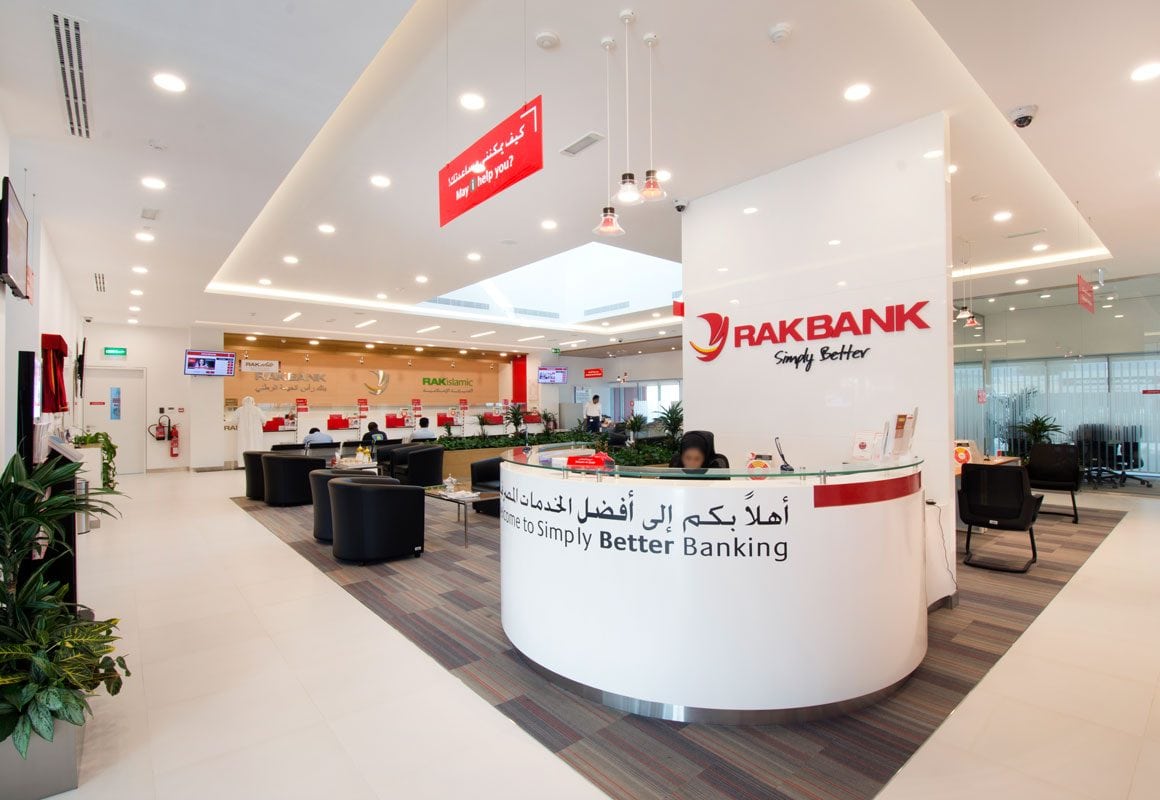
RAK Bank, officially known as the National Bank of Ras Al Khaimah, has announced robust financial results for the third quarter of 2024, highlighting significant growth in interest income alongside a reduction in provisions for loan losses. The bank’s net profit surged by 38% compared to the same quarter in the previous year, reflecting the bank’s effective strategies and the positive impact of the current economic landscape.

The increase in interest income has been attributed to the ongoing rise in interest rates, which has positively influenced the bank’s lending operations. This has resulted in a notable expansion of its net interest margin, a key indicator of a bank’s profitability. RAKBANK reported a net interest income of AED 563 million for the third quarter, marking a 30% increase from AED 433 million in the same period last year. The bank’s focus on optimizing its asset-liability management has allowed it to capitalize on the higher interest rates effectively.

The bank’s lending portfolio also showed resilience, with total loans and advances increasing by 12% to AED 32.4 billion. This growth is reflective of the bank’s strategic emphasis on retail banking and SME (small and medium-sized enterprises) lending, which have been prioritized as key growth areas. Retail loans accounted for a significant portion of the growth, as the bank introduced several attractive products tailored to meet customer needs.

RAKBANK has demonstrated a commendable effort in managing its operational costs, which have remained stable despite the increased lending activity. The cost-to-income ratio improved to 36.5%, down from 38.2% in the previous year, indicating enhanced operational efficiency. This metric is crucial for assessing how well a bank controls its costs relative to its income.

A noteworthy aspect of the quarterly results is the decline in provisions for credit losses, which decreased by 28% year-on-year to AED 96 million. This reduction is significant as it indicates a stabilizing economic environment and improved asset quality. The bank’s non-performing loan (NPL) ratio has also seen improvement, declining to 5.2% from 5.7% in the previous quarter, reflecting the bank’s effective risk management strategies.

RAKBANK’s leadership has expressed confidence in the bank’s strategic direction and financial health. The CEO emphasized the bank’s commitment to maintaining a strong balance sheet while focusing on sustainable growth initiatives. The management believes that by continuing to strengthen its core banking operations and expanding its service offerings, RAKBANK is well-positioned to navigate the current economic climate and capitalize on emerging opportunities.

Market analysts have responded positively to RAKBANK’s financial performance, noting that the bank’s robust results reflect not only its strong operational foundation but also its ability to adapt to changing economic conditions. Analysts project that RAKBANK will continue to benefit from the favorable interest rate environment and that its focus on retail and SME lending will drive further growth in the coming quarters.

The UAE’s overall economic environment remains supportive of banking sector growth, fueled by government initiatives aimed at diversifying the economy and fostering a more robust private sector. RAKBANK’s strategy to align its offerings with national objectives, such as promoting small businesses and innovation, positions it favorably in a competitive landscape.

RAKBANK has been actively investing in technology and digital transformation to enhance its customer service and streamline operations. Initiatives aimed at improving digital banking experiences have garnered positive feedback from customers, helping the bank to attract and retain clients in an increasingly digital-oriented market. The bank’s efforts to embrace fintech solutions are expected to further enhance its competitive edge and operational efficiency.

With these strong third-quarter results, RAKBANK has solidified its position as one of the leading banks in the UAE. The combination of increased interest income, reduced provisions, and efficient cost management underscores the bank’s commitment to delivering value to its shareholders while enhancing customer satisfaction. The management remains optimistic about future growth, emphasizing that continued focus on core banking and customer-centric strategies will be key to navigating the evolving financial landscape.

Abu Dhabi is making bold strides to position itself as a global leader in food security by launching a pioneering initiative aimed at transforming the emirate into a net food exporter. The newly approved AgriFood Growth and Water Abundance (AGWA) cluster, backed by billions in investments, is set to become a game-changer in addressing global food shortages while leveraging advanced technologies in agriculture and water resource management.

The AGWA cluster, located in Abu Dhabi and supported by the Department of Economic Development (ADDED) and the Abu Dhabi Investment Office (ADIO), is designed to become an innovation hub for food production and water management. The emirate has earmarked substantial resources, expecting AGWA to generate AED 90 billion in additional GDP by 2045 and create over 60,000 new jobs. These figures are seen as essential to diversify Abu Dhabi’s economy beyond oil, providing critical support to its “Falcon Economy” and ensuring long-term sustainability.

This initiative builds on the UAE’s longstanding history of addressing food security. In 1969, under the leadership of Sheikh Zayed, the UAE established its first network of greenhouses on Saadiyat Island, a pioneering effort at the time to create sustainable food production systems. Today, AGWA continues this legacy by focusing on advanced technologies like alternative proteins, algae cultivation, and reverse osmosis for water desalination, among other innovations.

As global food demands rise due to population growth, expected to surpass nine billion by 2050, Abu Dhabi’s proactive measures highlight the emirate’s forward-thinking approach. The World Bank estimates that feeding this population will require a 50% increase in agricultural production and a 15% increase in water use, making solutions like AGWA critical. Abu Dhabi is home to approximately 24,000 farms, half of which are located in Al Ain, and these farms are expected to benefit from the cluster’s advanced infrastructure and support systems.

AGWA’s focus is on fostering sustainable food production, addressing both local and international needs. By supporting local suppliers and creating export opportunities, Abu Dhabi aims to strengthen its food security strategy while also contributing to global agricultural sustainability. This effort is seen as part of the UAE’s National Food Security Strategy 2051 and Water Security Strategy 2036, which aim to enhance the country’s resilience to food and water shortages by using cutting-edge technologies.

Abu Dhabi has also been working to enhance its infrastructure, attracting investors through a business-friendly environment, strong supply chain networks, and substantial government support. The launch of AGWA follows the introduction of other high-tech economic clusters, such as the Smart and Autonomous Vehicle Industries (SAVI) cluster, highlighting the emirate’s commitment to innovation across multiple sectors.

European Central Bank (ECB) economists have voiced their concerns regarding Bitcoin’s growing role in financial markets. They warn that the cryptocurrency’s rising value could potentially exacerbate wealth inequality, especially by benefiting early adopters and investors, thus concentrating wealth in fewer hands. Originally envisioned as a decentralized, global payment system, Bitcoin’s limited use in everyday transactions has raised questions about its broader societal impact, particularly as its speculative appeal overtakes its utility.

Bitcoin’s trajectory, especially in the post-pandemic economic landscape, has been closely monitored by institutions like the ECB. Analysts argue that its rapid appreciation has led to a divergence from its intended function, with its primary use now largely centered around investment rather than payments. This shift has had profound implications for wealth distribution. A significant portion of Bitcoin’s wealth is concentrated among a small group of holders, typically those who invested early, while new investors often enter the market at inflated prices, exposing themselves to financial risks without proportionate rewards.

The cryptocurrency’s volatile nature further complicates its role in financial ecosystems. While some advocate Bitcoin as a hedge against inflation, critics, including those at the ECB, believe its unpredictability makes it more of a speculative asset than a reliable store of value. This speculation-driven environment attracts a particular segment of the population, typically wealthier, tech-savvy investors, while leaving lower-income groups on the sidelines, thus reinforcing economic divides.

The energy-intensive process of Bitcoin mining has drawn criticism for its environmental impact, with ECB experts highlighting the environmental cost as another factor contributing to its unsustainability as a mainstream currency. These issues have caused European regulators to explore measures that could curb Bitcoin’s influence, particularly as central banks globally weigh the potential for digital currencies issued and controlled by state authorities. A shift towards Central Bank Digital Currencies (CBDCs), which are being developed in several countries, could serve as an alternative to cryptocurrencies like Bitcoin, offering the benefits of digital payments without the associated risks of speculative bubbles and wealth inequality.

Chinese markets are rallying as the country’s economy demonstrates signs of improvement. While the latest data offers some optimism, significant hurdles persist. Octa Broker analyses the situation and discusses the potential implications for the People’s Bank of China’s upcoming interest rate decision. KUALA LUMPUR, MALAYSIA – Media OutReach Newswire – 19 October 2024 – China has just released a slew of macroeconomic statistics. Although it generally looks […]

First Abu Dhabi Bank (FAB), the largest lender in the United Arab Emirates, has reported a remarkable performance for the third quarter of 2024. The bank posted a net profit of $1.2 billion, exceeding analysts’ expectations and reflecting a robust 38% year-on-year growth. This surge is attributed to a diversified revenue mix and strong growth across its core banking operations and investment banking division. FAB’s positive performance […]

The Central Bank of the UAE (CBUAE) is advancing its efforts to foster greater cross-border financial interoperability through its latest initiative, Project Aperta. This move comes as part of the CBUAE’s Financial Infrastructure Transformation programme, which aims to establish the UAE as a leading global hub for financial technology and innovation. With the rollout of Project Aperta, the CBUAE is setting a new benchmark for open finance […]

The upcoming BRICS summit in Kazan, Russia, is closely monitored for potential developments in economic cooperation and currency strategies. With the introduction of new members and the ongoing development of a BRICS currency, this gathering could mark a significant turning point in international finance. Will the summit unveil a new era of economic cooperation and bring about a new currency? Global broker Octa provides the analytics. The […]

A coalition of funders has initiated a groundbreaking project aimed at bridging the gap between scientific research and policymaking, with a commitment of US$70 million. This significant investment will support the establishment of a comprehensive framework for synthesizing scientific evidence rapidly, thus enabling governments to make informed decisions on pressing global challenges, including climate change, public health, and sustainable development. The initiative, driven by prominent organizations and […]

VISHNU RAJA
RYO YAMADA
HITORI GOTOH
IKUYO KITA
Just in:
Republicans Struggling To Come Out Of Nov 3 Debacle To Prepare For 2028 Prez Polls // Rubio rejects prospect of imminent Iran peace breakthrough // EU challenges TikTok video rankings over harmful content loops // Abu Dhabi court holds NMC executives liable for fraud // LNG tanker exits through Hormuz reach wartime peak // Setback for Usha in Olympic body // NIA Highlights Three Exemplary Breakthroughs from National Innovation Awards, Driving Thailand Toward a Global ‘Innovation Nation’ // Lee Kum Kee Sauce-Sponsored 2026/27 Hong Kong Windsurfing Circuit – iQFOiL Championships Conclude Successfully // AutoSwift secures close to A$10 million from Singapore’s X Star Technology to scale AI WINGMAN // PhotonPay Strengthens North American Regulatory Footprint with Canada’s RPAA Registration // BJP leader condemns cyber attacks over Mammootty wedding visit // Deemed status for high-performing aided colleges // Lula commits to budget discipline after election victory // Vasavan alleges one-man show by CM Satheesan // From Seoul to Wuzhen: Korean Celebrities and Creators Spark a Water Town Slow-Living Trend // Houthi missile barrage damages Aramco tower in Riyadh // Nexawork AI Launches Custom Software for SMEs From RM19,900.00 // UAE non-oil trade climbs to AED 2.945 trillion // AI stock rout erodes sovereign and pension holdings // Recognition under the U.S. Green Building Council’s rating system confirms the 22-residence tower is on track for full certification on completion //