Just in:
BJP leader condemns cyber attacks over Mammootty wedding visit // Deemed status for high-performing aided colleges // Trump’s Defeat In Midterm May Lead To Both Challenges And Opportunities For Indian Economy // Abu Dhabi court holds NMC executives liable for fraud // Lee Kum Kee Sauce-Sponsored 2026/27 Hong Kong Windsurfing Circuit – iQFOiL Championships Conclude Successfully // AI stock rout erodes sovereign and pension holdings // PhotonPay Strengthens North American Regulatory Footprint with Canada’s RPAA Registration // From Seoul to Wuzhen: Korean Celebrities and Creators Spark a Water Town Slow-Living Trend // Rubio rejects prospect of imminent Iran peace breakthrough // LNG tanker exits through Hormuz reach wartime peak // NIA Highlights Three Exemplary Breakthroughs from National Innovation Awards, Driving Thailand Toward a Global ‘Innovation Nation’ // FATF unveils measures to dismantle global scam networks // AutoSwift secures close to A$10 million from Singapore’s X Star Technology to scale AI WINGMAN // Nexawork AI Launches Custom Software for SMEs From RM19,900.00 // Japan’s Nikkei advances as buyers return after sell-off // EU challenges TikTok video rankings over harmful content loops // Setback for Usha in Olympic body // Lula commits to budget discipline after election victory // Recognition under the U.S. Green Building Council’s rating system confirms the 22-residence tower is on track for full certification on completion // Public Protests Challenge Elected Power In Europe And India //

News related to
Bank

USDT activity on the Tron blockchain has reached unprecedented levels, with the circulating supply now at $77.7 billion, monthly transaction volumes exceeding $611 billion, and over 65.6 million transfers recorded. This surge underscores Tron’s emergence as a dominant force in the stablecoin ecosystem, surpassing traditional financial networks in transaction throughput.

Tron’s ascent in the stablecoin market is attributed to its high-speed, low-cost infrastructure, which has attracted a vast user base. The network boasts over 300 million accounts, processing more than 14 million USDT transactions weekly, accounting for approximately 69% of global USDT activity. This dominance is further highlighted by Tron’s surpassing of Visa’s daily average transaction volume, with USDT on Tron reaching $53 billion in a single day compared to Visa’s $42 billion.

The network’s efficiency has made it a preferred choice for users in regions with limited access to traditional banking services. In Africa, for instance, 85% of users rated the Tron network five stars, citing its stable and low-cost payment experience. Similarly, in Argentina, a partnership with local e-commerce platform Kripton has enabled over 2,000 merchants to accept USDT payments, facilitating more than 100,000 transactions and $2 million in volume within 18 months.

Tron’s technological advancements, including the launch of the “Gas Free” USDT transfer feature, have further reduced transaction costs, solidifying its position in the payment sector. The network’s ability to process thousands of transactions per second with minimal fees has been instrumental in its widespread adoption.

Despite its rapid growth, Tron’s association with founder Justin Sun has attracted scrutiny. Sun, who has faced investigations by U.S. authorities for alleged market manipulation and facilitating illicit financial activities, recently returned to the U.S. to attend a dinner with former President Trump. His involvement in Trump’s crypto ventures, including a $75 million investment in World Liberty Financial and a significant stake in the $TRUMP memecoin, has raised concerns about potential conflicts of interest.

Coinbase, the leading U.S.-based cryptocurrency exchange, is under intensified scrutiny as it confronts a new class-action lawsuit filed on behalf of investors who purchased company shares between April 14, 2021, and May 14, 2025. The lawsuit alleges that Coinbase and its executives failed to disclose critical information and did not adequately protect user data, leading to significant financial losses for shareholders following a sharp decline in stock value.

The legal action centers on claims that Coinbase misrepresented its ability to safeguard customer assets, particularly in the event of bankruptcy. Investors argue that the company did not sufficiently inform them that customer assets could be considered part of Coinbase’s bankruptcy estate, potentially making customers unsecured creditors. This concern was exacerbated when, on May 10, 2022, Coinbase disclosed in a regulatory filing that customer assets could be at risk in the event of bankruptcy, leading to a more than 26% drop in the company’s share price the following day.

Further compounding investor concerns, Coinbase recently revealed a significant data breach where cybercriminals bribed overseas support agents to access sensitive user information, including names, contact details, government ID images, and account histories. The breach affected up to 97,000 users and led to a ransom demand of $20 million, which Coinbase refused to pay. The company estimates the incident could cost between $180 million and $400 million in fixes and refunds. Following the disclosure, Coinbase’s stock dropped over 7%, shortly after it had surged 24% on news of its impending inclusion in the S&P 500.

The lawsuit also points to Coinbase’s alleged failure to disclose its engagement in proprietary trading. Despite public statements denying such activities, reports emerged in September 2022 indicating that Coinbase had formed a unit specifically for proprietary trading, investing $100 million in these trades. This revelation led to further declines in the company’s stock price, causing additional losses for investors.

In response to these allegations, Coinbase maintains that it has been transparent with its investors and is committed to addressing any concerns. The company has stated that it is cooperating with law enforcement regarding the data breach and has taken steps to enhance its security measures, including establishing a new U.S. support hub and implementing stronger protections against insider threats. Coinbase has also fired the implicated insiders and is pursuing criminal charges against them.

Dubai Holding has successfully raised AED 2.14 billion through the initial public offering of its Dubai Residential REIT, marking the largest real estate investment trust listing in the Gulf Cooperation Council to date. The offering, priced at AED 1.10 per unit, attracted substantial investor interest, with total demand exceeding AED 56 billion, leading to an oversubscription rate of 26 times. Originally set to offer 12.5% of the […]

Dubai has initiated a pilot programme to tokenise property ownership, marking a significant advancement in its property sector. The Dubai Land Department , in collaboration with Prypco, has launched the ‘Prypco Mint’ platform, enabling fractional property investments through blockchain technology. This initiative positions Dubai as the first city in the Middle East and North Africa region to implement a licensed platform for real estate tokenisation. The project […]

Saudi Aramco is exploring asset sales to bolster its balance sheet as it navigates declining oil revenues and intensifies its international expansion efforts. The state-owned oil giant has engaged investment banks to propose strategies for monetising its assets, according to individuals familiar with the matter. While specific assets and banks involved remain undisclosed, the move underscores Aramco’s proactive approach to financial management amid market challenges.

The company’s net income fell by 12% to $106.2 billion in 2024, down from $121.3 billion the previous year, primarily due to lower oil prices and reduced production volumes. Consequently, Aramco plans to cut its total dividend payout by nearly a third in 2025, distributing $85.4 billion compared to $124 billion in 2024. This reduction is expected to impact Saudi Arabia’s budget, which heavily relies on Aramco’s dividends to fund its Vision 2030 economic diversification initiative.

In response to these financial pressures, Aramco is actively seeking investors for infrastructure assets in its $100 billion Jafurah gas project, aiming to become a major global natural gas player. The company intends to maintain majority ownership and operational control while attracting external investments to support development. This strategy follows previous deals, including nearly $28 billion raised in 2021 through selling 49% stakes in its oil and gas pipeline subsidiaries.

Aramco’s international expansion includes signing preliminary agreements with U.S. companies valued at up to $90 billion, encompassing sectors such as liquefied natural gas, artificial intelligence, and technology. Key deals involve a 20-year LNG purchase agreement with NextDecade’s Rio Grande LNG export project in Texas and collaborations with ExxonMobil to upgrade the Samref refinery in Saudi Arabia. Additionally, Aramco is in discussions to invest in two new refineries in India, seeking stable markets for its crude amidst increased competition from cheaper sources like Russia.

Despite the dividend cut, Aramco plans capital investments between $52 billion and $58 billion in 2025, focusing on expanding its gas capabilities and integrating its upstream and downstream businesses. The company expects potential operating cash flows of $9 billion to $10 billion from growth in its upstream gas business and $8 billion to $10 billion from its downstream business by 2030.

Aramco’s financial adjustments come amid a broader context of declining oil prices, with Brent crude trading around $70 a barrel, down from approximately $100 three years ago. The company’s performance-linked dividend has seen a significant reduction, reflecting broader struggles in the oil industry. Analysts suggest that Aramco may need to tap into debt markets to finance its dividend and capital expenditure commitments if oil prices remain subdued.

A surge in fraudulent activities targeting Schengen visa applicants has prompted urgent warnings from VFS Global and European embassies, as scammers increasingly exploit the high demand for travel to Europe.

In a notable case, a 38-year-old man from Kanyakumari was arrested at Thiruvananthapuram International Airport after attempting to travel to Slovakia with a forged Schengen visa. The visa, procured through an Angamaly-based agency for ₹7 lakh, initially passed scrutiny by Slovakian embassy officials in India. However, Sharjah immigration authorities identified it as counterfeit, leading to his deportation and subsequent arrest. Upon investigation, local police found his claims credible, releasing him on station bail while he assists in identifying the perpetrators.

This incident underscores a broader trend. Data from the district crime records bureau indicates a sharp increase in visa fraud cases, from 15–20 annually between 2021 and 2023 to 66 in 2024, with 23 cases already reported in 2025.

VFS Global, the official visa outsourcing partner for multiple Schengen countries, has reiterated that it does not collaborate with third-party entities for appointment bookings. All appointments must be scheduled through its official website, www.vfsglobal.com. The company warns against individuals or agencies claiming association with VFS Global and offering guaranteed appointments or expedited processing for a fee.

Bernard Vijaykumar, VFS Global’s Head for North Asia and the Philippines, emphasized the importance of early application to mitigate risks. “We strongly encourage all travellers to apply for their visas well in advance of their intended travel dates,” he stated. “Waiting until the last moment not only increases the risk of delays but also exposes applicants to fraudulent entities seeking to exploit their urgency.”

European embassies have echoed these concerns. Veronika Hadravova, Head of the Consular Section at the Embassy of Czechia in Bangkok, advised applicants to book appointments only through VFS Global and to be wary of scammers exploiting peak travel seasons. Similar advisories have been issued by embassies of Austria, Germany, Hungary, and Switzerland.

Common tactics employed by fraudsters include requesting advance payments to personal bank accounts, seeking personal information under the guise of application validation, and using fabricated email IDs to send fraudulent job offers or immigration communications. Applicants are advised to be cautious of pixelated or disproportionate logos on documentation and to avoid sharing sensitive information on public domains or social media platforms.

VFS Global has also highlighted that visa appointments are free of charge and should only be booked through its official website. The company does not influence visa decisions, which are solely at the discretion of the respective embassies or consulates. Applicants are urged to report any suspicious activity to the relevant authorities and to avoid engaging with unauthorized agents promising guaranteed approvals or expedited services.

Dubai has introduced the Middle East and North Africa’s first tokenised real estate investment platform, Prypco Mint, enabling individuals to invest in fractional shares of ready-to-own properties starting from AED 2,000. This initiative, spearheaded by the Dubai Land Department in collaboration with Prypco and Ctrl Alt Solutions, aims to democratise access to the emirate’s property market.

Currently, the platform is accessible exclusively to holders of UAE Emirates IDs, with plans for global expansion in subsequent phases. Transactions are conducted solely in UAE Dirhams, and cryptocurrencies are not utilised during the pilot stage. Investors can access comprehensive property details, including pricing, risk factors, and technical specifications, ensuring transparency and informed decision-making.

The project aligns with the Dubai Real Estate Sector Strategy 2033 and the Dubai Economic Agenda D33, which seek to position Dubai as a hub for smart real estate investment. Projections estimate that tokenised assets could account for up to 7% of Dubai’s real estate market by 2033, equivalent to AED 60 billion .

Regulatory oversight is provided by the DLD for physical real estate and the Virtual Assets Regulatory Authority for digital assets, ensuring an integrated and transparent approach. The Central Bank of the United Arab Emirates plays a pivotal role in overseeing the opening of corporate accounts linked to real estate tokenisation through the Client Money Account system, safeguarding investor funds until the purchase process is fully completed.

Industry stakeholders have welcomed the initiative, viewing it as a significant step towards enhancing liquidity and accessibility in the property market. By enabling fractional ownership, the platform opens up investment opportunities to a broader base of investors, particularly those seeking smaller-scale investments.

Advertisements

The African Development Bank has successfully issued a €1 billion five-year social bond, maturing in May 2030, with a fixed annual coupon of 2.500%. This benchmark transaction, aligned with the Bank’s Sustainable Bond Framework, aims to finance projects that promote inclusive growth and social development across its regional member countries. The issuance attracted robust investor interest, with the order book exceeding €1.5 billion, reflecting strong demand from […]

Scammers operating in the UAE have increasingly exploited WhatsApp’s business platform to impersonate trusted contacts, aiming to extract sensitive personal and financial information from unsuspecting users. This surge in fraudulent activity has prompted Meta, WhatsApp’s parent company, to initiate a targeted public awareness campaign by directly messaging users in the UAE with detailed guidelines to distinguish legitimate business profiles from fake ones.

These deceptive practices often involve scammers creating profiles that mimic reputable companies or individuals, using official logos and business names to gain credibility. The impersonators then contact users, requesting confidential details such as passwords, banking information, or verification codes under various pretexts, including prize claims, urgent payments, or account verification. Such tactics prey on the trust that users place in familiar or official-seeming contacts, making it crucial to understand the warning signs of fraudulent profiles.

Meta’s communication emphasises several practical steps for users to verify the authenticity of business accounts on WhatsApp. Genuine business profiles typically feature a green checkmark badge, signifying that WhatsApp has verified the account’s authenticity. Additionally, the FAQ highlights that official business accounts often provide clear contact information, including physical addresses and email IDs, which can be cross-checked independently. Users are advised to be cautious of unsolicited messages from accounts lacking these markers, especially if they request personal or financial information.

The prevalence of such scams in the UAE reflects a broader global trend where digital fraudsters exploit popular communication platforms. The UAE’s rapidly expanding digital economy and high smartphone penetration have made it an attractive target for cybercriminals. Reports indicate that these scams have led to significant financial losses and identity theft cases, affecting both individuals and businesses. Authorities in the region have responded by increasing collaboration with technology firms and law enforcement agencies to identify, disrupt, and prosecute offenders.

Cybersecurity experts underscore the importance of user vigilance and education alongside technological safeguards. They advise that users should not share one-time passwords , verification codes, or bank details via messaging apps. Moreover, any unsolicited requests for payments or personal data should be treated with scepticism. Experts also recommend reporting suspicious profiles directly to WhatsApp and local cybercrime units to aid in swift action against scammers.

WhatsApp has implemented several backend security measures to combat such misuse, including automated detection of suspicious accounts and the ability for users to block and report fraudulent profiles easily. However, the dynamic nature of scams means that fraudsters continuously evolve their methods to bypass safeguards, making user awareness a critical line of defence.

The UAE government has been proactive in addressing cybercrime through legal and regulatory frameworks. The Federal Law No. 5 of 2012 on Combatting Cybercrimes stipulates stringent penalties for offences involving electronic fraud, impersonation, and data breaches. These laws are complemented by public education initiatives and partnerships with the private sector to enhance digital literacy and security awareness across the community.

Telecommunications providers in the UAE have also joined efforts to strengthen network security and raise awareness about phishing and social engineering attacks. Campaigns targeting both consumers and corporate clients aim to provide up-to-date information on the latest threats and prevention strategies. These initiatives are crucial as social messaging platforms like WhatsApp remain primary communication channels for many residents and businesses in the country.

Despite these efforts, challenges remain due to the anonymous and borderless nature of cybercrime. Fraudsters often operate from outside the UAE, complicating jurisdictional enforcement. International cooperation and intelligence-sharing between countries have become essential components of the global response to digital fraud schemes. UAE authorities participate actively in such cooperative frameworks, seeking to enhance their capacity to track and dismantle scam networks.

Users are increasingly urged to adopt best practices for online security, including enabling two-step verification on WhatsApp accounts, regularly updating app software, and avoiding clicking on suspicious links. Businesses are encouraged to educate their customers about official communication channels and verify any unusual requests through direct contact.

Switzerland has authorised the deployment of GNU Taler, a privacy-focused digital payment system, marking a significant development in the nation’s transition towards a cashless economy. Taler Operations AG, the entity responsible for operating the system in Switzerland, will collaborate with Maerki Baumann Bank to facilitate transactions in Swiss francs . GNU Taler, an acronym for “Taxable Anonymous Libre Electronic Resources,” is designed to offer privacy for payers […]

KOLO, a prominent player in the web3 ecosystem, has introduced a next-generation digital wallet paired with a worldwide debit card designed to seamlessly bridge the gap between digital assets and everyday transactions. This development marks a significant step in expanding the usability of cryptocurrencies and blockchain-based assets in mainstream financial activities, targeting both seasoned crypto users and newcomers seeking practical applications of digital currencies.

The KOLO digital wallet enables users to store, manage, and transact with a broad range of digital assets, including popular cryptocurrencies and non-fungible tokens . Its accompanying debit card, which operates on a global scale, allows holders to convert their crypto holdings into fiat currency instantly, facilitating purchases and cash withdrawals wherever traditional debit cards are accepted. This dual functionality aims to enhance the liquidity and real-world accessibility of digital assets, which have often been limited by infrastructure and regulatory challenges.

KOLO’s platform capitalises on cutting-edge security protocols, including multi-factor authentication and hardware wallet integration, to protect user funds from common threats such as hacking and fraud. The wallet supports interoperability across multiple blockchain networks, including Ethereum, Binance Smart Chain, and Polygon, ensuring wide compatibility with a diverse array of tokens. Additionally, KOLO offers a user-friendly interface designed to simplify complex processes like token swaps, staking, and NFT management, appealing to users across different levels of technical expertise.

This launch comes amid growing global interest in cryptocurrencies as tools for everyday financial activities, beyond their traditional roles as speculative assets or investment vehicles. Industry analysts observe that bridging digital assets with conventional financial systems remains a critical hurdle for broader adoption. KOLO’s integration of a physical debit card backed by digital wallet balances presents a pragmatic solution to this challenge by enabling seamless real-time spending without the need for manual conversions or third-party intermediaries.

The global rollout of KOLO’s debit card features partnerships with major payment networks to ensure widespread acceptance. Cardholders can transact in multiple currencies, benefiting from automatic conversion rates managed by KOLO’s proprietary system. This eliminates the complexity and delays that typically accompany crypto-to-fiat exchanges, allowing for smoother consumer experiences in retail, online shopping, and ATM withdrawals worldwide.

Market experts highlight the significance of this move as competition intensifies among blockchain projects aiming to embed crypto payments in daily commerce. Other companies have launched crypto debit cards before, but KOLO’s approach focuses on enhanced security, broad token support, and user-centric design. It also addresses regulatory compliance across jurisdictions by implementing know-your-customer and anti-money laundering measures, ensuring adherence to financial regulations while maintaining user privacy.

KOLO’s leadership emphasises the product’s role in accelerating the transition toward a more inclusive financial system, where digital assets play a pivotal role in economic participation. The company has also announced plans to integrate decentralized finance features directly into the wallet, enabling users to access lending, borrowing, and yield farming services without leaving the platform. This integrated approach could reduce friction points that currently discourage mainstream users from engaging deeply with DeFi ecosystems.

In terms of adoption, KOLO targets a wide demographic including crypto enthusiasts, digital nomads, and merchants looking to accept digital currencies without complex setups. The debit card is available to users in key markets across North America, Europe, and Asia, with expansion plans for emerging economies where digital finance penetration is growing rapidly. Early user feedback praises the card’s convenience and the wallet’s intuitive design, with particular appreciation for transparent fees and fast transaction processing times.

Financial regulators remain cautious but generally open to innovation that adheres to legal frameworks and prioritises consumer protection. KOLO’s compliance strategy includes collaboration with regulatory bodies to ensure transparency and mitigate risks associated with digital asset transactions. This proactive approach aims to position KOLO as a trustworthy intermediary capable of navigating evolving regulatory landscapes without compromising on the decentralised ethos of web3 technology.

The broader digital asset industry is witnessing heightened demand for solutions that integrate blockchain technology with everyday financial use cases. KOLO’s entry into the market reflects an ongoing shift from niche crypto experimentation toward practical, user-friendly applications that can coexist alongside traditional banking infrastructure. This hybrid model could pave the way for new financial paradigms where digital wallets and physical payment instruments work in concert to offer greater flexibility and control to users.


Abu Dhabi is set to host the world’s largest artificial intelligence data centre outside the United States, following a landmark agreement between OpenAI, G42, Oracle, NVIDIA, SoftBank, and Cisco. The project, named Stargate UAE, will be situated at the newly established UAE–US AI Campus in the capital. The Stargate UAE initiative is part of OpenAI’s broader “OpenAI for Countries” programme and represents a significant AI investment by […]

HONG KONG SAR – Media OutReach Newswire – 23 May 2025 – A team of four Form Three students from Good Hope School has developed a revolutionary plastic alternative, earning them the Junior Division Grand Award in the inaugural Seek Our Ways Social Ideation Programme. Their invention, the “Fully Biodegradable Gel”, offers an edible, dissolvable and eco-friendly solution to single-use plastic. Eric Chan Sui-wai, Commissioner for Youth […]

Matein Khalid While I never ​ever found diamonds in any coal mine, the truth is​ I never looked since I never really believed that De Beers/James Bond propaganda that diamonds are forever. In fact, my ​i​ndustry sixth sense​ tells me that diamonds are forever – worthless. I guess, my only investment in diamonds was a romantic one when I proposed to my then GF and now proud […]

KUALA LUMPUR, MALAYSIA – Media OutReach Newswire – 23 May 2025 – Asian countries are navigating uncertainty amidst the U.S. tariff pause. The region runs a large trade surplus with the U.S., and many countries’ economies rely heavily on exports. Now, the Asian states have about seven weeks left to negotiate new trade deals with the U.S. Octa Broker looks at the progress made so far and […]

Uganda has formalised an $800 million financing agreement with the Islamic Development Bank to support a suite of infrastructure projects aimed at bolstering the country’s trade capabilities and economic integration within East Africa. The agreement, signed during the IsDB’s annual meeting in Algiers, encompasses investments in railway development, health, transport, and energy sectors. A significant portion of the funding is earmarked for the development of a railway […]

A growing crisis in African agriculture, driven by climate change and biodiversity loss, is jeopardising Europe’s access to essential food imports, including cocoa, coffee, and maize. New research indicates that over half of the European Union’s imports of these staples originate from countries ill-equipped to handle escalating environmental challenges. A report by UK-based consultancy Foresight Transitions reveals that the EU’s dependence on climate-vulnerable nations for key commodities […]

Greenlogue/AP Alt Carbon, a climate-tech startup based in Bengaluru, has raised $12 million in seed funding to expand its carbon dioxide removal operations across South Asia. The funding round was led by Lachy Groom, co-founder of robotics AI firm Physical Intelligence, with participation from existing investors including Shastra VC and ACT Capital Foundation. Founded by siblings Shrey and Sparsh Agarwal, Alt Carbon employs enhanced rock weathering to […]

By Sushil Kutty Nobody can beat the Prime Minister in breathing fire at adversaries. Especially, when his ire is directed at Pakistan. The Pakistanis, they can be irritating, damn! But Pakistani newspapers would have spent much of May 22 reworking their scripts after Prime Minister Modi went all out against the Pak Army and the […]


Azentio Software has launched its next-generation Amlock anti-money laundering platform, integrating advanced artificial intelligence and machine learning to enhance detection accuracy, streamline compliance processes, and adapt to evolving regulatory landscapes. The revamped Amlock platform offers a comprehensive suite of features designed to assist financial institutions in identifying and managing financial crimes. Key enhancements include AI-powered risk scoring, intelligent alert triage, and automated case management, all aimed at […]

A growing chorus of lawmakers, legal experts, and digital rights advocates is calling for a comprehensive overhaul of the Bank Secrecy Act , contending that its extensive financial surveillance provisions infringe upon constitutional rights and hinder the advancement of cryptocurrency technologies.

Enacted in 1970, the BSA mandates that financial institutions report specific transactions to the federal government, aiming to combat money laundering and other illicit activities. However, critics argue that the law’s expansive reach has led to mass surveillance practices that conflict with the Fourth Amendment’s protections against unreasonable searches and seizures.

In 2023, approximately 300,000 financial institutions filed nearly 30 million BSA reports, yet only about 1,575 cases were referred for prosecution based on these filings. This disparity has raised concerns about the efficacy and proportionality of the BSA’s reporting requirements.

The rise of cryptocurrencies has intensified these debates. Digital assets, by their nature, offer users a degree of privacy and autonomy in financial transactions. However, the BSA’s current framework does not adequately address the nuances of blockchain technology, leading to calls for reforms that balance regulatory oversight with individual privacy rights.

President Donald Trump’s administration has signaled a shift in approach. In January 2025, an executive order titled “Strengthening American Leadership in Digital Financial Technology” was issued, emphasizing the promotion of digital assets and blockchain technologies. The order established the Presidential Working Group on Digital Asset Markets, tasked with developing a federal regulatory framework for digital assets and evaluating the creation of a national digital asset stockpile. Notably, the order also prohibited the establishment of central bank digital currencies , citing concerns over financial stability and individual privacy.

Despite these initiatives, critics argue that without substantive reforms to the BSA, the executive order’s goals may be undermined. They contend that the BSA’s current provisions allow for warrantless access to individuals’ financial records, a practice they believe is incompatible with constitutional protections.

Legal precedents have further complicated the landscape. In the 1976 case United States v. Miller, the Supreme Court held that individuals do not have a reasonable expectation of privacy in financial records held by third parties. This “third-party doctrine” has been a cornerstone in upholding the BSA’s provisions. However, more recent decisions, such as Carpenter v. United States in 2018, have begun to challenge the breadth of this doctrine, particularly in the context of digital data.

Advocates for reform suggest that Congress could amend the BSA to maintain its record-keeping requirements while eliminating or modifying its reporting mandates. Such changes would ensure that law enforcement agencies obtain warrants based on probable cause before accessing individuals’ financial information, thereby aligning the law with Fourth Amendment protections.

Some legislative efforts have been initiated. In the 118th Congress, Representative John Rose introduced the Bank Privacy Reform Act, aiming to reaffirm Americans’ Fourth Amendment rights in the context of financial transactions. Similarly, Senator Mike Lee proposed the Saving Privacy Act, which seeks to address concerns over mass financial surveillance. However, these bills have yet to gain significant traction.

KUALA LUMPUR, MALAYSIA – Media OutReach Newswire – 22 May 2025 – A global broker deeply involved in implementing social initiatives worldwide, Octa, recently received an award for one of its CSR (corporate social responsibility) projects. Given by Global Banking and Finance Review, the ‘Best CSR program by CFD broker Asia 2025’ award reflects Octa’s commitment to bringing long-lasting change to local communities. Octa broker’s charity focus […]

Artificial Intelligence is expected to contribute around US$320 billion to the Middle East’s Gross Domestic Product (GDP) by 2030, with the Gulf Cooperation Council countries accounting for nearly 80 percent of that impact, translating to approximately US$260 billion, according to a latest report by global accounting firm PriceWaterhouseCoopers (PwC). The Gulf Cooperation Council (GCC) countries—Bahrain, Kuwait, Oman, Qatar, Saudi Arabia, and the United Arab Emirates—are at a […]

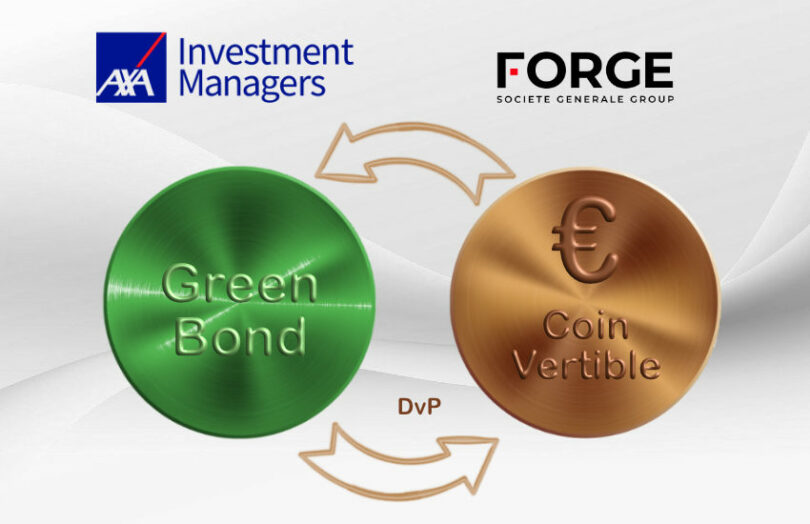
Societe Generale, one of Europe’s leading financial institutions, has launched a new stablecoin pegged to the US dollar on the Ethereum blockchain, marking a significant milestone as the first dollar-backed stablecoin issued by a traditional bank. The initiative, spearheaded by the bank’s digital asset subsidiary SG-Forge, aims to bridge the gap between conventional finance and the rapidly evolving world of decentralised finance .

The stablecoin, named USD CoinVertible , is designed to offer institutional clients a secure and regulated digital asset for on-chain transactions. SG-Forge has emphasised that USDCV will adhere to strict compliance standards, including Know Your Customer and Anti-Money Laundering protocols, ensuring its suitability for professional investors seeking exposure to digital assets within a regulated framework.

Jean-Marc Stenger, CEO of SG-Forge, stated that the launch of USDCV represents a pivotal step in the bank’s digital asset strategy. He highlighted the growing demand among institutional clients for stable and compliant digital assets that can facilitate efficient settlement and liquidity management on blockchain platforms.

The introduction of USDCV follows SG-Forge’s earlier venture into stablecoins with the euro-pegged EUR CoinVertible , which was initially deployed on the Ethereum blockchain. Despite its innovative approach, EURCV experienced limited adoption, prompting SG-Forge to expand its presence to other blockchain networks. In September 2024, the firm announced plans to deploy EURCV on the Solana network, citing the blockchain’s high throughput and low transaction costs as key factors for enhancing user experience and adoption.

Solana’s capabilities have attracted attention from various financial institutions seeking to leverage blockchain technology for digital asset issuance and management. SG-Forge’s decision to extend EURCV to Solana aligns with a broader industry trend of exploring scalable and cost-effective blockchain solutions to meet the demands of both retail and institutional users.

In addition to Solana, SG-Forge has expressed intentions to further expand its stablecoin offerings to other blockchain networks, including the XRP Ledger. This multi-chain strategy reflects the firm’s commitment to providing versatile and accessible digital asset solutions across diverse blockchain ecosystems.

The launch of USDCV positions Societe Generale as a pioneer among traditional banks venturing into the stablecoin market. While other financial institutions have explored digital asset initiatives, Societe Generale’s direct issuance of a dollar-pegged stablecoin on a public blockchain underscores its proactive approach to embracing digital innovation within a regulated framework.

As the stablecoin market continues to evolve, the entry of established financial entities like Societe Generale introduces a new dimension to the landscape. The bank’s emphasis on regulatory compliance and institutional-grade solutions may set a precedent for other traditional financial institutions considering similar ventures into the digital asset space.

The success of USDCV will likely depend on its adoption by institutional clients and its integration into existing financial infrastructures. SG-Forge’s ongoing efforts to enhance the utility and accessibility of its stablecoin offerings, including partnerships with market makers and listings on digital asset exchanges, will be critical in driving adoption and establishing a foothold in the competitive stablecoin market.

VISHNU RAJA
RYO YAMADA
HITORI GOTOH
IKUYO KITA