News related to
Bank

By Satyaki Chakraborty Vietnam has shown how a well calibrated trade diplomacy can be conducted in the year 2025 amidst the ongoing tariff war between the two biggest economic and military powers of the world USA and China. Both countries are having best trade relations with this South East Asian nation which is a sort […]

Finding the best bank for a savings account isn’t always as straightforward as it seems. Sure, most banks offer a place to park your money—but not all of them offer the same value, flexibility, or ease of use. For many of us, a savings account is more than just a vault—it’s the foundation for short-term plans, emergency funds, future goals, and peace of mind. With so many […]

The South African rand appreciated modestly on Tuesday, trading at 18.70 against the U.S. dollar by 06:36 GMT, marking a 0.3% gain from the previous day’s close. This movement came ahead of the South African Reserve Bank’s release of the composite leading business cycle indicator, a key metric that encompasses data on vehicle sales, business confidence, and money supply. Investors are closely monitoring this indicator for insights […]

WASHINGTON, DC and ULAANBAATAR, MONGOLIA – Media OutReach Newswire – 23 April 2025 – Delphos, a premier advisor in private emerging markets, proudly announces its role as the exclusive financial advisor for LendMN’s landmark $20 million USD debt financing. This strategic financial move marks the first significant milestone for a Mongolian fintech company, positioning LendMN and Mongolia on the international stage for fintech innovation and investment. Delphos […]

Matein Khalid Gold’s spectacular bull market since its mid-2022 bottom at 1600, amid the most brutal monetary tightening by the Fed since the Volcker era under JayPo (now branded as a “loco” and a “major loser” by President Trump) has climbed seminal macro walls of worry. A surge in the US Dollar Index to 110 in Jan’25 did not kill gold’s bull run nor did tough love […]

Promoting the Development and Heritance of Sports, Advocating the Spirit of “Fearless against Challenges and Pursuing Excellence” HONG KONG SAR – Media OutReach Newswire – 23 April 2025 – Hong Kong, geographically surrounded by the sea, is an ideal venue for water sports events, while sailing is being one of the most focused water sports events. This year, Hong Kong Life sponsors the local sailing team B.L.U. […]

Emirates Islamic Bank recorded a significant upswing in profitability in the first quarter of 2025, with net profits rising to AED 1 billion, marking a 23% year-on-year increase from AED 811 million in the corresponding period of 2024. The performance was driven by robust income from both funded and non-funded sources, underlining the bank’s strengthened position in the UAE’s competitive banking sector.

Earnings per share reached AED 0.18, up from AED 0.14 a year earlier. Total income for the quarter climbed to AED 1.7 billion, an 18% increase from the same period last year. This upturn in revenue stemmed from higher financing and investment income, as well as growth in fee and commission income, which points to a broader recovery in consumer and business activity.

The bank’s managing director and CEO, Salah Mohammed Amin, attributed the strong financial performance to disciplined cost management, enhanced digital adoption, and sustained growth across key segments. He also noted that the bank’s strategic alignment with Emirates NBD Group objectives, including digital transformation and innovation, continues to yield tangible results.

Operating profit rose by 20% year-on-year to AED 1.1 billion, while the cost-to-income ratio improved to 36%, reflecting operational efficiency. Provisioning for credit losses was AED 129 million, a figure that remains within manageable limits and signals prudent risk management amid ongoing macroeconomic fluctuations.

The bank’s asset base expanded to AED 92 billion, a 9% growth compared to the first quarter of 2024. Customer deposits increased by 5% to AED 70 billion, with current and savings account balances forming 78% of total deposits, indicating continued customer confidence and loyalty. Financing receivables stood at AED 51 billion, up 6% from the previous year, signalling strong demand for retail and corporate financing.

Islamic banking products across consumer, SME, and corporate segments registered healthy uptake, supported by product innovation and the bank’s expanding digital footprint. Emirates Islamic has also ramped up investments in technology infrastructure to improve service delivery and enhance customer engagement through mobile and online platforms.

Emirates Islamic’s focus on ethical finance and Shariah-compliant services has positioned it well within the UAE’s growing Islamic finance ecosystem. The country continues to be a major hub for Islamic banking, which is gaining traction both regionally and globally. The bank’s growth mirrors broader trends in the sector, where increasing customer preference for Shariah-compliant solutions and strong regulatory support are bolstering market expansion.

Emirates Islamic’s capital adequacy ratio stood at a comfortable 18.4%, well above regulatory requirements, ensuring resilience and capacity for future growth. Liquidity coverage ratio remained strong at 161%, reflecting a solid funding base and proactive balance sheet management.

The bank’s digital strategy remains a core pillar of its long-term growth plans. Over the past year, Emirates Islamic has launched multiple enhancements to its mobile banking app, introduced AI-driven features for personalised financial services, and partnered with fintech players to expand its service offerings. These efforts have not only improved customer experience but have also helped in capturing a younger, tech-savvy demographic.

As part of its sustainability agenda, the bank reported progress on green finance initiatives and continues to integrate environmental, social, and governance principles into its lending and operational frameworks. The bank also highlighted its support for SMEs and community initiatives as part of its broader commitment to social responsibility.

Looking ahead, Emirates Islamic anticipates continued positive momentum, supported by favourable economic conditions in the UAE, ongoing investment in innovation, and a resilient customer base. The leadership expects the bank to remain well-positioned to navigate emerging challenges while delivering strong returns.


Advertisements
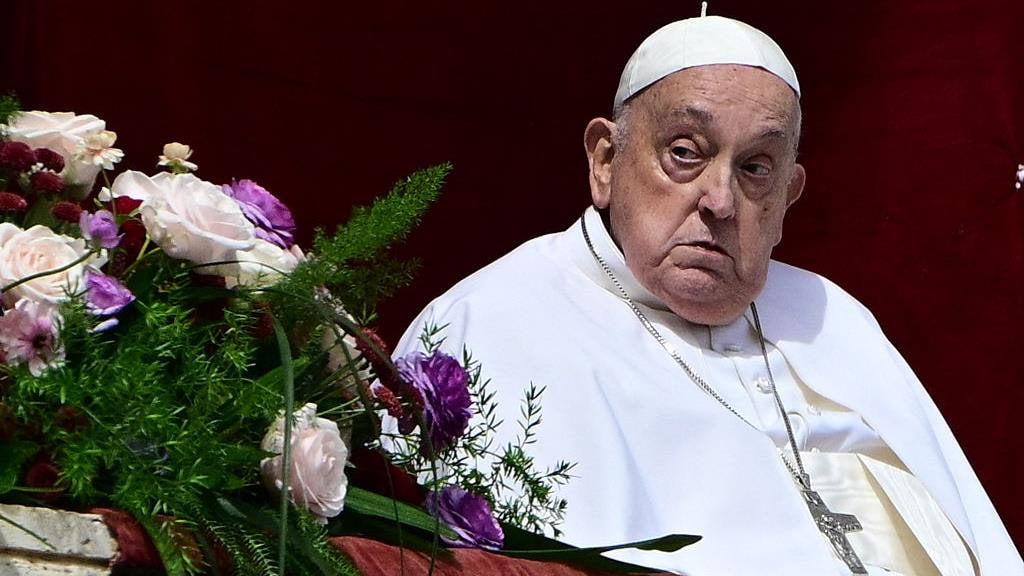
By Pablo Castaño ROME: There may come a time when we look back on the last decade as an anomaly in the modern history of the Catholic Church. Pope Francis — the figurehead of these years, and a radical by the standards of the Catholic hierarchy — is gone, and we are now likely to […]

Centralised finance lending has contracted sharply, with the total loan book falling to $11.2 billion by the end of 2024—a 68% decline from its 2022 peak of $34.8 billion. This downturn underscores the profound impact of regulatory tightening, shifting investor sentiment, and evolving risk management practices within the financial sector.

The dramatic reduction in CeFi lending is attributed to a confluence of factors. Regulatory authorities have implemented stringent measures to mitigate systemic risks, compelling financial institutions to reassess their exposure to high-risk lending. These measures have included increased capital requirements and enhanced scrutiny of lending practices, particularly concerning unsecured and high-yield loans.

Non-banking financial companies , often referred to as shadow banks, have been significantly affected. Loan growth among NBFCs moderated to 6.5% in the first half of fiscal year 2024–25, a notable decrease from previous periods. This deceleration is particularly evident among upper-layer NBFCs, which predominantly engage in retail lending. The Reserve Bank of India’s Financial Stability Report highlights that the growth of bank borrowings in NBFCs’ liabilities declined from 26% to 17%, indicating a shift in funding dynamics.

In response to these challenges, NBFCs are diversifying their funding sources. There has been a marked increase in the issuance of non-convertible debentures and a growing reliance on foreign currency borrowings. However, this shift introduces new risks, particularly related to currency fluctuations, which could affect the financial stability of these institutions.

The regulatory landscape has also prompted financial institutions to enhance their risk assessment frameworks. Banks are increasingly evaluating the carbon footprint of their loan portfolios, aligning with global environmental, social, and governance standards. This trend reflects a broader commitment to sustainable lending practices and a recognition of the long-term risks associated with climate change.

Oil prices experienced a significant decline of over 2% on Monday, with Brent crude falling to $66.81 per barrel and West Texas Intermediate dropping to $63.58. This downturn is attributed to progress in US-Iran nuclear negotiations and escalating concerns over the impact of US tariff policies on global demand. The potential easing of sanctions on Iran could reintroduce over a million barrels per day of crude into the market, intensifying supply pressures.

The decline in oil prices poses a substantial challenge to Gulf economies, particularly those heavily reliant on hydrocarbon revenues. S&P Global Market Intelligence has indicated that Oman, Bahrain, and Iraq are at heightened risk of financing pressures if the current price trends persist. These nations, already contending with fiscal deficits and limited sovereign reserves, may face increased borrowing costs and potential credit downgrades.

Conversely, the United Arab Emirates and Qatar are better positioned to withstand prolonged periods of lower oil prices. Their diversified economies and substantial sovereign wealth funds provide a buffer against market volatility. However, even these nations are not immune to the broader economic implications of sustained low oil prices.

The broader financial markets have also reacted to these developments. Major Gulf stock indices experienced declines, with Saudi Arabia’s TASI index falling by 0.7% and Qatar’s index decreasing by 0.3%. These market movements reflect investor apprehension regarding the stability of oil-dependent economies in the face of fluctuating energy prices.

Adding to the complexity is the political climate in the United States. President Donald Trump’s renewed criticism of Federal Reserve Chair Jerome Powell has raised concerns about the central bank’s independence. This political interference is contributing to market uncertainty and could have implications for global economic stability.

The potential for a US recession further exacerbates concerns. Analysts warn that the combination of tariff policies and political instability could dampen economic growth, leading to decreased demand for oil. This scenario would place additional strain on oil-exporting nations, particularly those with less diversified economies.

KUALA LUMPUR, MALAYSIA – Media OutReach Newswire – 22 April 2025 – AFFIN Group (“AFFIN” or “the Group”) is celebrating its 50th anniversary with the launch of the “AFFIN 50 Years, 50 Prizes” Golden Jubilee Campaign, a year-long celebration rewarding customers with exclusive prizes, strengthening financial literacy, and empowering Malaysians on their financial journey. Running from 1 March 2025 to 31 January 2026, this milestone campaign features […]

Matein Kalid Only the poetic genius of an Irishman can do justice to the epic Big Boy sumo wrestling match in history – between Shogun Trump and Sensei Powell-san as panic spreads at the speed of light across the digital arteries of the global banking village. W.B. Yeats’s immortal versus echo in my brain – things fall apart, the center can​not hold, mere anar​chy is loosed upon […]

Oil prices surged over 3% on Thursday, marking the first weekly gain in three weeks. Brent crude futures settled at $67.96 per barrel, while West Texas Intermediate closed at $64.68 per barrel. The uptick was driven by renewed optimism over a potential trade agreement between the United States and the European Union, coupled with the imposition of new sanctions targeting Iran’s oil exports. The prospect of a […]

Libya’s Central Bank has enacted a 13.3% devaluation of the national currency, setting the official exchange rate at 5.5677 dinars per US dollar. This marks the first such adjustment since 2020, as the country grapples with escalating economic instability and a widening gap between official and black-market rates, which have reached 7.20 dinars per dollar. The devaluation underscores the deepening fiscal crisis in Libya, where rival administrations […]

Sobha Realty and Omniyat are exploring dollar-denominated sukuk issuances to bolster their financial strategies in Dubai’s evolving real estate landscape. Sobha Realty, a prominent luxury developer, has already made significant strides by issuing a $300 million sukuk in July 2023, which was later expanded by an additional $230 million in September 2024, bringing the total to $500 million. This sukuk, notable for its inclusion of a call […]

KUALA LUMPUR, MALAYSIA – Media OutReach Newswire – 18 April 2025 – Central Bank Digital Currencies (CBDCs) have moved from being merely theoretical concepts to a stage when dozens of countries throughout the world are actively testing them in various pilot schemes. Designed as a government-backed digital version of fiat money, CBDCs combine the trust of centralised monetary systems with the flexibility of digital payments. Unlike cryptocurrencies, […]

Mashreqbank has successfully priced a $500 million Additional Tier 1 bond, marking its return to the debt capital markets after a two-year hiatus. The bond, offering a 7.125% annual coupon, achieved significant investor interest, with the order book peaking at $2.3 billion, representing a 4.4 times oversubscription. The issuance stands out as the first bank capital transaction from the UAE’s financial institutions group in 2024. Initial price […]

Oil prices have plummeted to a four-year low, posing significant challenges for Saudi Arabia’s budget, which heavily relies on oil revenues to fund its extensive economic transformation initiatives. The decline is attributed to a combination of factors, including increased oil output from OPEC+ members and escalating trade tensions between the United States and China. Brent crude, the benchmark for Middle Eastern oil, has experienced a drop of […]

Matein Khalid Thank God my macro instinct flashed a “get out” SOS in late February and I dumped King Dollar for Bonnie King Charlie’s British pound before New Year late last year and thus averted fate worse than death/Matty miskeen. My macro guardian angel now whispers a few subliminal ideas. One, Chinese factories shed 20 million workers last week and hiring is down 30%. So the youth […]

Gold prices in Dubai have surged to unprecedented levels, with 24-karat gold breaching the Dh400 per gram mark for the first time, while 22-karat gold has climbed to Dh372.5 per gram. This significant uptick reflects a broader global trend, driven by escalating geopolitical tensions, central bank acquisitions, and concerns over U.S. fiscal policies.

The global spot price of gold has experienced a notable increase, currently trading around $3,024 per ounce. This marks a gain of over 15% since the beginning of the year, propelled by economic and geopolitical uncertainties. Bank of America has adjusted its gold price forecasts accordingly, now projecting an average of $3,063 per ounce for 2025 and $3,350 for 2026, up from previous estimates of $2,750 and $2,625 respectively. The bank also suggests that increased investment demand could push prices to $3,500 within two years.

In the United Arab Emirates, the surge in gold prices has been particularly pronounced. The Dubai Jewellery Group reported that 24K gold reached Dh400 per gram, while 22K gold rose to Dh372.5 per gram. This trend is consistent with the global market, where gold has been rallying due to its status as a safe-haven asset amidst economic instability.

Analysts attribute the surge to several factors. The ongoing trade policies of the U.S., particularly under President Donald Trump’s administration, have introduced significant uncertainty into global markets. The imposition of tariffs and the potential for reciprocal measures have heightened investor anxiety, leading to increased demand for gold.

Central banks have also played a pivotal role in the gold market’s dynamics. Currently, they hold about 10% of their reserves in gold, but there is potential for this figure to rise beyond 30%, offering additional support to prices. The anticipation of increased central bank purchases is contributing to bullish sentiment in the market.

In the Middle East, geopolitical tensions have further fueled the demand for gold. The region’s instability has historically led investors to seek refuge in precious metals, and the current climate is no exception. The combination of regional conflicts and global economic concerns has created a perfect storm for gold prices to soar.

Retailers in Dubai are witnessing the impact of these price movements firsthand. The surge in gold prices has led to a shift in consumer behavior, with many opting for lighter jewelry pieces or alternative investments. Despite the higher costs, demand remains robust, underscoring gold’s enduring appeal as a store of value.

Russia’s Finance Ministry has proposed the development of domestically issued stablecoins pegged to non-dollar currencies, following the freezing of Russia-linked digital wallets holding over 2.5 billion roubles in USDT by Tether. Osman Kabaloev, Deputy Head of the Ministry’s Financial Policy Department, stated that the incident underscores the need for internal tools similar to USDT, potentially pegged to other currencies.

The move comes after the European Union imposed sanctions on the Russian crypto exchange Garantex, leading to the suspension of operations involving USDT. The Finance Ministry’s proposal aims to establish sovereign financial tools to circumvent global financial restrictions and reduce reliance on Western-dominated financial systems.

Despite the Finance Ministry’s push, the Bank of Russia remains opposed to the use of cryptocurrencies in domestic transactions. However, Russian firms are participating in experimental international crypto payments, especially as conventional cross-border payments become more challenging under Western sanctions.

The proposal aligns with Russia’s broader strategy to establish a stablecoin settlement platform with “friendly” nations, avoiding the use of U.S. dollars and euros. Deputy Finance Minister Alexey Moiseev has indicated that the government is working with countries such as China and Belarus to create platforms using tokenized instruments pegged to recognized assets like gold.

This initiative is part of a larger effort by BRICS nations to develop a single payment system and make settlements in a unified cryptocurrency. The BRICS Pay platform aims to link national payment systems of member countries, facilitating digital wallet transactions and reducing dependence on the U.S. dollar.

The Central Bank of Russia, however, has expressed skepticism about private stablecoins, citing high risks and lack of guaranteed redemption at nominal value. The Bank prefers the development of a digital ruble, which combines the advantages of digital payments with the reliability of national currency.

Every investor, whether novice or seasoned, faces the timeless question: “Is now a good time to buy stocks?” The answer is rarely straightforward. It depends on a range of factors—macroeconomic trends, market valuations, investor sentiment, and personal financial goals. Today’s market environment, marked by uncertainty, mixed signals, and rapid shifts in momentum, makes this question more relevant—and more complicated—than ever. To evaluate whether it’s a good time […]

Local governments across China have turned to private companies to offload seized cryptocurrency assets in offshore markets, a move that has sparked concern amid the nation’s ongoing ban on crypto trading. These actions come as part of an effort to generate revenue during an economic slowdown, with figures showing the sale of approximately 15,000 BTC . Reports suggest that around 194,000 BTC are still held within the […]

HONG KONG SAR – Media OutReach Newswire – 16 April 2025 – Zero Fintech Group Limited (“Zero Fintech” or the “Company”, stock code: 0093.HK), a leading fintech innovator, is proud to announce its stellar financial performance for the year ended 31 December 2024, showcasing remarkable growth driven by strategic execution and advanced risk management. 2024 Financial Highlights: Revenue: HK$261.8 million – a 33% increase YoY, driven by […]

VISHNU RAJA
RYO YAMADA
HITORI GOTOH
IKUYO KITA