News related to
Bank

HITEK AI, a leading provider of AI-driven solutions based in the Middle East, has launched a cutting-edge ‘Robot-as-a-Service’ initiative in partnership with SoftBank Robotics UK. The collaboration combines SoftBank Robotics’ state-of-the-art robotic cleaning technologies with HITEK AI’s smart facilities management platform, offering a fully integrated solution designed to streamline operations in commercial and residential settings. The new offering aims to enhance the efficiency of cleaning operations by […]

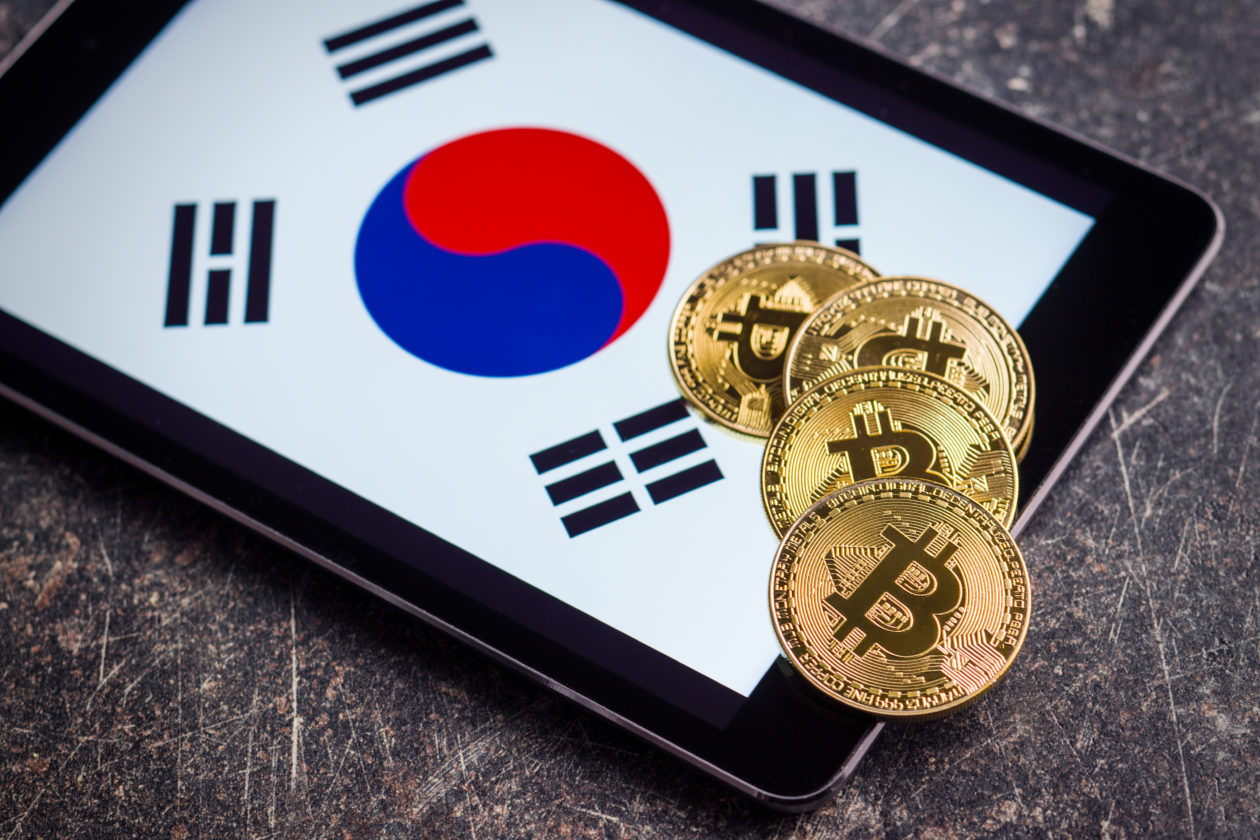
North Korea’s illicit cryptocurrency operations are set to increase dramatically as the country continues to exploit weak regulatory environments and strengthen ties with financially motivated entities across the globe. These operations are increasingly seen as a source of revenue for the regime, particularly as international sanctions continue to cripple the nation’s economy.

Recent investigations have uncovered evidence suggesting that North Korea is employing sophisticated hacking groups to siphon off cryptocurrency from exchanges worldwide. These operations, often carried out through malware and phishing schemes, have become a primary tool for funding the state’s missile and nuclear programmes. The role of cryptocurrency in North Korea’s criminal operations is expected to grow significantly as global demand for digital currencies rises and regulatory frameworks remain fragmented.

The actions of North Korean hackers are not isolated incidents but part of a systematic effort to launder stolen funds through a network of virtual currency exchanges. Many of these exchanges, particularly those based in countries with lax regulations, either knowingly or unknowingly facilitate these criminal activities. Some of the exchanges have been linked to regions in Russia and other parts of Eastern Europe, where crypto regulations are either weak or non-existent. These exchanges have financial incentives to turn a blind eye to illicit transactions, benefiting from the substantial fees charged on cryptocurrency trades.

Even though North Korea’s cyberattack capabilities are well-documented, there is growing concern among cybersecurity experts that cryptocurrency exchanges in developing countries lack the resources and governance structures needed to prevent exploitation. Without sufficient regulatory oversight, these exchanges become prime targets for criminal actors seeking to launder or move stolen cryptocurrency across borders.

The rise of decentralized finance platforms has made this task even easier. DeFi operates on blockchain technology, allowing users to trade cryptocurrencies without the need for traditional intermediaries, such as banks or financial institutions. While this has many legitimate uses, it also opens a pathway for cybercriminals to move stolen funds anonymously. This environment of financial opacity has become a crucial part of North Korea’s ability to evade international scrutiny.

As North Korea adapts to this new financial reality, reports indicate that the country’s leaders are fostering closer relationships with other rogue states and criminal syndicates that are equally interested in using digital currencies to bypass international sanctions. In some cases, these connections are said to involve joint ventures in mining or the laundering of illicit cryptocurrency.

It is not just exchanges that are under scrutiny. Many nations continue to struggle with implementing effective anti-money laundering and know-your-customer regulations, which would require crypto platforms to identify their users and track large transactions. Some countries have made strides in tightening their regulations, but enforcement remains patchy, and criminals continue to exploit these regulatory loopholes.

Even nations with more robust cryptocurrency regulations have found it difficult to keep up with the speed of innovation in the sector. A significant challenge is the fast-evolving nature of blockchain technology, which has given rise to a myriad of platforms and exchanges that operate outside the scope of traditional financial systems. Some experts argue that the global financial system is not adequately prepared to deal with these challenges, particularly when it comes to cybercrime linked to North Korea.

In response to these growing concerns, international coalitions are increasing efforts to combat cryptocurrency crime. This has included greater cooperation among cybersecurity agencies, such as the FBI and Interpol, to track the movements of illicit cryptocurrency. Despite these efforts, the decentralized nature of digital currencies makes it difficult for authorities to trace and seize assets linked to North Korea’s operations.

A milestone moment reinforcing ONYX Hospitality Group’s leadership in regional hospitality excellence VIENTIANE, LAOS – Media OutReach Newswire – 6 August 2025 – ONYX Hospitality Group, a leading hospitality management company in Southeast Asia specialising in hotels, resorts, serviced apartments, and luxury residences, is pleased to announce that Amari Vientiane has been recognised with four prestigious accolades at the Haute Grandeur Global Awards 2025, underscoring the hotel’s […]

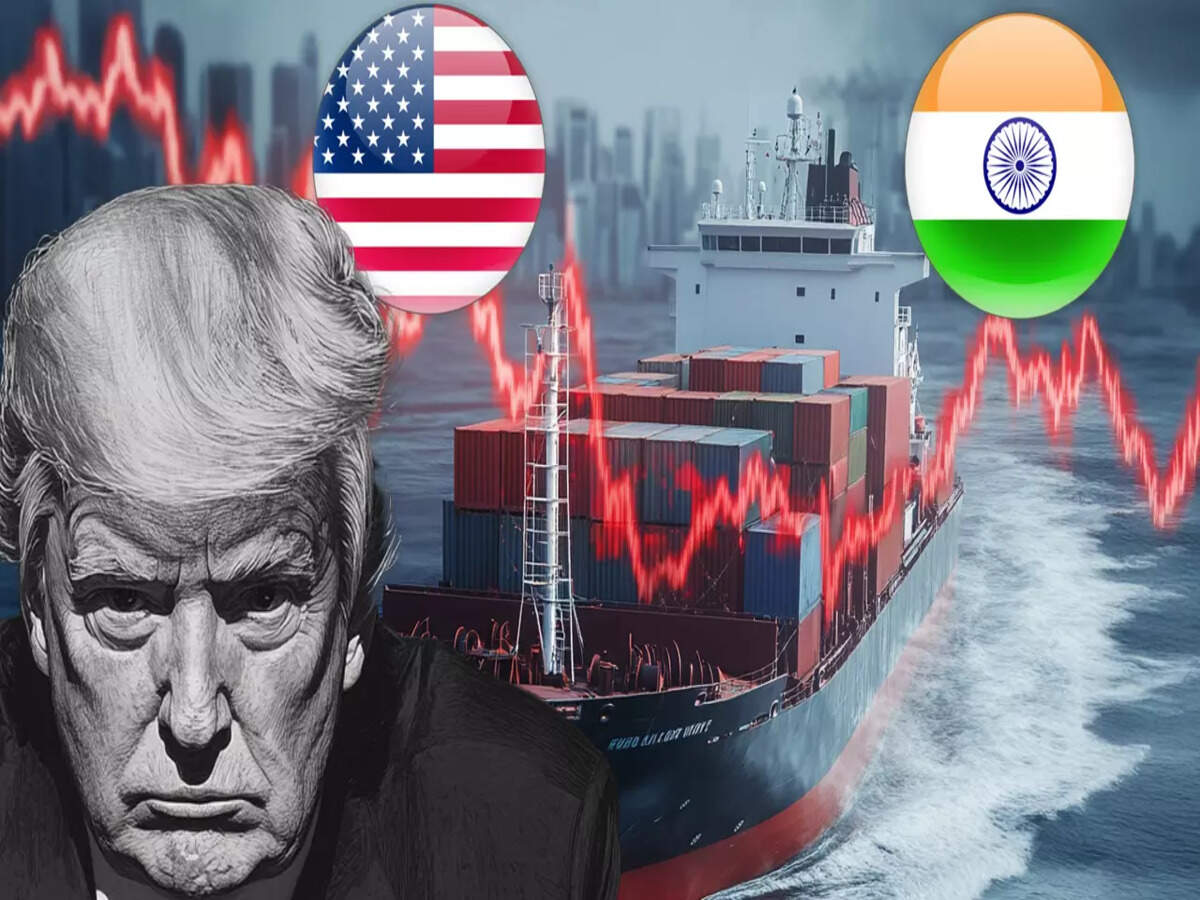
The Indian real estate market is under increasing pressure, with housing sales plummeting by 20% in major metropolitan areas. Data from ANAROCK reveals that only 96,285 homes were sold in Q2 2025, a sharp decline from 120,335 sales recorded in the same period the previous year. The downturn highlights a growing sense of buyer hesitancy, fuelled by external factors like tariffs imposed by the Trump administration, which have disrupted market stability.

A significant driver of the decline is the mounting uncertainty surrounding global trade dynamics, particularly the new 25% tariffs on key imports. These tariffs are expected to have a ripple effect on several sectors, including real estate, with the affordable housing market feeling the brunt. The tariffs impact micro, small, and medium enterprises —a key demographic for the affordable housing segment—further limiting purchasing power in this sector.

The sharp drop in home sales comes amid skyrocketing property prices. According to ANAROCK, the average price of residential properties in the seven largest Indian cities has increased by 39% over the past two years. Prices jumped from INR 6,470 per square foot in Q2 2023 to INR 8,990 per square foot in Q2 2025. The rapid price surge is another contributing factor to the decline in transactions, as many potential homebuyers are now priced out of the market, especially in the affordable housing sector.

Amid this turbulence, the Reserve Bank of India has opted to maintain its current repo rate at 5.5%, a move that has been closely scrutinised by both the real estate and finance sectors. Analysts had speculated that a rate cut could help rejuvenate the housing market by lowering mortgage rates, especially for those looking to buy within the affordable segment. However, the RBI has opted for caution, mindful of the ongoing global trade tensions and the potential ripple effects on the Indian economy.

Despite the market challenges, there is still hope that long-term confidence in the Indian real estate sector may prevent further deterioration. While short-term factors like interest rates and tariffs play a critical role, a segment of buyers continues to prioritise long-term investment in property. Experts suggest that the market may see a resurgence, particularly if developers introduce more flexible payment schemes and attractive offers during the upcoming festive season. These strategies could help ease affordability concerns and stimulate demand, especially in an environment where many buyers are seeking stability rather than short-term savings.

For developers, the key to weathering the current storm lies in balancing price sensitivity with buyer confidence. Offering more affordable housing options, particularly in emerging suburbs and tier-2 cities, may provide a strategic path forward. As large-scale developers attempt to retain buyer interest, creative financing options, including extended payment plans and discounts, could be key in sustaining sales. However, the central government and the RBI’s policy decisions in the coming months will remain critical to shaping the trajectory of the sector.

Loan growth among the largest banks in the Gulf Cooperation Council region surged in the second quarter of 2025, driven by a combination of lowered interest rates and an optimistic economic outlook. Saudi Arabia’s Al Rajhi Banking & Investment Corp. posted the most significant growth, outpacing its competitors with a 19.31 per cent year-on-year rise, compared to 7.37 per cent in the previous year. This marked acceleration […]

Matein Khalid There are two gems in global finance that I believe can make serious money if purchased at the right price this autumn. Their high beta means a 16% hit if the S&P has the 10% index correction that Morgan Stanley projects. The best thing at TPG for me is CEO Jon Winkelried, who I first met in Goldman Sachs’ cathedral of money at Peterborough Court […]

Asynchronous communication has become a cornerstone of modern technology, enabling smoother, more efficient workflows, especially in distributed systems. Yet beneath the surface, these systems often mask their true nature—operating asynchronously while presenting themselves as synchronous. This approach has led to profound shifts in how industries, from software development to finance, manage complex tasks and interactions, with significant implications for both user experience and system architecture. While the […]

Advertisements

Proton has unveiled a new two-factor authentication app, which positions itself as a robust alternative to Microsoft Authenticator. As security concerns around digital identities grow, Proton’s offering enters a competitive field, aiming to provide an enhanced user experience while addressing key issues in account protection. The app, designed by the Swiss company behind Proton Mail, integrates advanced security measures to protect sensitive user data from threats. Unlike […]

Shiga Digital, a rapidly expanding blockchain-based fintech company, is reshaping financial access for African businesses with its newly launched mobile applications. Available on both Android and iOS, the platform provides businesses and individuals across the continent with seamless access to a suite of digital finance tools, including stablecoin payments, cross-border transactions, and secure digital asset management. This move marks a significant step forward in the company’s mission […]

Dubai’s tourism sector has shown impressive growth, with 9.88 million international visitors recorded in the first half of 2025, a significant achievement that underscores the city’s growing prominence on the global tourism map. Crown Prince Sheikh Hamdan bin Mohammed highlighted this milestone, attributing the success to the leadership and vision of Vice President and Ruler of Dubai, Sheikh Mohammed bin Rashid.

This surge in visitor numbers aligns with the ambitions outlined in the Dubai Economic Agenda D33, a strategic plan aiming to position the emirate among the world’s top three tourism destinations. Under this agenda, Dubai seeks to expand its appeal, diversify its tourism offerings, and enhance its global standing, with a clear goal of fostering sustained growth in the sector. The half-year figures reflect strong international interest and robust demand for Dubai’s varied tourism attractions, spanning luxury shopping, iconic architecture, and cultural experiences.

The Dubai government’s commitment to the tourism sector has been evident in a series of high-profile initiatives and investments designed to enhance the city’s appeal. From the development of world-class infrastructure to hosting global events such as Expo 2020 and numerous international conferences, Dubai has positioned itself as a key player in the competitive global tourism market. The city’s tourism recovery, which began after the pandemic, has been swift, drawing millions from across the globe, particularly from Asia, Europe, and the Middle East.

A significant driver of Dubai’s tourism growth is its extensive air connectivity, facilitated by Dubai International Airport, one of the busiest airports in the world. DXB has consistently served as a global hub for international travel, with Emirates airline offering seamless connections to key markets. The airport’s strategic location and connectivity have been instrumental in attracting a steady flow of travellers, particularly from Europe and Asia, who increasingly view Dubai as a prime destination for both business and leisure.

Dubai’s luxury sector, including five-star hotels and upscale shopping malls, has continued to thrive, attracting affluent tourists seeking high-end experiences. The city’s offerings have evolved, with a growing emphasis on experiential travel, which includes culinary tourism, wellness retreats, and adventure tourism. The government’s continued investment in cultural infrastructure, including the Louvre Abu Dhabi and Museum of the Future, enhances Dubai’s appeal to cultural tourists, complementing its already robust retail and entertainment scenes.

Dubai’s rise in the global tourism ranks is not merely the result of external factors, but the active cultivation of a highly attractive destination. The city is known for its safety, cleanliness, and well-organised tourism offerings, with services ranging from luxury experiences to budget-friendly options catering to diverse traveller needs. As tourism numbers continue to rise, Dubai is expected to further strengthen its position as a hub for international events, exhibitions, and conferences.

In line with its long-term goals, Dubai has introduced several initiatives aimed at increasing tourism numbers, such as the Dubai Tourism Strategy 2025, which includes a broader approach to tourism marketing. The strategy focuses on creating innovative marketing campaigns, expanding the city’s digital presence, and engaging with emerging travel trends such as eco-tourism and sustainable travel.

The city’s strategic location, combining Eastern and Western influences, has further cemented Dubai’s appeal as a cultural melting pot, drawing people from all corners of the world. Notable growth has been observed from markets in Asia, particularly China and India, with Dubai becoming an increasingly important destination for affluent travellers looking for luxury, leisure, and business opportunities in a safe and accessible environment.

Dubai’s status as a global financial and business centre has also contributed to the rise in international visits, particularly among business executives and entrepreneurs attending conferences and exhibitions. The emirate’s commitment to enhancing its business tourism infrastructure, including the expansion of its conference venues and the hosting of high-profile business events, is expected to contribute further to the sector’s growth.


Driving Two Key Agendas to Strengthen Global Competitiveness BANGKOK, THAILAND – Media OutReach Newswire – 4 August 2025 – SCG organized the ESG Symposium 2025 under the concept “GREEN BREAKTHROUGH AMID THE PERFECT STORM” at SCG Headquarters, Bangkok. The event drew over 300 participants comprising key stakeholders driving Green Transition from government, private sector, civil society, and world-class experts who gathered to brainstorm and advance crucial collaboration […]

eToro, the globally recognised trading platform, revealed plans to introduce tokenized US stocks and exchange-traded funds on Ethereum. This announcement, made during a global webinar titled ‘eToro Unlocked: Trade Without Boundaries’, marks a significant development in the integration of traditional financial assets with blockchain technology.

The initiative aims to bridge the gap between conventional finance and the burgeoning world of decentralised finance. By utilising Ethereum’s blockchain, eToro will allow users to trade tokenized versions of US stocks and ETFs. This move follows the growing trend of decentralised financial products that provide greater accessibility and transparency to global markets. The tokenisation of these assets is expected to enable fractional ownership, meaning investors can hold and trade portions of stocks and ETFs without the need for a large capital outlay.

This shift is in line with a wider industry push towards blockchain adoption. Major financial institutions, including banks and asset managers, have explored tokenisation as a way to simplify processes, reduce costs, and make trading more efficient. By offering these products on a platform like eToro, which boasts millions of active users, the company is positioning itself as a key player in the digital asset space.

As of now, traditional trading platforms have been somewhat slow to incorporate blockchain technologies, particularly when it comes to mainstream products like equities and ETFs. However, tokenisation is rapidly gaining traction, with the promise of faster transactions, lower fees, and enhanced security. Ethereum, due to its widespread use and robust smart contract capabilities, has emerged as a leading blockchain for such innovations.

The rollout of tokenized US stocks and ETFs will occur in phases. Initially, a select group of eToro users will be given early access to these digital assets, with the plan for a broader launch depending on regulatory approval and market demand. Despite the novelty of tokenised equities, the platform’s offering will be fully compliant with the relevant financial regulations, ensuring that users can trade with confidence.

eToro’s move to embrace Ethereum-based tokenisation comes at a time when other financial services firms are also investigating blockchain’s potential in transforming asset management. For instance, firms like Fidelity and Grayscale have pioneered offerings that allow traditional investment in cryptocurrency, while companies such as JP Morgan and Goldman Sachs have been integrating blockchain technologies into their existing infrastructure.

However, it remains to be seen whether tokenised assets can truly revolutionise the way investors interact with traditional financial products. While blockchain technology offers numerous advantages, including faster settlement times and reduced friction in cross-border trading, the challenge lies in widespread adoption. Regulatory hurdles and market acceptance will play key roles in determining whether tokenisation becomes mainstream or remains a niche offering.

Nonetheless, the trend is gaining momentum. Tokenisation is seen as a way to democratise access to high-value assets that were previously reserved for wealthier investors or institutions. By breaking down these assets into smaller, more affordable fractions, eToro aims to give a wider audience the opportunity to diversify their portfolios, gain exposure to US stocks and ETFs, and participate in a global marketplace.

As eToro has expanded its offerings in recent years, it has positioned itself as a platform that seeks to empower users by providing more trading options and access to a range of global financial products. This tokenisation project is part of eToro’s broader vision of a more open and inclusive financial ecosystem, where geographical and financial barriers are diminished through technological advancements.

By Dr. Nilanjan Banik Before the August 1 deadline, the U.S. President Donald Trump decided to impose a 25% tariff on Indian exports. He also talked about an additional penalty on Indian exports, which could go up to100% as a surcharge, targeting countries that continue trading oil with Russia. Trump seems to care less about […]

Gulf nations now account for over half of global environmental, social, and governance sukuk issuances in the first half of 2025, underscoring their growing leadership in sustainable Islamic finance. Sukuk linked to ESG objectives saw a 12 per cent rise to approximately $50 billion outstanding globally in H1 2025, with Gulf Cooperation Council countries contributing the majority of this volume. Saudi Arabia and the UAE emerged as principal issuers, driving […]

Casablanca, Morocco— Al Tamimi & Company, the leading full-service legal firm in the Middle East, is pleased to announce the addition of Omar Zizi as Partner in Casablanca, marking a significant step in the firm’s renewed presence in Morocco. This strategic combination reflects the firm’s ongoing commitment to delivering top-tier legal services across North Africa. Omar’s appointment, along with his team, enhances Al Tamimi & Company’s regional […]

Factory activity in China showed unexpected signs of contraction in July, signalling deeper challenges for the world’s second-largest economy. This downturn comes despite a partial thaw in trade tensions with the US, with early data indicating a slowdown in exports and continued weakness in domestic demand.

The Purchasing Managers’ Index for July, a key indicator of factory activity, dropped below expectations, highlighting a downturn in production and new orders. Official data indicated that the PMI for manufacturing fell to 49.3, dipping below the critical 50-point mark that separates expansion from contraction. This marks a stark contrast to the optimism that initially followed trade negotiations between the US and China.

The Chinese economy has been grappling with several systemic issues, including ongoing structural imbalances and shifts in consumer behaviour. Economic experts attribute the stagnation in factory activity not only to the global economic uncertainty but also to persistent domestic challenges. While the export sector has been a critical driver of China’s growth in the past decades, the country’s trade surplus has been narrowing as demand for its goods slows down in key markets like the US and Europe.

China’s trade relationship with the US, although stabilised, still faces a challenging landscape. A shift in global trade patterns, exacerbated by geopolitical tensions and the lingering effects of the pandemic, has taken a toll on China’s manufacturing sector. Exports of major products such as electronics and textiles have begun to show signs of slowing, even as Beijing has attempted to bolster its trade position through policy adjustments.

Compounding the issue, domestic demand has failed to pick up the slack. Despite various government efforts to stimulate spending, consumer confidence remains low, particularly in sectors like retail and real estate. The country’s efforts to transition from an export-driven economy to one more reliant on domestic consumption have yet to show significant results, and the reliance on government spending for growth is becoming increasingly evident.

The weakness in the manufacturing sector is linked to a sharp decline in the production of industrial goods, which has directly impacted job creation. Although the government has taken steps to mitigate the effects of unemployment by investing in infrastructure and green technologies, these efforts have yet to yield the desired economic recovery in the short term.

Economists are increasingly concerned that without more comprehensive structural reforms, China may continue to face these economic headwinds. Some analysts suggest that more aggressive monetary policies or fiscal stimulus could be required to stabilise the economy. The People’s Bank of China has already hinted at such moves, potentially lowering interest rates further to spur investment and consumer spending.

However, the global economic context remains challenging. Countries that traditionally rely on Chinese exports are also facing downturns, which could further dampen demand. Additionally, as global inflation continues to impact the purchasing power of consumers worldwide, the potential for China’s manufacturing recovery to take hold seems uncertain.

Gold retailer Joyalukkas has secured a significant financing deal with Emirates NBD, confirming a revolving credit facility of 500 million UAE dirhams. The facility will aid Joyalukkas in accelerating its expansion strategy across key international markets, which include the GCC, UK, US, Canada, and Australia. The partnership between Joyalukkas and Emirates NBD is designed to support the retailer’s ambitions by ensuring smooth operational liquidity, particularly during high-demand […]

The Central Bank of the UAE has taken decisive action by suspending the motor insurance operations of a foreign insurer’s local branch. This decision, made under Articles and of Federal Decree Law No. of 2023, is aimed at enforcing compliance with regulatory standards in the UAE’s insurance sector.

The suspension stems from the insurer’s failure to meet the solvency and guarantee requirements stipulated by the UAE’s regulations, a breach that has significant implications for the company’s operations within the country. The CBUAE confirmed that while the insurer’s ability to conduct new business has been halted, it remains liable for all existing insurance contracts and their associated rights and obligations.

The UAE’s regulatory framework for insurance companies, introduced under Federal Decree Law No., is designed to ensure financial stability, consumer protection, and sector transparency. By enforcing stringent solvency and guarantee conditions, the CBUAE aims to maintain the integrity of the local insurance market and safeguard the broader financial ecosystem.

The suspended insurer, a foreign entity operating within the UAE, has been under scrutiny for some time due to concerns about its financial solvency. This regulatory action highlights the central bank’s commitment to enforcing the highest standards of compliance in line with national financial stability goals.

The UAE insurance market, which is one of the most developed in the Gulf region, has seen increased oversight from the CBUAE as part of a broader effort to ensure that insurers adhere to strict regulatory standards. This includes robust checks on financial reserves, consumer protection protocols, and transparent business practices. The CBUAE’s regulatory framework is designed to protect both policyholders and the financial system by ensuring that insurance companies have the necessary capital and guarantees to meet their obligations.

While the suspension affects the foreign insurer’s ability to offer new motor insurance policies, the regulator’s actions ensure that the firm will continue to uphold its responsibilities to policyholders who have existing contracts. This decision underscores the CBUAE’s commitment to protecting the rights of consumers and ensuring the financial health of the insurance sector.

The UAE’s insurance industry has been growing steadily over the past decade, with both domestic and international players seeking to capitalise on the expanding market. As a result, the CBUAE has increasingly focused on ensuring that insurers maintain financial solvency and provide adequate coverage to their customers. The central bank’s intervention in this case is part of a broader regulatory strategy to reinforce these standards across the sector.

The foreign insurer affected by this suspension has not made any public statement regarding the situation, and it is unclear how the suspension will impact its broader operations in the UAE. However, analysts suggest that the company may face significant challenges in regaining its ability to operate in the motor insurance market, given the stringent solvency and guarantee requirements that led to the suspension.

The suspension also highlights the growing regulatory scrutiny within the UAE’s financial sectors, where the central bank is increasingly taking proactive measures to ensure that companies adhere to the highest standards. The UAE government has placed a high priority on maintaining a stable financial ecosystem, with regulations designed to support transparency, consumer protection, and overall market stability.

Looking ahead, it is likely that the CBUAE will continue to monitor the financial health of all insurers operating in the country, ensuring that they meet the required solvency standards and operate in line with the national financial framework. The central bank has indicated that it will not hesitate to take similar actions if other companies fail to comply with the law.

MoneyGram, a global leader in digital payments, has announced the resumption of its money transfer services through a newly reinvigorated partnership with Bank AlJazira, one of Saudi Arabia’s prominent banking institutions. This move marks a significant step in advancing the Kingdom’s financial landscape, offering seamless physical and digital cross-border money movement solutions across the country.

The collaboration will allow MoneyGram to leverage Bank AlJazira’s expansive network of physical locations, ensuring that customers in Saudi Arabia can send and receive funds swiftly and securely. It also highlights the growing importance of digital channels in a nation increasingly shifting toward a more digitally integrated economy. The resumption of these services comes at a crucial time, with Saudi Arabia’s Vision 2030 blueprint pushing for greater financial inclusion and a more robust digital ecosystem.

MoneyGram has long been a key player in the cross-border payments industry, with its services spanning more than 200 countries and territories. In Saudi Arabia, the company is now positioned to meet the demands of an expanding customer base that increasingly seeks more accessible, secure, and instantaneous ways to transfer funds internationally.

The partnership with Bank AlJazira, a major player in Saudi’s banking sector, offers a wide-reaching solution for those in the Kingdom who rely on international money transfers for both personal and business purposes. Saudi Arabia has long been one of the largest remittance markets globally, with millions of people relying on money transfer services to send funds to family members overseas.

Saudi Arabia’s vision to become a global financial hub in the region has paved the way for international financial institutions to enter the market, forming partnerships to enhance the ease of conducting international transactions. The latest collaboration between MoneyGram and Bank AlJazira exemplifies this trend, aligning with the Kingdom’s ongoing push to modernise financial infrastructure, streamline cross-border payments, and ensure broader access to digital services.

The financial ecosystem in Saudi Arabia is rapidly evolving. The country’s push for digital transformation is supported by extensive government initiatives, including the Saudi Payments Company and the Financial Sector Development Programme. These initiatives aim to facilitate a more secure, transparent, and inclusive financial landscape. As part of this ongoing transformation, the re-establishment of MoneyGram’s services through a leading bank like AlJazira offers not only more efficient payment processing but also greater accessibility to the broader public.

MoneyGram’s digital capabilities will complement Bank AlJazira’s offerings, ensuring that both physical and digital touchpoints are well-integrated for consumers who demand flexibility in their money transfers. This move also benefits both businesses and individuals, particularly those who may prefer using mobile apps or websites to send money to and from international locations.

The recent resumption of services takes place amidst growing competition in the cross-border payment space. With numerous global players, including Western Union, PayPal, and emerging fintech startups, expanding their presence in Saudi Arabia, MoneyGram’s ability to leverage a strong local partnership enhances its positioning in the market. The company’s collaboration with Bank AlJazira provides it with an opportunity to tap into a network of customers who value both security and convenience.

Bank AlJazira, with its strong reputation in the Kingdom, offers a well-established platform that can seamlessly integrate with MoneyGram’s international remittance network. This partnership will allow consumers and businesses alike to experience an enhanced service offering, particularly in terms of speed and ease of access to funds. With a robust infrastructure already in place, this new initiative seeks to further enhance the efficiency of cross-border payments for people within and outside Saudi Arabia.

With Saudi Arabia focusing on economic diversification and growing international trade partnerships, the enhanced digital and physical money transfer services come at an opportune moment. The Kingdom’s ambitious Vision 2030 plan, which includes bolstering the digital economy and expanding financial services, presents a dynamic backdrop for collaborations like this. By tapping into the burgeoning digital economy, MoneyGram and Bank AlJazira are aligning themselves with the country’s long-term goals.

Emirates NBD has entered into a landmark partnership with global jewellery retailer Joyalukkas, providing a substantial AED 500 million working capital facility. This agreement marks a crucial step in the expansion of Joyalukkas’ operations across the UAE, as well as its key international markets, including the UK, USA, Canada, and Australia.

The deal, announced today, highlights the growing collaboration between the two entities, cementing Emirates NBD’s role as a key financial partner in Joyalukkas’ global growth strategy. The working capital facility will allow Joyalukkas to bolster its operations, meet the increasing demand for luxury jewellery, and enhance its retail presence in multiple regions.

Joyalukkas, a household name in the jewellery industry with a vast network of outlets worldwide, is known for its exquisite designs and premium products. Founded in 1987, the retailer has rapidly expanded its footprint, particularly in the GCC region, India, and other high-potential international markets. This new facility from Emirates NBD enables Joyalukkas to navigate challenges associated with working capital and supply chain management while facilitating its growth in a highly competitive market.

The strategic decision to offer this significant financial support underscores Emirates NBD’s commitment to supporting leading UAE-based businesses with ambitious expansion plans. The partnership will also contribute to the local economy, enabling job creation and boosting the retail sector. With an extensive portfolio of services tailored for high-growth industries, Emirates NBD is positioning itself as a critical player in the UAE’s business ecosystem.

For Joyalukkas, the agreement reflects its robust financial health and operational readiness for a broader international reach. As luxury consumption in markets such as the UK, USA, and Australia continues to rise, the retailer is well-placed to capitalise on this growing demand. Furthermore, the working capital facility will enhance its ability to manage large-scale projects and optimise its inventory across regions.

With an extensive network of over 160 showrooms worldwide, Joyalukkas is keen to capitalise on its established reputation while strengthening its presence in key markets. The financial backing from Emirates NBD offers the flexibility required to support large-scale retail operations and secure further growth.

Analysts see this collaboration as a strong endorsement of Joyalukkas’ expansion strategy, particularly its targeted approach towards diversifying into high-potential international markets. As global luxury retail trends shift towards online platforms and omnichannel experiences, Joyalukkas has already begun adapting to these changes, with plans to enhance its digital presence alongside its physical stores.

Emirates NBD, one of the leading banks in the region, has long been known for its strategic partnerships with key players in the retail and manufacturing sectors. By offering tailored financial solutions, the bank has proven to be a crucial enabler of growth for businesses with global aspirations. This latest deal with Joyalukkas adds to the bank’s already impressive portfolio of financial support for companies looking to expand their market reach.

As both organisations look ahead, the partnership represents a shared vision for long-term growth, with Joyalukkas planning to increase its retail footprint in the coming years. The bank’s backing will facilitate Joyalukkas’ ability to expand both in terms of physical retail locations and in the digital domain, where it is likely to see increasing competition.

The deal is also a testament to the UAE’s growing position as a global hub for business and finance, with local institutions playing a pivotal role in helping regional businesses scale internationally. Emirates NBD’s deep involvement with international brands and retailers reflects the increasingly interconnected nature of global trade and commerce.

While the facility’s exact terms remain undisclosed, industry experts suggest that this could be one of many similar deals to follow, as both local banks and international businesses continue to seek mutually beneficial partnerships. The growing demand for high-end jewellery and the increasing prominence of luxury markets globally position this partnership as a key milestone in both organisations’ development.

The Dutch government has issued a travel ban on two high-profile Israeli ministers, Bezalel Smotrich and Itamar Ben-Gvir, effectively preventing them from entering the Netherlands. The decision comes amid growing tensions surrounding their controversial political actions, which have sparked outrage among both international and domestic critics. This move is seen as part of a broader European response to the policies and rhetoric of the far-right figures within […]

Investcorp Capital, a leading alternative investment firm, has appointed Sana Khater as its new Chief Executive Officer, effective September 1. Khater’s appointment marks a significant leadership change for the Abu Dhabi-listed firm, as she succeeds Mohamed Aamer, who led the company for several years. Khater brings a wealth of experience to the role, having spent 35 years in C-suite positions across both listed and private sector companies. […]

The Dubai International Financial Centre has posted its best-ever half-year results in 2025, demonstrating strong growth across key sectors, including financial services, innovation, and fintech. The centre reported a remarkable 32 per cent increase in new active registered companies, bringing the total number of active businesses to 7,700 by mid-2025. This surge represents a 25 per cent year-on-year growth. The number of professionals working within DIFC has also experienced a significant rise, up by 9 per cent, reaching 47,901 employees.

DIFC’s expansion highlights the continued success of Dubai’s strategy to position itself as a leading global financial hub, particularly in the fields of fintech and innovation. The increase in registered companies signifies not only the centre’s growing appeal but also its vital role in the UAE’s broader economic vision.

The growing presence of fintech firms, along with traditional financial services companies, underscores DIFC’s evolving landscape. According to the Centre’s CEO, the influx of new businesses reflects Dubai’s robust infrastructure, strategic location, and regulatory environment. “The remarkable performance of DIFC is a testament to Dubai’s attractiveness as a global business hub,” said the CEO. “Our strong sectoral focus on financial services, fintech, and innovation is fostering an environment of growth, which will continue to fuel the region’s economic success.”

DIFC’s strategic emphasis on innovation and fintech has garnered attention from both regional and global investors. The centre’s business-friendly regulatory framework, alongside its collaboration with government-backed initiatives, has allowed fintech startups to thrive. As digital financial services evolve, Dubai’s proactive measures have made DIFC a hub for innovation, with new fintech companies flocking to the area to take advantage of the resources and opportunities available.

DIFC’s integration with the wider Dubai economy has fostered a synergy between financial services and other sectors, such as real estate and technology. This cross-sector collaboration has proven essential for the centre’s resilience during periods of global uncertainty.

The surge in the number of companies and professionals at DIFC comes as Dubai continues to enhance its reputation as a major global economic and business destination. This growth trajectory aligns with Dubai’s long-term strategic objective to diversify its economy, focusing on financial technology, digital innovation, and professional services, which have collectively contributed to DIFC’s increasing role in the regional and global markets.

While DIFC’s record-breaking performance in the first half of 2025 is commendable, industry analysts suggest that the second half of the year could see even more significant growth. The centre’s management has indicated plans to further streamline processes for international companies seeking to establish a presence in Dubai, as well as to continue fostering innovation. With the fintech sector expected to expand globally, DIFC’s evolving ecosystem makes it a key player in the broader financial services landscape.

In addition to fintech, DIFC has shown promising growth in more traditional financial services, including asset management, banking, and insurance. The influx of multinational financial institutions has been notable, with firms attracted by the centre’s sophisticated infrastructure and competitive regulatory environment. DIFC’s broad appeal to companies across various financial sectors has allowed it to remain one of the most diverse financial hubs in the region.

By Nantoo Banerjee The European Union seems to have arrogated itself with extrajudicial power to prevent outside nations from purchasing Russian oil. It has no locus standi to impose its will on countries which are not members of EU. Thus, the latest expansion of the EU sanctions targeting Russian energy exports can legally cover only […]

VISHNU RAJA
RYO YAMADA
HITORI GOTOH
IKUYO KITA