Just in:

News related to
Bank

Creditors of FTX Dotcom have overwhelmingly backed a reorganization plan aimed at resolving one of the largest financial collapses in cryptocurrency history. Over 94% of the affected creditors voted in favor of the proposal, marking a significant step towards restructuring the beleaguered cryptocurrency exchange. This plan was submitted by FTX’s debtors following months of legal battles and negotiations, reflecting a major attempt to repay debts owed to […]

Bitcoin’s sharp decline, coinciding with recent shifts in Japan’s economic landscape, has raised eyebrows among analysts and traders alike. Market participants have been paying close attention to the cryptocurrency’s performance against traditional indices, particularly the Nikkei 225, amid significant fluctuations in the yen. However, the suggestion that Japan’s political dynamics, especially surrounding the potential rise of former Defense Minister Shigeru Ishiba, are driving Bitcoin’s downward momentum may […]

HANOI, VIETNAM – Media OutReach Newswire – 1 October 2024 – On 27th September, Vietnam Prosperity Joint Stock Commercial Bank (VPBank) and LOTTE C&F Vietnam Co., Ltd held a ceremony for signing MOU. This is an important milestone, opening up a new prospect to help both parties optimize theirs resources, promoting sustainable growth; simutaneously bringing flexible, economical and effective consuming finance solutions to LOTTE customers. Representatives of […]

Fed Chair Jerome Powell has affirmed that the Federal Reserve will persist in its strategy of gradually lowering interest rates to bolster economic growth, yet he clarified that there is no immediate need for aggressive cuts. During a recent press conference, Powell highlighted the strength of the current economy, pointing to robust employment figures and moderate inflation as key indicators of stability.

Powell’s remarks come amid ongoing discussions regarding the balance between fostering growth and maintaining inflation targets. The Fed has faced pressure from various economic sectors to reduce rates more substantially, particularly in light of uncertainties stemming from geopolitical tensions and supply chain disruptions. However, Powell emphasized a cautious approach, aiming to avoid potential market distortions that could arise from rapid rate adjustments.

Economic data supports Powell’s position. The labor market remains strong, with the unemployment rate holding steady near historic lows. Job growth continues, with sectors like technology and healthcare leading the way. Additionally, consumer spending has shown resilience, contributing to sustained economic expansion. Recent reports indicate that consumer confidence remains high, with spending trends suggesting that households are willing to maintain their purchasing habits despite rising interest rates.

Inflation, while a significant concern for policymakers, has remained within acceptable bounds. Year-on-year inflation rates have fluctuated but generally align with the Fed’s target of around 2%. Powell indicated that this level of inflation allows the Fed to proceed with caution, balancing the need for growth with the imperative of keeping prices stable. He remarked on the Fed’s commitment to its dual mandate of promoting maximum employment and stable prices, underscoring that both goals can be pursued concurrently.

The Fed’s cautious stance has garnered mixed reactions from economists and market analysts. Some argue that maintaining higher interest rates for an extended period could stifle growth, particularly for small businesses reliant on affordable credit. Others caution against rapid cuts, suggesting that this could lead to overheating the economy, ultimately resulting in higher inflation. The debate underscores the complexities of navigating monetary policy in a diverse and evolving economic landscape.

In light of these discussions, Powell reaffirmed the Fed’s commitment to transparency in its decision-making process. He stated that the Fed would continue to communicate its intentions clearly to avoid unnecessary market volatility. This approach aims to provide investors and the public with a better understanding of the Fed’s policy direction, fostering confidence in the overall economic environment.

Market reactions to Powell’s statements were immediate, with stock indices responding positively to the indication of continued support for economic growth. Investors appeared reassured by the prospect of a steady approach to interest rates, with many interpreting Powell’s comments as a sign that the Fed is prepared to act if economic conditions warrant further intervention.

Analysts predict that the Fed’s cautious approach may influence other central banks globally, particularly those grappling with similar challenges of balancing growth and inflation. As economies worldwide navigate the post-pandemic recovery, Powell’s insights into the Fed’s strategy may serve as a guide for other monetary authorities facing comparable dilemmas.

Looking ahead, Powell signaled that the Fed would closely monitor economic indicators to assess the need for any adjustments to its policy. He emphasized the importance of data-driven decision-making, indicating that future rate cuts would depend on evolving economic conditions. This approach aligns with the Fed’s historical commitment to responsive and responsible monetary policy.

The broader implications of Powell’s remarks extend beyond immediate monetary policy. They reflect the ongoing challenges faced by policymakers in an increasingly interconnected global economy. As central banks around the world adapt to changing economic realities, the Fed’s measured approach may set a precedent for how to effectively manage monetary policy in uncertain times.

Toronto-Dominion (TD) Bank has reached a settlement of over $20 million with U.S. authorities to resolve a spoofing case involving the manipulation of U.S. Treasuries. The bank agreed to this settlement as part of a three-year deferred prosecution agreement with the U.S. Department of Justice (DOJ) and other regulatory bodies, including the Securities and Exchange Commission (SEC) and the Financial Industry Regulatory Authority (FINRA).

The case stems from allegations against a former TD trader, Jeyakumar Nadarajah, who is accused of placing spoof orders between 2018 and 2019. Spoofing involves placing large, fake orders on one side of the market to create a false sense of supply or demand, then quickly canceling them to benefit from price movements. This strategy has been viewed as a form of market manipulation, distorting market transparency.

As part of the settlement, TD will pay $9 million in criminal penalties, $12.5 million to settle civil charges from the SEC and FINRA, and an additional $4.7 million in compensation to victims. The bank is also required to enhance its compliance systems to prevent similar misconduct in the future.

RIYADH, SAUDI ARABIA – Media OutReach Newswire – 30 September 2024 – This past Saturday, the Annual Financial Services Forum in Riyadh successfully convened regulatory and industry leaders to discuss the future of the Saudi financial landscape. Hosted by j. awan & partners, the forum emphasized key strategies to enhance Saudi Arabia’s position as a global financial hub. In attendance at the forum were key figures such […]

A significant $13 billion investment is set to transform the UK’s tech infrastructure with Blackstone, one of the world’s largest alternative investment firms, committing to develop a state-of-the-art artificial intelligence (AI) data center in Blyth, Northumberland. The development, announced by Blackstone’s president Jon Gray, will be situated at Northumberland Energy Park Phase 3, repurposing a site that was once slated for Britishvolt’s electric vehicle battery plant. This […]

Advertisements

Taiwan’s Financial Supervisory Commission (FSC) has officially opened the door for professional investors, including institutions and high-net-worth individuals, to engage in foreign virtual asset exchange-traded funds (ETFs). This landmark decision is set to significantly impact Taiwan’s financial market, as it provides a regulated pathway for local investors to tap into the growing digital asset sector. The move comes after months of deliberation by the FSC, the nation’s […]

KUALA LUMPUR, MALAYSIA – Media OutReach Newswire – 30 September 2024 – The market has reacted live as Vice-President Kamala Harris and former President Donald Trump clashed in their first—and possibly last—debate before the November election. With financial markets already reacting to the debate’s fallout, the candidates’ performance and policies could reshape trading strategies. Below is an outline of what it means for traders’ long-term investment portfolios […]

Strategic Milestone Set to Empower Foreign Enterprises to Expand and Scale in Thailand BANGKOK, THAILAND – Media OutReach Newswire – 26 September 2024 – SUNRATE, the global payment and treasury management platform, supported by world-class investors such as Peak XV Partners, Prosperity7, and SBVA, has announced a significant milestone in its partnership with Citibank. Under the Bank of Thailand’s Non-Resident Qualified Company (NRQC) regulations, Citibank Thailand will […]

Premier banking forum unites 150+ banking leaders, regulators, advisory partners, and tech visionaries from across Asia. HO CHI MINH CITY, VIETNAM – Media OutReach Newswire – 26 September 2024 – Backbase, the global leader in engagement banking successfully concluded its flagship event, ENGAGE Asia 2024, in Ho Chi Minh City on September 11-12, 2024. The event, held at Le Méridien Saigon, was attended by over 150 banking […]

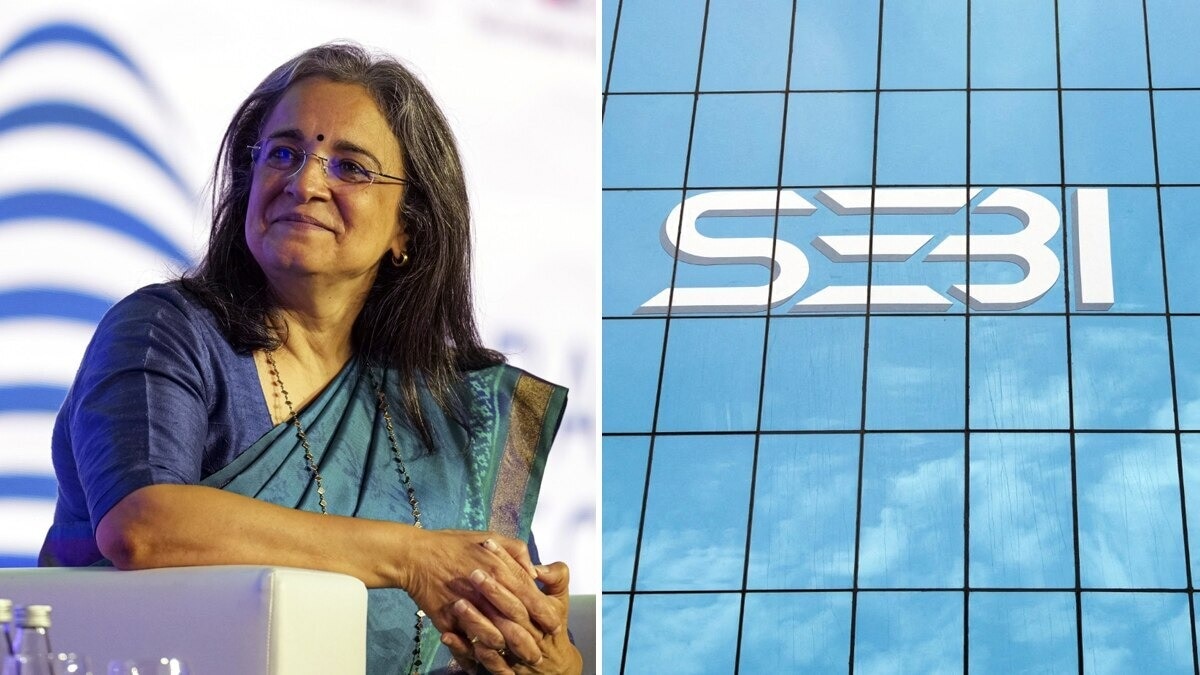
By K Raveendran SEBI chairperson Madhabi Puri Buch has revealed her mantra: regulatory humility. “Markets today are so complex; any arrogant regulator is doomed to fail,” she said addressing an event in Mumbai, held by the Association of Mutual Funds of India this week. Obviously, she has seen how a ‘friendly neighbourhood regulator’ is the […]

Dubai’s stock market has surged to a 10-year high, drawing significant attention from global investors. The Dubai Financial Market General Index climbed 12% in the last quarter, making it one of the top-performing equity benchmarks worldwide. The rally, which has been driven by strong performances in sectors such as banking, utilities, and infrastructure, is now facing increasing challenges as geopolitical risks in the region continue to grow. […]

Tariq Khan, the former CEO of Shuaa Capital, has taken a significant step by investing in Quintas, an Irish investment firm. This move marks his first major foray into European financial markets, signaling a shift in focus from the Middle East to new territories. Quintas, known for its expertise in wealth management and corporate finance, stands to benefit from Khan’s extensive experience in the finance industry. With […]

The UAE is pushing forward its ambitious agenda to transform its infrastructure and lead in climate action, leveraging public-private partnerships and significant capital mobilization efforts. The country’s leadership has emphasized that mobilizing private capital for green infrastructure projects is essential for advancing sustainable development, particularly as global climate challenges intensify. As part of its commitment to address climate change, the UAE, in collaboration with the Asian Infrastructure […]

Bitcoin has surged to trade above $65,000, fueled by a significant influx of capital into U.S. spot bitcoin exchange-traded funds (ETFs) and China’s ongoing economic stimulus measures. The cryptocurrency market is witnessing a notable rebound as investors respond to macroeconomic indicators that hint at a revitalized financial landscape. The substantial investment of $365 million in bitcoin ETFs represents one of the highest daily inflows seen this year, […]

Citi has joined forces with Apollo Global Management and Mubadala Investment Company to establish a $25 billion private credit program aimed at seizing opportunities in the rapidly growing direct lending market. This collaboration underscores the increasing significance of private credit in the current financial landscape, as institutional investors look for alternative ways to deploy capital while banks face stricter regulatory constraints on traditional lending.

The initiative is designed to target mid-to-large scale borrowers, focusing on private equity-backed companies that require non-bank financing solutions. As bank lending becomes more restrictive, particularly for higher-risk borrowers, private credit is becoming a preferred route for companies seeking more flexible funding options. The partners are expected to capitalize on this shifting environment, particularly in sectors such as healthcare, technology, and infrastructure, which are increasingly in need of substantial financial backing.

Apollo Global Management, known for its robust expertise in alternative assets, will manage the program, leveraging its well-established private credit platform. Citi, one of the largest financial institutions globally, will act as a strategic partner, providing financing and other related services. Mubadala, a sovereign wealth fund from Abu Dhabi, brings significant capital and a track record of successful global investments, making it a key player in the collaboration.

The trio’s strategic partnership highlights how private markets are becoming more prominent in financing both large-scale deals and middle-market companies. With Citi and Mubadala’s backing, Apollo expects to drive further growth in its private credit business, which has already gained considerable traction in recent years. This deal also reflects how sovereign wealth funds like Mubadala are increasingly turning toward alternative asset classes, including private debt, to diversify their portfolios and achieve higher returns.

Market experts anticipate that the $25 billion program will play a critical role in the direct lending space, helping fill the void left by banks that have scaled back lending due to tighter regulations and capital requirements. The alliance is likely to pave the way for other large institutional investors to consider similar moves, further expanding the private credit market, which has already grown to over $1.5 trillion globally.

Analysts point out that this development reflects broader trends within the financial industry, where the traditional boundaries between banks and asset managers are becoming blurred. By teaming up with Apollo and Mubadala, Citi is effectively expanding its footprint in the private credit space, positioning itself to serve clients who increasingly prefer direct lending to traditional loans.

For Apollo, this partnership is another milestone in its strategy to build out a comprehensive private credit platform. With a combination of Mubadala’s capital strength and Citi’s global reach, Apollo’s credit arm will be better positioned to capture opportunities across multiple geographies and sectors, offering tailored financing solutions that meet the evolving needs of borrowers.

Mubadala, on the other hand, will benefit from the high returns and relatively lower volatility associated with private credit. By entering into this partnership, Mubadala continues to diversify its portfolio, reinforcing its commitment to long-term investments that deliver stable cash flows.

This program also represents a growing trend where large financial institutions and sovereign wealth funds are teaming up with specialized asset managers to tap into high-growth sectors. While the primary focus is on direct lending, it is likely that this partnership will evolve to encompass other forms of private credit over time, including mezzanine financing and asset-based lending.

By aligning their goals, Citi, Apollo, and Mubadala are setting the stage for a new era in private credit. The size and scope of the program suggest that the three partners are prepared to take on large-scale transactions that could reshape the private credit landscape, attracting more investors to this asset class.

The Dubai Virtual Asset Regulatory Authority (VARA) will impose stricter requirements on cryptocurrency companies starting from October 1. These new regulations, aimed at enhancing consumer protection, mandate companies promoting virtual assets to disclose the inherent risks and volatility of such investments in all marketing materials. This policy shift by VARA comes in response to the growing concerns around consumer safety and the increasing popularity of cryptocurrency in […]

Financial markets are witnessing a surge in volatility, particularly within the cryptocurrency sector, as global monetary policies aim to suppress instability. Arthur Hayes, a prominent figure in the crypto community and co-founder of BitMEX, has highlighted the rising tension in markets fueled by Federal Reserve rate cuts and aggressive monetary easing. These actions are perceived to encourage further money printing, thereby intensifying market fluctuations and posing risks for traditional assets.

The recent decision by the Federal Reserve to cut interest rates is expected to have significant repercussions on the broader financial landscape. Historically, such moves have led to increased liquidity in markets, enabling easy access to capital. This liquidity, however, also raises concerns about inflation and the long-term stability of fiat currencies. In this environment, Bitcoin has emerged as a crucial alternative asset, often regarded as a hedge against inflation and currency devaluation.

As central banks worldwide adopt policies that favor monetary expansion, the crypto community continues to express optimism. Many investors view Bitcoin as a “release valve” that can provide relief from the pressures of traditional finance. The digital asset’s decentralized nature and limited supply make it an appealing option in times of financial uncertainty. Hayes asserts that Bitcoin’s unique characteristics allow it to thrive in an environment marked by excessive money printing and diminishing trust in fiat currencies.

Despite the ongoing volatility, sentiment within the crypto community remains buoyant. Investors are increasingly looking for opportunities amidst the chaos, with many believing that downturns in traditional markets can serve as catalysts for Bitcoin’s adoption and price appreciation. The concept of Bitcoin as “digital gold” underscores its role as a store of value, especially as institutional interest continues to grow. Major financial institutions are now exploring ways to integrate cryptocurrency into their offerings, reflecting a broader acceptance of digital assets.

The interplay between traditional financial systems and cryptocurrency markets has never been more pronounced. With central banks signaling a commitment to maintain accommodative policies, investors are recalibrating their strategies to adapt to these dynamics. The crypto market is characterized by its capacity to respond swiftly to regulatory changes and macroeconomic developments, making it a focal point for those seeking to capitalize on emerging trends.

Institutional involvement in the cryptocurrency space is also a significant factor contributing to the current volatility. Hedge funds, family offices, and publicly traded companies are increasingly allocating a portion of their portfolios to Bitcoin and other digital assets. This trend highlights a growing recognition of the potential benefits that cryptocurrencies can offer, particularly in terms of diversification and risk management.

The ongoing developments in decentralized finance (DeFi) and non-fungible tokens (NFTs) are reshaping the landscape of digital assets. DeFi platforms have gained traction as alternatives to traditional banking services, offering lending, borrowing, and trading functionalities without intermediaries. This innovation attracts both retail and institutional investors, further driving demand for cryptocurrencies.

Regulatory frameworks continue to evolve as governments and regulatory bodies attempt to navigate the complexities of the cryptocurrency ecosystem. While some jurisdictions have embraced digital assets, others remain cautious, leading to a patchwork of regulations. This uncertainty can contribute to market fluctuations, as investors react to news related to regulatory developments.

Amid this backdrop, it is crucial for investors to conduct thorough research and stay informed about the rapidly changing environment. Understanding the implications of monetary policy shifts, as well as the potential risks associated with cryptocurrency investments, is essential for navigating the complexities of the market. The ability to adapt to market conditions will be a key determinant of success for both individual and institutional investors.

Concerns have surfaced among customers in the UAE regarding banks issuing credit cards without adequate identity verification. This has raised alarms about potential risks related to fraud and financial security, leading to calls for stricter regulatory measures. Several individuals have expressed dissatisfaction, citing instances where they received credit cards without having completed the necessary verification steps.

Reports indicate that this situation stems from a broader trend of banks prioritizing speed and convenience in their services. As financial institutions aim to attract new customers and enhance their market share, the protocols for identity verification have, in some cases, been compromised. This practice not only puts individual customers at risk but also jeopardizes the integrity of the banking system as a whole.

Industry experts have weighed in on the situation, noting that the lax enforcement of identity verification protocols can facilitate fraudulent activities, including identity theft and the unauthorized use of credit cards. The potential for misuse becomes particularly concerning when combined with advancements in technology, which can enable hackers to exploit weaknesses in the system.

A spokesperson for the Central Bank of the UAE has acknowledged these customer concerns and emphasized the importance of compliance with stringent identification procedures. The central bank has mandated that financial institutions follow rigorous guidelines to ensure the safety of their customers and the overall financial ecosystem. However, the enforcement of these rules has reportedly been inconsistent across various banks, leading to gaps in security.

Financial analysts point to the rapid digital transformation within the banking sector as a contributing factor. The introduction of online banking services and mobile applications has made it easier for customers to apply for credit cards. However, this ease of access can lead to oversights in proper identification processes. As banks increasingly rely on technology, ensuring robust verification measures is vital to maintain customer trust.

Customer feedback has been mixed, with some praising the convenience of obtaining credit cards online, while others voice serious concerns regarding the implications of insufficient ID checks. One dissatisfied customer recounted their experience of receiving a credit card shortly after applying online, despite not being asked for comprehensive identification documentation. They expressed frustration, stating that the lack of stringent checks makes them feel vulnerable to fraud.

The situation has prompted some banks to review their internal processes and enhance their verification protocols. Institutions are reportedly investing in advanced identity verification technologies, such as biometric authentication and artificial intelligence-driven fraud detection systems. These innovations aim to strengthen the verification process and provide a safer banking environment for customers.

Consumer advocacy groups are urging the central bank to implement stricter regulations governing identity verification in banking. They argue that more transparent policies will not only protect customers but also enhance the overall credibility of the banking sector. The need for a cohesive strategy among banks is essential to restore consumer confidence and ensure a uniform standard of security.

There have been discussions about the necessity of increasing public awareness regarding the importance of monitoring credit card activity. Customers are encouraged to regularly check their financial statements and report any discrepancies immediately. Financial literacy campaigns could play a significant role in educating customers about their rights and responsibilities concerning credit cards and identity theft.

The issue of credit card issuance without proper ID verification has also led to a broader conversation about the balance between convenience and security in the financial services sector. As banks strive to innovate and attract customers, they must remain vigilant in safeguarding the personal information of their clients.

Despite the advancements in technology that enable efficient banking processes, the fundamental principles of identity verification must not be overlooked. The integrity of the banking system relies on trust between financial institutions and their customers, which can be easily eroded by lapses in security protocols.

In light of these developments, stakeholders within the banking industry are recognizing the need for comprehensive strategies to mitigate risks associated with inadequate verification practices. The dialogue between banks, regulatory authorities, and consumer groups is crucial to establishing a framework that emphasizes security without sacrificing convenience.

The Central Bank of the UAE has upgraded its economic growth forecast for 2024, projecting a Gross Domestic Product (GDP) increase of 4%. This revision reflects a strong performance from the non-oil sector, which is anticipated to grow by 4.7% in both 2024 and 2025, contributing significantly to the overall economic expansion.

The updated outlook indicates resilience in the UAE’s economy despite global uncertainties, particularly influenced by fluctuations in oil prices and geopolitical developments. The bank’s projections suggest a continuation of positive trends observed in various sectors, such as tourism, logistics, and manufacturing. As a key driver of this growth, the non-oil sector has shown robust recovery and adaptability, supported by government initiatives aimed at diversifying the economy and enhancing investment.

Analysis from various economic experts highlights that the non-oil sectors, including tourism and logistics, have rebounded strongly post-pandemic. The UAE has implemented several strategic plans, such as the Economic Diversification Plan, which aims to reduce dependence on oil revenues and bolster non-oil industries. The real estate market also contributes to this growth trajectory, as demand for both commercial and residential properties remains high.

The UAE’s GDP growth is expected to be supported by government spending and investment in infrastructure projects. The 2024 budget reflects an ambitious plan to enhance public services and promote economic activity across various sectors. Investments in technology and sustainability initiatives are anticipated to further propel economic growth, making the UAE an attractive destination for foreign direct investment.

The UAE is set to host several high-profile international events in the coming years, which are likely to boost tourism and hospitality sectors. Events such as Expo 2025 in Osaka, where the UAE will have a prominent presence, are expected to enhance the country’s global profile and stimulate economic activity.

The Central Bank also projected a modest growth rate of 2.9% for the oil sector in 2024, reflecting a cautious outlook given the volatility in global oil markets. However, with the anticipated increase in global oil demand, particularly from Asia, the oil sector is expected to stabilize, contributing positively to the overall GDP.

In 2025, the Central Bank forecasts GDP growth to rise further to 5.2%, driven by ongoing developments in both oil and non-oil sectors. This continued growth reflects the UAE’s strategic focus on innovation and technological advancements, aligning with its long-term vision of becoming a global economic hub.

Abu Dhabi’s wealth fund ADQ has successfully raised $2 billion through the sale of bonds in an international offering. The issuance marks a significant financial maneuver by the state-owned holding company, as it aims to expand its influence and continue investing across various sectors. ADQ, fully owned by the Abu Dhabi government, is known for its diversified portfolio, including holdings in healthcare, utilities, food, and agriculture, among others. The bond sale is indicative of the fund’s strategic financial planning and its growing role as a key player in the global financial landscape.

The bond issuance saw robust demand from global investors, reflecting confidence in Abu Dhabi’s sovereign wealth funds and their ability to generate returns. ADQ’s bond sale follows a series of high-profile investment activities in sectors like logistics, technology, and food security. The successful sale comes at a time when the global economy faces inflationary pressures and geopolitical uncertainties, with many investors looking for stable assets.

ADQ’s growing influence is also part of a broader strategy by the Abu Dhabi government to diversify its economy away from oil. Abu Dhabi holds over 90 percent of the United Arab Emirates’ oil reserves, but its sovereign wealth funds, including ADQ, have been at the forefront of efforts to invest in non-oil sectors. The proceeds from the bond sale will likely be used to finance these initiatives, providing ADQ with the liquidity to pursue further acquisitions and investments in key industries.

The offering consisted of a dual-tranche structure, with bonds issued in both five-year and ten-year maturities. According to financial analysts, the decision to offer two tranches allowed ADQ to cater to a broader range of investors with varying risk appetites. The five-year tranche was priced with a yield of 4.6 percent, while the ten-year bonds carried a yield of 5.1 percent. Market participants indicated that the pricing was competitive, given the current global market conditions, and highlighted the attractiveness of Abu Dhabi’s credit rating.

ADQ, established in 2018, has rapidly become one of the region’s most important investment vehicles, supporting the UAE’s efforts to become a diversified economic hub. The wealth fund has been expanding its investments both domestically and internationally, particularly in sectors that are viewed as crucial to the country’s long-term economic growth. In the past few years, ADQ has acquired stakes in various food production companies, energy firms, and digital platforms, positioning itself as a forward-thinking entity that aligns with the UAE’s strategic goals.

The bond sale is also notable for its timing, as global financial markets experience volatility due to macroeconomic factors, such as the tightening monetary policies by major central banks. Despite this, ADQ’s successful issuance signals strong investor confidence in Abu Dhabi’s economic fundamentals. Market experts have pointed out that Abu Dhabi’s sovereign wealth funds, including ADQ, are viewed as safe havens by international investors due to their financial stability and strong government backing.

ADQ’s leadership has consistently emphasized the importance of long-term investments that align with the UAE’s Vision 2030 plan, which aims to reduce the country’s dependence on oil revenues and foster growth in sectors like healthcare, education, and renewable energy. With this bond sale, ADQ is well-positioned to continue its investment strategy, supporting key infrastructure projects and the growth of new industries within the UAE and abroad.

The wealth fund has already been involved in several strategic acquisitions and partnerships, including its move to take full control of Al Dahra Holding, a global agribusiness company, and its stake in the Abu Dhabi National Energy Company, also known as TAQA. These acquisitions have not only expanded ADQ’s portfolio but have also contributed to the UAE’s broader goals of ensuring food and energy security, which have become increasingly important in the wake of global supply chain disruptions.

ADQ’s bond issuance fits into a broader trend of Middle Eastern sovereign wealth funds tapping international debt markets to raise capital. The region’s sovereign wealth funds, including ADQ and the Abu Dhabi Investment Authority (ADIA), have become prominent players in the global financial system, frequently issuing bonds to finance both domestic and international projects. This strategy allows them to maintain liquidity while pursuing aggressive growth strategies across multiple sectors.

The UAE’s sovereign wealth funds are among the largest and most diversified in the world, managing hundreds of billions of dollars in assets. ADQ, despite being a relatively new entity compared to some of its peers, has already made significant strides in aligning itself with Abu Dhabi’s long-term economic objectives. The $2 billion raised from this bond sale will enhance the fund’s ability to continue making strategic investments that support the UAE’s vision of a diversified and sustainable economy.

As global economic conditions remain challenging, ADQ’s ability to attract significant interest from international investors underscores the confidence in Abu Dhabi’s long-term economic strategy and financial stability. The bond sale will likely serve as a blueprint for future issuances by other Middle Eastern sovereign wealth funds as they seek to balance growth with fiscal responsibility.


By Dr. Gyan Pathak September 25, 2024, is the tenth birth anniversary of Make in India. It was launched on September 25, 2014. PM Narendra Modi government has tried its best to promote ease of business in the country, but finding the scheme not getting desired momentum, it decriminalized 183 provisions in 2023, in the […]


China is preparing a significant capital infusion into its largest state-owned banks, amounting to roughly $142 billion, in response to mounting pressure on its economy. This would be the largest capital injection since the 2008 global financial crisis. The planned move aims to boost the banks’ lending capacity to support economic recovery, particularly as growth slows and debt concerns rise across key sectors. The potential funds are […]

VISHNU RAJA
RYO YAMADA
HITORI GOTOH
IKUYO KITA