News related to
Bank

Artificial Intelligence is expected to contribute around US$320 billion to the Middle East’s Gross Domestic Product (GDP) by 2030, with the Gulf Cooperation Council countries accounting for nearly 80 percent of that impact, translating to approximately US$260 billion, according to a latest report by global accounting firm PriceWaterhouseCoopers (PwC). The Gulf Cooperation Council (GCC) countries—Bahrain, Kuwait, Oman, Qatar, Saudi Arabia, and the United Arab Emirates—are at a […]

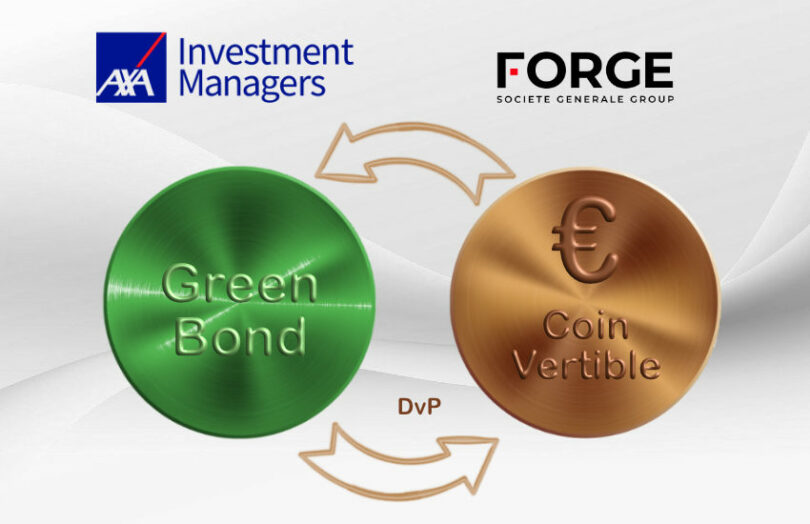
Societe Generale, one of Europe’s leading financial institutions, has launched a new stablecoin pegged to the US dollar on the Ethereum blockchain, marking a significant milestone as the first dollar-backed stablecoin issued by a traditional bank. The initiative, spearheaded by the bank’s digital asset subsidiary SG-Forge, aims to bridge the gap between conventional finance and the rapidly evolving world of decentralised finance .

The stablecoin, named USD CoinVertible , is designed to offer institutional clients a secure and regulated digital asset for on-chain transactions. SG-Forge has emphasised that USDCV will adhere to strict compliance standards, including Know Your Customer and Anti-Money Laundering protocols, ensuring its suitability for professional investors seeking exposure to digital assets within a regulated framework.

Jean-Marc Stenger, CEO of SG-Forge, stated that the launch of USDCV represents a pivotal step in the bank’s digital asset strategy. He highlighted the growing demand among institutional clients for stable and compliant digital assets that can facilitate efficient settlement and liquidity management on blockchain platforms.

The introduction of USDCV follows SG-Forge’s earlier venture into stablecoins with the euro-pegged EUR CoinVertible , which was initially deployed on the Ethereum blockchain. Despite its innovative approach, EURCV experienced limited adoption, prompting SG-Forge to expand its presence to other blockchain networks. In September 2024, the firm announced plans to deploy EURCV on the Solana network, citing the blockchain’s high throughput and low transaction costs as key factors for enhancing user experience and adoption.

Solana’s capabilities have attracted attention from various financial institutions seeking to leverage blockchain technology for digital asset issuance and management. SG-Forge’s decision to extend EURCV to Solana aligns with a broader industry trend of exploring scalable and cost-effective blockchain solutions to meet the demands of both retail and institutional users.

In addition to Solana, SG-Forge has expressed intentions to further expand its stablecoin offerings to other blockchain networks, including the XRP Ledger. This multi-chain strategy reflects the firm’s commitment to providing versatile and accessible digital asset solutions across diverse blockchain ecosystems.

The launch of USDCV positions Societe Generale as a pioneer among traditional banks venturing into the stablecoin market. While other financial institutions have explored digital asset initiatives, Societe Generale’s direct issuance of a dollar-pegged stablecoin on a public blockchain underscores its proactive approach to embracing digital innovation within a regulated framework.

As the stablecoin market continues to evolve, the entry of established financial entities like Societe Generale introduces a new dimension to the landscape. The bank’s emphasis on regulatory compliance and institutional-grade solutions may set a precedent for other traditional financial institutions considering similar ventures into the digital asset space.

The success of USDCV will likely depend on its adoption by institutional clients and its integration into existing financial infrastructures. SG-Forge’s ongoing efforts to enhance the utility and accessibility of its stablecoin offerings, including partnerships with market makers and listings on digital asset exchanges, will be critical in driving adoption and establishing a foothold in the competitive stablecoin market.

HONG KONG SAR – Media OutReach Newswire – 20 May 2025 – XTransfer, the world’s leading and China’s No.1 B2B Cross-Border Trade Payment Platform, has been named for the first time to FXC Intelligence‘s Top 100 Cross-Border Payments Companies list for 2025. XTransfer’s debut on this prestigious list places it among a select group of companies at the forefront of innovation, inclusion, and global financial connectivity. XTransfer […]

Bithumb, South Korea’s second-largest cryptocurrency exchange, has significantly increased its market share, now handling approximately 25% of the nation’s crypto trading volume, up from under 10% in 2023. This surge positions the company for a planned Initial Public Offering in the latter half of 2025, with Samsung Securities appointed as the lead underwriter.

The exchange’s growth strategy included the elimination of transaction fees for all supported digital assets, a move that temporarily boosted its market share to a peak of 72% in early 2024. This aggressive approach allowed Bithumb to momentarily surpass its main competitor, Upbit, which has traditionally dominated the South Korean crypto market.

Bithumb’s decision to pursue an IPO is not primarily driven by a need for capital infusion. According to its semi-annual report, the company holds financial assets exceeding 400 billion won . Instead, the IPO aims to enhance corporate transparency and governance, thereby rebuilding public trust following past controversies involving its leadership.

The exchange has undergone significant leadership changes in preparation for the IPO. Former Chairman Lee Jung-hoon has returned as a registered director, while Jaewon Lee has been appointed as the new CEO of Bithumb Holdings. These changes are part of a broader effort to strengthen the company’s governance structure and align with regulatory expectations.

Bithumb has also shifted its banking partnership from NH Nonghyup Bank to KB Kookmin Bank, South Korea’s largest financial institution. This move is expected to enhance the exchange’s credibility and attract a broader customer base, including institutional clients.

Despite these advancements, Bithumb faces ongoing regulatory challenges. The Financial Intelligence Unit initiated an on-site inspection in March 2025 to assess the exchange’s compliance with anti-money laundering regulations. The outcome of this investigation could significantly impact the company’s IPO timeline and investor confidence.

Bithumb is considering listing options beyond South Korea, including a potential listing on the U.S. Nasdaq. This consideration arises from the complex regulatory environment in South Korea, where cryptocurrencies are not recognized as legitimate financial products, potentially complicating domestic listing procedures.

Financially, Bithumb reported a net profit of $110 million in 2024, reflecting its robust market position and operational efficiency. The exchange’s commitment to regulatory compliance and technological enhancements has contributed to its resilience in a volatile market.

Dubai Holding has increased the size of its Dubai Residential REIT initial public offering to 15% of the entity’s capital, up from the previously announced 12.5%, in response to robust investor interest. The offering now comprises 1.875 billion units, with the institutional tranche expanded to 1.7875 billion units, while the retail tranche remains unchanged. Based on the price range of AED 1.07 to AED 1.10 per unit, […]

The United Arab Emirates has unveiled a Dh40 billion financing initiative aimed at accelerating the growth of its industrial sector over the next five years. Announced by Dr Sultan Al Jaber, Minister of Industry and Advanced Technology, during the Make it in the Emirates forum in Abu Dhabi, the plan seeks to enhance the nation’s manufacturing capabilities and diversify its economy.

The financing will be facilitated through a consortium of major banks, including Emirates Development Bank , First Abu Dhabi Bank, Mashreq, Emirates NBD, Abu Dhabi Commercial Bank, Abu Dhabi Islamic Bank, and Wio Bank. These institutions will offer competitive loans to industrial companies, supporting projects that align with the UAE’s strategic economic objectives.

Dr Al Jaber emphasized the multiplier effect of industrial investments, stating that each investment stimulates growth in related sectors. He highlighted that the initiative is part of the broader Operation 300bn strategy, which aims to increase the industrial sector’s contribution to the UAE’s GDP to Dh300 billion by 2031.

The Make it in the Emirates forum also saw the announcement of additional incentives, including Dh23 billion in guaranteed offtake agreements, bringing the total value of captive procurement opportunities to Dh143 billion. These agreements are designed to encourage local manufacturing of over 2,000 products, with significant procurement commitments from entities like ADNOC and Pure Health.

New industrial projects and investments worth Dh20 billion were unveiled, alongside co-lending financial solutions of Dh1 billion to empower small and medium enterprises . The government also introduced comparative electricity tariffs in the northern Emirates and launched an AI innovation programme providing Dh370 million to targeted technology startups.

Emirates Development Bank has played a pivotal role in supporting the UAE’s industrial sector. Since the launch of its strategy in 2021, EDB’s financing has reached Dh15.7 billion, contributing Dh7.4 billion to the industrial GDP by the end of 2024. The bank has also facilitated Dh50.2 billion in capital expenditure financing, supported Dh15 billion in greenfield projects, and attracted Dh7 billion in foreign direct investment.

In 2024 alone, EDB provided Dh8.7 billion in financing, marking a 222% increase from the previous year. This financing supported the creation of over 14,000 industrial jobs and contributed Dh4.1 billion to the UAE’s industrial GDP. The manufacturing sector received the largest share, with Dh4.23 billion, accounting for 49% of total disbursements.

The bank’s focus on key sectors includes advanced technology, which received Dh3 billion in financing, and renewable energy projects, which secured Dh1.2 billion. Additionally, the food security and healthcare sectors received Dh1.22 billion and Dh1.14 billion, respectively.

EDB’s support for micro, small, and medium enterprises remained a core priority, with total financing reaching Dh3 billion in 2024. This includes Dh758 million through the bank’s Credit Guarantee Scheme in partnership with 11 commercial banks, Dh2.1 billion in direct financing to mSMEs, and Dh107 million to SME-Micro projects.

The bank’s strong financial performance and strategic focus have been recognized by S&P Global, which upgraded EDB’s credit rating to AA, the highest among financial institutions in the UAE and MENA region. This milestone underscores the bank’s robust financial profile and alignment with national development priorities.


Revolut has unveiled plans to invest over €1 billion in France over the next three years, establishing Paris as its Western European headquarters and applying for a French banking license. The move is set to create more than 200 new jobs in addition to its existing 300-strong workforce in the country.

The announcement was made during the “Choose France” investment summit hosted by President Emmanuel Macron, which aims to attract significant foreign investments. Revolut’s decision underscores its commitment to the French market, where it currently serves over 5 million users. The company aims to double this figure by 2026 and reach 20 million users by 2030.

Sid Jajodia, Revolut’s Chief Banking Officer, highlighted France’s dynamic banking ecosystem and robust regulatory environment as key factors in the decision. The fintech firm already offers banking services in Europe through a license granted by Lithuania in 2018, which will remain a key base for its European operations.

Revolut’s expansion in France includes plans to introduce a range of financial products tailored to the local market. These offerings encompass savings accounts, consumer credit, and mortgage loans, aiming to position Revolut as a comprehensive financial partner for its users. The company has also launched a standalone crypto trading app, Revolut X, to cater to the growing demand for digital asset services.

The decision to establish a significant presence in Paris is seen as a strategic move amid concerns about London’s competitiveness as a financial hub post-Brexit. While Revolut’s global headquarters will remain in London, the shift signifies a broader trend of financial firms expanding operations within the European Union to maintain access to the bloc’s markets.

Revolut’s growth trajectory has been notable, with the company adding nearly 15 million new users globally in 2024, bringing its total customer base to over 50 million. The firm’s revenue reached £3.1 billion last year, with a pre-tax profit of £1.1 billion, driven by its diversified offerings, including crypto trading and business banking services.

Advertisements

Dubai’s booming real estate sector continues to attract global investors with promises of tax-free gains, high rental yields, and luxury living. However, behind the glossy brochures and aggressive marketing campaigns lie significant risks that could catch unprepared buyers off guard—particularly those unfamiliar with the city’s legal, financial, and regulatory landscape.

Property prices in Dubai have surged by 75% since early 2021, nearing levels last seen before the 2008 crash. This growth is fuelled by foreign capital, liberalised visa policies, and a construction spree that includes nearly 76,000 new units slated for completion in 2025. Yet, this rapid expansion raises concerns about potential oversupply, especially in mid-range and off-plan segments, which could suppress future returns.

Off-plan properties, often sold with enticing payment plans requiring just 10–20% upfront, dominate the market. These schemes, while attractive, carry risks such as construction delays, quality issues, and even project cancellations. Despite regulatory measures like escrow accounts, buyers may still face financial losses if developers fail to deliver as promised.

The legal framework in Dubai presents challenges for foreign investors. While freehold zones permit full ownership, navigating the complexities of property inheritance, dispute resolution, and contract enforcement can be daunting. The legal system, influenced by Sharia law, may not align with the expectations of buyers from other jurisdictions, making professional legal advice essential.

Financially, the costs associated with purchasing property extend beyond the advertised price. Buyers must account for a 4% Dubai Land Department transfer fee, a 2% agent commission, and additional expenses such as title deed issuance, mortgage registration, and maintenance fees. Notably, banks no longer finance these ancillary costs, requiring buyers to have substantial liquidity upfront.

Currency exchange fluctuations pose another risk for international investors. Since the UAE dirham is pegged to the US dollar, buyers dealing in other currencies may find their investments affected by exchange rate movements, potentially eroding returns when converting profits back to their home currency.

Regulatory changes can also impact the real estate landscape. Adjustments to visa policies, property ownership laws, or mortgage regulations could alter the investment climate. For instance, while long-term residency visas have bolstered investor confidence, any future policy shifts could affect property values and rental demand.

The influx of wealthy individuals into Dubai has driven up property prices, particularly in luxury segments. However, this trend has also led to increased living costs, making affordability a growing concern for middle-income residents. Rising service charges and maintenance fees in upscale communities can further strain budgets, affecting the overall return on investment.

Cryptocurrency mining companies have registered a notable surge following the announcement of a strategic partnership between OpenAI and CoreWeave, a leading cloud computing provider. This alliance signals a growing intersection between artificial intelligence infrastructure and blockchain technology, propelling mining stocks higher and generating renewed investor interest in the sector.

CoreWeave, known for its specialised GPU-powered cloud services tailored to AI workloads, has struck a deal to supply critical computational capacity for OpenAI’s expanding suite of applications. This development positions CoreWeave as a vital player in supporting the back-end infrastructure of AI innovation. The company’s move has rippled through the crypto mining ecosystem, where hardware capable of efficiently processing complex algorithms is central to mining operations.

Investors responded positively to CoreWeave’s enhanced profile, with shares of prominent crypto mining firms climbing on various exchanges. The broader cryptocurrency market, however, displayed a more cautious stance, maintaining a consolidation phase despite escalating inflation expectations that often trigger volatility. This divergence highlights the nuanced market dynamics where infrastructure providers linked to AI growth are gaining momentum independent of general crypto price trends.

The launch of Galaxy Digital on the Nasdaq exchange further accentuated market activity around crypto-related firms. Galaxy Digital, a diversified financial services and investment management firm focusing on digital assets and blockchain technology, made a striking debut with its share price surging significantly on the first day of trading. The successful Nasdaq listing underscores growing institutional interest in the crypto and blockchain sectors, affirming confidence in their long-term viability despite fluctuating asset prices.

Market analysts note that the OpenAI-CoreWeave partnership exemplifies the convergence of artificial intelligence and blockchain technology, two sectors undergoing rapid expansion. This synergy offers mining companies an avenue to diversify and stabilise revenues by capitalising on increased demand for computational power beyond traditional cryptocurrency mining. As AI applications become more sophisticated and resource-intensive, providers like CoreWeave stand to benefit from expanded contracts and elevated valuations.

The partnership also sheds light on evolving mining operations, which now encompass hybrid models combining cryptocurrency validation with AI data processing tasks. This integration potentially improves profitability and operational resilience amid regulatory uncertainties and market fluctuations in the crypto domain. Mining firms that embrace such technological advancements may position themselves ahead of competitors relying solely on conventional blockchain mining.

Despite these promising developments, the crypto market continues to face challenges from macroeconomic factors, notably inflation expectations that often influence investor behaviour. Although asset prices across major markets, including cryptocurrencies, largely shrugged off these concerns, some volatility is expected as central banks adjust monetary policies. Cryptocurrency’s inherent volatility remains a consideration for both retail and institutional investors, who must weigh technological advancements against broader economic risks.

CoreWeave’s strategic positioning within this ecosystem is particularly significant given the rising demand for GPU-intensive workloads. The company’s infrastructure supports not only OpenAI’s needs but also a wide array of AI-driven enterprises, creating a robust client base and diversified revenue streams. This diversification contrasts with many mining firms whose fortunes are tightly correlated to cryptocurrency price cycles, adding an element of stability that appeals to investors.

Galaxy Digital’s Nasdaq listing is emblematic of the maturing crypto investment landscape. Founded by industry veteran Michael Novogratz, the firm has established itself as a critical bridge between traditional financial markets and the digital asset space. Its successful public offering reflects growing acceptance and integration of digital assets within mainstream finance, an important milestone for the sector.

Market watchers observe that while the immediate reaction favours companies linked to AI and cloud computing, the broader cryptocurrency market is navigating a complex environment marked by geopolitical tensions, regulatory scrutiny, and shifting monetary policies. These factors contribute to a cautious sentiment among traders, with prices consolidating rather than surging dramatically.

Nonetheless, the interplay between AI infrastructure providers and crypto mining firms represents a promising frontier. This convergence may drive innovation in both fields, fostering new business models and operational efficiencies. Companies that adapt to this trend could harness the dual momentum of AI growth and blockchain technology to sustain competitive advantages.

Matein Khalid While I was not surprised by Moody’s decision to cut the sovereign credit rating of the US from Aaa to Aa1 since I have done my best to warn my friends in this post about the King Dollar’s vulnerable underbelly on debt/deficits, I am surprised that the credit rating agencies is willing to risk the wrath of Trump White House with this move. After all, […]

Matein Khalid The US Treasury bond market is unnerved by Powell’s reluctance to cut rates at the May FOMC and increasing short bets on long duration Uncle Sam IOUs by the world’s biggest hedge funds. This is the reason the 2-year Treasury note yield, the single security most sensitive to changes in expectation of US central bank monetary policy, has risen 15 basis points this week to […]

HONG KONG SAR – Media OutReach Newswire – 17 May 2025 – Invest Hong Kong (InvestHK), the Hong Kong government’s investment promotion arm, announced today (17 May 2025) that Ms Alpha Lau, Director-General of Investment Promotion at InvestHK, visited Cairo, Egypt, to engage with Egyptian businesses eager to establish operations in Hong Kong and capitalise on Asia-Pacific opportunities. During her visit, Ms Lau will attend the Guangdong–Hong […]

FTX, the defunct cryptocurrency exchange that filed for bankruptcy in November 2022, is poised to commence payouts exceeding $5 billion to its creditors starting May 30, 2025. This marks a significant milestone in one of the most complex bankruptcy proceedings in the crypto industry.

Under the court-approved reorganization plan, approximately 98% of FTX’s creditors are expected to recover 119% of their allowed claims, which includes the principal amount plus accrued interest. This repayment strategy is based on the valuation of crypto assets as of the bankruptcy filing date in November 2022, a point of contention given the substantial appreciation of cryptocurrencies since then.

The initial phase of repayments will prioritize creditors with claims of $50,000 or less, often referred to as the “convenience class.” This group is slated to receive their full repayments within 60 days of the plan’s effective date, amounting to approximately $1.2 billion in total. To facilitate these distributions, FTX has partnered with cryptocurrency platforms Kraken and BitGo, requiring creditors to complete Know Your Customer verifications and submit necessary tax documentation through the FTX Debtors’ Customer Portal.

The substantial funds available for distribution, estimated between $14.7 billion and $16.5 billion, have been amassed through the liquidation of FTX’s investments and the appreciation of certain assets. Notably, the estate’s stake in the AI startup Anthropic contributed significantly to the recovery pool. Despite these efforts, equity holders and investors in FTX’s proprietary token are not expected to receive any compensation.

While the repayment plan has been lauded for its unprecedented recovery rate in bankruptcy proceedings, it has also faced criticism. Some creditors argue that calculating repayments based on the 2022 valuations fails to account for the dramatic rise in cryptocurrency prices, particularly Bitcoin, which has surged from around $16,000 at the time of FTX’s collapse to over $105,000. This discrepancy has led to legal challenges and dissatisfaction among certain creditor groups.

FTX’s current CEO, John J. Ray III, who took over following the company’s collapse, has emphasized the importance of adhering to legal standards in the distribution process. He has also highlighted the challenges in balancing the interests of various stakeholders while navigating the complexities of the bankruptcy estate.

Adani Airport Holdings Limited has abruptly ended its partnership with DragonPass, a China-based global airport lounge access provider, just a week after announcing the collaboration. The termination, effective immediately, means DragonPass customers will no longer have access to lounges at Adani-managed airports. The company assured that other customers’ travel experiences will remain unaffected.

The partnership, announced on May 8, 2025, was facilitated by Adani Digital Labs, a digital extension of AAHL and Adani Enterprises Ltd. It granted DragonPass access to all Adani airport lounges and key lounges across India. DragonPass, headquartered in Guangzhou, China, operates internationally with offices across Asia and the UK. Its UK branch, DragonPass International Limited, is a wholly-owned subsidiary of the Chinese parent company.

The decision to end the partnership was made quickly, though further details regarding the reasons behind the abrupt termination have not been disclosed. This swift move highlights a sudden change in Adani’s strategic alliances concerning airport service offerings.

Adani currently operates seven airports across India, including those in Mumbai, Ahmedabad, Lucknow, Mangaluru, Jaipur, Guwahati, and Thiruvananthapuram, and is developing a new airport in Navi Mumbai. The termination of the DragonPass partnership signifies a strategic shift in Adani’s airport services operations.

In 2024, Adani Airport Holdings Ltd faced disruptions in lounge access at airports across India due to the suspension of services by DreamFolks Services Ltd. To mitigate the impact on passengers, AAHL allowed lounges at Adani-operated airports to accept all major debit and credit cards from other access providers. The lounge access provider, which partners with several banks, violated its service agreements with the affected airports.

Adani Group has also been exploring partnerships to enhance its airport lounge services. The company is in talks with Hong Kong-based Plaza Premium Group to run airport lounges in India through a joint venture, aiming to elevate hospitality standards. Plaza Premium Group has an international footprint at 80 airports in 30 countries.

Adani One and ICICI Bank launched India’s first co-branded credit cards with airport-linked benefits in collaboration with Visa. Available in two variants—the Adani One ICICI Bank Signature Credit Card and the Adani One ICICI Bank Platinum Credit Card—the cards offer a substantial reward programme. Cardholders earn up to 7% Adani Reward Points on purchases within the Adani Group ecosystem, including bookings on the Adani One app, Adani-managed airports, CNG pumps, electricity bills, and the Trainman platform. Benefits include free air tickets, premium lounge access, Pranaam Meet and Greet Service, valet parking, and discounts at duty-free shops and airport food and beverage outlets.

FTX is set to initiate its second round of creditor distributions on 30 May 2025, aiming to disburse more than $5 billion to eligible claimants. This follows the initial payouts that commenced in February, targeting creditors with claims under $50,000. The forthcoming distribution will focus on creditors with larger claims, marking a significant step in the exchange’s bankruptcy resolution process.

The distribution process will be facilitated through BitGo and Kraken, the designated Distribution Service Providers . Claimants can expect to receive their funds within one to three business days post-distribution. To qualify, creditors must have completed Know Your Customer verification, submitted necessary tax forms, and onboarded with one of the DSPs by the record date of 11 April 2025. Failure to meet these requirements may result in forfeiture of the distribution.

Under the Chapter 11 Plan, the recovery rates vary across different claim categories. Dotcom Customer Entitlement Claims are set to receive 72% of their claim value, US Customer Entitlement Claims 54%, General Unsecured Claims and Digital Asset Loan Claims 61% each, and Convenience Claims 120%. These percentages are based on the USD value of assets at the time of FTX’s bankruptcy filing in November 2022, not accounting for subsequent market fluctuations.

FTX’s estate, under the leadership of CEO John J. Ray III, has approximately $11.4 billion earmarked for creditor repayments. The second distribution phase is a continuation of the estate’s efforts to resolve the claims of a diverse creditor base, including customers, vendors, and trading partners. The process underscores the complexities involved in unwinding the operations of the collapsed cryptocurrency exchange.

The selection of BitGo and Kraken as DSPs is strategic, considering their capabilities in handling large-scale digital asset transactions. Both platforms offer options for claimants to convert their distributions into digital assets or withdraw funds in fiat currency, subject to applicable fees and regulations. However, once a claimant selects a DSP, the choice is irrevocable, and distributions will be routed exclusively through the chosen provider.

The upcoming distribution is part of FTX’s broader strategy to address the claims of its creditors systematically. The estate has emphasized the importance of compliance with the outlined procedures to ensure a smooth distribution process. Claimants are advised to adhere strictly to the guidelines provided in the FTX Customer Portal to facilitate timely receipt of their funds.

FTX’s collapse in 2022 sent shockwaves through the cryptocurrency industry, leading to increased scrutiny and calls for more robust regulatory frameworks. The ongoing distribution efforts represent a critical phase in the exchange’s bankruptcy proceedings, offering some restitution to affected parties. While the repayments are based on historical asset values, they provide a measure of closure for many creditors who have awaited resolution for over two years.

The Philippine peso has continued its downward trajectory against the US dollar, closing at 58.655 per dollar last week. This marks its lowest level in over a year, providing a financial boon to overseas Filipino workers who remit earnings back home. The depreciation enhances the value of remittances when converted to pesos, offering increased purchasing power for recipients.

Analysts attribute the peso’s decline to a combination of domestic and international factors. Domestically, the Bangko Sentral ng Pilipinas implemented a series of interest rate cuts in 2024, totaling 75 basis points, bringing the policy rate to 5.75%. These cuts aimed to stimulate economic growth but also widened the interest rate differential with the US, exerting downward pressure on the peso. BSP Governor Eli Remolona Jr. indicated that the central bank has been more active in the foreign exchange market, intervening modestly to manage volatility.

Internationally, the US dollar has exhibited strength due to cautious monetary policy by the Federal Reserve. While the Fed is expected to commence rate cuts by mid-2025, the timing and magnitude remain uncertain. This uncertainty contributes to the peso’s volatility. Jonathan Ravelas, a senior adviser at Reyes Tacandong & Co., noted that the peso’s weakness could persist amid global economic uncertainties and domestic policy challenges.

The Philippine government’s economic outlook reflects these challenges. The growth target for 2024 has been adjusted to a range of 6.0% to 6.5%, down from a previous upper limit of 7%. For 2025-2028, the growth target has been revised to 6.0% to 8.0%. The peso is expected to average between 57 to 57.50 per dollar in 2024, with projections of 56 to 58 per dollar for 2025. Inflation assumptions have also been adjusted, with a range of 3.1% to 3.3% for 2024 and 2.0% to 4.0% for … -202 … .

Despite the peso’s depreciation, investor sentiment towards the currency has shown signs of improvement. A Reuters poll indicates that long positions on the Philippine peso have reached their highest levels since mid-September. Analysts suggest that the peso is relatively insulated from global tariff threats compared to other Southeast Asian currencies. However, the currency’s performance remains sensitive to global risk sentiment and trade policy developments.

For OFWs, the weaker peso translates to increased value for remittances. This development is particularly beneficial for families in the Philippines who rely on these funds for daily expenses, education, and healthcare. The enhanced purchasing power can alleviate financial pressures amid rising costs of living.

SINGAPORE – Media OutReach Newswire – 15 May 2025 – The Institute of Singapore Chartered Accountants (ISCA) has announced the election of four newly-elected members, re-election of four existing members, and appointment of two new members to the ISCA Council, which is the governing body of ISCA to approve major policy decisions and oversees matters relating to the governance and membership of the Institute. The newly-elected, re-elected […]

Thailand’s Ministry of Finance has announced plans to issue 5 billion baht in digital investment tokens, dubbed “G-Tokens,” aiming to broaden public participation in government bond investments. This initiative marks a significant step in integrating digital assets into the country’s financial strategy.

Finance Minister Pichai Chunhavajira stated that the G-Tokens will be available for purchase within the next two months, following cabinet approval. The tokens are designed to offer higher returns than traditional bank deposits, making them an attractive option for retail investors. “Investors can invest with a small amount of cash for the new tokens,” Chunhavajira noted, highlighting the accessibility of the investment.

The G-Tokens will be issued under the existing Public Debt Management Act of 2005 and regulated by the Digital Asset Business Decree of 2018. The tokens are not classified as traditional debt instruments but are part of the government’s budget borrowing plan. Patchara Anuntasilpa, director-general of the Public Debt Management Office, emphasized that the tokens are an innovation in the country’s financial landscape, allowing more retail investors to become part of the digital economy.

Investors can purchase G-Tokens through licensed digital asset exchanges, brokers, and other authorized entities. The minimum investment is set at 100 baht , significantly lowering the threshold for participation in government bond investments. This move is expected to attract a broader base of investors, including those who have traditionally been excluded from such opportunities.

The digital nature of G-Tokens offers several advantages over conventional government bonds. They can be traded on specialized digital platforms, providing greater flexibility and accessibility for investors. Ownership is verified using digital systems, and the tokens can be transferred through designated digital asset platforms. Interest payments and principal redemption will be made electronically to holders via their registered accounts, following the schedule outlined in the prospectus.

The initiative aligns with Thailand’s broader efforts to modernize its financial infrastructure and promote financial inclusion. By leveraging blockchain technology, the government aims to streamline the bond issuance process, reduce costs, and enhance transparency. The G-Token issuance also serves as a pilot to test the market’s response to digital financial instruments, with the potential for future expansions based on demand.

Sobha Realty has successfully completed a $500 million sukuk issuance, marking a significant milestone in its financing strategy. The issuance, part of a $1.5 billion Sukuk Issuance Programme, attracted substantial investor interest, with the order book oversubscribed three times, reaching $1.54 billion. This strong demand led to a tightening of the yield to 8% per annum, down from the initial price thoughts of 8.375%. The sukuk, maturing […]

Exploring the Risks and Opportunities of AI Applications in Cybersecurity HONG KONG SAR – Media OutReach Newswire – 14 May 2025 – Co-organised by Cyberport and the Hong Kong Cybersecurity Professionals Association, the “AI x Cybersecurity Forum” took place today at Cyberport. Under the theme “Navigate the Future of AI-Powered Cybersecurity,” the forum brought together over 400 government representatives, cybersecurity experts, leaders from academia and the technology […]

Thailand’s Finance Ministry is set to introduce a digital investment token, dubbed the G-Token, aiming to raise approximately $150 million within the next two months. This initiative is part of the government’s budget borrowing plan and seeks to provide higher returns than traditional bank deposits.

Finance Minister Pichai Chunhavajira announced that the G-Token is designed to offer retail investors an accessible entry point into government-backed financial instruments. Unlike conventional bonds, the G-Token is not classified as a debt instrument but serves as a tool to mobilise public funds through blockchain technology.

The tokens will be available for purchase with a minimum investment of around $3, making them accessible to a broad segment of the population. This move is intended to democratise investment opportunities, traditionally dominated by institutional and high-net-worth investors.

Investors are expected to receive returns surpassing the current 12-month fixed deposit rates offered by Thai banks, which range between 1.25% and 1.5%. However, specific yield figures have not been disclosed.

The G-Token initiative aligns with Thailand’s broader strategy to integrate digital assets into its financial ecosystem. By leveraging blockchain technology, the government aims to enhance transparency, reduce costs, and increase efficiency in public fundraising efforts.

The tokens will be tradable on licensed digital asset exchanges within Thailand, although access will be restricted to Thai nationals. This measure ensures compliance with domestic financial regulations and safeguards against potential risks associated with foreign investment in government-backed digital assets.

The launch of the G-Token follows recommendations from influential political figures, including Thaksin Shinawatra, who advocated for the issuance of stablecoins backed by government bonds to broaden investment access.

Libya has formally integrated into the Medusa subsea cable system, marking a pivotal advancement in its telecommunications infrastructure. This 8,700-kilometre fibre-optic network, encompassing 24 fibre pairs and a capacity of 20 terabits per second per pair, is set to connect 11 countries across the Mediterranean, including Libya, by the end of 2025. The Medusa project, spearheaded by AFR-IX Telecom and supported by the European Union and Orange, […]

HONG KONG SAR – Media OutReach Newswire – 14 May 2025 – Hang Lung Properties Limited (SEHK Stock Code: 00101) (the “Company” or “Hang Lung”) is pleased to announce the launch of NET•WORK, a premier coworking space in the heart of Central, Hong Kong. As Hong Kong continues to strengthen its status as an international financial center, NET•WORK’s vibrant and flexible office spaces have attracted financial institutions, […]

HONG KONG SAR – Media OutReach Newswire – 14 May 2025 – FGA Trust, a Hong Kong-based innovative licensed digital trust platform provides comprehensive fiduciary solutions, has been officially appointed as the Eligible Introducer of ABC Bank, an leading Mauritius financial institution with over a decade of regional expertise, marking a strategic leap to empower high-net-worth individuals(HNWIs) in tapping Africa’s booming investment opportunities. This appointment aligns with […]

VISHNU RAJA
RYO YAMADA
HITORI GOTOH
IKUYO KITA