News related to
Bank

Recent regulatory changes enhance credibility for corporate trustees but add to complexity and costs New eMPF Platform to reshape Hong Kong’s pension system and bring wave of change for pension trustees HONG KONG SAR – Media OutReach Newswire – 18 March 2025 – Access to Chinese Mainland clients, Asia’s growing private wealth sector and improving industry credibility are underpinning a positive outlook for Hong Kong’s trust industry, […]

The acquisition strengthens TBS’s integrated environmental solutions portfolio in Southeast Asia, in line with its TBS2030 carbon neutrality target. TBS is getting closer to its vision of fully transitioning into a sustainability-focused and environmental solutions company. JAKARTA, INDONESIA – Media OutReach Neswire – 18 March 2025 – SPT TBS Energi Utama Tbk. (“TBS”) has completed its 100% acquisition of Sembcorp Environment Pte. Ltd. (“SembEnviro”) through its subsidiary, […]

Global investors have executed a historic shift in their portfolios, markedly reducing exposure to U.S. equities while increasing allocations to European stocks. This movement reflects growing apprehensions about the U.S. economic outlook and a more optimistic view of Europe’s financial prospects.

A Bank of America survey revealed that fund managers decreased their U.S. equity holdings by 40 percentage points, transitioning from a 17% overweight position in February to a net underweight of 23% in March. This represents the most substantial reduction on record, surpassing adjustments observed during previous economic downturns. The survey, which included 171 participants managing $477 billion in assets, underscores a significant reevaluation of investment strategies in response to emerging global economic challenges.

Several factors have contributed to this shift. Investors express heightened concerns over stagflation—a combination of stagnant economic growth and high inflation—and the potential repercussions of escalating trade tensions. The perception of diminishing U.S. economic exceptionalism has further fueled these apprehensions, leading to a reassessment of asset allocations.

In contrast, European equities have experienced increased investor interest. Allocations to Eurozone stocks surged by 27 percentage points, reaching the highest level since mid-2021. Approximately 39% of global investors now hold overweight positions in European equities, reflecting a growing confidence in the region’s economic resilience and potential for growth.

This reallocation is also evident among UK investors, who have increased their exposure to domestic stocks while reducing U.S. equity holdings. This trend suggests a broader reevaluation of investment strategies, with a renewed focus on local markets perceived as more stable or promising under current global economic conditions.

The technology sector, once a stalwart of U.S. market growth, has seen a notable decline in investor sentiment. Conversely, sectors such as utilities and banking have gained favor, indicating a strategic pivot towards more traditionally stable industries amid economic uncertainty.

Despite these shifts, some hedge funds have begun cautiously reinvesting in U.S. equities following significant sell-offs. This activity suggests that certain investors perceive potential value in the U.S. market, although this perspective is not yet widespread.

The broader implications of this investment reallocation are multifaceted. For the U.S., reduced equity allocations could signal waning confidence in its economic trajectory, potentially leading to decreased capital inflows and subdued market performance. Conversely, Europe’s attractiveness to investors may bolster its markets, providing a counterbalance to global economic headwinds.

This strategic pivot underscores the dynamic nature of global investment landscapes, where economic indicators, geopolitical developments, and market sentiments continually influence capital distribution. Investors’ current preference for European equities over U.S. stocks reflects a nuanced assessment of risk and opportunity in an evolving economic environment.

Arabian Post Staff -Dubai Abu Dhabi’s sovereign wealth fund, Mubadala Investment Company, is actively engaging with global banks and market makers to establish a consortium of up to ten partners for the forthcoming Base Exchange in Rio de Janeiro. These prospective partners are expected to provide essential liquidity to the new stock exchange. In return, they would acquire equity stakes, resulting in a slight reduction of Mubadala’s […]

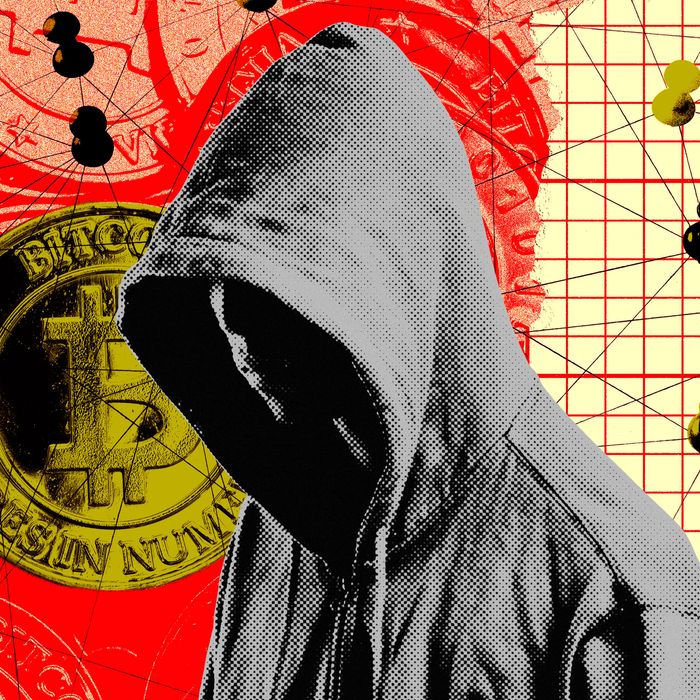
Satoshi Nakamoto, the pseudonymous creator of Bitcoin, remains one of the most intriguing figures in modern finance. In his latest book, *The Mysterious Mr. Nakamoto*, author Benjamin Wallace embarks on a fifteen-year quest to uncover the identity behind this digital currency pioneer.

Nakamoto introduced Bitcoin in 2008 through a white paper detailing a peer-to-peer electronic cash system. This innovation laid the foundation for a decentralized financial network, free from traditional banking intermediaries. Despite Bitcoin’s global impact, Nakamoto vanished in 2011, leaving behind a fortune in unspent bitcoins and an enduring mystery surrounding his identity.

Wallace’s investigation delves into the cypherpunk movement of the 1990s, a collective advocating for privacy-enhancing technologies and cryptographic solutions. This community’s ideals significantly influenced Bitcoin’s development, aiming to create a currency independent of governmental control. Through meticulous research, Wallace examines potential candidates who could be Nakamoto, analyzing their backgrounds, writing styles, and contributions to cryptography.

One prominent figure explored is Hal Finney, a renowned cryptographer and the first person, aside from Nakamoto, to run the Bitcoin software. Finney’s involvement in early Bitcoin development and his correspondence with Nakamoto position him as a plausible candidate. However, Finney consistently denied being Nakamoto until his death in 2014.

Another individual scrutinized is Nick Szabo, a computer scientist known for his concept of “Bit Gold,” a precursor to Bitcoin. Linguistic analyses have highlighted similarities between Szabo’s writings and Nakamoto’s white paper, yet Szabo has repeatedly refuted claims of being Bitcoin’s creator.

The book also addresses the controversial claims of Australian computer scientist Craig Wright, who has publicly asserted that he is Satoshi Nakamoto. Despite presenting purported evidence, Wright’s claims have been met with skepticism, and he has not provided cryptographic proof accepted by the broader community.

Wallace’s narrative not only investigates these individuals but also reflects on the broader implications of Nakamoto’s anonymity. Bitcoin’s decentralized nature is intrinsically linked to the absence of a central authority, embodied by its creator’s pseudonymity. This deliberate concealment has fueled speculation and intrigue, contributing to Bitcoin’s mythos and cultural significance.

The author employs forensic techniques, including textual analysis and code examination, to trace Nakamoto’s digital footprints. Despite these efforts, the true identity remains elusive, underscoring the challenges inherent in unmasking a figure who meticulously crafted his anonymity.

Wallace’s exploration extends beyond the search for Nakamoto, offering insights into the evolution of digital currencies and their impact on global finance. The book contextualizes Bitcoin’s rise within economic events such as the 2008 financial crisis, highlighting the demand for alternative financial systems.

The global economy is experiencing fresh waves of volatility as Trump’s second term reignites trade conflicts, currency battles, and inflationary pressures. Markets have already reacted—tariff hikes on Chinese goods, retaliatory measures from Beijing, and escalating tensions with Europe are shifting capital flows at a breakneck pace. Investors can’t afford to be complacent. They must position portfolios to withstand uncertainty, hedge against risk, and seize opportunities in this […]

LONDON, UNITED KINGDOM – Media OutReach Newswire – 17 March 2025 – Diginex Limited (“Diginex” or the “Company”)(Nasdaq: DGNX), an impact technology company specializing in environmental, social, and governance (“ESG”) issues, today announced the signing of two memorandum of understandings (“MOUs”) to pursue a broad strategic partnership to facilitate Diginex with its planned expansion in the United Arab Emirates (“UAE”) and the broader Gulf Cooperation Council region […]

Advertisements
By Nitya Chakraborty Sidelined by the Trump 2.0 administration and rebuffed by India, Bangladesh interim government is exploring all avenues to rejuvenate the country’s ailing economy by expanding its trade and investment relationship with Pakistan and China. The objective is to reduce the dependence on India in major areas where the outsourcing is possible from […]
Brazil’s financial landscape is poised for a potential transformation as the National Congress deliberates a bill proposing the legalization of salary payments in Bitcoin and other digital assets. Introduced by Luiz Philippe de Orleans e Bragança, a former federal deputy from São Paulo, the legislation seeks to grant Brazilian workers the option to receive up to 50% of their wages and benefits in cryptocurrencies, with the remainder paid in the national currency, the Brazilian real.

The proposed bill establishes a legal framework for employees and employers who mutually agree to utilize digital assets for compensation. Importantly, it does not mandate the acceptance of Bitcoin but provides a voluntary avenue for those interested in integrating cryptocurrencies into their remuneration packages. Employees retain the right to discontinue this payment method at any time, ensuring flexibility and autonomy in their financial decisions.

To maintain the stability and practicality of the national currency, the bill stipulates that at least 50% of salaries must be disbursed in Brazilian reals. This provision ensures that while embracing innovative payment methods, the traditional monetary system remains integral to daily transactions. The legislation specifically excludes freelancers, foreigners, and self-employed individuals, as their payment arrangements fall under the purview of the Central Bank of Brazil.

For the bill to become law, it must first secure approval from the plenary session of the House of Representatives through a majority vote. Subsequently, it will proceed to the Federal Senate for final consideration. If enacted, this legislation could position Brazil at the forefront of cryptocurrency adoption, potentially influencing other nations to explore similar integrations of digital assets into their financial systems.

Proponents of the bill argue that legalizing Bitcoin salary payments could enhance Brazil’s appeal as a global hub for digital assets, attracting foreign investment and fostering technological innovation. Luiz Philippe de Orleans e Bragança emphasized that such measures could empower employees with greater autonomy over their earnings and align the country with emerging financial technologies.

However, the proposal has sparked a spectrum of reactions. Supporters highlight the potential benefits of embracing cryptocurrencies, including increased financial inclusion and the democratization of financial services. They argue that offering salaries in digital assets could provide workers with more control over their wealth and facilitate participation in the global digital economy.

Conversely, critics express concerns regarding the volatility of cryptocurrencies like Bitcoin, which could expose employees to financial risks. The fluctuating value of digital assets may lead to unpredictable income levels, complicating personal financial planning and budgeting. Additionally, there are apprehensions about the adequacy of existing regulatory frameworks to address potential challenges associated with widespread cryptocurrency adoption.

To address these concerns, the bill includes provisions aimed at safeguarding employees’ interests. Employers opting to offer cryptocurrency payments are required to provide detailed payment statements and ensure that workers receive financial education on market volatility and transaction security. This educational component is designed to equip employees with the necessary knowledge to navigate the complexities of digital asset markets responsibly.

Brazil’s current stance on cryptocurrencies is relatively progressive. In December 2022, the country established a licensing regime for virtual asset service providers, aiming to legalize crypto as a payment method. Prior to this, while cryptocurrencies were not banned, they were discouraged due to operational risks. The Central Bank of Brazil had issued statements cautioning against the use of cryptocurrencies, citing concerns over financial stability and consumer protection.

The introduction of this bill reflects a broader trend of increasing interest in integrating cryptocurrencies into mainstream financial practices. Several countries have been exploring the potential of digital assets, with varying degrees of regulatory acceptance. Brazil’s move to consider Bitcoin salary payments signifies a notable step towards embracing the evolving digital economy.

As the bill undergoes legislative scrutiny, its potential implications for Brazil’s economy, workforce, and financial system remain subjects of keen observation. The outcome will likely influence not only the future of cryptocurrency adoption in Brazil but also serve as a reference point for other nations contemplating similar initiatives.

In the interim, stakeholders, including employers, employees, financial institutions, and regulators, are encouraged to engage in comprehensive dialogues to assess the benefits and risks associated with cryptocurrency-based salary payments. Such discussions are crucial to ensure that any transition towards digital asset integration is conducted with prudence, safeguarding the interests of all parties involved.

Goldman Sachs has adjusted its oil price forecasts, citing a confluence of factors including escalating global supply and a decelerating U.S. economy. The investment bank now projects Brent crude to average $71 per barrel by December, a $5 decrease from its prior estimate, and West Texas Intermediate to reach $67 per barrel. This downward revision aligns with the bank’s updated expectations for global oil demand growth, now […]

Asset management firm Ninety One Plc is increasing its investments in United Arab Emirates equities to mitigate exposure to the ongoing trade tensions initiated by U.S. President Donald Trump. The company’s emerging-markets equity team, overseeing $11 billion in assets, is targeting markets less affected by U.S. tariffs, according to co-portfolio manager Varun Laijawalla. This strategy includes acquiring shares in UAE-based companies such as Emaar Properties PJSC and Abu Dhabi Commercial Bank PJSC.

Emaar Properties, a leading real estate developer in the UAE, has experienced fluctuations in its stock performance. On March 14, 2025, the Dubai Financial Market index declined by 0.9%, influenced by losses in the real estate sector due to new tariff threats from President Trump. Emaar Properties and its construction subsidiary, Emaar Development, saw their shares decrease by 2.2% and 2.8%, respectively.

Despite these short-term declines, Emaar Properties has demonstrated resilience over the past year. The company’s stock has shown a 69.91% increase over the last 12 months, indicating strong growth potential.

Abu Dhabi Commercial Bank , another focus of Ninety One’s investment strategy, has also shown notable financial performance. In 2024, ADCB reported revenues of AED 16.61 billion, marking a 19.64% increase compared to the previous year’s AED 13.88 billion. Earnings for the same period reached AED 8.74 billion, reflecting an 11.80% increase.

The bank’s stock has been trading within a 52-week range of AED 7.61 to AED 12.60, with a market capitalization of approximately AED 76.67 billion.

Ninety One’s strategic move to invest in UAE markets aligns with its objective to find “uncorrelated markets” less susceptible to the adverse effects of U.S. tariffs. The firm, formerly known as Investec Asset Management, rebranded to Ninety One in 2020 to reflect its founding year and has since been listed on both the London and Johannesburg Stock Exchanges.

As of December 31, 2022, Ninety One managed approximately $159 billion in assets, offering a range of active strategies across equities, fixed income, multi-asset, and alternative investments.

The firm’s decision to bolster investments in the UAE comes amid broader market reactions to global trade tensions. On March 11, 2025, major Gulf markets experienced declines due to investor concerns over a potential U.S. recession triggered by widespread trade conflicts. The Saudi Arabian index fell by 1.3%, with significant decreases in Al Rajhi Bank and Saudi National Bank. Similarly, Dubai’s index decreased by 1.1%, affected by a 2.3% drop in Emaar Properties and a 1.9% decline in Emirates NBD.

However, by March 12, 2025, Gulf stock markets displayed mixed results amid hopes for a Ukraine ceasefire and ongoing concerns over U.S. tariffs. Dubai’s main index rose by 0.7%, led by gains in Emaar Properties and Dubai Islamic Bank, while Abu Dhabi’s index increased by 0.4%. Conversely, Saudi Arabia’s index experienced a slight decline of 0.1%.

The UAE’s economic environment presents opportunities for investors seeking markets less correlated with U.S. trade policies. Ninety One’s targeted investments in companies like Emaar Properties and ADCB reflect a strategic approach to navigating global trade uncertainties while capitalizing on the growth potential within the UAE.

Emaar Properties continues to be a significant player in the UAE’s real estate sector, with a market capitalization of AED 122.42 billion and a dividend yield of 7.22%. The company’s earnings per share stand at AED 1.53, and it is scheduled to release its next earnings report on May 8, 2025.

Abu Dhabi Commercial Bank maintains a strong presence in the UAE’s banking industry, with a public float of 2.91 billion shares. The bank’s robust financial performance and strategic initiatives position it well to navigate the challenges posed by global trade dynamics.

Ninety One’s emphasis on identifying investment opportunities in markets less affected by U.S. tariffs underscores its commitment to delivering value to its clients while mitigating risks associated with global trade tensions. By focusing on the UAE’s resilient sectors, the firm aims to achieve sustainable growth in an increasingly complex economic landscape.

RIYADH, SAUDI ARABIA – Media OutReach Newswire – 16 March 2025 – Sahm Capital is excited to announce its official membership in the Arab Federation of Capital Markets (AFCM), further solidifying its commitment to the growth and development of the Arab capital markets. Founded in 1978, AFCM aims to enhance the efficiency and transparency of capital markets across the Arab region, including the GCC, Levant, and Arab […]

Gold prices in the United Arab Emirates have surged to unprecedented levels, reflecting a global trend driven by economic uncertainties and market dynamics. As of March 16, 2025, the price of 24-karat gold in Dubai stands at AED 360.31 per gram, while 22-karat gold is priced at AED 330.29 per gram.

This surge aligns with global movements, as gold prices worldwide have breached the $3,000 per ounce mark for the first time. On March 14, 2025, gold peaked at $3,000.87 per ounce before settling at $2,994.50. This milestone reflects a consistent rally, with prices up 3.1% over the past week and nearly 14% since the beginning of the year.

Several factors have contributed to this historic rise. Escalating trade tensions, particularly between the United States and the European Union, have heightened economic uncertainty, prompting investors to seek refuge in safe-haven assets like gold. Additionally, expectations of monetary policy easing by the Federal Reserve have bolstered gold’s appeal. Investors anticipate potential interest rate cuts to counteract slowing economic growth, further enhancing gold’s attractiveness as a non-yielding asset.

Central banks, notably China’s, have been increasing their gold reserves, providing additional support to prices. This trend underscores a strategic move to diversify reserves amid global economic uncertainties. Goldman Sachs has adjusted its year-end gold price forecast to $3,100 per ounce, highlighting sustained central bank demand and favorable market conditions.

In the UAE, the gold market has experienced significant activity. The Dubai Gold and Jewellery Group reported that the price of 24-karat gold reached AED 360.31 per gram, marking a substantial increase from previous levels. This surge has impacted both retailers and consumers, with many investors considering gold as a hedge against inflation and currency fluctuations.

The local jewellery market has felt the effects of rising gold prices. Retailers have observed shifts in consumer behaviour, with some buyers opting for lighter pieces or postponing purchases. However, others view the current prices as a worthwhile investment, anticipating further appreciation in value.

Goldman Sachs, the world’s second-largest investment bank, has, for the first time, acknowledged the significance of cryptocurrencies in its annual shareholder letter. This marks a notable shift in the bank’s stance towards digital assets, highlighting their increasing influence in the financial industry.

The letter emphasizes that the rise of electronic trading, coupled with advancements in technologies such as distributed ledger technology , cryptocurrencies, and artificial intelligence , has intensified competition within the financial sector. Goldman Sachs notes that some competitors are offering financial products, including cryptocurrencies and other digital assets, which the bank currently does not provide. This disparity suggests a potential gap in the bank’s offerings that clients might find elsewhere.

While acknowledging the growing prevalence of blockchain and digital assets, Goldman Sachs also cautions about the associated risks. The bank points out that these technologies are still in their early stages and may be susceptible to cyberattacks and other inherent vulnerabilities. This perspective underscores the need for a balanced approach, recognizing both the opportunities and challenges presented by emerging technologies.

Goldman Sachs has been gradually exploring the cryptocurrency space. In 2021, the bank launched a cryptocurrency trading desk, marking its initial foray into digital assets. The following year, it introduced the Goldman Sachs Digital Asset Platform , aimed at facilitating the issuance and custody of digital assets such as digital bonds. These initiatives reflect the bank’s efforts to adapt to the evolving financial landscape.

Despite these developments, Goldman Sachs has maintained a cautious stance towards cryptocurrencies. The bank’s leadership has previously described Bitcoin as a speculative asset, acknowledging its potential as a store of value while highlighting its volatility. This cautious approach aligns with the bank’s emphasis on understanding and mitigating the risks associated with digital assets.

Gold prices have soared past the $3,000 per ounce mark for the first time, reflecting investors’ flight to safety amid escalating global economic uncertainties. The precious metal reached an unprecedented high of $3,004.86 during midday trading on Friday before settling slightly below this milestone later in the session. Several factors have converged to drive this historic surge. Chief among them is the intensifying trade conflict initiated by […]

Abu Dhabi National Oil Company is evaluating a potential acquisition of energy assets from Mubadala Investment Company, a sovereign wealth fund, in a transaction that could be valued at approximately $10 billion, according to individuals familiar with the matter.

Discussions between the two entities commenced late last year but have encountered obstacles in recent months due to disagreements over asset valuation. The negotiations have since stalled, with both parties yet to reach a consensus on the terms of the deal.

This prospective acquisition aligns with ADNOC’s strategic objective to expand its global energy portfolio and diversify its operations. The state-owned oil giant has been actively pursuing international investments to strengthen its presence in the global energy market. In February 2025, ADNOC announced plans to transfer stakes in some U.S. assets to its newly established international investment firm, XRG PJSC, as part of a broader initiative to create an $80 billion global venture.

Mubadala Investment Company, established in 2002, manages a diverse portfolio spanning various sectors, including energy, utilities, and real estate. The potential divestment of its energy assets could be part of Mubadala’s strategy to rebalance its investment portfolio and focus on other sectors.

ADNOC’s interest in Mubadala’s energy assets reflects a broader trend among Middle Eastern oil companies to diversify their holdings and invest in downstream and international assets. This strategy aims to mitigate risks associated with fluctuating oil prices and to capitalize on emerging opportunities in the global energy landscape.

The outcome of the negotiations remains uncertain, and it is unclear whether the parties will resume discussions to finalize the deal. Both ADNOC and Mubadala have declined to comment on the ongoing negotiations.

In a related development, ADNOC has been considering an international listing for its newly established investment arm, XRG. Initial discussions suggest that a minority stake could be listed in approximately five years, with guidance from Bank of America. This move aligns with ADNOC’s strategy to diversify its revenue streams and strengthen its global investment mandate.

ADNOC has been actively pursuing international acquisitions to bolster its global presence. In March 2024, the company, in collaboration with Austrian energy producer OMV AG, planned to acquire Canada’s Nova Chemicals Corp. This acquisition was part of efforts to form a major global chemical company, reflecting ADNOC’s commitment to expanding its footprint in the global energy and chemicals sectors.

The potential acquisition of Mubadala’s energy assets underscores ADNOC’s strategic intent to diversify its portfolio and enhance its position in the global energy market. As the energy landscape continues to evolve, such strategic moves are indicative of the company’s efforts to adapt and thrive in a dynamic environment.

The global energy sector has been witnessing significant shifts, with companies seeking to diversify their portfolios and invest in sustainable energy solutions. ADNOC’s recent activities, including the establishment of XRG and the pursuit of international acquisitions, highlight its commitment to aligning with global energy trends and securing its position as a leading energy provider.

Aldar Investment Properties , a subsidiary of Aldar Properties, has successfully issued a $500 million 10-year green sukuk, significantly enhancing its financial standing. The issuance witnessed remarkable investor interest, with the order book surpassing $3.6 billion, indicating an oversubscription rate of 7.2 times. Regional investors accounted for 61% of the allocations, while international investors took up the remaining 39%. The sukuk was competitively priced at a spread […]

A U.S. court has approved Three Arrows Capital’s request to raise its claim against FTX to $1.53 billion. This decision allows the embattled hedge fund to pursue a larger share in the bankruptcy proceedings of the collapsed cryptocurrency exchange, FTX. The court’s approval comes after 3AC, which held significant assets in FTX, revised its initial claim to reflect a more substantial financial stake.

As of June 12, 2022, 3AC reportedly held assets valued at $1.53 billion in FTX, a cryptocurrency exchange that has since spiraled into bankruptcy. However, a rapid series of transactions between the two parties led to the liquidation of a significant portion of these assets. Just days after 3AC held the assets, they were sold off to cover a $1.3 billion debt owed to FTX, leaving 3AC with a significantly reduced amount.

Initially, 3AC had filed a claim for $120 million in June 2023, which represented the remaining value of its assets at the time. The claim was based on 3AC’s holdings of FTX’s native FTT tokens and other crypto assets tied to the exchange, which were initially valued higher. However, in light of further analysis and unfolding details, the claim has now been revised upwards, with 3AC seeking $1.53 billion in total.

The court’s ruling allows 3AC to officially revise the terms of its claim, which will impact how the proceedings in FTX’s bankruptcy case unfold. With a claim now nearly ten times larger than originally filed, 3AC’s request highlights the complexity of the ongoing bankruptcy proceedings and the intricate relationships between major crypto players.

The revised claim is rooted in the volatile collapse of FTX, which saw assets across the crypto sector lose significant value. The turmoil within the digital currency market has also raised questions regarding asset valuations and the interlinked financial risks faced by companies involved in the cryptocurrency ecosystem. The asset liquidation that occurred between 3AC and FTX highlights the systemic risks that crypto exchanges, funds, and investors face during such crises.

The U.S. court’s approval comes amid continuing investigations into FTX’s operations, with authorities scrutinising the events leading to the exchange’s downfall. FTX founder Sam Bankman-Fried faces multiple charges related to fraud and mismanagement, and the ongoing legal proceedings have drawn attention to the broader impact on investors and creditors. The case of 3AC is just one of many high-profile claims emerging from the aftermath of FTX’s bankruptcy, but its size and prominence underscore the potential consequences for other creditors.

For 3AC, the court’s approval marks a critical development as the firm continues its restructuring efforts in the wake of its own collapse. Three Arrows Capital had once been a prominent player in the cryptocurrency hedge fund space, but it has faced significant financial setbacks following its exposure to failing crypto assets. The fund’s involvement in the FTX debacle further complicates its ongoing recovery, with large sums of money at stake.

3AC’s strategy to pursue a larger claim indicates its ongoing efforts to secure as much compensation as possible through FTX’s bankruptcy process. Given the scale of its claim, 3AC may also seek to negotiate its position with other creditors involved in the bankruptcy, all of whom are competing for a share of the limited remaining assets.

The approval also raises broader questions about the future of cryptocurrency regulation, as both the U.S. and international regulators examine the collapse of FTX and its ramifications. The FTX debacle has drawn scrutiny from lawmakers and regulatory bodies, with calls for more stringent oversight of the cryptocurrency industry. As the fallout from the collapse continues to unfold, many expect further legal challenges and claims from other investors and entities that were involved in the exchange’s operations.

KUALA LUMPUR, MALAYSIA – Media OutReach Newswire – 14 March 2025 – Silver is attracting investor interest, with market analysts predicting a potential leap to $40 per troy ounce in 2025. The metal is rising in global investment portfolios, providing stiff competition to gold’s long reign over commodity markets. Kar Yong Ang, a financial market analyst at Octa Broker, explains why silver has a very good opportunity […]

Members of President Donald Trump’s family have entered talks regarding a potential investment in Binance’s U.S. arm, a move that has drawn significant attention given the rising influence of cryptocurrency exchanges in global finance. The discussions revolve around securing a financial stake in Binance.US, which has been expanding its reach within the U.S. despite ongoing regulatory hurdles.

Sources indicate that the Trump family, including figures close to the former president, have shown increasing interest in the digital assets space. While specific details of the talks remain confidential, insiders suggest that the potential investment would allow the Trump family to become a major player in one of the largest cryptocurrency exchanges worldwide. This development has attracted scrutiny due to the complexities surrounding cryptocurrency regulation in the U.S. and Binance’s efforts to navigate these challenges.

Binance.US, a subsidiary of the global cryptocurrency exchange Binance, has been under intense regulatory pressure, particularly from the U.S. Securities and Exchange Commission . The regulatory body has taken aim at cryptocurrency exchanges, scrutinising their operations and pushing for tighter compliance with financial laws. Binance.US has worked to distinguish itself from its parent company, striving to comply with U.S. regulations in order to maintain access to the lucrative American market. This regulatory scrutiny has intensified as the SEC investigates various crypto-related activities, leading some exchanges to reassess their operations in the U.S.

The Trump family’s potential involvement in Binance.US comes at a time when cryptocurrency remains a divisive issue within U.S. political circles. President Trump himself has expressed scepticism about digital currencies in the past, calling Bitcoin a “scam” and reiterating his support for the U.S. dollar. However, some of his family members, including his sons, have reportedly shown greater interest in blockchain technology and the broader financial opportunities within the sector.

The growing interest in cryptocurrencies and their market potential has not gone unnoticed by established financial institutions, traditional investors, and wealthy individuals, including those with political influence. Cryptocurrency offers an alternative financial system that is decentralised, offering benefits like increased privacy and reduced reliance on traditional banking systems. At the same time, the volatility and lack of regulation continue to be a major concern for investors.

Binance, which was founded in 2017 by Changpeng Zhao, has become one of the most prominent cryptocurrency exchanges globally. The company has maintained a significant foothold in international markets but has faced regulatory challenges in several jurisdictions, including the United States, the United Kingdom, and Japan. In the U.S., the company has been forced to adapt its operations to meet local compliance requirements, which have included halting certain services and modifying trading offerings.

In addition to the regulatory concerns, Binance has faced allegations of facilitating illegal activities, including money laundering, leading to legal battles in several countries. These challenges have prompted Binance.US to distance itself from its parent company, ensuring that its operations remain fully compliant with U.S. laws. The platform has also been active in cooperating with regulators to ensure that it operates within the confines of U.S. financial regulations.

The Trump family’s interest in Binance.US signals the growing trend of prominent individuals and families seeking to establish financial positions in emerging markets, especially those that offer substantial growth opportunities like the cryptocurrency sector. While the discussions are still in the early stages, industry analysts suggest that the involvement of the Trump family could accelerate the exchange’s push to expand further within the U.S. market. With both the political clout and financial resources that the Trump family brings, their entry into the cryptocurrency space could prove to be a significant development for Binance and the broader digital assets industry.

The potential partnership also underscores the increasing mainstream acceptance of cryptocurrencies among high-profile investors and their growing role in the future of finance. As the U.S. government and regulators continue to grapple with how to regulate digital currencies, the involvement of politically connected figures in cryptocurrency investments could potentially alter the trajectory of future regulatory frameworks.

Despite the regulatory challenges, Binance.US has reported strong growth in user adoption and trading volume. As the global market for digital currencies continues to expand, platforms like Binance are positioned to benefit from increasing demand for alternative investment opportunities. Moreover, Binance.US’s strategic adjustments to comply with U.S. regulations, coupled with the potential involvement of high-profile investors like the Trump family, may further solidify its standing in the competitive crypto market.

The conversations surrounding the Trump family’s involvement in Binance come amid broader discussions in Washington about how to best regulate the cryptocurrency space. Lawmakers have expressed concerns about the risks posed by digital currencies, ranging from fraud to their use in illicit transactions. At the same time, they have recognised the growing popularity of cryptocurrencies and the need to establish clear rules that both protect consumers and foster innovation in the sector.

The Trump family’s engagement in the cryptocurrency industry also raises questions about the increasing convergence of political influence and financial markets. As more individuals and families with political ties explore opportunities in the digital asset space, the lines between politics and business may continue to blur. This development may set the stage for a new era of investments in which political figures play an increasingly central role in shaping the future of digital finance.

Swiss private equity firm Partners Group has finalized an agreement to acquire Australian data center operator GreenSquare Data Centers , committing up to AU$1.2 billion to establish a next-generation data center platform across Australia. GreenSquareDC, established in October 2022, is actively developing a data center in Belmont, Perth. The four-story facility is set to offer 68,000 square meters of gross floor area on a 38,000-square-meter site, with […]

A U.S. bankruptcy court has found Byju Raveendran, founder of Indian ed-tech giant Byju’s, complicit in fraudulent financial activities, marking a significant escalation in the company’s ongoing legal and financial challenges.

The court determined that Raveendran, along with his brother Riju Ravindran and entities associated with Byju’s, orchestrated the unauthorized transfer of $533 million from Byju’s Alpha, a U.S.-based subsidiary, to Camshaft Capital Management, a hedge fund with dubious credentials. Camshaft, managed by a high school dropout lacking formal investment experience, was characterized by the court as a “sham” entity, raising serious concerns about the legitimacy of the transactions.

This ruling stems from a broader legal dispute between Byju’s and its lenders over a $1.2 billion term loan. Lenders initiated legal action following Byju’s alleged defaults on payment obligations and delays in financial disclosures. The unauthorized fund transfers were uncovered during these proceedings, leading to allegations of fraudulent conduct against the company’s leadership.

The court’s findings highlight a series of “badges of fraud,” including the concealment of funds and breach of fiduciary duties by the company’s directors. These actions have not only violated legal and ethical standards but have also severely undermined the trust of investors and stakeholders in the company’s governance.

Byju’s, once valued at $22 billion, has experienced a dramatic decline amid these controversies. The company’s aggressive expansion during the pandemic, fueled by substantial investments, has come under scrutiny as financial instability and governance issues have surfaced. The post-pandemic economic shift, characterized by rising interest rates, has further exacerbated the company’s challenges, leading to funding shortages and legal battles.

The repercussions of the court’s decision are far-reaching. Byju’s now faces intensified scrutiny from regulatory authorities, investors, and the broader public. The company’s reputation, once a beacon of India’s burgeoning ed-tech sector, has been tarnished, raising questions about its future viability and the potential impact on its extensive user base.

In response to the ruling, Byju’s leadership has maintained their stance of denying any wrongdoing. However, the court’s findings present a formidable challenge to this narrative, placing the onus on the company’s executives to address these serious allegations transparently and effectively.

The situation has also had a profound impact on Byju’s employees. Reports indicate widespread anxiety among the workforce, with many facing delayed salaries and uncertain job security. The company’s insolvency proceedings have further fueled concerns, prompting discussions about potential protests and legal actions by affected employees.

Investors, too, are reevaluating their positions. The exodus of prominent board members and auditors, coupled with the court’s recent findings, has led to a crisis of confidence. The company’s valuation has plummeted, and its ability to secure future funding is in jeopardy. This scenario underscores the critical importance of robust corporate governance and ethical financial practices in maintaining investor trust and ensuring long-term sustainability.

The court has yet to determine the specific damages to be awarded to the lenders. This pending decision adds another layer of uncertainty to Byju’s financial outlook. The company’s ability to navigate these legal and financial challenges will be crucial in determining its future trajectory and its role in the global ed-tech landscape.

This case serves as a cautionary tale for startups and investors alike. It highlights the potential pitfalls of rapid expansion without adequate oversight and the dangers of compromising ethical standards for short-term gains. As the ed-tech industry continues to evolve, the Byju’s saga underscores the necessity for transparency, accountability, and prudent financial management.

The coming months will be critical for Byju’s as it seeks to restore credibility and stabilize its operations. Stakeholders will be closely monitoring the company’s actions, looking for signs of meaningful reforms and a commitment to rectifying past missteps. The outcome of this situation will have significant implications not only for Byju’s but also for the broader perception of India’s startup ecosystem on the global stage.

In light of these developments, industry observers are advocating for stronger regulatory frameworks to prevent similar occurrences in the future. There is a growing consensus that while innovation and growth are essential, they must be balanced with responsibility and integrity to ensure sustainable success.


Ripple, a prominent blockchain payments provider, has secured full regulatory approval from the Dubai Financial Services Authority to offer cross-border cryptocurrency payment services within the United Arab Emirates . This landmark authorization enables Ripple to operate in the Dubai International Financial Centre , a special economic zone with its own legal and regulatory framework.

The DFSA’s approval positions Ripple as the first blockchain-enabled payments provider licensed by the authority, underscoring the company’s commitment to regulatory compliance and its strategic focus on the Middle East. Brad Garlinghouse, Ripple’s Chief Executive Officer, remarked that the global crypto industry is experiencing unprecedented growth, driven by enhanced regulatory clarity and increasing institutional adoption. He highlighted the UAE’s supportive environment for technological and crypto innovation, suggesting that the nation is exceptionally well-placed to benefit from these developments.

Ripple’s journey to this full license began on October 1, 2024, when it received in-principle approval from the DFSA. Over the subsequent months, the company worked diligently to meet all regulatory requirements, culminating in the current full authorization. This progression reflects both Ripple’s dedication to compliance and the DFSA’s rigorous standards for financial service providers operating within its jurisdiction.

With the DFSA license, Ripple is now authorized to provide its global blockchain-based payment solutions to businesses across the UAE. This development is particularly significant for financial institutions seeking to integrate digital assets into their operations, offering a regulated and secure pathway for such integration. The license also allows Ripple to cater to the growing demand for efficient cross-border payment solutions in the region, a need that has been increasingly pronounced among both traditional financial institutions and crypto-native firms.

The UAE’s strategic positioning as a global hub for international trade and finance further amplifies the importance of this approval. According to data from the World Bank, the UAE facilitates nearly $40 billion in cross-border transactions annually, underscoring the substantial market potential for Ripple’s services. By leveraging its blockchain technology, Ripple aims to address existing challenges in cross-border payments, such as high fees, prolonged settlement times, and transparency issues, thereby enhancing the overall efficiency of international transactions.

Ripple’s establishment of its regional headquarters in Dubai in 2020 marked the beginning of its deepening engagement with the Middle East. Since then, the company has actively collaborated with regional stakeholders to promote the adoption of blockchain technology. Notably, Ripple has partnered with the DIFC Innovation Hub, supporting blockchain development through initiatives like its 1 billion XRP Fund Program. These efforts align with the UAE’s broader vision to position itself as a leader in digital finance and blockchain innovation.

The DFSA’s approval of Ripple’s license is a testament to the UAE’s progressive regulatory approach toward digital assets. By fostering a supportive environment for tech and crypto innovation, the UAE has attracted numerous global fintech companies, reinforcing its status as a forward-thinking financial center. Arif Amiri, CEO of the DIFC, noted that Ripple’s licensing represents a significant milestone, as it is the first time the DFSA has granted such approval to a blockchain payments provider. This move is expected to encourage further innovation and adoption of blockchain solutions within the region.

Looking ahead, Ripple’s fully regulated status in the UAE is anticipated to enhance its ability to serve a diverse clientele, ranging from payment service providers and exchange houses to financial institutions and large corporations. Reece Merrick, Ripple’s Managing Director for the Middle East and Africa, emphasized that the company is poised to meet the increasing demand for efficient cross-border payment solutions in the region. He highlighted that Ripple’s services are designed to cater to institutional clients, reflecting the company’s focus on providing enterprise-grade solutions.

The recent visit of Lebanese President Joseph Aoun to Saudi Arabia has offered a rare glimmer of optimism for Lebanon’s economic recovery and political stability. As the country grapples with an extended financial crisis, exacerbated by governance challenges, this visit—Aoun’s first official trip abroad since taking office in January—signals a potential turning point. Saudi Arabia remains a key regional ally, and Lebanon is in urgent need of […]

VISHNU RAJA
RYO YAMADA
HITORI GOTOH
IKUYO KITA