News related to
Bank

CGTN published an article outlining key takeaways of the Chinese government work report, which was submitted to the country’s national legislature for deliberation on March 5. The story expressed China’s full confidence in its economic development prospects for 2025 and highlighted China’s contribution to global development. BEIJING, CHINA – Media OutReach Newswre – 5 March 2025 – The world has once again turned its eyes to Beijing […]

The White House is set to host a significant summit on March 7, aimed at discussing the future of cryptocurrency and digital assets. The event will see the participation of high-profile figures from the crypto industry, alongside members of the Presidential Working Group on Digital Assets. The gathering will provide a platform for leaders to discuss policy and regulatory frameworks surrounding digital currencies and their potential impact on the economy.

Among the 20 to 25 invitees are key players from some of the most influential companies in the crypto and blockchain sectors. The summit will bring together individuals who have shaped the industry through their work in technology, finance, and digital innovation. Some of the most prominent names on the guest list include Michael Saylor, the CEO of MicroStrategy, who is known for his advocacy of Bitcoin, Brian Armstrong, CEO of Coinbase, and Vlad Tenev, CEO of Robinhood.

Also attending are Arjun Sethi, CEO of Kraken, David Bailey, CEO of Bitcoin Magazine, and Matt Huang, co-founder of Paradigm. These leaders represent a cross-section of the cryptocurrency ecosystem, spanning exchanges, media, and venture capital firms. Other notable attendees include JP Richardson, CEO of Exodus, Kyle Samani, managing partner of Multicoin Capital, and Zach Witkoff, co-founder of WLFI. Sergey Nazarov, the co-founder of Chainlink, will also be present, further emphasizing the blockchain industry’s influence on the digital assets conversation.

The event’s significance extends beyond the individual discussions among these leaders. With the Biden administration focusing on digital assets and their regulatory framework, the summit marks a critical moment in the government’s ongoing effort to better understand the complexities of cryptocurrency markets. Attendees are expected to engage in dialogues that could shape the regulatory environment surrounding digital assets in the United States.

Over the past year, the U.S. government has shown an increasing interest in regulating the cryptocurrency industry. This heightened focus comes amid concerns over the volatility of digital assets, their potential for illicit use, and their long-term impact on financial markets. The summit at the White House is seen as a way to bridge the gap between policymakers and industry leaders, with the goal of crafting policies that support innovation while ensuring consumer protection.

A key topic likely to dominate discussions at the summit is the role of digital assets in the broader financial ecosystem. As cryptocurrencies become more mainstream, there is growing pressure to ensure that they operate within a clear regulatory framework. Some experts argue that without proper regulation, the risk of fraud, money laundering, and market manipulation could undermine trust in digital currencies. Others, however, advocate for a hands-off approach, arguing that overregulation could stifle innovation and limit the potential benefits of digital assets.

The White House summit is expected to focus on a range of issues, from the regulatory treatment of cryptocurrencies to their use in traditional financial markets. A major point of contention has been whether cryptocurrencies should be classified as commodities, securities, or a new class of assets entirely. This distinction has major implications for how they are taxed, traded, and regulated.

For many in the crypto space, this summit represents a critical opportunity to engage directly with policymakers and advocate for policies that support innovation. The presence of prominent figures like Michael Saylor, who has been vocal about his support for Bitcoin as a store of value, and Brian Armstrong, who has been an outspoken advocate for clearer regulatory guidelines, suggests that the meeting will feature a candid and open discussion on the future of digital assets.

One of the critical issues that attendees may address is the potential for a central bank digital currency in the U.S. While other countries, such as China, have made significant strides in developing CBDCs, the U.S. has been cautious in its approach. Some industry leaders are concerned that the introduction of a government-backed digital currency could undermine the decentralised ethos of blockchain technology and compete with private cryptocurrencies like Bitcoin.

At the same time, the growing interest in decentralized finance and non-fungible tokens is likely to feature in conversations. DeFi, in particular, has emerged as one of the most disruptive trends within the cryptocurrency space, offering financial services such as lending and borrowing without the need for traditional intermediaries like banks. This fast-evolving sector could pose challenges for regulators, who will need to balance fostering innovation while ensuring these platforms comply with existing financial laws.

Another important aspect of the summit will be the broader international context. As global governments begin to take action on cryptocurrency regulation, the U.S. faces increasing competition from other countries in setting the pace for crypto innovation. European countries, for example, have introduced their own regulatory frameworks for digital assets, while nations like El Salvador have adopted Bitcoin as legal tender. How the U.S. positions itself in this global race for regulatory leadership could have far-reaching consequences for the industry.

Offering Both General and Life Insurance to Meet Customers’ Various Protection Needs HONG KONG SAR – Media OutReach Newswire – 5 March 2025 – PAO Bank Limited (“PAObank”) announced that it has been granted an Insurance Agency Licence from the Insurance Authority (“IA”) and has signed strategic partnership agreements with China Ping An Insurance (Hong Kong) Company Limited (“PAHK”) and FWD Hong Kong (“FWD”) respectively. PAObank is […]

By Nitya Chakraborty The U.S. President Donald Trump has fired his missile on Europe, especially, France, UK and Germany by suspending arms aid to Ukraine after categorically making it clear that President Zelensky has to agree to the peace and security deal proposed by Trump on Friday in the White House meeting. The deal is […]

Matein Khalid Some guy wrote to me that I was bearish for 4-years. Poppycock! In mid-Jan, I wrote a bullish analysis of Prologis (PLD), the world’s largest industrial REIT. PLD was 105 then and 124 now. An 18% return in 6-weeks is a gift for those with the IQ to grasp my logic. Which poor Densa could not. What about VNO at 18, Citi at 60, Wells […]

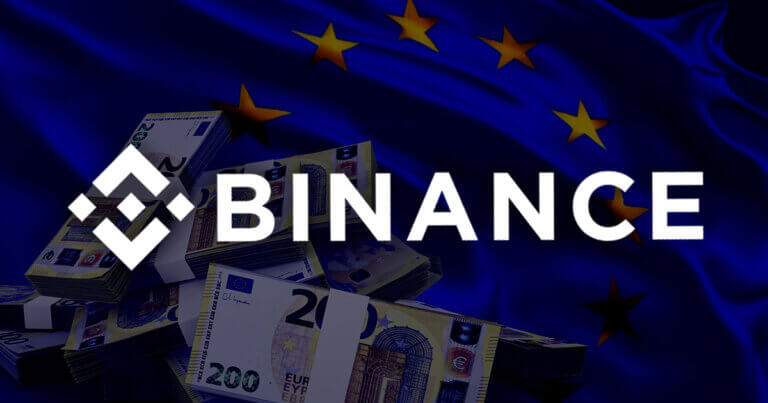
Binance, a leading cryptocurrency exchange, has announced it will discontinue trading pairs involving stablecoins that do not comply with the European Union’s Markets in Crypto-Assets regulation for users in the European Economic Area by March 31, 2025. This decision aligns with the EU’s efforts to establish a standardized regulatory framework for crypto-assets, aiming to enhance transparency and consumer protection.

The affected stablecoins include Tether , First Digital USD , TrueUSD , Pax Dollar , Dai , Augmint Euro Token , TerraUSD , TerraClassicUSD , and PAX Gold . Binance has advised its EEA users to convert their holdings in these non-compliant stablecoins to those that meet MiCA standards, such as USD Coin and Euro Coin , or directly to euros.

The MiCA regulation, which came into force in June 2023, seeks to create a cohesive regulatory environment for crypto-assets across the EU. It introduces stringent requirements for stablecoin issuers, including maintaining adequate reserves and adhering to transparency and consumer protection standards. Stablecoins are categorized under MiCA as either e-money tokens , which reference a single official currency, or asset-referenced tokens , which are linked to multiple assets.

Circle’s USD Coin and Euro Coin are among the few stablecoins that have achieved MiCA compliance. This compliance ensures their continued availability and use within the EEA. In contrast, prominent stablecoins like Tether and MakerDAO’s Dai have not met MiCA requirements, leading to their delisting from platforms operating within the EU.

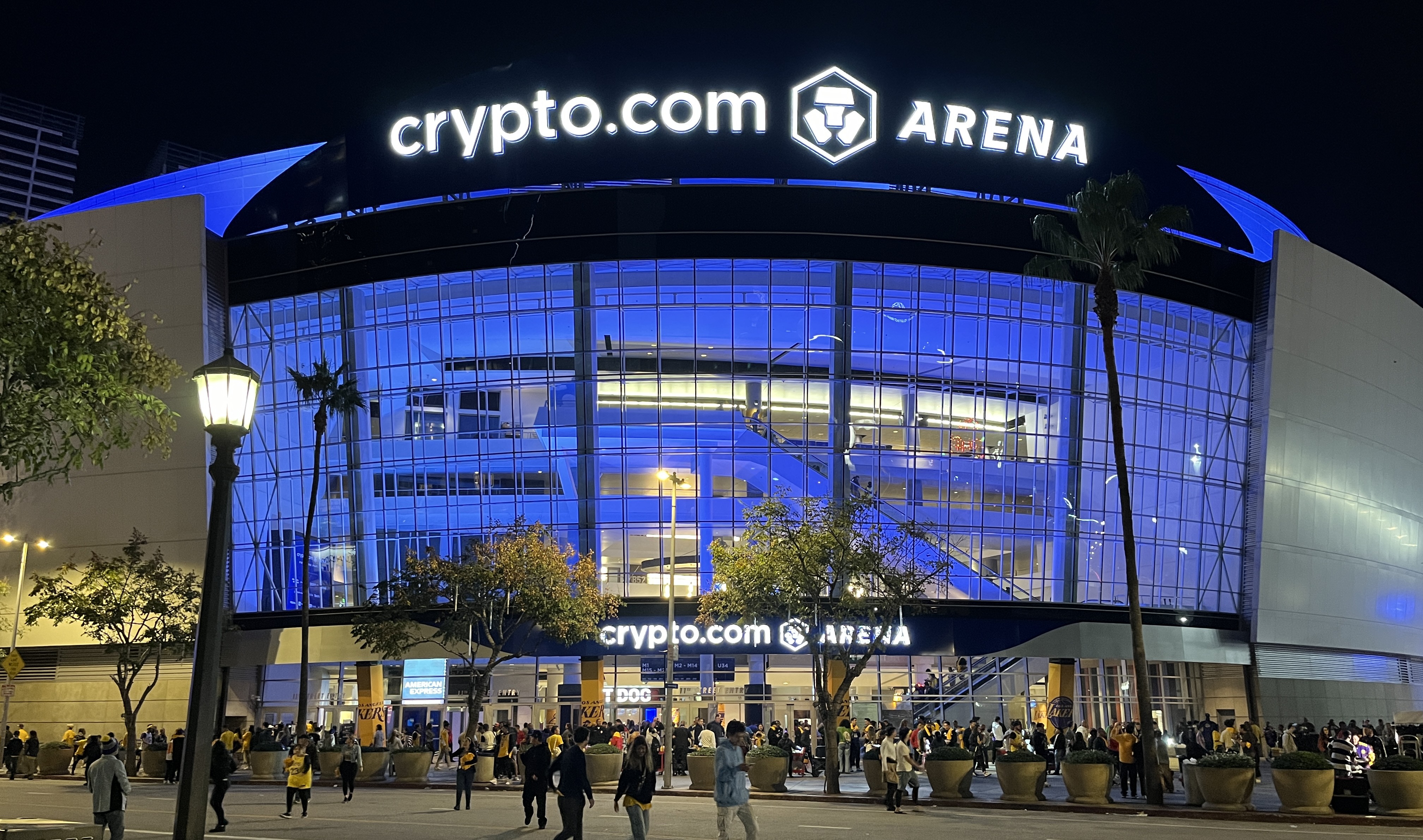
Binance’s move is part of a broader trend among cryptocurrency exchanges to align with the new regulatory landscape. Other exchanges, such as Crypto.com and Kraken, have also announced plans to delist non-compliant stablecoins to adhere to MiCA standards. For instance, Crypto.com has outlined its intention to halt deposits of certain stablecoins by January 31, 2025, with full delisting scheduled for March 31, 2025. Similarly, Kraken is preparing to remove Tether and four other stablecoins from its platform in the EEA to comply with the regulations.

The European Securities and Markets Authority has set a deadline of March 31, 2025, for digital asset firms to ensure compliance with MiCA. This regulatory push underscores the EU’s commitment to fostering a secure and transparent crypto market, mitigating risks associated with stablecoins, and protecting investors.

MiCA’s implementation has also spurred the development of new compliant stablecoins. Dutch fintech company Quantoz Payments, for example, is set to launch two stablecoins, EURQ and USDQ, both licensed by the Dutch Central Bank as e-money tokens. These developments indicate a shift towards regulated digital finance in Europe, providing consumers with more secure and compliant options for digital payments.

Vietnam’s government has initiated the development of a legal framework for digital assets and currencies, aiming to bolster economic growth to at least 8% by 2025. Prime Minister Pham Minh Chinh has directed the Ministry of Finance and the State Bank of Vietnam to draft the necessary regulations, with a proposal expected to be submitted this month. This initiative is part of Directive No. 05, which outlines measures to stimulate the nation’s economic expansion.

The absence of a formal legal framework for digital assets has left Vietnamese investors vulnerable to potential scams and financial losses. Currently, cryptocurrency transactions occur without specific regulatory oversight, increasing the risk for participants. The government’s move to establish clear regulations seeks to protect users and enhance trust in blockchain technology and related applications.

Nguyễn Duy Hưng, Chairman of Saigon Securities Incorporation, highlighted Vietnam’s significant position in the global digital asset market, noting that the country ranks among the top four in terms of transaction volume. He emphasized the necessity of a transparent legal framework to ensure that both developers and investors are protected, thereby fostering a secure environment for market participants and deterring fraudulent activities.

The urgency for regulation has been underscored by incidents such as a recent $100 million cryptocurrency fraud, which exploited the regulatory vacuum. Lawyer Phạm Ba Đô, Director of SJKLAW Law Firm, pointed out that the lack of comprehensive legal guidelines has created fertile ground for such fraudulent schemes. He advocates for the prompt establishment of clear definitions and regulations concerning virtual currencies and assets, recognizing their potential for trade and payment in specific contexts while clarifying their status as legal means of payment.

Vietnam’s strategic move to regulate digital assets aligns with its broader economic ambitions. The country has revised its GDP growth target for 2025 to at least 8%, up from the previous range of 6.5% to 7.0%. This adjustment reflects the government’s commitment to rapid economic development. The National Assembly has approved significant infrastructure projects, including the construction of the country’s first nuclear power plants and a rail link connecting northern Vietnam’s major seaport to China. These initiatives are expected to enhance the nation’s industrial capabilities and trade connectivity.

The manufacturing sector continues to be a cornerstone of Vietnam’s economy, with value added projected to reach $108.7 billion by 2025, growing at a compound annual growth rate of 3.33% from 2025 to 2029. The country’s strategic location, coupled with labor costs approximately 50% lower than China’s, makes it an attractive destination for international businesses seeking relocation. Government tax incentives and participation in trade agreements like the Comprehensive and Progressive Agreement for Trans-Pacific Partnership and the EU-Vietnam Free Trade Agreement further enhance Vietnam’s appeal as a manufacturing hub.

However, achieving the ambitious 8% GDP growth target is not without challenges. The Asian Development Bank forecasts Vietnam’s GDP growth at 6.2% for 2025, while the World Bank projects a slightly higher rate of 6.6%. These figures, though optimistic, fall short of the government’s target, indicating the need for effective policy implementation and favorable external conditions to realize the desired growth.

The development of a legal framework for digital assets is expected to attract foreign investment and stimulate innovation within the financial sector. By providing legal clarity, Vietnam aims to position itself as a regional leader in the digital economy, capitalizing on the growing global interest in cryptocurrencies and blockchain technology.

Advertisements

MoneyHash, a leading payment orchestration platform operating in the Middle East and Africa , has been honoured as one of the UAE’s Future 100 companies, acknowledging its significant contributions to fintech innovation in the region. This accolade underscores the company’s commitment to addressing the complex payment infrastructure challenges faced by businesses across the MEA region.

Founded by Egyptian entrepreneurs, MoneyHash offers a unified application programming interface that simplifies the integration of various payment methods and providers. This solution streamlines the checkout experience for businesses, reducing operational costs and enhancing scalability across different markets. The platform’s ability to navigate the fragmented payment landscape in emerging markets has positioned it as a crucial player in the regional fintech ecosystem.

In January 2025, MoneyHash secured $5.2 million in pre-Series A funding, led by Flourish Ventures, a global fintech investor known for backing industry leaders such as Chime and FlutterWave. New investors, including Saudi Arabia’s Vision Ventures, Arab Bank’s venture capital arm, and Emurgo Kepple Ventures, also participated in the round. Notably, Jason Gardner, founder and former CEO of Marqeta, made his first investment in the MEA region through this funding round. This financial boost followed a $4.5 million seed round in early 2024, reflecting the company’s rapid growth and the increasing confidence of investors in its business model.

The payment landscape in emerging markets is often characterized by high failure rates and operational challenges. Each market presents a unique set of payment providers, methods, and regulations, leading to increased operational costs and revenue leakage for businesses. MoneyHash addresses these issues by offering a unified platform that integrates various payment solutions, thereby reducing complexity and improving efficiency. According to Nader Abdelrazik, co-founder and CEO of MoneyHash, failure rates in these markets are three times the global average, with fraud rates and cart abandonment over 20% higher than in developed markets. By leveraging their extensive experience in the MEA region, MoneyHash aims to transform payments from a cost and risk center into a growth enabler for businesses.

The UAE’s Future 100 initiative aims to support the top 100 emerging companies that play a vital role in the competitiveness of the country’s future economy sectors. The program has secured 25 new partnerships, spanning strategic, media, and community collaborations, to support these emerging companies. The inaugural list of Future 100 companies was unveiled on December 2, highlighting businesses that are expected to drive innovation and economic growth in the UAE.

MoneyHash’s recognition as a Future 100 company not only highlights its innovative approach to payment solutions but also emphasizes the growing importance of fintech in the region’s economic development. As businesses in the MEA region continue to seek efficient and scalable payment solutions, platforms like MoneyHash are poised to play a pivotal role in shaping the future of commerce.

The company’s recent funding and accolades reflect a broader trend of increased investment in fintech solutions that address the unique challenges of emerging markets. By simplifying payment processes and reducing operational hurdles, MoneyHash empowers businesses to focus on growth and customer engagement, thereby contributing to the overall economic development of the region.

Dubai’s employment landscape is undergoing a significant transformation, marked by an overwhelming influx of job seekers. Trefor Murphy, head of the recruitment firm Cooper Fitch, observes that job postings in the city, which previously attracted approximately 100 applicants, are now receiving up to 2,000 applications. This surge is attributed to Dubai’s robust economic growth and its appeal as a global business hub. The city’s strategic initiatives and […]

The Ethereum Foundation has announced a significant restructuring of its leadership, appointing Hsiao-Wei Wang and Tomasz Stańczak as co-executive directors, effective from 17 March 2025. This move coincides with Aya Miyaguchi’s transition from executive director to president of the organization. Additionally, prominent Ethereum developer Danny Ryan has joined Etherealize, a new venture aiming to bridge Ethereum with institutional investors.

Hsiao-Wei Wang brings seven years of experience as a core researcher at the EF, contributing notably to the development of the Beacon Chain and fostering Ethereum’s community in Taiwan. Her deep understanding of Ethereum’s foundational principles positions her well for this leadership role. Tomasz Stańczak, founder and CEO of Nethermind, an Ethereum client development firm, has been instrumental in enhancing Ethereum’s infrastructure and scalability. His technical expertise and leadership within the developer community are expected to drive further innovation within the EF.

Aya Miyaguchi’s elevation to president reflects her ongoing commitment to Ethereum’s mission. Having served as executive director since 2018, Miyaguchi has played a pivotal role in expanding Ethereum’s global reach and fostering partnerships across various sectors. Her new role will allow her to focus on strategic initiatives and broader ecosystem development.

In a parallel development, Danny Ryan, a longtime Ethereum researcher and developer, has joined Etherealize as a co-founder. Etherealize, established by former banker Vivek Raman, aims to bridge the gap between Ethereum and traditional financial institutions by educating and engaging with institutional investors. Ryan’s involvement underscores a concerted effort to position Ethereum as a serious asset within mainstream finance.

These leadership changes come at a critical juncture for Ethereum, as the platform seeks to address scalability challenges and enhance its infrastructure. The appointment of Wang and Stańczak introduces a co-leadership model aimed at fostering collaboration and leveraging diverse expertise. This approach aligns with the EF’s commitment to decentralization and community-driven development.

Saudi Arabia’s leading low-cost airline, Flynas, has secured a Murabaha financing agreement worth SAR 495 million with Bank Aljazira to fund the acquisition of three Airbus A320neo aircraft. This strategic move aligns with Flynas’s ambitious expansion plans, aiming to enhance its operational capacity and competitiveness within the regional aviation sector.

The financing deal underscores Flynas’s commitment to modernizing its fleet and expanding its network coverage. The addition of the A320neo aircraft is expected to improve operational efficiency and support the airline’s goal of adding over 100 aircraft by the end of 2030, as part of a total order of 280 aircraft. This expansion is anticipated to contribute significantly to the growth of the Saudi aviation sector, aligning with the Kingdom’s Vision 2030 objectives.

Bank Aljazira’s involvement in this financing arrangement highlights the bank’s role in supporting the aviation industry’s growth in Saudi Arabia. The Sharia-compliant Murabaha financing structure reflects the bank’s commitment to providing tailored financial solutions that meet the specific needs of its clients while adhering to Islamic banking principles.

In July 2022, Flynas became the first airline to sign a purchase and leaseback agreement with AviLease, a subsidiary of the Public Investment Fund , for 12 Airbus A320neo aircraft. This collaboration marked a significant milestone in Flynas’s expansion strategy and demonstrated the airline’s proactive approach to fleet modernization.

The recent financing agreement with Bank Aljazira is a continuation of Flynas’s efforts to strengthen its fleet and expand its operations. The acquisition of the new A320neo aircraft is expected to enhance Flynas’s competitiveness in the regional aviation market and support the airline’s long-term growth objectives.

Flynas’s expansion plans are also expected to have a positive impact on the Saudi aviation sector as a whole. The airline’s growth is anticipated to increase connectivity within the Kingdom and beyond, supporting tourism and economic development in line with Vision 2030.

The financing agreement with Bank Aljazira demonstrates the bank’s commitment to supporting key sectors in Saudi Arabia, including aviation. By providing Sharia-compliant financing solutions, Bank Aljazira is playing a crucial role in facilitating the growth of the aviation industry and supporting the Kingdom’s economic diversification efforts.

The addition of the new Airbus A320neo aircraft to Flynas’s fleet is expected to enhance the airline’s operational efficiency and support its expansion into new markets. The A320neo is known for its fuel efficiency and advanced technology, making it a valuable asset for airlines seeking to optimize their operations and reduce environmental impact.

Matein Khalid Had Warren Buffett, oracle of Omaha, been born North Indian, he would have summarized Wall Street’s temper tantrum since last Friday with his famous observation “only when the tide goes out do you discover who’s been swimming nanga punga (naked)”. When history’s most iconic value investor ran up $300 billion in cash, I knew that the tide had run out for this deliciously profitable but […]

The United Arab Emirates’ banking sector is set to maintain its earnings growth trajectory into 2025, bolstered by robust government support and strong capital positions, even as monetary policy tightens. Consultancy firm Alvarez & Marsal reports that aggregate earnings for UAE-listed banks increased by 8% year-on-year in 2024, primarily due to a 26.8% decline in annual impairment charges, attributed to recoveries and reduced write-downs. However, return on […]

By Raju Kumar BHOPAL: Madhya Pradesh, often referred to as the “Heart of India,” is renowned for its rich historical, cultural, and natural heritage. The state government has implemented various initiatives to develop the tourism sector and attract investments. The Global Investors Summit 2025 in Bhopal has raised hopes for a renewed focus on the […]

In a significant advancement for the United Arab Emirates’ financial sector, Hubpay, a cross-border payments platform, has partnered with Aquanow, a leading digital asset infrastructure provider, to launch the nation’s first fully regulated cryptocurrency payment gateway tailored for businesses and small to medium-sized enterprises . This collaboration enables companies across various sectors—including real estate, manufacturing, and general trading—to securely accept cryptocurrency payments alongside traditional fiat transactions.

The introduction of this regulated crypto payment facility comes in the wake of the UAE Central Bank’s Payment Token Services Regulation , which was enacted on 6 July 2024. The PTSR establishes a comprehensive framework for digital payment services in the UAE, particularly those involving cryptocurrency ‘payment tokens’ or ‘stablecoins’. Under this regulation, entities offering payment token services must obtain appropriate licensing or registration from the Central Bank to operate within the country.

Aquanow, recognized for its comprehensive trading and payment solutions in the digital asset space, has been awarded a Virtual Asset Service Provider license by Dubai’s Virtual Assets Regulatory Authority . This license authorizes Aquanow to offer broker-dealer services, management and investment services, and lending and borrowing services related to virtual assets within the Emirate. The partnership with Hubpay leverages Aquanow’s licensed infrastructure to facilitate seamless and secure cryptocurrency transactions for businesses operating in the UAE.

The UAE has been proactive in positioning itself as a global hub for the cryptocurrency industry. Government-owned licensing firm KIKLABB in Mina Rashid, Dubai, now accepts cryptocurrency payments—including Bitcoin , Ethereum , and Tether —for various trade licenses and visas. Additionally, the Dubai Financial Services Authority has announced plans to develop a comprehensive crypto-regulatory framework, further solidifying the nation’s commitment to embracing digital assets.

Matein Khalid I butcher the great Regency poet William Blake’s surreal ode to tigers and dark satanic mills “China, China burning bright/in the forest of the night/what immortal hand or eye/could frame thy fearful symmetry”. JD is up 8% overnight, Alibaba is up 72% since my $85 golden goose post 3-months ago and the KWEB is up 24% YTD. The PBOC is easing monetary policy. Fiscal stimulus […]

Singapore’s fintech investment recalibrated to US$1.3 billion in 2024, in line with global shifts toward sustainable growth. Crypto and blockchain investment increased 22 percent in H2’24 to US$267 million, driven by AI-integrated solutions. AI-powered fintech surged, with investment jumping from US$24 million in H1’24 to US$160 million in H2’24, reflecting demand for regtech and automation. H2’24 fintech deal value grew 41 percent, reflecting a shift toward high-value, […]

The financial fallout from FTX’s collapse has escalated, with bankruptcy-related expenses approaching $1 billion, positioning it among the most expensive corporate failures in U.S. history. Court records indicate that legal and advisory fees have reached approximately $948 million, with over $952 million in fees approved to date.

This figure significantly exceeds the combined bankruptcy costs of other notable cryptocurrency firms. For instance, Celsius Network’s proceedings have incurred $229 million in expenses, Genesis Global approximately $132 million, BlockFi around $81 million, and Voyager Digital about $60 million. Collectively, these four companies have amassed roughly $502 million in bankruptcy-related fees, just over half of FTX’s total.

In comparison to traditional financial sector bankruptcies, FTX’s costs are substantial but still fall short of the most expensive cases. The 2008 collapse of Lehman Brothers remains the costliest Chapter 11 case in U.S. history, with legal and professional fees totaling nearly $6 billion. Similarly, the restructuring of Puerto Rico’s public debt has surpassed $2 billion, marking it as the most expensive municipal bankruptcy in the nation.

The extensive fees associated with FTX’s bankruptcy are attributed to the complex nature of the case, involving multiple jurisdictions, a myriad of creditors, and intricate asset recovery efforts. The proceedings have engaged numerous law firms and financial consultants tasked with untangling the company’s finances and identifying assets to repay creditors.

Despite the high costs, there is an expectation that most creditors will receive full repayment, an uncommon outcome in corporate bankruptcy cases. This optimistic projection is based on the ongoing efforts to recover assets and the potential for future gains from the liquidation of FTX’s remaining holdings.

The FTX bankruptcy serves as a stark reminder of the potential risks and complexities inherent in the rapidly evolving cryptocurrency industry. As digital asset platforms continue to grow, the financial and legal ramifications of their failures are likely to have far-reaching implications for investors, regulators, and the broader financial system.

In the wake of FTX’s collapse, discussions have intensified regarding the need for more robust regulatory frameworks to oversee cryptocurrency exchanges and related entities. Policymakers and industry stakeholders are advocating for clearer guidelines to protect investors and ensure the stability of the financial system.

The unprecedented costs associated with FTX’s bankruptcy may prompt a reevaluation of risk management practices within the cryptocurrency sector. Companies operating in this space might face increased scrutiny and be required to implement more stringent compliance measures to prevent similar incidents in the future.

As the FTX case continues to unfold, it underscores the importance of due diligence and transparency in the cryptocurrency industry. Investors are urged to exercise caution and thoroughly assess the risks associated with digital asset investments.

The WOW Summit 2025 is set to take centre stage in Hong Kong as a key platform for exploring the intersection of cutting-edge technologies like artificial intelligence , fintech, robotics, digital art, gaming, and decentralized finance. Organised by Invest Hong Kong and the Hong Kong Tourism Board, the event promises to delve into the transformative effects these technologies have on everyday life, with a particular focus on the innovation and opportunities they bring to global industries.

Held in one of Asia’s foremost hubs for technological innovation, the summit will bring together industry leaders, entrepreneurs, and experts from around the world. Attendees can expect a comprehensive overview of how technologies such as AI and blockchain are reshaping sectors from healthcare to finance. The event will highlight emerging trends, from automated systems and machine learning to virtual reality gaming, underscoring the potential impact on both business and society.

At the core of the summit’s agenda is the exploration of AI’s evolving role in society. Hong Kong has emerged as a key player in AI development, with substantial investments pouring into AI-driven start-ups and established tech giants ramping up their AI capabilities. During the event, thought leaders and innovators will discuss AI’s application in various fields, including predictive analytics, personalisation in services, and the role of machine learning in business decision-making. The future of work and the integration of AI into professional environments will also be a focal point, as companies seek to leverage automation to enhance efficiency.

A significant feature of the summit will be the discussions around decentralized finance , a rapidly growing sector that challenges traditional financial systems by offering decentralised, blockchain-based alternatives to traditional banking and finance. Hong Kong, with its robust financial infrastructure and regulatory frameworks, is positioning itself as a leader in this space. Experts will examine how DeFi is likely to evolve, its impact on the financial ecosystem, and the potential risks and benefits it brings for investors, businesses, and consumers.

Robotics will also take centre stage, with a particular focus on advancements in autonomous systems and robotics in manufacturing, healthcare, and logistics. Hong Kong’s strategic location in Asia has made it a key player in the robotics sector, with the city’s companies and research institutions driving innovations in automation, from drones to humanoid robots. The summit will offer insights into the future of robotics, exploring how these technologies can enhance efficiency, reduce costs, and improve service delivery across industries.

Gaming and digital art are expected to be key discussion points, with Hong Kong increasingly becoming a hub for digital art and interactive media. The event will bring together game developers, artists, and content creators to explore the evolving landscape of digital entertainment. Panel discussions and demonstrations will explore how augmented and virtual reality technologies are reshaping gaming experiences, as well as the growing role of NFTs in the digital art world. As the line between digital and physical experiences continues to blur, the summit will examine the role these technologies play in shaping new forms of creative expression and entertainment.

Alongside the spotlight on technologies, WOW Summit 2025 will offer significant networking opportunities for businesses, governments, and startups to collaborate on innovative projects and share insights. Hong Kong, with its well-established reputation as a global business and financial centre, will be the ideal location to connect entrepreneurs with investors, paving the way for cross-border partnerships and investment opportunities.

The event will also focus on Hong Kong’s potential as a global technology hub. As one of Asia’s most technologically advanced cities, Hong Kong is positioning itself as a bridge between East and West, offering unique opportunities for international collaboration. The city’s sophisticated infrastructure, business-friendly policies, and strategic location make it an attractive destination for technology companies looking to expand their reach in Asia and beyond.

The rise of AI, blockchain, and robotics in everyday life is a topic of intense interest globally, and WOW Summit 2025 is poised to be a critical meeting point for thought leaders in these fields. As businesses and governments around the world navigate the complexities and opportunities of emerging technologies, the summit offers a unique chance to gain a deeper understanding of how these innovations are likely to shape the future. The conference will provide a platform for the latest research, case studies, and practical insights that could redefine industries and lead to new solutions to contemporary challenges.

A highlight of the summit will be a series of keynote speeches and panel discussions led by some of the most influential figures in technology. Industry giants and startup founders will share their insights on the role of emerging technologies in shaping tomorrow’s world. Attendees will have the opportunity to hear about groundbreaking developments in AI, blockchain, and robotics, as well as the future of decentralised finance, all of which are driving significant changes in various sectors.

As part of the WOW META FEST 2025, the summit will also feature interactive exhibitions and live demonstrations of emerging technologies, offering visitors the chance to experience firsthand the innovations that are set to redefine how we live, work, and interact. The event aims to bridge the gap between the digital and physical worlds, providing an immersive experience that allows visitors to explore the future of technology in a tangible way.


PayPal Holdings Inc. is set to enhance the adoption of its stablecoin, PayPal USD , by integrating it into merchant payment systems and global payout services by 2025. This strategic move aims to provide over 20 million small and medium-sized merchants with the option to utilize PYUSD for vendor payments, thereby streamlining transactions and reducing reliance on traditional banking systems.

The forthcoming bill payment product will enable merchants to settle invoices using PYUSD, facilitating faster and more cost-effective cross-border transactions. By leveraging blockchain technology, PayPal intends to minimize currency conversion fees and expedite settlement times, offering a competitive edge in the global payments landscape.

In addition to merchant payments, PayPal plans to incorporate PYUSD into its global payout platform, Hyperwallet. Acquired by PayPal in 2018, Hyperwallet specializes in mass payments, assisting organizations in disbursing funds to contractors, freelancers, and sellers worldwide. The integration of PYUSD is expected to be operational in the first half of this year, enabling businesses to execute bulk payments with increased efficiency and reduced costs.

Alex Chriss, PayPal’s Chief Executive Officer, emphasized the company’s commitment to practical blockchain applications, stating, “We’ve been talking about blockchain for a decade—these concepts will never become real until you actually start consuming them. I think that’s what we’re achieving.” This initiative reflects PayPal’s broader strategy to incorporate digital currencies into its suite of financial services, positioning itself at the forefront of the evolving digital economy.

The introduction of PYUSD into PayPal’s ecosystem is poised to offer several benefits to merchants and service providers. By adopting the stablecoin, businesses can mitigate the volatility often associated with cryptocurrencies, ensuring stable value in transactions. This stability is particularly advantageous for small and medium-sized enterprises engaged in international trade, as it simplifies accounting processes and enhances financial predictability.

The use of PYUSD can lead to significant cost savings. Traditional cross-border payments often involve multiple intermediaries, each imposing fees that accumulate, increasing the overall cost of transactions. By utilizing PYUSD on a blockchain platform, PayPal aims to eliminate unnecessary intermediaries, thereby reducing transaction fees and making international commerce more accessible to a broader range of businesses.

The integration with Hyperwallet further extends PYUSD’s utility beyond merchant transactions. Freelancers, contractors, and other gig economy workers stand to benefit from faster and more reliable payments. Traditional payment methods can be slow, especially for international transfers, often taking several days to process. With PYUSD, payouts can be processed more swiftly, providing workers with quicker access to their earnings and improving overall financial liquidity.

PayPal’s strategic focus on PYUSD comes at a time when the global payments industry is increasingly embracing digital currencies. The company’s extensive user base and established trust in the financial technology sector position it well to drive mainstream adoption of stablecoins. By integrating PYUSD into everyday financial transactions, PayPal is not only enhancing its service offerings but also contributing to the broader acceptance and utilization of digital currencies in the global economy.

The stock market may grab all the headlines, but behind the scenes, savvy investors are making serious moves into corporate bonds. Once seen as the dull cousin to equities, corporate bonds are having a moment as a growing number of investors recognize their ability to deliver attractive returns, stability, and a tactical hedge against volatility. If you’re not paying attention, you’re missing out on what could be […]

Saudi Arabia’s residential real estate market is experiencing significant affordability challenges as property prices continue to escalate, particularly in major urban centers like Riyadh. According to Knight Frank’s Summer 2024 Saudi Arabia Residential Market Review, the first half of 2024 saw a 38% surge in total real estate transactions across all asset classes, totaling over 106,700 deals. The total value of these transactions grew by 50% to SAR 127.3 billion during the same period. Residential transactions accounted for 61% of all real estate deals by value, with a 41% increase in the number of deals, reaching just under 91,860 sales. The value of residential transactions rose by 48% to SAR 77.6 billion. citeturn0search2

Despite the robust activity, the market is grappling with deepening affordability issues. Knight Frank’s Winter 2023-24 report highlighted a 36% decline in the total value of mortgages issued, amounting to SAR 74.2 billion, as higher interest rates and escalating property prices deter potential buyers. Mortgage rates have risen from 3% to 5% over the past year, further eroding purchasing power, especially in the villa segment. This trend indicates that while transaction volumes are increasing, the financial burden on buyers is intensifying. citeturn0search3

The government’s ambitious Vision 2030 plan aims to achieve a 70% homeownership rate by the end of the decade. However, the Financial Times reported that property prices in Riyadh have surged dramatically since the pandemic, with house prices rising by 81% and apartment prices by 56% since 2020. This rapid appreciation has made homeownership increasingly unattainable for many Saudis, particularly in Riyadh, where the current homeownership rate stands at 53.2%. To combat this, the National Housing Company has initiated projects to construct over 30,000 housing units, and state-subsidized bank loans are being offered to assist buyers. Despite these efforts, the influx of young Saudis to Riyadh for new job opportunities has intensified demand, further driving up prices. citeturn0news9

Knight Frank’s research indicates that 77% of expatriates residing in Saudi Arabia are interested in purchasing homes within the Kingdom. However, 75% are willing to allocate under SAR 1.5 million for a property, with almost 40% unwilling to spend over SAR 750,000. This presents a significant challenge, as average prices in cities like Riyadh are approximately SAR 800,000 for a two-bedroom apartment and SAR 2.7 million for a three-bedroom villa. The disparity between expatriates’ budgets and prevailing market prices underscores the pressing need for more affordable housing options. citeturn0search8

The affordability crisis is further exacerbated by the Kingdom’s substantial investments in mega-projects under the Vision 2030 initiative. Business Insider reported that Saudi Arabia has invested $1.3 trillion in real estate and infrastructure over the past eight years, with the Neom megacity project alone receiving $28.7 billion in funding. While these projects aim to modernize the economy and reduce dependence on oil revenue, they have also contributed to rising property values, making it more challenging for average citizens to enter the housing market. citeturn0news10

A fraudulent account impersonating Sam Bankman-Fried, the incarcerated founder of FTX, has emerged on X , disseminating false information and promoting dubious meme coins. This development follows Bankman-Fried’s unexpected return to social media after a two-year hiatus, during which he commented on government layoffs and corporate management challenges.

The impersonating account falsely claimed that former President Donald Trump had pardoned Bankman-Fried and that he was joining the Department of Government Efficiency , a fictitious entity purportedly led by Elon Musk. The account further promoted the issuance of a meme coin, sharing a contract address and urging users to invest. These assertions are entirely baseless, as Bankman-Fried remains incarcerated, serving a 25-year sentence for fraud and conspiracy to launder money.

The fraudulent account managed to obtain a gray verification checkmark on X, typically reserved for government or multilateral organization accounts, suggesting a possible compromise of an official account. This misuse of verification has raised concerns about the platform’s security measures and the potential for such scams to mislead users.

In response to the scam, multiple users reported the account for suspicious activity, highlighting the dangers of identity theft and fraud in the digital space. The deceptive messages were swiftly removed, but not before causing confusion and potential financial harm to unsuspecting investors.

This incident underscores the importance of vigilance in the cryptocurrency community, where scammers frequently exploit high-profile figures and current events to perpetrate fraud. Users are advised to verify information through official channels and exercise caution when encountering unsolicited investment opportunities, especially those promising unrealistic returns.

The emergence of this fraudulent account coincided with Bankman-Fried’s genuine activity on X, where he broke his two-year silence to discuss issues related to government layoffs and corporate management. In his posts, he drew parallels between unemployment and his own experiences, stating, “I have a lot of sympathy for gov’t employees: I, too, have not checked my email for the past few days.” He further reflected on the challenges of layoffs, suggesting they often stem from management failures rather than employee performance.

Bankman-Fried’s unexpected return to social media has sparked discussions about his access to communication tools while incarcerated and the broader implications of his statements. However, the appearance of the fraudulent account has overshadowed these conversations, highlighting the persistent threat of scams in the cryptocurrency sector.

Travel, Explore, Live It with Etiqa’s Extensive Travel Insurance Offers and Exciting Prizes SINGAPORE – Media OutReach Newswire – 25 February 2025 – Etiqa Insurance Singapore, a leading general and life insurer, returns as the Official Travel Insurer for the National Association of Travel Agents Singapore (NATAS) Travel Fair 2025. Themed ‘Travel, Explore, Live It!‘, Singapore’s largest premier travel fair will be held at the Singapore Expo […]

VISHNU RAJA
RYO YAMADA
HITORI GOTOH
IKUYO KITA