News related to
Bank

DBS Bank, Singapore’s largest financial institution, has announced plans to expand its crypto offerings by launching over-the-counter (OTC) crypto options trading and structured notes tailored for institutional investors. This strategic move is set to roll out in the fourth quarter of 2024, marking another significant step in DBS’s increasing involvement in digital assets. The new offerings will give institutional clients exposure to Bitcoin and Ethereum, the two largest cryptocurrencies by market capitalization, helping them manage risks tied to market volatility.

With these new financial products, DBS is looking to cater to institutional demand for advanced risk management tools in the volatile crypto market. The OTC crypto options allow clients to hedge against market fluctuations, while the structured notes, which are debt securities linked to the value of underlying assets, offer another layer of protection. Both products are designed to give clients flexibility in managing their portfolios, especially when dealing with highly unpredictable assets like Bitcoin and Ethereum.

The Gaza Strip has become the center of a devastating humanitarian crisis over the past 11 months, with the ongoing conflict laying bare the deep-seated issues of occupation and colonization that have long fueled geopolitical tensions. Families have been decimated, while homes, schools, and hospitals lie in ruins, creating a dire need for immediate relief. Amid this turmoil, the call for urgent humanitarian aid has resonated far beyond the borders of the Arab region, drawing global attention.

Arab philanthropies, particularly members of the Arab Foundations Forum (AFF) and other regional foundations, have been swift to respond. These organizations have mobilized resources to provide essential aid, while also working to address the broader question of philanthropy’s role in long-term rebuilding efforts. However, despite the immediate response, a more substantial conversation has emerged around the need for sustainable, impact-driven funding for Gaza and Palestine. Comparisons have been drawn between the outpouring of global support for Ukraine since the start of the war and the comparatively limited funds allocated to Gaza, a disparity that has not gone unnoticed.

A significant aspect of the Arab response has come from private individuals who have contributed millions through crowdfunding and personally funded initiatives. This grassroots mobilization has proven critical for Gazans seeking to flee to Egypt or other safe havens, as formal mechanisms for their escape remain scarce. Families and communities have largely taken on the responsibility for the lives of those in immediate danger, showcasing the deep tradition of community-driven aid that defines the region’s philanthropic spirit.

While the initial focus has been on emergency relief, many foundations have also begun to address the need for long-term development and reconstruction. These efforts aim to create a sustainable future for the region, with a focus on social justice and equity. By partnering with international organizations and fostering collaborations, Arab philanthropy is laying the groundwork for rebuilding Gaza once the violence subsides, with hopes of supporting a more equitable and just future for Palestinians.

Among the notable initiatives, Saudi Arabia has played a prominent role. The Kingdom has allocated over $158 million in humanitarian aid to Gaza, largely through the Sahem platform, which is managed by the King Salman Humanitarian Aid and Relief Center (KSRelief). This funding has been directed toward food, medical supplies, and other essential relief efforts, helping to alleviate some of the immediate suffering of the population.

The United Arab Emirates has also made significant contributions, committing over $62 million to Gaza relief. Of this, $20 million has been allocated to support the United Nations Relief and Works Agency for Palestine Refugees in the Near East (UNRWA). These funds have been used to provide food, medicine, and emergency shelter to those affected by the conflict. Other countries in the region, such as Qatar, Jordan, Morocco, Oman, and Egypt, have also played their part, offering financial support, in-kind donations, and facilitating the movement of aid to Gaza.

Despite these efforts, the magnitude of the crisis demands more. The long-term costs of rebuilding entire communities, infrastructures, and lives in Gaza are overwhelming. The eventual goal is not only to restore what has been lost but also to build a free and sovereign state for the Palestinian people. However, achieving this will require far more than the short-term emergency funds currently being allocated.

The unique nature of the Arab region’s philanthropic response lies in the overlap between official government assistance and private donations. In many Gulf countries, philanthropic efforts must be channeled through government-approved mechanisms, which complicates the ability to quantify the full scale of the sector’s contributions. Nonetheless, several Arab foundations have shown that independent philanthropy remains a vital force.

The Abdulla Al Ghurair Foundation’s Education Relief Fund is one such example of targeted intervention. This initiative supports 900 students from Gaza and the West Bank whose studies have been disrupted by the war. With a focus on students in medicine, health sciences, and STEM fields, the program offers grants to cover tuition and living expenses for those studying abroad. The goal is to ensure these students can complete their education and eventually contribute to rebuilding their communities, particularly in healthcare and scientific fields. The foundation is collaborating with the Unite Lebanon Youth Project to implement the program.

Dubai Cares has also been a key player in the Gaza relief efforts. Through its ‘Gaza In Our Hearts’ campaign, launched during Ramadan in 2024, the organization has provided emergency relief in the form of food baskets, hot meals, and shelter tents. By April 2024, the campaign had raised over AED 10.75 million, enabling the distribution of more than 20 million meals and hundreds of thousands of food baskets. This initiative forms part of the broader UAE-wide ‘Tarahum for Gaza’ response, which involves multiple charitable organizations and volunteer centers across the country.

The collective response from the Arab region was further amplified by the Arab Foundations Forum, which launched a Donor Appeal for Gaza in partnership with several prominent organizations. The appeal, which includes the Asfari Foundation, Taawon, and Life for Relief and Development, bypassed the typical bureaucratic processes to quickly channel funding to community-based organizations in Gaza. The AFF’s Pooled Fund was established to allow individuals and smaller donors to contribute to efforts on the ground, although the funds raised so far still fall far short of the estimated needs for long-term recovery.


Gold prices may experience a temporary decline if the Federal Reserve decides to implement a modest 25-basis-point interest rate cut in its upcoming meeting. According to analysts, this anticipated adjustment could momentarily disrupt the precious metal’s upward trajectory. However, the underlying trend remains positive, with projections indicating that gold will ultimately rebound and achieve new highs, driven by increased investment inflows and persistent economic uncertainties.

The Federal Reserve’s monetary policy decisions are pivotal for gold prices, given the metal’s historical role as a hedge against inflation and economic instability. If the Fed proceeds with the quarter-point rate cut, it would mark a cautious approach amid ongoing economic challenges. A smaller rate reduction might not provide the immediate stimulus that markets had hoped for, leading to a short-term sell-off in gold as investors recalibrate their expectations.

Gold’s reaction to such policy moves often hinges on market sentiment and the broader economic context. A rate cut, while generally supportive of gold, could also signal the Fed’s concerns about economic growth, potentially dampening investor enthusiasm in the short term. This dynamic could result in a brief setback for gold prices as market participants assess the implications of the Fed’s decision.

Despite the potential for a near-term dip, the longer-term outlook for gold remains robust. Analysts anticipate that gold will ultimately benefit from sustained economic uncertainties and ongoing investment flows into the metal. Historically, gold has demonstrated resilience during periods of economic volatility, and this trend is expected to continue as investors seek safe-haven assets amid fluctuating market conditions.

One of the key factors driving gold’s future performance is the ongoing trend of rising investment inflows. Institutional investors and central banks have been increasing their gold holdings, viewing the metal as a strategic asset in their portfolios. This growing demand is anticipated to support gold prices and contribute to their upward momentum in the coming months.

Additionally, geopolitical tensions and economic uncertainties are likely to play a significant role in shaping gold’s trajectory. As global markets navigate challenges such as trade tensions, political instability, and evolving economic policies, gold is expected to remain a preferred investment choice. The metal’s ability to act as a hedge against various risks further reinforces its appeal to investors seeking stability and protection.

Bank Muscat has conducted its second educational camp aimed at teaching children the fundamentals of entrepreneurship. The initiative, designed to equip young minds with practical financial skills, took place recently and focused on a variety of essential topics, including earning money, managing savings, budgeting, and goal setting.

The workshop attracted numerous participants, all eager to learn about the principles of financial literacy and entrepreneurship. The camp’s curriculum was carefully crafted to provide a comprehensive introduction to these subjects, ensuring that the children gained valuable insights into money management and entrepreneurial thinking.

Key areas of the camp included the basics of earning money. Participants were introduced to the concept of generating income through various means, including simple entrepreneurial ventures and small-scale business ideas. This segment aimed to instill in the children an understanding of the effort and creativity required to make money, fostering a sense of initiative and self-reliance.

Another crucial aspect of the camp was teaching children about savings and budgeting. Through interactive activities and practical examples, attendees learned the importance of setting aside a portion of their earnings and planning their expenditures wisely. This part of the program emphasized the significance of financial discipline and long-term planning, equipping the children with skills that are vital for personal financial success.

The workshop also covered the concept of setting SMART goals—specific, measurable, achievable, relevant, and time-bound. By setting these types of goals, participants were encouraged to think strategically about their aspirations and the steps needed to achieve them. This approach not only helps in organizing their efforts but also provides a clear pathway to realizing their objectives.

Furthermore, the camp incorporated a segment on the importance of giving back to society. The children were engaged in discussions about social responsibility and the impact of contributing to their communities. This focus aimed to foster a sense of empathy and a commitment to using their entrepreneurial skills for the greater good.

Feedback from the participants and their families was overwhelmingly positive, with many highlighting the practical and engaging nature of the camp. Parents appreciated the camp’s ability to teach valuable life skills in a fun and interactive manner, while children expressed enthusiasm about the knowledge gained and its applicability to their future endeavors.

The success of this initiative underscores Bank Muscat’s commitment to fostering financial literacy and entrepreneurial skills among the younger generation. By providing these educational opportunities, the bank aims to build a foundation for future business leaders and financially savvy individuals.

Beetel Teletech and Netweb Technologies have announced a strategic partnership aimed at delivering high-performance computing (HPC) solutions across multiple sectors in India. This collaboration seeks to address the growing demand for robust computing infrastructure in fields including IT, entertainment, banking, financial services and insurance (BFSI), data centers, and government agencies. The joint venture will leverage Beetel’s expertise in telecommunications and Netweb’s prowess in HPC solutions to provide […]

MicroStrategy is set to raise $700 million through a convertible senior note offering, signaling its unwavering commitment to expanding its Bitcoin holdings. The move underscores the company’s aggressive Bitcoin acquisition strategy, a hallmark of its financial playbook over the past few years. As the largest publicly traded holder of Bitcoin, MicroStrategy’s efforts are closely watched by both market participants and cryptocurrency enthusiasts alike.

The business intelligence firm announced its intention to offer these notes, which will mature in 2029, with the clear purpose of acquiring more Bitcoin. The company has been a vocal supporter of the cryptocurrency, using it as a strategic asset to diversify its balance sheet. CEO Michael Saylor, a staunch advocate for Bitcoin, has long viewed it as a hedge against inflation and a tool for long-term wealth preservation.

MicroStrategy’s fundraising plan follows a history of similar moves. Over the past three years, the company has repeatedly tapped the debt markets to fund its Bitcoin purchases. The current offering will likely draw substantial attention, given the company’s established pattern of securing funding to accumulate the cryptocurrency. As of the most recent disclosure, MicroStrategy holds approximately 152,800 Bitcoin, worth over $4 billion at current market prices, further solidifying its position as a leading corporate Bitcoin holder.

The convertible notes being issued will carry a fixed interest rate and offer investors the option to convert the debt into MicroStrategy’s common stock, subject to certain conditions. This structure has been favored by the company in prior offerings, allowing it to raise capital without diluting shareholder value immediately. Investors, in turn, are attracted by the potential upside of converting their debt into equity should the company’s stock appreciate, largely driven by the value of its Bitcoin holdings.

MicroStrategy’s bold strategy has both supporters and skeptics. Proponents argue that Bitcoin represents a long-term store of value, particularly in the face of global inflationary pressures. For them, the cryptocurrency’s decentralized nature and limited supply provide a safeguard against traditional monetary policies that may erode the value of fiat currencies. Saylor, who has emerged as one of Bitcoin’s most high-profile advocates, has consistently framed the company’s Bitcoin purchases as a prudent financial decision to protect shareholder value.

On the other hand, critics highlight the risks associated with this approach. Bitcoin’s volatility is a significant concern, with the cryptocurrency experiencing wide swings in value over short periods. A downturn in the digital asset’s price could lead to substantial losses for MicroStrategy, especially given the company’s heavy exposure. Moreover, the decision to use debt financing to purchase a volatile asset has raised eyebrows among financial analysts, some of whom caution against the potential pitfalls of leveraging corporate debt for such purposes.

Despite these concerns, MicroStrategy has doubled down on its strategy. Saylor’s conviction in Bitcoin’s potential as a transformative financial asset has remained undeterred, even during periods of market turbulence. The company’s latest move to raise $700 million further solidifies its intent to continue buying Bitcoin, regardless of market conditions.

The global cryptocurrency landscape has experienced significant developments, with Bitcoin remaining at the forefront. Its adoption as a digital asset by institutional investors has grown over the years, as companies like MicroStrategy have played a pivotal role in driving mainstream acceptance. By integrating Bitcoin into its corporate strategy, MicroStrategy has positioned itself as a trailblazer, with other firms following its lead to varying degrees.

However, MicroStrategy’s approach is not without precedent in the corporate world. Several high-profile companies, particularly in the tech and financial sectors, have taken steps to add Bitcoin to their balance sheets, though none have done so as aggressively as MicroStrategy. Tesla, for instance, made waves when it announced a significant Bitcoin purchase in 2021, though it has since sold off a portion of its holdings. Square, now known as Block, has also invested in Bitcoin, aligning with CEO Jack Dorsey’s vision of the cryptocurrency as a key component of the future financial system.

What sets MicroStrategy apart is the scale and consistency of its Bitcoin acquisitions. Unlike other companies that have taken a more cautious approach, MicroStrategy has continually purchased Bitcoin, regardless of price fluctuations or market sentiment. The company’s actions have been closely tied to Saylor’s personal belief in Bitcoin’s value proposition. His public statements often emphasize that Bitcoin is the “hardest” form of money available, with a fixed supply that cannot be manipulated by governments or central banks.

As MicroStrategy continues to accumulate Bitcoin, it faces both opportunities and challenges. The company’s Bitcoin holdings have undoubtedly increased its visibility in the market, making it a proxy for institutional interest in the cryptocurrency. This visibility, however, comes with heightened scrutiny. Investors will be watching closely to see how the company manages the risks associated with its large Bitcoin position, particularly in light of the cryptocurrency’s well-known volatility.

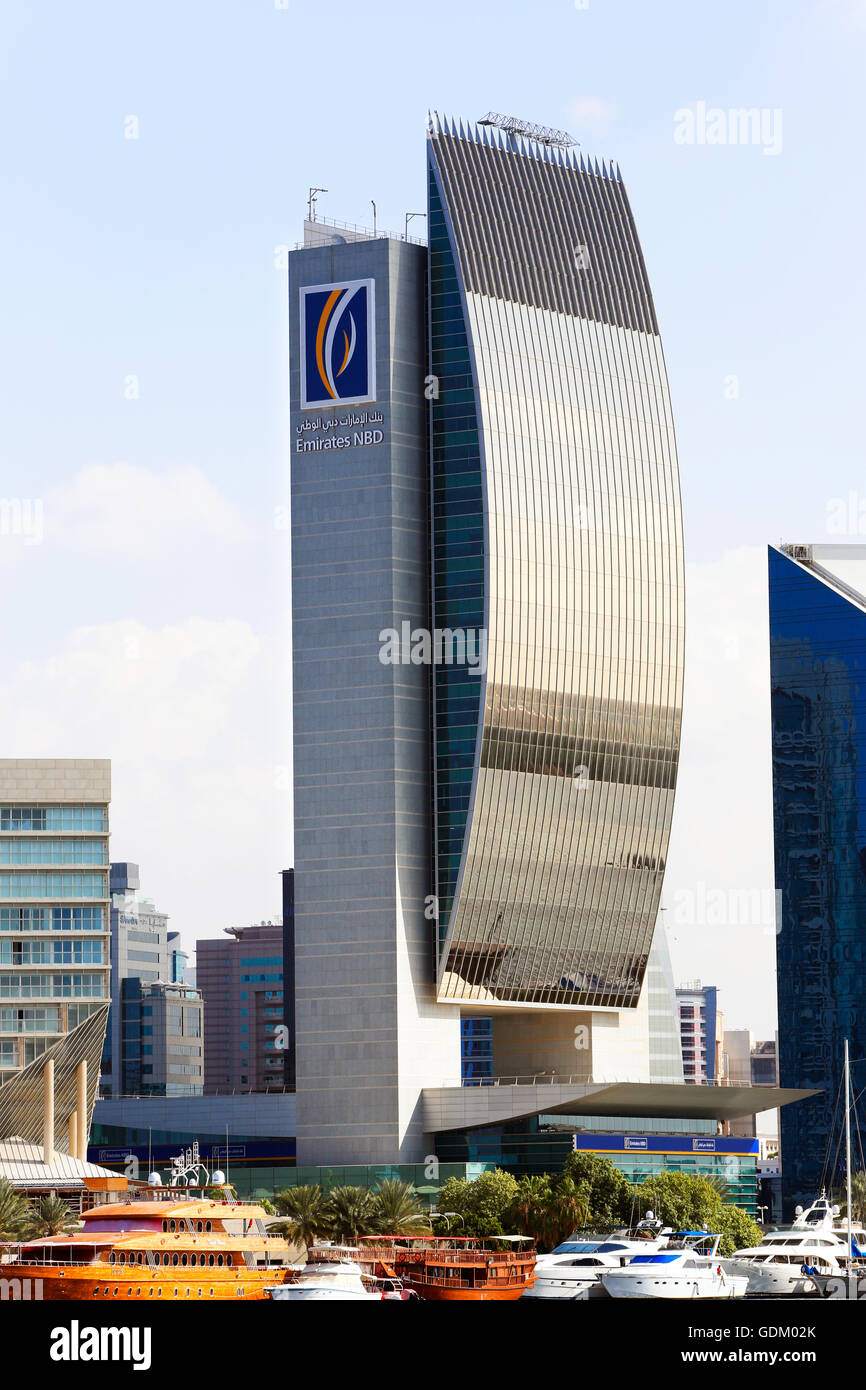
Emirates NBD, one of the largest banking groups in the Middle East, has launched a groundbreaking initiative aimed at boosting participation in the UAE equity markets. The bank is offering customers the opportunity to invest in domestic stocks without incurring transaction fees, a move designed to stimulate investment in local companies and support the broader economic goals of the UAE.

Advertisements

Bajaj House Finance, backed by Abu Dhabi Investment Authority (ADIA), made a significant impact on its market debut, with its shares more than doubling in value. The company’s initial public offering (IPO) generated substantial investor interest, reflecting robust confidence in the firm’s future prospects and financial stability. The IPO, which launched on September 15, 2024, was priced at ₹100 per share. However, the stock soared to ₹210 […]

National Bank of Fujairah (NBF) has unveiled a significant financial maneuver with the issuance of $275 million in Additional Tier 1 (AT1) capital securities. This move marks a strategic effort by the bank to bolster its capital base, a crucial step for meeting regulatory requirements and enhancing its financial stability.

AT1 securities, also known as contingent convertible bonds, are a type of hybrid instrument that sits between equity and debt. They are designed to absorb losses in times of financial stress, making them a vital component in a bank’s capital structure. This issuance comes amid a broader trend in the banking sector where institutions are leveraging AT1 securities to fortify their balance sheets and comply with evolving regulatory frameworks.

The decision by NBF is aligned with global banking practices where AT1 securities have become a preferred tool for banks looking to improve their capital adequacy ratios. This issuance will provide NBF with additional capital, which is essential for maintaining regulatory compliance and supporting the bank’s growth initiatives.

The bank’s management highlighted that this capital infusion is intended to strengthen its ability to weather economic uncertainties and support its lending activities. By issuing AT1 securities, NBF aims to enhance its financial flexibility and ensure it has adequate buffers against potential market disruptions. This issuance also reflects NBF’s confidence in its operational strategy and its commitment to long-term growth and stability.

The AT1 securities issued by NBF are expected to be well-received by investors, given the bank’s solid financial standing and robust performance track record. These securities typically offer higher yields compared to traditional bonds, which can make them attractive to investors seeking higher returns. However, they also come with a higher risk profile, given their loss-absorption features.

The regulatory environment has been evolving, with increased emphasis on ensuring banks have sufficient capital to absorb losses and remain solvent during financial crises. AT1 securities have become a key element in this regulatory framework, providing a mechanism for banks to strengthen their capital positions without diluting equity.

For NBF, the issuance of these securities is a strategic move to enhance its capital position while maintaining its competitive edge in the banking sector. It also reflects a proactive approach to managing regulatory requirements and positioning itself favorably in a competitive market.

This development comes at a time when banks globally are navigating a complex landscape of regulatory changes and economic uncertainties. By bolstering its capital base, NBF is positioning itself to better handle potential market volatilities and support its strategic objectives.

The bank’s move to issue AT1 securities also aligns with broader trends in the financial sector where institutions are increasingly using such instruments to meet capital adequacy requirements. As regulatory standards continue to evolve, banks are adapting by leveraging these hybrid securities to strengthen their financial positions.

NBF’s issuance is expected to have positive implications for its financial stability and operational capabilities. By raising substantial capital through AT1 securities, the bank is reinforcing its ability to absorb potential losses and maintain its financial health. This move is indicative of NBF’s strategic focus on enhancing its capital structure and ensuring long-term sustainability.

A foreign bank operating in the United Arab Emirates (UAE) has been fined $1.4 million (Dhs 5 million) by the UAE central bank for insufficiently addressing money laundering, financing of terrorism, and related regulatory deficiencies. The financial penalty was announced on Monday as part of the central bank’s commitment to strengthening the country’s financial system and ensuring adherence to global standards in financial transparency and integrity. The […]

Dubai’s financial sector is experiencing a significant boom, attracting an influx of high-income professionals. With this growth, premium education institutions are seeing a surge in demand, particularly among families who are willing to pay top dollar for top-tier schooling. At GEMS World Academy, one of the city’s most prestigious educational institutions, kindergarteners use iPads in classrooms, while older students engage in interactive learning experiences at the school’s 70-seat planetarium. For parents seeking the best education money can buy, the price tag can reach as high as $33,000 annually by grade 12.

GEMS World Academy is the most expensive school in the GEMS Education network, one of the largest private school operators globally. Founded by billionaire Sunny Varkey, the chain operates schools across multiple price points, starting at as little as $3,900 annually. However, it’s the premium institutions like GEMS World Academy that have witnessed a particular spike in interest, driven by Dubai’s financial prosperity.

As Dubai continues to position itself as a global financial hub, attracting high-net-worth individuals and businesses from across the world, the demand for elite schooling has grown. Hedge fund managers, bankers, and other high-income professionals are flocking to the city, and they are looking for educational institutions that match their lifestyle and expectations. These families are willing to pay a premium to ensure their children have access to cutting-edge technology, world-class teachers, and extracurricular activities that prepare them for a globalized future.

GEMS Education has established itself as a key player in this market. Founded in the 1950s, the network has grown exponentially, now operating over 60 schools in the UAE alone. The success of GEMS has been closely tied to Dubai’s rapid development as a global business destination. The city’s cosmopolitan nature, coupled with its tax-free status and world-class infrastructure, has made it a magnet for professionals from Europe, Asia, and the Middle East. These families often seek high-quality private education for their children, and institutions like GEMS have capitalized on this demand by offering schools that range from affordable options to ultra-premium facilities.

At the heart of this boom in premium education is the intersection of technology and innovation. Schools like GEMS World Academy have integrated advanced technology into their curriculum, providing students with iPads, interactive whiteboards, and digital resources that enhance learning. The use of digital tools is not merely a supplementary activity; it is embedded in the learning experience from the early years. In kindergarten classrooms, children are exposed to interactive learning apps, fostering engagement and helping them build essential skills in literacy and numeracy.

The planetarium at GEMS World Academy is another example of how the school goes beyond traditional classroom learning. The 70-seat facility allows students to explore astronomy and other sciences in an immersive environment, bringing abstract concepts to life. These features are part of what makes the school attractive to families who are seeking more than just a standard education — they want an experience that will set their children apart on the global stage.

However, it’s not just the facilities that command premium prices. The teaching staff at GEMS World Academy, like other top-tier schools, is made up of highly qualified educators, many of whom have international experience. This global perspective is a significant draw for expatriate families, who want their children to be taught by professionals with a deep understanding of different cultures and educational philosophies.

While the demand for such high-end schooling has grown, it has also brought about concerns regarding the affordability and accessibility of quality education in Dubai. The city’s diverse population includes middle- and lower-income families who are often priced out of elite institutions. Although GEMS Education offers schools across a wide range of price points, with some starting at $3,900 annually, the growing emphasis on premium education highlights the increasing gap between affordable schooling and ultra-luxury options.

This trend is not unique to Dubai. Across global cities, including London, New York, and Singapore, high-income professionals drive demand for premium educational services. In these cities, private schools have responded by offering state-of-the-art facilities, international curricula, and exclusive extracurricular activities, positioning themselves as the preferred choice for families seeking a competitive edge for their children. Dubai’s education sector has followed a similar trajectory, with schools like GEMS World Academy leading the way in offering exclusive, high-cost education tailored to affluent families.

Dubai’s government has taken steps to regulate the private school sector, ensuring that fees do not rise uncontrollably. The Knowledge and Human Development Authority (KHDA), which oversees private education in the emirate, implements a fee framework that schools must adhere to. However, schools that offer premium services, such as GEMS World Academy, are able to command higher fees due to their unique offerings and advanced facilities.

The boom in Dubai’s financial sector has also brought about competition among schools to attract the best talent, both in terms of students and educators. Premium schools often engage in competitive hiring practices, seeking out teachers with international experience and specialized qualifications. For parents, the assurance that their children are being taught by world-class educators is a significant factor in their decision to invest in high-end education.

BuySellVouchers.com has introduced a service that lets users recharge their mobile phones using cryptocurrencies like Bitcoin, Ethereum, and USDT, marking a significant step in integrating digital assets with everyday transactions. This development comes at a time when digital currencies are gaining broader acceptance globally, and the demand for services that cater to crypto holders is rising. The platform, which was initially popular for enabling the buying and […]

BEIJING, CHINA – Media OutReach Newswire – 13 September 2024 – At the invitation of China International Fair for Trade in Services (CIFTIS) in Beijing, “(Daguan · Keweiwei) The 9th China Brand Value Top 100” and “(Daguan · Keweiwei) The World Brand Value Top 900” rankings are officially released at the CIFTIS on September 12, 2024. “(Daguan · Keweiwei) The 9th China Brand Value Top 100” and […]

Oil prices continue to hover dangerously close to the $70 per barrel mark, raising concerns among investors and analysts about the potential impact on the Gulf Cooperation Council (GCC) stock markets. Oil, a key economic driver for the GCC region, has been subject to significant fluctuations due to global demand shifts, geopolitical tensions, and production decisions by OPEC and other major producers.

A sharp decline in oil prices could trigger a broad sell-off in the GCC’s equity markets, which are heavily reliant on oil revenues. The economic structure of GCC nations, including Saudi Arabia, the UAE, Kuwait, and Qatar, is closely tied to energy exports, with oil and gas accounting for a significant portion of their GDP. A drop in oil prices below the $70 threshold could strain government budgets, leading to reduced public spending and investment, key drivers of non-oil sectors in the region.

Market analysts have pointed out that oil price movements have a direct correlation with the performance of the region’s stock markets. Historically, lower oil prices have often resulted in weaker investor sentiment, as fears of reduced state spending and declining corporate profits come to the forefront. This dynamic could lead to a rout in sectors like banking, real estate, and construction, which are highly sensitive to government expenditure.

The volatile nature of oil prices is not a new phenomenon. Prices have been influenced by a myriad of factors, including changes in production levels, geopolitical risks, and fluctuations in demand. Recent shifts in the global energy landscape, such as the rise of renewable energy and a global push towards sustainability, have further complicated the outlook for oil-dependent economies. OPEC’s ability to manage production effectively has also come into question, especially in the face of unpredictable market forces.

Experts note that oil-producing nations within the GCC are particularly vulnerable to market shocks. While efforts have been made to diversify economies, many still rely heavily on hydrocarbon revenues. Should oil fall below $70 per barrel for an extended period, it could force these nations to dip into sovereign wealth funds or issue debt to maintain fiscal stability. The impact on stock markets, as a result, could be swift and severe, with investors pulling back from key sectors, further amplifying the downturn.

The banking sector, which plays a pivotal role in the region’s economy, is likely to face the brunt of any negative spillovers. Banks in the GCC have significant exposure to the energy sector through loans and investments. Lower oil prices could reduce profitability for energy companies, leading to potential defaults or renegotiations of terms. This would in turn affect bank earnings and stock performance, with investors reacting by selling off shares.

Moreover, GCC countries have initiated various economic reforms and fiscal measures to mitigate the effects of oil price fluctuations. Saudi Arabia’s Vision 2030 and the UAE’s economic diversification strategies are key examples of efforts to reduce reliance on oil. While these initiatives have made progress, the overall dependence on hydrocarbon revenues remains substantial. Therefore, the region’s financial markets remain highly sensitive to oil price volatility.

Some market observers argue that despite the challenges, GCC governments have built significant financial buffers in the form of sovereign wealth funds, which can be deployed to stabilize economies during periods of oil price turbulence. Countries like Saudi Arabia and the UAE have used these funds in the past to support their economies, particularly during periods of low oil prices. However, reliance on such mechanisms may not be sustainable in the long term, particularly if oil prices remain depressed for an extended period.

Mashreq Bank, one of the most prominent financial institutions in the UAE, has finalized the sale of a significant 65% stake in NeoPay, a subsidiary under its IDFAA Payments Services division, to Arcapita Group Holdings and the Turkish fintech firm Dgpays. The deal, valued at $385 million, marks a strategic move for Mashreq Bank, aligning itself with the rapidly growing fintech sector while ensuring NeoPay’s future growth through this partnership.

NeoPay, a major player in the digital payment space, specializes in processing point-of-sale (POS) and e-commerce transactions, along with mobile payments and other non-cash payment solutions. The company’s innovative approach has made it a key enabler for businesses seeking seamless payment systems across different platforms. By offloading a majority stake, Mashreq Bank aims to tap into new technological advancements and the evolving payment landscape while retaining influence over the company’s future direction through a long-term shareholder agreement with Arcapita and Dgpays.

Arcapita, a global alternative asset manager, has been increasingly focused on fintech and digital payments. This investment is part of its broader strategy to capitalize on high-growth sectors, particularly in regions like the GCC, UK, and the U.S. Meanwhile, Dgpays, a well-established Turkish fintech company, brings extensive experience in providing ground-breaking financial technology solutions across multiple markets, including the UAE, Luxembourg, and the U.S., making it an ideal partner for NeoPay’s expansion strategy.

The legendary opera singer Plácido Domingo returns to Macau for the first time in nine years, alongside a world-class lineup of exceptional musical talent performing famous operas at Galaxy International Convention Center MACAU SAR – Media OutReach Newswire – 13 September 2024 – Building on its commitment to enhance Macau’s status as a vibrant international metropolis, Galaxy Macau™ continues its mission to bring unique global events to […]

Russia is moving closer to regulating cryptocurrency trading, with plans to have a framework in place by November. Anatoly Aksakov, Chairman of the Russian State Duma Committee on Financial Markets, made the announcement, marking a pivotal moment for the nation’s evolving stance on digital assets. Initially, the new regulation will allow only a limited number of organizations to engage in cryptocurrency trading, with the potential for expansion […]

SINGAPORE – Media OutReach Newswire – 13 September 2024 – SpeakIn, Asia’s largest digital platform for professional learning, has launched FindACoach, a 1:1 personalized coaching platform. SpeakIn FindACoach is the first coaching platform built for the Asian market and is committed to empowering working professionals across the region to navigate their careers. SpeakIn FindACoach brings the collective experience and expertise of Asia’s top thought leaders, subject matter […]

Base Therapeutics’ AccuBase® Base Editor Receives Overseas Patent Authorization HONG KONG SAR – Media Outreach Newswire – 12 September 2024 – Base Therapeutics recently announced the completion of its A2 round financing, raising tens of millions of RMB. This round of financing was led by AEF Greater Bay Area Fund, managed by Gobi Partners GBA and will be used to strengthen Base Therapeutics’ R&D team, optimize its […]

KUALA LUMPUR, MALAYSIA – Media OutReach Newswire – 13 September 2024 – The Malaysian economy is growing faster than expected, and the local currency has appreciated quite noticeably. However, the central bank has maintained the interest rate at 3.00%, in accordance with the economists’ expectations. Still, Octa analysts expect that the BNM may soon lower the rates. Bank Negara Malaysia (BNM), Malaysia’s central bank, announced its policy […]

The International Monetary Fund (IMF) has released its comprehensive research assessing the cyber resilience of the ecosystem supporting central bank digital currencies (CBDCs). The study, published at the end of August, addresses the growing need for updated payment systems and highlights both the opportunities and challenges presented by CBDCs. As central banks worldwide explore digital currencies, the IMF’s report stresses the critical importance of cybersecurity. According to […]

WorkFusion, a leader in regtech, has teamed up with Advanced Financial Solutions, part of the MDS SI Group, in a strategic move to expand its AI-based Digital Workers in the Middle East. This partnership aims to strengthen the region’s efforts in combating financial crimes such as money laundering. Leveraging WorkFusion’s cutting-edge AI technology, the collaboration focuses on automating anti-money laundering (AML) processes and enhancing the detection of suspicious transactions in banking and financial sectors across the region.

Advanced Financial Solutions, with its deep regional expertise and infrastructure, will help accelerate the adoption of WorkFusion’s AI-powered Digital Workers. These advanced solutions are designed to improve compliance efficiency and streamline labor-intensive tasks such as transaction monitoring, customer identity verification, and due diligence procedures. The initiative is set to help Middle Eastern financial institutions navigate an increasingly stringent regulatory environment while cutting down on operational costs.

As financial crime grows more sophisticated, the demand for AI tools that can keep pace with evolving threats has risen sharply. WorkFusion’s Digital Workers, which are pre-trained to handle specific tasks in financial compliance, provide a scalable solution for institutions seeking to meet these challenges without overburdening their human workforce. The company’s AI technology is already widely used in global financial centers, and this partnership marks a key step in expanding its presence in the Middle East.

WorkFusion’s platform specializes in automating complex tasks that are critical in detecting fraud and non-compliance. With features such as adverse media screening and sanctions checks, these AI tools can quickly adapt to the diverse needs of different markets, providing a customizable approach to risk management. The partnership underscores the increasing reliance on artificial intelligence to not only detect financial crimes but also ensure regulatory compliance across multiple jurisdictions.

The Middle East has emerged as a growing market for financial technology innovations, particularly in areas related to anti-financial crime measures. As regional governments and financial institutions prioritize regulatory compliance, the introduction of AI-driven solutions like WorkFusion’s offers a timely response to these needs. Advanced Financial Solutions, already well-established in the local market, will play a pivotal role in deploying these tools and ensuring they meet the specific requirements of Middle Eastern banks and financial entities.

This partnership is part of WorkFusion’s broader strategy to expand its AI Digital Workers globally, with a focus on regions that face heightened regulatory pressures and a growing need for automation in financial services. The integration of AI in regulatory technology (regtech) not only enhances the ability to monitor large volumes of transactions but also reduces false positives, freeing up human resources for more strategic initiatives.

By focusing on automation, the collaboration aims to transform how financial crime prevention is managed, reducing the manual effort traditionally involved in AML compliance while increasing accuracy and efficiency. WorkFusion’s AI Digital Workers have already proven their ability to reduce false positives by up to 95% in other markets, and the company expects similar outcomes in the Middle East as its solutions become more widely adopted.

Huda Beauty, a prominent player in the global cosmetics market, is exploring the sale of its rapidly growing perfume division, Kayali, according to sources familiar with the matter. The Dubai-based beauty company has engaged Goldman Sachs Group Inc. as an advisor for this potential transaction. The move signifies a strategic shift aimed at enabling both the fragrance and cosmetics segments of the business to pursue independent growth trajectories.

The Kayali perfume line, known for its distinctive fragrances, has significantly contributed to Huda Beauty’s success. The brand, which boasts a substantial social media presence surpassing that of Kylie Jenner and Selena Gomez’s beauty brands combined, has been a focal point of Huda Beauty’s product diversification. Given the division’s performance and growth, the potential sale could attract considerable interest from buyers seeking to capitalize on the burgeoning fragrance market.

Sources indicate that the decision to consider a sale comes as part of Huda Beauty’s broader strategic review. By potentially divesting the Kayali perfume line, the company aims to streamline its operations and sharpen its focus on its core cosmetics business, which includes popular products like foundations and eyeshadows. The separation of Kayali could allow the fragrance brand to operate more flexibly and innovate within its sector without the constraints of being part of a larger conglomerate.

The involvement of Goldman Sachs underscores the seriousness of the undertaking. The investment bank is known for its expertise in handling high-profile transactions and could facilitate the process by identifying potential buyers and structuring the deal. The potential sale of Kayali reflects broader trends within the industry where companies are increasingly looking to spin off or sell non-core assets to concentrate on their primary business areas.

Kayali, which was launched by Huda Beauty’s founder, Huda Kattan, has garnered a loyal following for its luxurious scents and innovative product offerings. The brand’s growth trajectory has positioned it as a strong contender in the competitive fragrance market. A sale could provide the necessary capital to fuel further expansion and development, potentially enhancing Kayali’s market presence.

The perfume industry itself is experiencing a resurgence, with consumers increasingly seeking unique and high-quality fragrances. This trend could make Kayali an attractive acquisition target for larger fragrance houses or private equity firms looking to enter or expand their footprint in the premium fragrance sector.

The discussions around the potential sale come at a time when Huda Beauty is also navigating other aspects of its business strategy. The company, founded by Kattan in 2013, has rapidly scaled its operations, building a strong brand presence and a robust product portfolio. The potential sale of Kayali is part of a strategic effort to refine its focus and drive long-term value for shareholders and stakeholders.

While details of the potential transaction remain under wraps, industry experts anticipate that any deal would be significant given Kayali’s growth and the strategic implications for Huda Beauty. The perfume market’s competitive landscape, coupled with the brand’s reputation, could make for an intriguing negotiation process.

The collaboration will help to enhance cross-border payments for Shoplazza’s 500,000+ merchants, improve payment success rates, and support the growth of the e-commerce industry in the APAC region. LONDON, UK – Media OutReach Newswire – 12 September 2024 – Global fintech Unlimit has today announced a strategic partnership with the global AI-commerce technology company, Shoplazza. The partnership is focused on enhancing cross-border payment services for e-commerce merchants […]

VISHNU RAJA
RYO YAMADA
HITORI GOTOH
IKUYO KITA
Just in:
Thai Airways discloses 60,529 records exposed through Amadeus // UAE forecasts heavy showers across northern regions midweek // Google Health introduces blood pressure logs and glucose overlays // FAB takes full ownership of Bahrain fund administrator Yasira // Japan’s Nikkei advances as buyers return after sell-off // ADNOC Gas quarterly profit doubles to $1.34 billion // FinCEN identifies $8 billion in suspect overseas payments // Abu Dhabi unveils restored Porsche from royal motorcade // Canada seeks tariff easing following US election upheaval // Singapore introduces AI scam alerts for messaging conversations // Allianz Insurance Singapore Encourages Homeowners to Strengthen Their Home Protection as Residential Fires Continue to Rise // New Two Way Trade Momentum Highlighted at China-Africa Cooperation Forum in Yiwu // The MICHELIN Guide Thailand Celebrates Its Landmark 10th Edition with Record Numbers of Entries and MICHELIN-Starred Dining Venues // OnePlus 16 India debut reconsidered amid launch discussions // US relocates tankers from second British base amid threats // GCC defence ministers discuss military coordination amid Iran conflict // France identifies Iranian Guards as supermarket hacking suspects // Prudential announces title sponsorship of “Prudential Hong Kong Winter Wonderland in Tsim Sha Tsui”, lighting up Victoria Harbour this winter // Flydubai Dammam cancellations persist as Etihad extends suspensions // North Korean hackers widen drone and software attacks //