News related to
Bank

Oil prices declined on Monday as market participants adjusted their strategies in light of anticipated increases in OPEC+ production starting in October. The price of Brent crude fell to $86.20 per barrel, while West Texas Intermediate (WTI) dropped to $83.10 per barrel, reflecting the market’s response to new supply forecasts and ongoing concerns about global demand. The Organization of the Petroleum Exporting Countries and its allies (OPEC+) […]

ACWA Power has successfully secured $2.6 billion in financing to advance three major solar projects in Saudi Arabia, underscoring the Kingdom’s commitment to expanding its renewable energy portfolio. The projects, expected to significantly boost the country’s solar power capacity, align with Saudi Arabia’s Vision 2030 initiative, which aims to reduce reliance on fossil fuels and increase the share of renewable energy in its energy mix. The deal, […]

Arabian Post Staff A postcard sent over a century ago has been delivered to a Welsh building society, sparking intrigue and a search for the postcard’s original recipient. Staff at the Swansea Building Society were taken aback when a postcard, bearing a King Edward VII stamp and dated August 3, 1903, was found among their regular mail. The postcard, addressed to a woman named Lydia Davies, emerged […]

As Vietnam becomes a magnet for foreign investment, Vingroup is at the forefront of the country’s global ascent. Beyond the electric vehicle company VinFast, the conglomerate is making waves in real estate, tourism, and technology, with initiatives like VinFuture underscoring the company’s commitment to a better world. HANOI, VIETNAM – Media OutReach Newswire – 30 August 2024 – Vietnam’s economy is revving up, with foreign investment pouring […]

Highlights of the Interim Results for the Six Months Ended June 30, 2024: With the increasing demand for chips from AI technology-related industries, orders for AI chip orders from Comtech continued to rise, driving the Group’s revenue up by 11.9% year-on-year to RMB4,321.4 million. The Group recorded a gross profit of approximately RMB457.6 million and a net profit of approximately RMB169.1 million. Profit attributable to equity shareholders […]

HONG KONG SAR – Media OutReach Newswire – 30 August 2024 – FGA Trust, a Hong Kong-licensed trust company and leader in innovative financial solutions, is excited to announce the opening of its North American office. This strategic expansion reflects the company’s commitment to enhancing its global presence and providing top-tier services to high-net-worth individuals across the continent. To lead this initiative, FGA Trust has appointed Wincent […]

Through a holistic curriculum, AIA Singapore and Singapore University of Social Sciences seek to nurture next-generation talents and pave the way for sustainable, purposeful careers. SINGAPORE – Media OutReach Newswire – 30 August 2024 – AIA Singapore and Singapore University of Social Sciences (SUSS) today launched Singapore’s first Minor in Insurance Fundamentals as part of a newly signed Memorandum of Understanding (MoU) between both parties. This programme […]

Advertisements

Saxo Bank has announced a substantial 35% increase in its adjusted net profit for the first half of 2024, reaching USD 76 million, up from USD 56 million during the same period last year. This impressive growth reflects the bank’s strong performance across various financial sectors and robust trading volumes.

The bank attributes its success to a combination of strategic investments, increased trading activity, and enhanced client engagement. Saxo Bank’s diverse range of financial products and services, including its advanced trading platforms and investment solutions, have contributed to its ability to capture a significant share of the market.

Key to this growth has been Saxo Bank’s expansion into new markets and the continued enhancement of its digital trading platforms. The bank’s efforts to leverage cutting-edge technology and data analytics have enabled it to offer more tailored investment solutions and improve overall client satisfaction. As a result, Saxo Bank has seen a notable rise in both retail and institutional clients.

Moreover, Saxo Bank’s strong performance is underpinned by a favorable market environment characterized by increased volatility and higher trading volumes. The bank’s ability to effectively navigate market fluctuations and capitalize on trading opportunities has been a crucial factor in its financial success.

The bank has also emphasized its commitment to sustainable growth and innovation. Investments in technology and infrastructure have been pivotal in maintaining a competitive edge and delivering value to clients. Saxo Bank’s focus on sustainability is reflected in its strategic initiatives aimed at reducing operational costs and enhancing efficiency.

Saxo Bank’s management has expressed optimism about the future, citing a positive outlook for the remainder of 2024. The bank plans to continue its strategic expansion and innovation efforts, aiming to further strengthen its market position and deliver consistent results. The successful execution of its growth strategy positions Saxo Bank as a leading player in the global financial services industry.

Saxo Bank’s robust performance in the first half of 2024 underscores its ability to adapt to changing market conditions and drive significant financial growth. The bank’s focus on technology, market expansion, and client satisfaction continues to be a key driver of its success.

Dubai-listed companies have reported a substantial increase in net profits, rising by 30.9% year-on-year to reach $6.7 billion in the second quarter of 2024. This performance marks a significant leap from the $5.1 billion recorded in the same period last year. This growth contrasts sharply with the broader trend observed across the Gulf Cooperation Council (GCC) region, where listed companies saw a more modest net profit increase […]

Aggregate net profits for companies listed on Gulf Cooperation Council (GCC) exchanges grew by 5.7% year on year (YoY) during the second quarter of 2024, driven by broad-based growth across most regional markets. This performance reflects the resilience of key sectors amid global economic challenges, with particular strength observed in the banking, materials, and telecommunications industries.

Saudi Arabia, the largest economy in the region, saw a 2.6% YoY increase in aggregate net profits, reaching $39.1 billion in Q2-2024. The banking, materials, and telecommunications sectors were the main contributors to this growth. However, several sectors, including energy and consumer services, experienced profit declines, tempering the overall increase.

The United Arab Emirates (UAE) displayed robust financial results across both its main markets, Dubai and Abu Dhabi. Dubai-listed companies reported a significant 30.9% YoY rise in net profits, totaling $6.7 billion. Banks, capital goods, and telecommunications companies drove this growth, with these sectors accounting for over 80% of the exchange’s aggregate earnings.

Abu Dhabi’s companies experienced a more moderate 4.7% YoY increase in net profits, amounting to $8.3 billion. The banking and energy sectors were the primary growth drivers, with the latter witnessing a 20.7% YoY surge in profits. However, on a half-year basis, Abu Dhabi’s total net profits slightly declined by 2.2% compared to the same period in 2023.

Bahrain and Kuwait also reported positive financial performances. Bahrain-listed companies achieved a 37.5% YoY rise in total net profits for Q2-2024, driven by gains in the banking and materials sectors. Meanwhile, Kuwait’s listed firms saw a modest 1.0% YoY growth in net profits, with the real estate sector showing the most significant improvement, reporting a 104.4% jump in profits.

Qatar’s stock market recorded a 5.6% YoY gain in total earnings for Q2-2024, reaching $3.35 billion. The banking, insurance, and capital goods sectors were the primary contributors, although this growth was partially offset by declines in the materials and real estate sectors.

In contrast, Oman was the only GCC market to report a slight decline in total net profits, with a 0.9% YoY decrease to $506.4 million in Q2-2024. This was largely due to underperformance in several key sectors, despite growth in banking and commercial services.

The overall 5.7% YoY growth in the GCC’s aggregate net profits highlights the region’s economic resilience, with a diverse range of sectors contributing to the financial health of these markets. As the global economic landscape continues to evolve, the GCC remains a key area of focus for investors seeking stability and growth opportunities.

KUALA LUMPUR, MALAYSIA – Media OutReach Newswire – 29 August 2024 – Malaysia’s leading independent investment bank, Kenanga Investment Bank Berhad (“Kenanga” or “The Group“) today announced stronger earnings for the period ended 30 June 2024 (“1H24“). Datuk Chay Wai Leong, Group Managing Director, Kenanga Investment Bank Berhad Revenue for 1H24 rose by 18.3% to RM447.3 million from RM378.1 million, while profit before tax (“PBT“) increased by […]

By Nitya Chakraborty Former British Prime Minister Harold Wilson once said that a week is too long a time in politics. This was in the context of post-war turmoil in British politics. As regards India, it seems that the post 2024 Lok Sabha elections scenario is changing fast and the most affected has been the […]

The Islamic Development Bank (IsDB) has formalized a strategic partnership with Brunei Darussalam, setting the stage for enhanced collaboration. This partnership, cemented through a Memorandum of Understanding (MoU) signed today, marks a significant milestone in both parties’ efforts to drive sustainable development and economic growth. The MoU was signed in Jeddah, highlighting a commitment to deepening the bilateral relationship. The agreement outlines a framework for medium-term cooperation, […]

Nvidia’s stock took a sharp decline on Thursday as the company’s financial outlook failed to meet the sky-high expectations set by Wall Street. The market reaction was swift after Nvidia’s earnings report, which revealed a strong performance in the second quarter but also signaled potential challenges ahead, particularly concerning delays in the release of its next-generation Blackwell chip. Despite reporting a quarterly revenue of over $28 billion, […]

Pakistan’s central bank is actively pursuing $4 billion in financial support from Middle Eastern banks to address a significant funding gap in the country’s economy. This strategic move aims to bolster Pakistan’s foreign exchange reserves and stabilize its financial situation amid ongoing economic challenges.

The need for external financial assistance has become more pressing as Pakistan grapples with a substantial trade deficit and a weakening currency. The country’s financial authorities have been engaged in discussions with several banks in the Middle East, seeking their participation in bridging the critical funding shortfall.

Pakistan’s central bank chief highlighted that the proposed funds are crucial for managing the nation’s economic stability. These funds would help mitigate the pressure on foreign reserves, which have been under strain due to persistent trade imbalances and rising import costs. The central bank is focused on securing this financial support to ensure the smooth functioning of the economy and maintain investor confidence.

The initiative to secure funding from Middle Eastern banks reflects Pakistan’s broader strategy to diversify its sources of financial support and reduce dependence on traditional Western lenders. This approach is part of a broader economic reform agenda aimed at stabilizing the economy and fostering sustainable growth.

Middle Eastern banks, known for their substantial financial resources, have been a target for many countries seeking to address economic imbalances. Pakistan’s outreach to these institutions aligns with its efforts to build stronger economic ties with the region and tap into its financial capabilities.

The central bank’s efforts come at a time when Pakistan is also negotiating with international financial institutions for additional support. These negotiations are critical for the country as it seeks to balance its budget and address its economic vulnerabilities.

The potential $4 billion infusion from Middle Eastern banks would provide a significant boost to Pakistan’s foreign exchange reserves, allowing the country to better manage its external debt obligations and enhance its economic stability. This move is expected to alleviate some of the immediate financial pressures and provide a more favorable environment for economic recovery.

In parallel, Pakistan’s government is implementing a series of reforms aimed at improving fiscal discipline and enhancing economic efficiency. These measures are designed to address long-standing structural issues and create a more resilient economic framework.

The central bank’s outreach to Middle Eastern banks underscores the importance of international financial collaboration in addressing global economic challenges. As Pakistan navigates its path to economic stability, securing support from key financial players will be crucial in achieving its financial and economic goals.

This funding initiative represents a pivotal moment in Pakistan’s economic strategy, highlighting the country’s proactive approach to managing its financial challenges and seeking innovative solutions to bolster its economic position.

Saudi Arabia’s Public Investment Fund (PIF) has successfully secured a $15 billion revolving credit facility from a consortium of international banks. This move is a significant step in PIF’s ongoing efforts to bolster its financial capacity as it pursues an aggressive investment strategy aimed at diversifying the kingdom’s economy under the Vision 2030 plan.

The revolving credit facility, which allows the fund to borrow, repay, and borrow again up to the agreed limit, will provide PIF with greater financial flexibility as it looks to capitalize on investment opportunities across various sectors. This latest facility is in addition to the fund’s previous credit arrangements, marking a continuation of its strategy to leverage global financial markets to fund its initiatives.

PIF, which manages over $700 billion in assets, has been pivotal in spearheading Saudi Arabia’s economic diversification. The fund has made significant investments in technology, renewable energy, and other emerging industries, both within the kingdom and globally. With the new credit facility, PIF is expected to further expand its portfolio, focusing on sectors that align with the Vision 2030 goals, including tourism, entertainment, and clean energy.

The consortium of banks involved in the deal includes several of the world’s leading financial institutions, underscoring the confidence of international markets in PIF’s strategy and the broader economic reforms being undertaken in Saudi Arabia. The terms of the facility are reportedly favorable, reflecting PIF’s robust credit standing and the attractiveness of its investment portfolio.

This development is part of a broader trend where sovereign wealth funds are increasingly tapping into global financial markets to enhance their liquidity and investment capabilities. PIF’s strategy involves not only direct investments but also partnerships with international companies and institutions, aimed at bringing technology and expertise into Saudi Arabia.

As the kingdom continues its transformation, PIF’s ability to secure substantial credit facilities such as this one will be crucial in ensuring it can meet its ambitious targets. The fund’s investments are expected to play a key role in reducing Saudi Arabia’s reliance on oil revenues, fostering innovation, and creating new economic opportunities for the kingdom’s population.

This latest financial move is a clear indication of PIF’s growing influence in global markets and its commitment to achieving the long-term objectives of Vision 2030.

Weyay Bank, Kuwait’s pioneering digital bank, has introduced a new feature called the “Savings Pot Pro” designed to cater to the growing needs of young savers. This feature, which offers an annual interest rate of up to 1%, allows customers to maximize their savings while enjoying significant flexibility. The Savings Pot Pro is part of Weyay Bank’s broader strategy to provide digital-first banking solutions tailored to Kuwait’s […]

Wall Street’s outlook on crude oil for the coming year is growing increasingly cautious, as two major financial institutions, Goldman Sachs Group Inc. and Morgan Stanley, have downgraded their price forecasts. Both banks are now predicting lower average prices for Brent crude, reflecting concerns about rising global supplies, including potential increases from the OPEC+ alliance. Goldman Sachs has adjusted its forecast for Brent crude, predicting it will […]

Private equity giant Blackstone Inc. is actively negotiating a substantial loan of approximately A$5.5 billion (US$3.7 billion) with a consortium of banks to support its bid for Australian data center operator AirTrunk. The loan, expected to have a tenure of five years, is a key component of Blackstone’s strategy to expand its presence in the rapidly growing data center sector, reflecting a broader trend of increasing investor interest in digital infrastructure.

AirTrunk, founded in 2015 by industry veteran Robin Khuda, has emerged as a leading player in the Asia-Pacific data center market. The company operates large-scale, hyperscale data centers across Australia, Japan, and Singapore, serving major technology companies, cloud service providers, and enterprises. With the demand for cloud computing and digital services surging, AirTrunk’s facilities have become critical infrastructure, attracting interest from global investors.

Blackstone’s pursuit of AirTrunk comes at a time when the data center industry is experiencing unprecedented growth. The ongoing digital transformation, accelerated by the COVID-19 pandemic, has driven companies and governments to enhance their digital capabilities. This shift has led to increased demand for data storage, processing, and management solutions, with data centers at the core of these developments.

The loan negotiations highlight Blackstone’s commitment to securing a significant stake in the data center market, which is expected to continue its expansion in the coming years. The private equity firm has a history of investing in infrastructure assets, and its interest in AirTrunk aligns with its broader investment strategy. By acquiring AirTrunk, Blackstone aims to capitalize on the growth potential of the data center sector in the Asia-Pacific region, where digital economies are booming.

AirTrunk’s valuation, which could reach as high as A$10 billion (US$6.7 billion), reflects the strategic importance of data centers in the modern economy. Investors are increasingly viewing these facilities as essential infrastructure, akin to utilities such as electricity and water. The trend is driven by the critical role data centers play in supporting digital services, e-commerce, and cloud computing, which have become integral to the global economy.

The potential acquisition would also mark one of the largest deals in the data center industry, underscoring the scale of investment required to operate and expand these facilities. For Blackstone, securing the A$5.5 billion loan is crucial to funding the acquisition and ensuring that it can outbid other interested parties. The firm is reportedly in talks with multiple lenders, including international and Australian banks, to finalize the financing.

As the data center sector continues to attract significant capital, competition among investors is intensifying. Blackstone’s bid for AirTrunk reflects the broader trend of private equity firms and institutional investors seeking to gain exposure to digital infrastructure. The growth of cloud computing, artificial intelligence, and the Internet of Things (IoT) is expected to further drive demand for data centers, making them a highly attractive asset class.

The outcome of Blackstone’s loan negotiations and its bid for AirTrunk will be closely watched by industry analysts and investors. A successful acquisition would position Blackstone as a major player in the Asia-Pacific data center market, enabling it to leverage AirTrunk’s existing operations and expand its footprint in the region.

As the deal progresses, Blackstone’s ability to secure financing and execute the acquisition will be key factors determining the success of its strategy. The firm is likely to face competition from other potential buyers, highlighting the high stakes involved in the data center market. The deal’s outcome could set a precedent for future investments in the sector, as investors continue to seek opportunities in digital infrastructure.


Qatar National Bank (QNB) and Ooredoo have joined forces to introduce exclusive packages tailored for QNB First members. This collaboration, starting from August 25, 2024, and extending through December 31, 2025, aims to offer a range of enhanced services and benefits, blending financial and telecommunications perks. The partnership is designed to enhance the value proposition for QNB First members by integrating Ooredoo’s telecommunications services with the bank’s […]

By Nantoo Banerjee Union Finance Minister Nirmala Sitharaman’s advice to government-controlled banks to launch special drives to step up deposit mobilization to catch up with the demand for loans may give a wrong impression that the public sector bank (PSB) management does not know the basic principles of banking. How can a PSB mobilise enough […]

Donald Trump’s foray into cryptocurrency has made headlines with the launch of his new venture, but the excitement has been tempered by a significant drop in Toncoin’s value and the sentencing of a bank CEO in a major scam case.

The launch of Trump’s new cryptocurrency project, the “DeFiant Ones,” marks a bold entry into the crypto market by the former President. This venture aims to offer decentralized financial solutions and attract investors with its promises of innovation and security. The project has garnered considerable attention, reflecting Trump’s continued influence and interest in emerging technologies. Despite this, the timing of the launch coincides with troubling news from the crypto world.

Toncoin, a prominent digital currency linked with the Telegram Open Network, has experienced a steep decline in value. The coin’s fall is attributed to a combination of regulatory concerns and market volatility, which have unsettled investors. The cryptocurrency’s drop has raised questions about the stability of newer digital assets and their susceptibility to market fluctuations. Analysts are closely monitoring the situation to gauge the long-term impact on Toncoin and similar projects.

Adding to the financial turbulence is the sentencing of a high-profile bank CEO involved in a cryptocurrency-related scam. The executive, who led a major banking institution, was sentenced to 24 years in prison for orchestrating a fraudulent scheme that deceived investors and embezzled millions. This case highlights the growing risks associated with cryptocurrency investments and the importance of regulatory oversight in the financial sector.

The convergence of these events underscores the volatility and complexity of the cryptocurrency market. Trump’s new project seeks to capitalize on the growing interest in decentralized finance, but it faces an environment marked by uncertainty and skepticism. Meanwhile, the Toncoin crash and the CEO’s sentencing illustrate the broader challenges facing the crypto industry, from regulatory pressures to fraudulent activities.

Investors and stakeholders are left navigating a landscape fraught with both opportunities and risks. As the crypto world evolves, the impact of these developments will likely shape future trends and regulatory approaches.

CoinMENA B.S.C., a prominent crypto asset platform regulated by the Central Bank of Bahrain, has announced a strategic partnership with Bitpanda Technology Solutions. This collaboration is set to bolster trading efficiency and diversify the range of crypto assets on CoinMENA’s platform.

The integration with Bitpanda Technology Solutions, a well-established provider of digital asset infrastructure in Europe, is expected to significantly enhance the functionality and user experience of CoinMENA’s trading services. This move aligns with CoinMENA’s strategy to cater to the growing demand for advanced trading solutions and a broader selection of cryptocurrencies.

Bitpanda’s advanced technology infrastructure will enable CoinMENA to offer improved trading features, such as faster execution times and more reliable transaction processes. The partnership also aims to expand the platform’s asset offerings, giving users access to a wider array of digital assets and trading options.

This collaboration underscores CoinMENA’s commitment to providing cutting-edge solutions and meeting the evolving needs of its users in a competitive market. By leveraging Bitpanda’s expertise, CoinMENA seeks to solidify its position as a leading player in the crypto asset industry, enhancing both the operational efficiency and the overall user experience on its platform.

The strategic alliance with Bitpanda reflects a broader trend in the cryptocurrency sector, where platforms are increasingly partnering with technology providers to enhance their services and expand their offerings. This approach not only boosts trading capabilities but also supports the integration of new and emerging digital assets into trading platforms.

As the cryptocurrency market continues to evolve, such partnerships are becoming crucial for platforms aiming to maintain a competitive edge and address the diverse needs of their user base. CoinMENA’s latest collaboration with Bitpanda is a significant step towards achieving these objectives, signaling a positive development for the platform and its users.

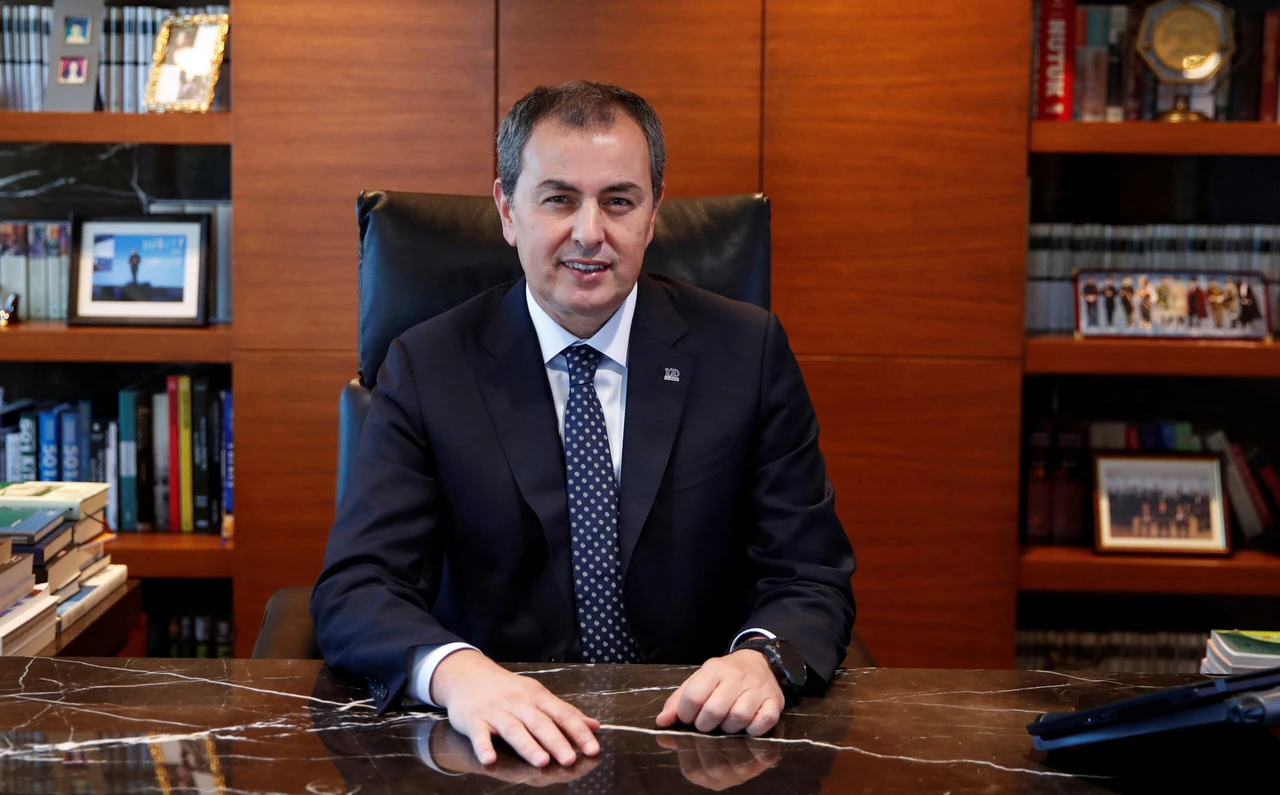
Isbank CEO, Hakan Aran, acknowledged significant hurdles for the bank as it navigates the complex economic landscape of Turkey. The country’s soaring inflation and fluctuating interest rates have cast a long shadow over the financial sector. In a notable development, Aran outlined plans for a strategic rate cut in November, a move anticipated to affect both the bank’s operations and the broader Turkish economy.

Aran’s statement came on the heels of Isbank’s centennial celebrations, marking 100 years of operation. This milestone underscores the institution’s long-standing presence in the Turkish financial market, which is currently under intense scrutiny due to the nation’s economic volatility. Despite Isbank’s historic achievements, the challenges posed by Turkey’s economic conditions are expected to shape its future strategies.

Inflation in Turkey has surged to unprecedented levels, driven by a combination of global economic pressures and domestic factors. The Central Bank of Turkey has responded with high interest rates, aiming to curb inflation and stabilize the currency. However, this policy has led to a constrained lending environment, impacting banks’ profitability and operational flexibility.

Isbank’s upcoming rate cut is a strategic response to these economic pressures. By lowering its rates, Isbank aims to stimulate lending and support economic growth amidst a challenging environment. The decision aligns with broader efforts by Turkish authorities to balance inflation control with economic growth stimulation. Aran emphasized that the rate cut is designed to enhance the bank’s competitiveness and support its clients during these turbulent times.

As Isbank celebrates its 100th anniversary, the institution reflects on a century of navigating Turkey’s economic ups and downs. The anniversary provides an opportunity for introspection and reassessment of the bank’s strategies in the face of evolving economic conditions. Aran highlighted that while the historical legacy of Isbank is a source of pride, the focus must remain on adapting to contemporary challenges.

The Turkish financial sector, including Isbank, is grappling with a tight economic environment marked by high inflation rates and fluctuating currency values. The Central Bank’s high interest rate policy, while aimed at stabilizing the economy, has created a complex landscape for financial institutions. Banks are required to balance the need for competitive interest rates with the necessity of maintaining financial stability and profitability.

Aran’s approach involves a nuanced understanding of these economic dynamics. The planned rate cut is seen as a proactive measure to mitigate some of the adverse effects of the high-interest environment. By adjusting its rates, Isbank aims to enhance its lending capabilities and provide better support to its clients, particularly businesses and individuals affected by the current economic pressures.

The broader context of Turkey’s economic challenges includes global factors such as energy price fluctuations and supply chain disruptions, which have exacerbated inflationary pressures. Domestic economic policies and geopolitical factors also play a crucial role in shaping the financial environment.

Isbank’s response to these challenges reflects a broader trend among Turkish banks to adapt their strategies in response to changing economic conditions. As the financial sector continues to evolve, the ability to navigate these challenges effectively will be crucial for maintaining stability and fostering growth.

The strategic decisions made by Isbank, including the anticipated rate cut, will be closely watched by analysts and stakeholders within the financial sector. These decisions will not only impact the bank’s operations but also have broader implications for Turkey’s economic landscape.

VISHNU RAJA
RYO YAMADA
HITORI GOTOH
IKUYO KITA