Just in:
BJP leader condemns cyber attacks over Mammootty wedding visit // North Korean hackers channel Binance funds through fake tokens // Lee Kum Kee Sauce-Sponsored 2026/27 Hong Kong Windsurfing Circuit – iQFOiL Championships Conclude Successfully // Recognition under the U.S. Green Building Council’s rating system confirms the 22-residence tower is on track for full certification on completion // Public Protests Challenge Elected Power In Europe And India // Republicans Struggling To Come Out Of Nov 3 Debacle To Prepare For 2028 Prez Polls // EU challenges TikTok video rankings over harmful content loops // Trump’s Defeat In Midterm May Lead To Both Challenges And Opportunities For Indian Economy // Google patches actively exploited Chrome XML security flaw // Bank of England flags sharper AI share correction risks // LNG tanker exits through Hormuz reach wartime peak // Abu Dhabi unveils restored Porsche from royal motorcade // European refrigeration hacks expose Gulf retail security risks // PhotonPay Strengthens North American Regulatory Footprint with Canada’s RPAA Registration // Deemed status for high-performing aided colleges // NIA Highlights Three Exemplary Breakthroughs from National Innovation Awards, Driving Thailand Toward a Global ‘Innovation Nation’ // Sber announces results of GigaArt AI-art festival: Nearly half a million images // Setback for Usha in Olympic body // AutoSwift secures close to A$10 million from Singapore’s X Star Technology to scale AI WINGMAN // Trump directs Justice Department scrutiny of Democratic threats //

News related to
Bank

The debt burden across the Middle East and North Africa has escalated markedly over the last decade, with many governments relying heavily on borrowing to sustain public spending amid economic challenges. This growing fiscal strain, combined with an increasing dependence on external donor funding, has amplified the influence of foreign actors on both domestic policies and regional geopolitics, raising concerns about the long-term economic sovereignty of these […]

Ghana’s gold reserves have surged to 31.37 tonnes in 2025, reaffirming its position as Africa’s leading gold producer. However, this growth is shadowed by a significant rise in artisanal and small-scale mining , which now accounts for nearly 40% of national output. The proliferation of unlicensed operations is raising alarms over environmental degradation, regulatory challenges, and the long-term sustainability of the country’s mining sector. The Ghana Chamber […]

Matein Khalid I have had a neurological soft corner for Wall Street’s alternative asset manager stocks ever since I resisted the come hither importunings of multiple Morgan Stanley (MS) managing directors before the firm sold its private wealth division in the DIFC to Credit Suisse. Everyone of these MS honchos wanted me to subscribe to the Blackstone IPO in the summer of 2007 at $32. They assured […]

Elon Musk has launched a scathing attack on President Donald Trump’s proposed $4 trillion tax and spending bill, branding it the “Debt Slavery Bill” and urging Americans to pressure lawmakers to reject it. The Tesla and SpaceX CEO’s criticism comes as the U.S. national debt approaches $37 trillion, with the Congressional Budget Office projecting the bill would add approximately $2.4 trillion to the deficit over the next […]

Ripple’s US dollar-pegged stablecoin, RLUSD, has secured regulatory approval from the Dubai Financial Services Authority , authorising its use within the Dubai International Financial Centre . This development enables RLUSD to be integrated into Ripple’s DFSA-licensed payments platform and utilised by other DFSA-registered entities operating in the DIFC.

The approval positions RLUSD among a select group of stablecoins recognised under the DFSA’s crypto token regime, which includes Circle’s USDC and EURC. RLUSD is designed for enterprise use, offering features such as 1:1 USD backing with high-quality liquid assets, segregated reserves, third-party audits, and clear redemption rights. It is issued under a New York Department of Financial Services Trust Company Charter, subjecting it to stringent regulatory standards.

Reece Merrick, Ripple’s Managing Director for the Middle East and Africa, noted the growing interest from businesses in the UAE for cross-border payments and digital asset custody solutions. He emphasised the dynamic nature of the UAE’s digital economy and expressed optimism about RLUSD’s role in facilitating real-time, cost-effective international transactions.

Ripple is collaborating with local partners, including digital bank Zand and fintech platform Mamo, who are expected to be early adopters of RLUSD. Additionally, RLUSD will support the Dubai Land Department’s initiative to tokenize real estate title deeds on the XRP Ledger, aiming to digitize and record property ownership using blockchain technology.

The DFSA’s recognition of RLUSD follows Ripple’s earlier approval to offer blockchain-powered payment solutions within the DIFC, obtained in March. This dual approval allows Ripple to integrate RLUSD into its global payment services in Dubai and the UAE, while also enabling other DFSA-licensed firms in the region to incorporate the stablecoin into their offerings.

Jack McDonald, Ripple’s Senior Vice President of Stablecoins, stated that the DFSA’s approval validates RLUSD as a trusted and compliant stablecoin built for global business. He highlighted the stablecoin’s potential to bring value across payments, decentralised finance , and real-world asset tokenization.

Arabian Post Staff Rivers across the globe are receiving new attention with a wave of innovative technologies designed to tackle plastic and other pollutants more efficiently than ever before. These emerging systems focus on smart, targeted solutions rather than brute-force methods, achieving significant gains in waste removal while minimising harm to aquatic ecosystems. Four technologies stand out for their unique approaches and effectiveness in various water environments. […]

S&P Global Ratings has indicated that South Africa must accelerate economic growth and implement credible fiscal consolidation to achieve its first credit rating upgrade in two decades. Currently rated at ‘BB-‘ with a positive outlook, the country remains below investment grade. Ravi Bhatia, S&P’s lead analyst for South Africa, emphasized that sustainable growth, fiscal discipline, and avoiding further bailouts for state-owned enterprises are critical for an upgrade. […]

Advertisements

KUALA LUMPUR, MALAYSIA – Media OutReach Newswire – 5 June 2025 – May proved to be a rather challenging month for gold traders. XAUUSD, the primary financial instrument for trading gold, fluctuated in a relatively broad range between $3,120 and $3,435 per ounce (oz), but finished the month virtually unchanged, narrowly recording a fifth consecutive monthly gain. Although trading started on a bearish note, XAUUSD found support […]

The East African Crude Oil Pipeline , stretching 1,443 kilometres from Uganda to the Tanzanian port of Tanga, has passed the 60 percent completion mark, marking a significant step forward in one of Africa’s largest infrastructure projects. This progress highlights the accelerating momentum in the development of critical energy infrastructure in the East African region, with implications for the economies and geopolitics of multiple countries. The pipeline, […]

African countries face growing challenges in accessing international finance as global economic uncertainty and tightening monetary policies restrict foreign capital flows. Moody’s Investors Service has highlighted the urgent need for these nations to develop robust local debt markets denominated in their own currencies to mitigate risks associated with reliance on external funding. As global financial conditions tighten, foreign investors have become more cautious about exposure to emerging […]

M A Hossain By any military measure, Ukraine’s ‘Operation Spider Web’ was an astonishing success. In a meticulously planned operation, Ukrainian drones struck deep into Russian territory, obliterating at least 40 military aircraft—including nuclear-capable Tu-95 and Tu-22M3 bombers—in a single, devastating blow. The attack revealed not only meticulous Ukrainian planning over 18 months but also the glaring vulnerabilities of Russia’s so-called impenetrable airspace. It was a coup […]

Matein Khalid Dr. Copper supposedly boasts a doctorate in economic forecasting because its price predicts inflection points in the global industrial cycle and Freeport-McMoRan (FCX) is the largest listed copper miner on earth, with gold and oil drilling businesses as ancillary SBUs. Dr. Copper is not exactly my fav prognosticator of the economic cycle but I do notice a mini price breakout of the red metal on […]

Burjeel Holdings PLC has entered into a significant agreement with the Abu Dhabi National Oil Company to operate and manage the newly established Das Hospital on Das Island. This collaboration aims to enhance healthcare services for ADNOC employees and the island’s residents.

The state-of-the-art facility is designed to serve as the primary healthcare and emergency response hub for Das Island. Equipped with advanced infrastructure, it offers round-the-clock care, including outpatient specialties such as general surgery, internal medicine, family medicine, occupational health, ENT, dental, ophthalmology, and dedicated cardiac and pulmonary units. The hospital also features a fully equipped emergency department with a minor operating room, licensed pharmacies, and a dedicated blood bank.

Dr. Ghuwaya Al Neyadi, Senior Vice President of Group Medical & Wellbeing at ADNOC, emphasized the importance of this partnership, stating that the hospital will provide top-tier healthcare and emergency services, reinforcing ADNOC’s commitment to employee wellbeing.

John Sunil, Group CEO of Burjeel Holdings, expressed pride in the collaboration, highlighting the company’s dedication to extending high-quality healthcare to strategic and remote locations. He noted that the initiative reflects Burjeel Holdings’ commitment to clinical excellence, innovation, and agile operations in support of ADNOC’s vision for a safer and healthier future.

The hospital includes 23 inpatient beds across male and female quarantine and critical care units, capable of managing both acute and chronic cases. Advanced diagnostic imaging services, including X-ray, CT scan, and ultrasound, support comprehensive patient care. Additionally, a dedicated physiotherapy and rehabilitation unit, decontamination unit, ambulance bays, and a helipad are integral parts of the facility, ensuring readiness for medical evacuations and emergency responsiveness.

This development builds upon the foundation of the former Das Medical Center, significantly enhancing healthcare provision on the island. With the integration of inpatient facilities, advanced diagnostic capabilities, and surgical services, the new hospital ushers in a new era of comprehensive, high-quality care for the Das community. It will also serve as the first responder for medical emergencies while supporting preventive and rehabilitative care aligned with ADNOC’s occupational health guidelines.

HO CHI MINH CITY, VIETNAM – Media OutReach Newswire – 4 June 2025 – After a successful launch in Los Angeles, Techcombank and ecosystem—One Mount and Masterise Group—are bringing the Overseas Talent Roadshow 2025 to Europe, with the next stop set for Paris on July 4–5. The Overseas Talent Roadshow attracted nearly 1,000 Vietnamese professionals in various majors. Los Angeles: A Kick-Off with Over 1,000 Talents Engaged […]

The Central Bank of the UAE has levied a Dh3.5 million fine on an unnamed exchange house for breaches of anti-money laundering and counter-terrorism financing regulations. This action is part of a broader enforcement initiative targeting financial institutions failing to meet compliance standards. The penalty was imposed under Article 14 of Federal Decree Law No. of 2018, which governs AML/CFT measures in the UAE. An examination by […]

Emerging markets are pushing higher again, and this time, the momentum isn’t misplaced. Behind the move is a growing body of evidence that the world’s most dynamic developing economies are demonstrating real economic resilience, despite a chaotic external backdrop. For investors, it’s a signal that deserves immediate attention. The surge in sentiment has been supported by improved financial market conditions, stronger currencies, and narrowing bond spreads. Business […]

By Saifur Rahman Nisus Finance Investment Consultancy FZCO (NiFCO Dubai), a subsidiary of India’s Nisus Finance Services Company Limited (NIFCO), said it will place funds and assets worth up to US$500 million (Dh1.83 billion) for tokenisation in the UAE. NiFCO Dubai said, it has signed a Memorandum of Understanding (MoU) with Xchain Technologies FZCO (Toyow), a leading blockchain-based forensic and advisory firm, for the tokenisation of funds […]

Lee Jae-myung assumed the presidency of South Korea on June 4, pledging to revitalise the nation’s economy and pursue dialogue with North Korea to ease tensions on the Korean Peninsula. His inauguration follows a period of political upheaval marked by the impeachment and removal of former President Yoon Suk Yeol, who attempted to impose martial law.

In his inaugural address, Lee emphasised the need to restore democratic institutions and address economic challenges exacerbated by global protectionism and domestic instability. He committed to a pragmatic, pro-market approach, aiming to deregulate industries to foster innovation and business growth. Lee also highlighted plans to implement a greener energy policy and strengthen ties with North Korea through peaceful diplomacy, while maintaining a solid alliance with the United States.

Lee’s administration faces immediate pressure to resolve trade disputes with the United States, particularly over tariffs impacting key industries. The Bank of Korea has projected a 0.8% growth rate for 2025, influenced by U.S. President Donald Trump’s tariff policies and domestic political instability. Lee’s presidency marks a crucial shift in South Korean politics and diplomacy, balancing international relations with China, North Korea, Japan, and the U.S.

The newly elected president also outlined his vision for social reforms, including increased welfare spending, corporate taxes, and regulatory oversight of conglomerates. Despite past skepticism of big business, he has signaled pro-market intentions to renew economic confidence following a crisis under former President Yoon Suk Yeol. Challenges await, including economic instability, rising U.S. tariffs, and strained foreign relations. Lee aims to renegotiate trade terms with the U.S. and recalibrate relations with China, Japan, and North Korea, favouring diplomacy and South Korea’s autonomy in international affairs.

Lee’s ascent to the presidency is notable for his background as a factory worker and human rights lawyer, symbolising resilience through adversity. His victory is largely attributed to public discontent with Yoon’s administration. However, Lee’s presidency begins under the shadow of legal challenges, including accusations of making false statements during a past campaign. While courts have postponed further hearings, any conviction could test constitutional protections that shield sitting presidents from prosecution.

The financial markets reacted positively to Lee’s inauguration, with the Kospi index rising over 2.4%. Meanwhile, the Bank of Korea downgraded the nation’s growth forecast significantly due to a slowing economy and declining exports.

Lee’s administration follows a political crisis sparked by former president Yoon Suk Yeol’s brief imposition of martial law. With control of both the presidency and national assembly, Lee’s left-wing bloc is poised to enact reforms, including corporate governance changes aimed at empowering minority shareholders.

By Dr. Gyan Pathak The most vocal Hindutva face in the North-East India, the chief minister of Assam Himanta Biswa Sarma, having shown penchant for igniting communal fire in the past, now seems to have decided on playing with even more terrible fire of arms conflicts, if his new arms policy in the state is […]

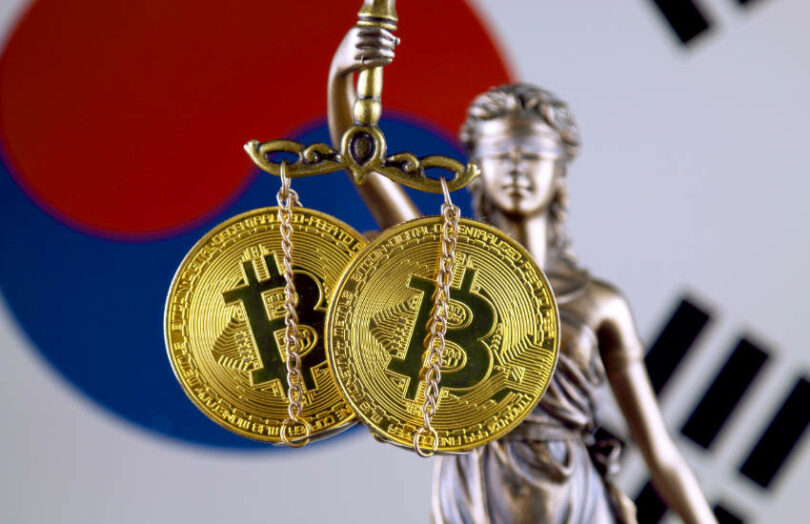
South Korea has witnessed the first notable instance of an institutional investor divesting cryptocurrency assets following the government’s decision to lift its long-standing ban on crypto trading by financial institutions. This marks a significant moment in the country’s evolving digital asset landscape, as regulatory shifts continue to reshape market dynamics and investor behaviour.

The institution in question, a major South Korean asset management firm, has reportedly sold off a substantial portion of its cryptocurrency portfolio. This move comes amid growing caution within the sector, despite regulatory relaxation intended to encourage wider institutional participation. Analysts suggest that the sale signals a pragmatic reassessment by financial entities, weighing regulatory clarity against market volatility and emerging geopolitical risks.

South Korea’s approach to cryptocurrency regulation has long been characterised by stringent restrictions designed to curb speculation and protect investors. The ban on crypto holdings by institutional investors, introduced several years ago, effectively excluded major banks, pension funds, and asset managers from direct crypto market involvement. This policy, aimed at stabilising the financial system, has limited the scale and scope of institutional crypto activity compared to other leading markets.

However, government authorities have recently signalled a more open stance, allowing institutions to hold and trade digital assets under stricter compliance and transparency frameworks. The removal of the ban reflects a broader effort to position South Korea as a competitive hub for blockchain technology and crypto innovation while addressing investor protection concerns. Regulatory bodies have emphasised enhanced due diligence, anti-money laundering measures, and consumer safeguards as prerequisites for institutional engagement.

Despite the regulatory easing, the initial institutional response appears cautious. The divestment by the asset management firm highlights lingering uncertainties, including the lack of comprehensive global regulatory harmonisation and fluctuating crypto valuations. Financial executives involved in the transaction point to increased scrutiny from compliance teams and internal risk committees, which have recommended a more conservative stance amid the unpredictability of crypto markets.

Market observers note that institutional investors have been closely monitoring international regulatory developments, including regulatory crackdowns in major economies such as the United States and the European Union. These external pressures, combined with domestic regulatory adaptations, create a complex environment where institutional players must balance opportunity with risk management.

South Korea’s crypto market itself continues to show robust retail participation, with local exchanges reporting increased trading volumes and new account openings. However, institutional activity remains limited, constrained by cautious regulatory interpretations and the need for clearer operational guidelines. Industry insiders indicate that infrastructure development, such as secure custody solutions and regulatory-approved trading platforms, will be critical to attracting sustained institutional capital.

The government’s gradual liberalisation has also been accompanied by initiatives to bolster blockchain technology development and related financial products. South Korean regulators are promoting pilot projects and innovation hubs, fostering partnerships between traditional finance firms and crypto startups. These efforts aim to build an ecosystem that supports not only trading but also tokenisation, decentralized finance applications, and digital asset custody.

Analysts highlight the importance of regulatory certainty for institutional confidence. The absence of clear rules has historically driven many South Korean financial institutions to adopt a wait-and-see approach, fearing potential legal repercussions and reputational damage. The recent institutional exit underscores the delicate balance regulators must maintain between fostering innovation and imposing adequate safeguards.

Investor sentiment is further influenced by macroeconomic factors, including global interest rate trends, currency fluctuations, and geopolitical tensions impacting asset flows. Cryptocurrency’s volatility relative to traditional assets remains a key consideration for institutional portfolio managers. Many firms are adopting phased approaches, initiating pilot crypto investments or forming dedicated teams to evaluate blockchain’s long-term potential before committing substantial capital.

The South Korean government’s broader digital finance strategy integrates cryptocurrency within its fintech agenda, aiming to create a sustainable and regulated market environment. However, achieving widespread institutional adoption will require ongoing dialogue with industry stakeholders, continuous regulatory refinement, and enhanced transparency mechanisms.

The current institutional crypto divestment could serve as a valuable indicator for regulators and market participants alike, revealing the challenges and reservations that remain despite policy shifts. Financial institutions appear to be navigating a transitional period, balancing innovation enthusiasm with prudent risk controls.


As top Gulf leaders vied to commit trillions of dollars in investment pledges during President Donald Trump’s Middle East tour, a significant shift emerged among financiers and business circles. Saudi Arabia’s appeal as the region’s primary investment hub is being overshadowed by the United Arab Emirates and Qatar, whose growing economic clout and more flexible policies are attracting greater international interest. Saudi Arabia’s challenges stem from structural […]

Oil prices strengthened sharply as OPEC+ agreed to a modest increase in production, falling short of some market expectations, while escalating geopolitical tensions in Ukraine and Iran added further upward pressure. West Texas Intermediate crude futures climbed 2.8%, settling near $63 per barrel, reflecting a cautious market balancing supply concerns against demand uncertainties.

The Organisation of the Petroleum Exporting Countries and its allies approved a production boost of 411,000 barrels per day for July, a figure that surprised some analysts who anticipated a larger output increase. This decision followed extensive negotiations marked by dissent from several members, including Russia, which has historically played a pivotal role in the alliance’s supply management. The group’s choice to limit production growth indicates a strategic effort to maintain price support amid a volatile global economic outlook.

Within the alliance, certain countries advocated for a pause in the output hike, citing lingering uncertainties in global demand recovery and concerns over market oversupply. This internal division has led financial institutions to offer contrasting forecasts on OPEC+ policy direction for the coming months. Some banks now expect additional gradual supply increases to ease pressure on energy markets, while others warn of a more restrained approach to sustain price levels.

Market participants are also closely monitoring the geopolitical landscape, which has become a significant factor influencing oil prices. The conflict in Ukraine continues to disrupt supply chains and has led to concerns over potential shortages in European energy markets. The war has prompted a reconfiguration of energy trade flows, with European countries seeking alternatives to Russian crude and refined products amid sanctions and supply restrictions.

Meanwhile, escalating tensions surrounding Iran’s nuclear programme and regional activities have heightened fears of disruptions in the Middle East, a region critical to global oil supply. The possibility of renewed sanctions or military confrontation has contributed to risk premiums embedded in crude prices. Iranian officials have issued statements warning against external interference, further adding to the geopolitical uncertainties that traders are factoring into their decisions.

The market’s response to these developments reflects a complex interplay between supply management by OPEC+ and external geopolitical risks. While the alliance’s measured increase in output signals a cautious optimism about demand recovery, the persistent threats to supply continuity underscore the fragility of the current energy market balance. This dynamic has led to increased volatility in oil prices as traders weigh the prospects of tighter supply against potential disruptions.

Analysts note that global oil inventories remain a critical indicator of market health. Recent data show stocks in key consuming regions have fluctuated, influenced by varying rates of economic activity and shifts in fuel consumption patterns. The International Energy Agency has highlighted that while demand has strengthened, it faces headwinds from inflationary pressures and a slower-than-expected economic rebound in several major economies.

Energy firms and investors are responding to the evolving scenario by adjusting their strategies. Some producers are exercising caution in ramping up output, mindful of price swings and regulatory challenges. Investment in exploration and production continues to be scrutinised in light of global energy transition policies and commitments to reduce carbon emissions, factors that could constrain long-term supply growth.

The global energy market is also observing shifts in trade flows as refiners and consumers adapt to changing supply sources. Countries in Asia and Europe are recalibrating their crude procurement strategies to mitigate risks and capitalise on price movements. This realignment is creating new patterns of demand that could influence OPEC+ decisions and broader market trends going forward.

Despite these complexities, market analysts caution that the oil market remains sensitive to any significant geopolitical escalation or unexpected shifts in production policies. The interplay between supply discipline by producing nations and geopolitical developments will continue to be key drivers of price direction. The potential for further volatility remains high as global economic conditions evolve and political uncertainties persist.

Financial institutions remain divided on how aggressively OPEC+ will pursue production hikes in the coming months. Some expect a gradual easing of supply constraints if demand shows sustained improvement, while others predict continued restraint to maintain price support amid ongoing global uncertainties.

Matein Khalid My macro crystal ball begins to vibrate ominously whenever a perma-bull talking head joins the Squawk Box on CNBC, my spiritual, philosophical and financial lodestar in life and La Dolce Vita of the mercati monetari globali. After all, our beautiful business began as a money lender’s bench in Renaissance Florence 600 years ago and if we ever ran out of cash, they ruptured our banco […]

Google Wallet users in the United States will no longer be able to use PayPal as a linked payment method starting 13 June 2025. The digital wallet platform will automatically remove all connected PayPal accounts, marking the end of a partnership that began in 2017. This change follows Google’s earlier decision on 11 April to halt the addition of new PayPal accounts to Wallet. The discontinuation affects […]

VISHNU RAJA
RYO YAMADA
HITORI GOTOH
IKUYO KITA
Just in:
Trump directs Justice Department scrutiny of Democratic threats // Recognition under the U.S. Green Building Council’s rating system confirms the 22-residence tower is on track for full certification on completion // Trump’s Defeat In Midterm May Lead To Both Challenges And Opportunities For Indian Economy // From Seoul to Wuzhen: Korean Celebrities and Creators Spark a Water Town Slow-Living Trend // EU challenges TikTok video rankings over harmful content loops // European refrigeration hacks expose Gulf retail security risks // California electorate defeats proposed levy on billionaire wealth // Deemed status for high-performing aided colleges // Abu Dhabi unveils restored Porsche from royal motorcade // FinCEN identifies $8 billion in suspect overseas payments // AI stock rout erodes sovereign and pension holdings // Vasavan alleges one-man show by CM Satheesan // North Korean hackers channel Binance funds through fake tokens // Bank of England flags sharper AI share correction risks // Japan’s Nikkei advances as buyers return after sell-off // Lee Kum Kee Sauce-Sponsored 2026/27 Hong Kong Windsurfing Circuit – iQFOiL Championships Conclude Successfully // Abu Dhabi court holds NMC executives liable for fraud // Sber announces results of GigaArt AI-art festival: Nearly half a million images // NIA Highlights Three Exemplary Breakthroughs from National Innovation Awards, Driving Thailand Toward a Global ‘Innovation Nation’ // BJP leader condemns cyber attacks over Mammootty wedding visit //