News related to
Emerging

A civilian death and multiple injuries have reignited tensions along the frontier between Cambodia and Thailand, casting doubt on a peace understanding signed in October. Cambodia reported that one resident of Prey Chan village in its Banteay Meanchey province was killed and three others wounded when gunfire erupted across the border near Thailand’s Sa Kaeo province. Cambodia’s Prime Minister informed that the incident occurred in the late […]

A delegation from Abu Dhabi’s infrastructure authority wrapped up discussions in Singapore with seven strategic memoranda of understanding aimed at accelerating urban development and smart-city infrastructure. The Abu Dhabi Projects and Infrastructure Centre signed accords with Singapore’s leading construction, engineering and architectural firms to bring advanced modular construction, digital twin technology and sustainable delivery models into a US$54 billion + project pipeline.

The agreements involved Singapore entities such as BCA International, Surbana Jurong, Meinhardt Group, Singapore Institute of Architects, CPG Corporation, Tech Onshore MEP Prefabricators and RSP Architects. Collectively they span built-environment excellence, urban master-planning, engineering consultancy, design collaboration, infrastructure solutions and prefabricated Mechanical, Electrical and Plumbing systems.

Representatives from the Abu Dhabi side included His Excellency Eng. Maysarah Mahmoud Salim Eid, Director General at ADPIC; His Excellency Jamal Abdullah AlSuwaidi, Ambassador to Singapore; Eng. Khulood Al Marzouqi, Acting Executive Director of Infrastructure Regulation & Support at the Abu Dhabi Department of Municipalities and Transport; and Eid Alobeidli, Director of Musataha & Public-Private Partnerships at the Abu Dhabi Investment Office. On the Singapore side, figures such as Kelvin Wong of BCA International and Tiah Nan Chyuan of the Singapore Institute of Architects joined the talks alongside over 400 industry-leaders.

The roadshow, branded under the Abu Dhabi Infrastructure Summit International Roadshow framework and hosted in partnership with Enterprise Singapore and the UAE-Singapore Business Council, showcased Abu Dhabi’s public-private-partnership frameworks, regulatory incentives and capital-project delivery models, while spotlighting Singapore’s global expertise in digitalised construction and sustainable design.

Among the key trends emerging is a strong emphasis on modular construction and design-for-manufacture-and-assembly methods. The Singaporean partners bring capabilities in integrated digital delivery and prefabricated MEP systems which Abu Dhabi is keen to deploy across large-scale urban districts, residential developments and mixed-use master-plans. Eng. Eid described Singapore as “the pinnacle of smart-city innovation and advanced construction methodologies” and said the step sets “concrete pathways for Singaporean expertise to contribute to Abu Dhabi’s ambitious infrastructure agenda”.

The pipeline includes more than US$54 billion in planned infrastructure across Abu Dhabi, signalling opportunities for joint ventures, co-investment and technology transfer. The partnership framework aims to elevate not only individual projects but to build an integrated ecosystem of digital-innovation, sustainability and efficient delivery models. Eid Alobeidli of ADIO emphasised that Abu Dhabi is “developing an integrated ecosystem that leverages world-class infrastructure, digital innovation and proven PPP delivery models to accelerate… transformation into a future-ready global capital.”

From the Singapore side, Heng Teck Thai of BCA International noted that the collaboration “reinforces Singapore’s commitment to global built-environment excellence” and underlined the use of the Green Mark framework as a basis for promoting sustainable and energy-efficient developments in Abu Dhabi and beyond.

The two-day event featured detailed presentations of Abu Dhabi’s major project opportunities, developers’ pipelines and open B2B networking sessions that connected Abu Dhabi stakeholders with Singaporean firms. Site-visits were also conducted, including a tour of Surbana Jurong’s campus and a modular-construction facility by Teambuild ICPH in Singapore, illustrating the hands-on dimension of the partnership potential.

With the formal agreements in place, attention now shifts to the operational phase of collaboration: how Singapore-based firms will transfer technology, how Abu Dhabi will adapt regulatory frameworks for fast-track project delivery and how both sides will structure co-investment and risk-sharing in major infrastructure programmes. Analysts note that successful execution will depend on aligning regulatory regimes, intellectual-property frameworks and local content strategies to maximise the benefits from global-local partnerships.

Observers point to the Gulf–ASEAN axis as gaining momentum in infrastructure cooperation, as the Abu Dhabi-Singapore tie-up could serve as a model for other Gulf states seeking to tap Singapore’s expertise in urban planning, sustainability and smart-technology integration. The signalling effect may help unlock further foreign-direct-investment flows into Gulf infrastructure markets and enhance cross-regional knowledge exchange.


The Czech National Bank has made a groundbreaking decision by purchasing $1 million worth of Bitcoin and other cryptocurrencies. This move marks a significant shift in the institution’s approach to digital assets, as traditionally, central banks have been cautious about such volatile markets. This purchase is seen as a strategic step towards diversifying the country’s financial reserves and aligning with the growing trend of state-level engagement with cryptocurrencies.

The decision, which has raised eyebrows in financial circles, reflects a broader global trend where central banks and governmental institutions are increasingly exploring the role of digital currencies in modern economies. While the purchase is relatively modest compared to the vast reserves typically managed by central banks, it signals a new willingness to embrace the evolving digital finance landscape.

Central banks across the world have been exploring digital currencies for several years, with some even launching their own central bank digital currencies. However, direct investments in cryptocurrencies like Bitcoin are rare. Most central banks remain skeptical, often citing concerns over regulatory challenges, security risks, and the potential for instability in cryptocurrency markets.

The Czech National Bank’s move to buy Bitcoin suggests a shift in its thinking, with an increasing recognition of the role that cryptocurrencies might play in the future of the global financial system. Experts have suggested that the bank might be aiming to gain exposure to the asset class as part of a broader strategy to stay ahead of technological developments in finance.

The purchase has raised questions about how central banks will balance the use of traditional assets like gold and fiat currency with the emerging influence of digital assets. Cryptocurrency markets, especially Bitcoin, have seen significant price volatility, and its future remains uncertain. However, this new development in the Czech Republic comes amidst growing interest in digital currencies as a store of value, particularly as inflation concerns and geopolitical risks continue to influence traditional financial markets.

Bitcoin has been increasingly seen as a hedge against inflation, similar to gold, which has historically been a safe haven for investors during times of economic uncertainty. The Czech National Bank’s decision could be an acknowledgment of Bitcoin’s growing role in global finance, even as many countries still hesitate to fully embrace it. The purchase may also reflect the bank’s desire to experiment with cryptocurrencies and explore their potential as an alternative asset class, which could ultimately benefit its own strategic interests.

The Czech government and financial regulators have thus far remained cautious about cryptocurrency adoption. While the country has not implemented any major regulatory frameworks specifically for crypto assets, it has been keeping an eye on developments in the sector. The central bank’s decision could push for further discussions around the future regulatory landscape for cryptocurrencies within the Czech Republic, particularly in relation to institutional investment.

In Europe, other countries are also taking steps to integrate digital assets into their financial systems. For instance, countries like Switzerland and Germany have become more receptive to cryptocurrency investments, with some banks even offering cryptocurrency-related services to clients. However, the Czech Republic’s central bank is one of the few to make such a direct investment in Bitcoin, setting it apart from its regional counterparts.

The global narrative surrounding cryptocurrency adoption continues to evolve. Many governments and central banks have been hesitant to fully embrace these digital assets due to concerns over their speculative nature and lack of regulation. However, with financial institutions like the Czech National Bank making such investments, it’s becoming increasingly clear that there is an acknowledgment of cryptocurrencies’ growing influence on the global stage.

While there is no official statement from the Czech National Bank regarding its long-term strategy for cryptocurrencies, experts suggest that the purchase could be part of a broader effort to test the waters before making further moves in the digital asset space. Central banks are traditionally risk-averse, but as the digital economy continues to grow, institutions like the Czech National Bank may play a more active role in shaping the future of cryptocurrencies in the global financial system.

Grant Williams, a globally recognised commentator in the fields of gold and finance, has been confirmed as the keynote speaker for the upcoming Dubai Precious Metals Conference, organised by the Dubai Multi Commodities Centre. The conference, scheduled to take place in the coming weeks, is set to attract a wide range of industry professionals, investors, and experts within the precious metals sector.

Williams, known for his insightful analysis and expert commentary, has a reputation for his deep understanding of global financial markets, with a particular focus on commodities and gold. His involvement in the conference underscores DMCC’s ambition to reinforce Dubai’s position as a key player in the global precious metals industry. This year’s event is expected to explore critical issues facing the precious metals market, including regulatory shifts, technological advancements, and economic challenges.

The Dubai Precious Metals Conference has become a highly anticipated gathering, drawing key figures from across the financial and commodities sectors. Attendees can expect discussions on market trends, investment strategies, and the evolving landscape of gold trading, with Williams offering his expert perspective on global macroeconomic factors that influence the precious metals market. His analysis is expected to provide attendees with a thorough understanding of the dynamics shaping the industry.

In addition to Williams, the conference will feature a host of other prominent speakers and panellists from leading financial institutions and trading platforms. These experts will delve into a range of topics, from the impact of geopolitical events on commodity prices to the growing role of digital platforms in precious metals trading. This year’s conference is poised to be one of the most significant gatherings for industry professionals, highlighting the importance of staying ahead of market shifts and understanding the factors that drive the sector’s growth.

The DMCC’s efforts to host such a high-profile event reflect the centre’s continued commitment to expanding Dubai’s influence in global trade and commodities. As the world’s largest free zone for precious metals trading, DMCC has long been a hub for the buying, selling, and storage of gold, silver, and other precious commodities. By inviting top-tier speakers like Grant Williams, DMCC is ensuring that its events remain at the forefront of global discussions on precious metals, providing invaluable insights for businesses and investors in the sector.

The importance of the conference is amplified by the growing interest in gold as an investment asset, particularly amid volatile market conditions. As the world navigates uncertain economic times, many investors are turning to gold and other precious metals as safe-haven assets. The conference will offer timely discussions on how investors can optimise their portfolios in light of current economic trends, as well as exploring the emerging opportunities and risks in the precious metals market.

Dubai’s strategic location as a key global financial hub makes it an ideal venue for such discussions, especially as the city continues to strengthen its position in the commodities sector. The DMCC, with its robust infrastructure and regulatory framework, provides a conducive environment for the growth of the precious metals industry. The Dubai Precious Metals Conference is a vital event for all those involved in or seeking to enter the precious metals market, and the involvement of Grant Williams as a keynote speaker further elevates the stature of the event.

SharpLink Gaming has reported a significant achievement, earning 492 ETH in staking rewards within a single week. This milestone reflects the company’s robust performance in the rapidly growing field of decentralized finance, where staking plays an essential role in earning passive income. With a growing presence in the gaming and blockchain sectors, SharpLink’s latest success highlights its expanding role in the emerging digital economy.

The company’s staking rewards come as part of its broader strategy to harness blockchain technology for sustained revenue generation. Through participating in Ethereum’s staking mechanism, SharpLink has effectively capitalized on the network’s transition to a proof-of-stake model. Ethereum’s shift, which replaced the energy-intensive proof-of-work system, has opened the door for institutional and individual investors alike to earn rewards by locking up ETH in the network.

SharpLink’s performance reflects broader trends in the crypto market, where institutional investors are increasingly turning to staking as a reliable source of income. By participating in Ethereum’s PoS system, investors can contribute to the network’s security and operations while earning rewards in the form of additional ETH. As the second-largest cryptocurrency by market cap, Ethereum’s transition to PoS has made staking more attractive to a wider range of investors, from retail to institutional.

The 492 ETH earned by SharpLink during the past week adds to its growing total of staking rewards, with the company steadily building its portfolio through a combination of strategic staking initiatives and its involvement in blockchain-based gaming projects. Staking rewards are particularly attractive in the context of volatile crypto markets, where traditional forms of investment might not offer comparable returns.

Beyond the immediate financial benefits, SharpLink’s participation in Ethereum staking signals the company’s commitment to long-term engagement with blockchain technology. The company has been focusing on integrating blockchain and decentralized elements into its gaming platform, positioning itself as a key player in the emerging intersection of gaming and cryptocurrency. With the broader gaming industry increasingly exploring blockchain technology, SharpLink’s moves suggest a forward-thinking approach that could give it an edge in an increasingly competitive market.

While Ethereum’s shift to PoS has been a key driver behind this surge in staking rewards, SharpLink’s ability to generate consistent returns is also attributed to its in-depth understanding of the mechanics of DeFi. The company has been leveraging its expertise to optimise its staking strategies, ensuring that it remains competitive within the ever-evolving cryptocurrency landscape. This ability to adapt and capitalise on new trends is critical in a market that is known for its rapid changes and unpredictable nature.

The success of SharpLink Gaming also comes at a time when other players in the DeFi and gaming sectors are beginning to see similar benefits from staking and other blockchain-related activities. Ethereum’s PoS model has not only created an opportunity for passive income but has also contributed to the overall stability of the Ethereum network, which has been crucial for sustaining investor confidence. As more companies like SharpLink participate in Ethereum staking, the broader ecosystem stands to benefit from increased security and scalability.

SharpLink’s earnings are a testament to the ongoing maturation of the DeFi ecosystem, which has steadily grown in influence over the last few years. The Ethereum blockchain, along with other DeFi platforms, has been instrumental in reshaping the traditional financial landscape, offering decentralized alternatives to conventional financial systems. For companies like SharpLink, this shift represents both a challenge and an opportunity to tap into a burgeoning market that continues to grow in size and sophistication.

AI video tool Sora 2, developed by OpenAI, has drawn sharp criticism from privacy advocates, Hollywood, and creators over the potential risks it poses in generating deepfake content. Advocacy group Public Citizen is among those calling for the tool’s immediate withdrawal, citing concerns that the app could be misused to produce non-consensual imagery and undermine democracy. The tool, which uses AI to generate videos from text-based prompts, […]

SoftBank Group has completed the sale of its entire stake in Nvidia, raising $5.83 billion as part of a broader strategy to shift its investments towards artificial intelligence, particularly in its backing of OpenAI. This decision, marking the end of SoftBank’s position in the semiconductor giant, is a bold pivot as the Japanese conglomerate seeks to maximise its involvement in the rapidly growing AI sector. The sale […]

Advertisements

Ahead of the 2025 Morocco Showcase Summit, industry leaders assess the kingdom’s readiness for 2030, analyzing investment and strategies to match demand CASABLANCA, MOROCCO – EQS Newswire – 11 November 2025 – As hospitality and investment leaders prepare to gather at the Marriott Hotel in Casablanca for the Morocco Showcase Summit on November 19-20, 2025, a critical question takes center stage: Is Morocco’s hospitality supply growth keeping […]

BYLINE ARTICLE FOR COP30 11 NOVEMBER 2025 BELEM, BRAZIL – Media OutReach Newswire – 11 November 2025 – Malaysia is not simply setting goals; it is actively translating its ambition into reality. Following the introduction of the Malaysia Pavilion theme, ‘Climate Action Now: Net Zero Pathways Unlocked,’ at the recent International Greentech & Eco Products Exhibition and Conference Malaysia (IGEM 2025), we have cemented our commitment in […]

The high-end Solaya waterfront development in Dubai has already garnered significant attention, despite the fact that construction has yet to begin. With luxury penthouses priced upwards of $24 million, wealthy individuals from across the globe are competing in an intense bidding process. This unique approach to real estate sales has elevated the project’s status as one of the most anticipated luxury developments in the region. The project, […]

Crescent Enterprises, a prominent UAE-based conglomerate, has announced a bold investment plan amounting to AED 1 billion in the Gulf Cooperation Council, India, and Southeast Asia over the next three years. The initiative, spearheaded through the company’s strategic platform, CE-Invests, is aimed at acquiring minority stakes in mid-market businesses across various high-growth sectors, such as consumer goods, healthcare, manufacturing, and financial services. The company’s move is rooted […]

The GCC bond market has seen a significant uptick in activity this week, as borrowers capitalise on advantageous financial conditions. With borrowing costs narrowing to exceptionally tight levels, issuers from various sectors have eagerly entered the market, resulting in a diverse range of mandates. A total of nine mandates were launched, spanning sovereigns, banks, and corporations. The focus of most issuers was on subordinated US dollar instruments, […]

The Bank of England has announced a new policy restricting the amount of stablecoins that individuals and businesses can hold in the country, setting a cap of £20,000. The move comes as part of broader efforts to regulate the rapidly evolving digital currency market, ensuring financial stability while fostering innovation in the fintech sector.

The Bank’s decision follows months of discussions and consultations with financial experts and market participants. It aims to address the increasing popularity of stablecoins, digital currencies pegged to traditional assets such as the British pound or US dollar. While stablecoins are generally considered less volatile than other cryptocurrencies, their rapid growth has raised concerns over potential risks to the broader financial system.

This new regulation is expected to apply to both domestic and international users of stablecoins operating within the UK. It will limit the amount of stablecoins that can be held or transacted by any single entity or individual to £20,000, a figure designed to reduce the systemic risks posed by large, unregulated digital assets in the UK economy.

Stablecoins, which have been touted as a bridge between traditional finance and the world of digital currencies, have gained traction in recent years. However, central banks have been cautious about their potential to destabilise financial markets. The Bank of England’s intervention reflects a growing global trend towards regulating the digital asset space, with governments and central banks around the world striving to balance innovation with risk management.

For many, the £20,000 limit is seen as a precautionary measure rather than a significant hurdle. Advocates for digital currencies argue that such regulations may stifle innovation, particularly for businesses looking to integrate blockchain technology into their operations. However, the Bank of England has insisted that the measure is necessary to safeguard financial integrity and protect consumers from potential losses in a volatile market.

The UK government has also made strides in providing clearer guidelines for the treatment of cryptocurrencies and other digital assets. In recent months, the government has introduced draft legislation aimed at improving the transparency of crypto markets and creating a regulatory framework for their use. The UK’s proactive stance towards regulating stablecoins and other digital assets is part of a broader ambition to become a global leader in financial technology, or “fintech.”

While the Bank of England’s move is a step toward ensuring the stability of the financial sector, it is unlikely to be the last word on digital currency regulation. As the stablecoin market continues to grow and evolve, further policy adjustments may be necessary to address emerging risks and opportunities. The international nature of digital assets also presents a challenge for regulators, who must work together to ensure that these digital currencies do not undermine the stability of the global financial system.

HONG KONG SAR – Media OutReach Newswire – 10 November 2025 – CPA Australia’s regional survey about business technology adoption shows that most companies in Hong Kong have used artificial intelligence (AI) tools at different levels. Though the increasing AI application helps to improve productivity, it also transforms the hiring trends in the accounting and finance industry, and increases concerns on data protection and governance, according to […]

Dubai’s property market is grappling with a widening supply-demand gap, as the number of completed units lags behind the increasing volume of new project announcements. While developers continue to launch projects at an accelerated pace, experts warn that this could lead to a critical imbalance in the coming years. According to real estate agency Allsopp & Allsopp, a significant discrepancy is emerging between the number of new […]

The GCC bond market has experienced a surge in activity this week, with borrowers from various sectors seizing the opportunity to tap into favourable financial conditions. The tightening of borrowing costs has created a window of opportunity for sovereigns, banks, and corporations, leading to a total of nine mandates being issued.

The rush for capital comes at a time when borrowing costs have reached historically low levels. For many issuers, this represents an ideal moment to lock in cheap debt ahead of any potential future rate hikes. Among the most notable developments in this surge are the issuances of subordinated US dollar-denominated instruments, which have become increasingly popular among borrowers.

Sovereign issuers have been particularly active, with a mix of established and emerging players entering the market to raise funds for various development projects. These sovereign bonds are typically seen as safe investments, attracting strong interest from global investors. The preference for subordinated debt, which is ranked lower than senior debt in the event of default, reflects the confidence investors have in the region’s economic stability despite global uncertainties.

Banks, too, have been prominent participants in this market rally. With liquidity abundant, financial institutions have been eager to raise funds through bonds in order to strengthen their balance sheets and support lending activities. Several major GCC banks have launched bond issues, with a focus on long-term debt offerings to manage their refinancing needs and capital adequacy requirements.

Corporate borrowers, meanwhile, have been drawn to the bond market as a means of financing expansion and strategic initiatives. In particular, companies with strong credit ratings have capitalised on the tight borrowing conditions to secure funding at competitive rates. The demand for subordinated instruments has allowed corporates to issue debt with slightly higher yields, while still benefiting from the current low-rate environment.

One of the key drivers behind this bond market activity is the broader economic stability in the GCC region. Despite global challenges such as oil price volatility and geopolitical tensions, the region’s sovereign wealth funds and strong fiscal management have provided investors with confidence. Additionally, the implementation of economic diversification strategies across the Gulf States has helped bolster investor sentiment.

Another contributing factor is the continued strength of the US dollar, which is pegged to most of the GCC currencies. With the Federal Reserve maintaining its policy stance and the dollar remaining strong, issuers are able to tap into deep liquidity pools from global investors who are looking to park funds in stable currencies. As a result, demand for US dollar-denominated bonds from the GCC remains robust, particularly in the context of tightening global financial conditions.

The trend towards subordinated debt issuance has also been partly driven by investor demand for higher-yielding instruments, as investors seek returns in an otherwise low-interest-rate environment. Subordinated debt typically offers a higher yield due to its increased risk profile, making it attractive for investors seeking greater returns, especially as other asset classes provide limited growth.

Looking ahead, it is expected that this trend will continue in the short term as issuers capitalise on the current favourable market conditions. Analysts predict that the next few weeks may see even more issuances, as sovereigns and corporates look to take advantage of tight borrowing costs before any potential shifts in the global financial landscape.

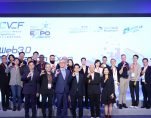
Two-day forum explores AI and blockchain venture capital landscape, unveiling new global capital trends HONG KONG SAR – Media OutReach Newswire – 7 November 2025 – Cyberport’s flagship event, the Cyberport Venture Capital Forum 2025 (CVCF), achieved a record-breaking over 500 deal flows, with more than 2,700 attendees and over 180,000 online views. Themed “The Innovation-Venture Nexus: Igniting Transformative Success”, the two-day forum, together with highlight events […]

A fresh roster of innovators, and increased sums of investment, had global innovators eyeing Hong Kong’s I&T capabilities HONG KONG SAR – Media OutReach Newswire – 7 November 2025 – Hong Kong Science and Technology Parks Corporation (HKSTP) has successfully concluded EPIC 2025 Presented by Cathay and HSBC. Ideas took flight at today’s Grand Finale; NEU Battery Materials brought home the Overall Championship and won the Green […]

Nigeria has successfully raised $2.35 billion through the sale of 10-year and 20-year Eurobonds, marking a significant achievement in its financial strategy. The transaction, announced on Wednesday, attracted a staggering $13 billion in orders, the largest-ever demand for Nigerian sovereign debt. The sale, conducted through the country’s Debt Management Office, highlights strong investor confidence in Nigeria’s economic recovery prospects despite ongoing challenges. The sale included two tranches: […]

The International Monetary Fund has commenced its 2025 Annual Research Conference, a high-profile event gathering economists, policymakers, and financial experts. This year’s theme, “The Evolving Landscape of Global Trade and Financial Systems,” is expected to delve into the complexities surrounding international trade, global economic policies, and emerging financial trends. Held in Washington, D. C., the conference is hosting a mix of seasoned experts from various sectors, including […]

A landmark agreement has been signed by the UAE clean-energy firm Masdar and Austrian integrated energy company OMV to establish a joint venture for the financing, construction and operation of a 140 MW green-hydrogen electrolyser plant at Bruck an der Leitha, Austria. The plant is expected to commence operations in 2027, following the commencement of construction in September 2025. OMV will hold a 51 per cent majority […]

DeAgentAI has surged by an astounding 722% in price, captivating the attention of the cryptocurrency market and piquing the interest of investors and traders alike. The token, built within the Sui ecosystem, is designed to power autonomous on-chain agents, a feature crucial for the next-generation automation in Web3. This explosive price rally comes despite an overall downturn in the crypto sector, highlighting the unique drivers behind AIA’s success.

The rally began with an announcement of a strategic partnership with Pieverse, a move that has sent ripples through both the AI and blockchain communities. The Pieverse collaboration promises to extend the utility of AIA beyond its initial Web3 integration, offering new opportunities for developers and businesses alike to leverage autonomous agents for smart contract execution and decentralized applications. Pieverse’s backing adds a significant layer of credibility and exposure to the project, attracting both institutional and retail investors looking to capitalise on the convergence of AI and blockchain technologies.

A key component in AIA’s rapid growth has been its technical breakout, surpassing significant Fibonacci retracement levels. These price levels, commonly used in technical analysis to predict potential areas of support and resistance, indicated a strong bullish momentum for AIA. The breakout above these levels signified to market participants that the token was primed for further price gains, encouraging both short-term traders and long-term investors to buy into the upward movement.

The growing interest in AI technologies has played a critical role in driving demand for DeAgentAI. As artificial intelligence becomes increasingly embedded in various sectors, from finance to healthcare, the crypto market has been eager to incorporate AI capabilities into blockchain networks. AIA’s offering of autonomous agents that operate on the blockchain fits neatly into this emerging trend. Investors are keen to position themselves in projects that aim to bridge the gap between AI advancements and decentralized systems, with DeAgentAI being one of the most prominent players at the intersection of these two fields.

Despite the sharp upward movement in AIA’s price, some analysts have raised questions about the sustainability of the rally. With the broader cryptocurrency market experiencing a dip, many are cautious about the potential for a price correction. The recent surge in AIA’s value, although impressive, has prompted concerns that the rapid increase may have been driven by speculative interest rather than long-term fundamentals. As is often the case with explosive price movements, questions about the stability and longevity of such rallies remain a focal point for both traders and analysts.

The market’s focus on DeAgentAI, however, reflects a growing interest in the broader Sui ecosystem, which has seen increased activity as more projects develop on its platform. Sui’s architecture, designed to scale quickly and efficiently, is drawing attention from developers looking for a robust foundation to build decentralized applications. As the ecosystem grows, projects like DeAgentAI are well-positioned to benefit from the network’s increasing user base and infrastructure.

Investors have also noted that the rise of DeAgentAI is indicative of a broader trend where tokens associated with new and innovative technologies, particularly in AI and Web3, are attracting significant capital. As the blockchain space continues to evolve, more investors are looking to identify the next wave of groundbreaking projects. DeAgentAI’s dramatic price increase positions it as one of the key players in this space, sparking conversations about its future potential and the broader implications for the AI-focused crypto market.

Greenlogue/AP A partnership between clean-energy pioneer Masdar and integrated fuels and chemicals company OMV will create a 140 megawatt green-hydrogen electrolyser plant in Bruck an der Leitha, Austria, with operations targeted for 2027. The binding agreement grants Masdar a 49 per cent stake while OMV retains 51 per cent and oversees day-to-day operations. The venture is projected to produce up to 23,000 tonnes of green hydrogen annually, […]

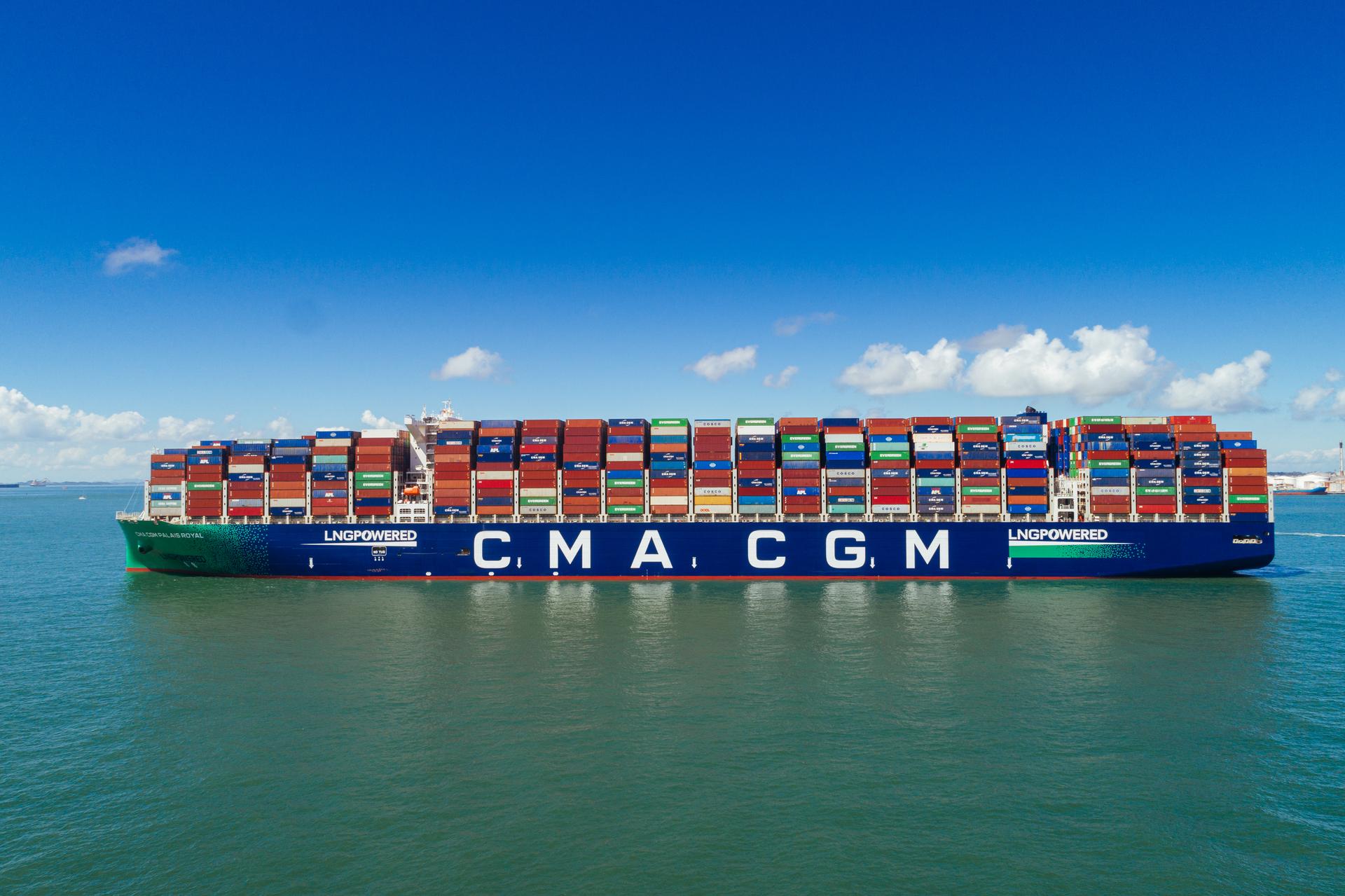
Abu Dhabi-headquartered AD Ports Group has reached a joint venture agreement with France’s CMA CGM Group to acquire a 20 per cent stake in the Latakia International Container Terminal in Syria for USD 22 million. The deal followed the ratification of a shareholders’ agreement signed in Abu Dhabi by Captain Mohamed Juma Al Shamisi, Managing Director & Group CEO of the AD Ports Group, and Rodolphe Saadé, Chairman & Chief Executive Officer of CMA CGM. The terminal handles over 95 per cent of Syria’s container traffic and is vital for the country’s agricultural export flows and industrial imports.

The new partnership builds on an existing franchise: CMA CGM has operated LICT since 2009 and in May this year signed a 30-year concession with Syrian authorities to expand and modernise the facility with a €230 million investment. Under this expansion plan the terminal’s capacity will scale from around 250,000 twenty-foot equivalent units to approximately 625,000 TEUs by the end of 2026. The AD Ports stake brings fresh funding, regional logistics know-how and establishes a feeder-service linkage via GFS expected to call Latakia in its emerging network.

Analysts note combining AD Ports’ digital-and-logistics platforms with CMA CGM’s terminal-operations experience offers a synergetic boost. Captain Al Shamisi described the deal as reinforcing AD Ports’ role as a “global enabler of trade, logistics and industry” and strengthening its international footprint; Saadé said it underscores CMA CGM’s commitment to the Eastern Mediterranean corridor. Yet risks remain: Syria’s infrastructure base was severely weakened by years of conflict, sanctions regimes remain in flux, and the geopolitical security climate in the Eastern Mediterranean remains volatile. In particular the coastal region around Latakia must contend with residual logistical bottlenecks and war-damaged hinterland links.

From a strategic viewpoint, the deal gives AD Ports exposure to an under-served Mediterranean gateway that has long been overshadowed by Cyprus, Turkey and Egypt. For CMA CGM it provides a partner that can bring capital, Gulf-region networks and feeder-service integration. It also aligns with Syria’s aim to attract foreign investment into its trade infrastructure under recent reforms, aiming to rehabilitate its war-impacted logistics chains and boost maritime connectivity. Governance observers point out that this investment marks one of the first substantial Gulf-region port-logistics ventures in Syria since the cessation of major international sanctions, signalling a potentially broader shift in regional trade flows.

Operationally, the agreement will focus on upgrading terminal infrastructure, digitising cargo-handling and container-tracking systems, enabling larger vessels by deepening docks and extending quays, and integrating feeder-shipping links. LICT’s current capacity constraints mean that the joint venture must invest quickly to meet anticipated growth in Syrian cargo volumes, especially agricultural exports and industrial imports. The container terminal’s status as the main node for land-locked regions within Syria gives it strategic significance beyond the coast: improved throughput at Latakia could ease pressure on border crossings and reduce logistics delays for inland cargo flows.

VISHNU RAJA
RYO YAMADA
HITORI GOTOH
IKUYO KITA