Just in:

News related to
Emerging

Sharjah Women’s Sports Club underlined their status as title contenders at the Arab Women Sports Tournament with a hard-fought victory over Al Wasl, prevailing in a charged all-Emirati encounter that set the tone for the volleyball competition at the eighth edition of the event. The result consolidated Sharjah’s position near the top of the standings and reinforced the growing depth of women’s volleyball across the UAE, where […]

Millennium Hotels and Resorts is sharpening its expansion strategy by placing the Middle East, North Africa and Turkey at the centre of its global growth plans, using the region’s aviation reach, investment climate and tourism depth to connect Asia with a wider set of international markets. Executives at the Singapore-based hospitality group say the MENAT region has moved beyond being a strong operating base to become a […]

HONG KONG SAR – Media OutReach Newswire – 5 February 2026 – The national “15th Five-Year Plan” recommendation has clearly identified the “AI+” initiative as a core strategic deployment. The Ministry of Industry and Information Technology (MIIT) has also positioned artificial intelligence (AI) as a key development direction for new productive forces. The HKSAR Government is actively aligning with national policies, and the 2025 Policy Address emphasises AI as a core industry for Hong Kong’s future development.

To expand AI application scenarios and enhance enterprises’ competitiveness, the Hong Kong Productivity Council (HKPC) is hosting the inaugural “AI with HKPC” Smart Solutions Showcase Series, which officially opens today. Professor SUN Dong, Secretary for Innovation, Technology and Industry, HKSAR Government, and the Hon Sunny TAN, Chairman, Hong Kong Productivity Council, officiated at the opening ceremony, underscoring the Government’s and the industry’s shared determination to drive the broader adoption of AI applications. Registration for the event has been enthusiastic, with over 3,000 representatives from the Government, industry, academia and research communities expected to attend, reflecting the “AI for all” trend and strong market demand for digital solutions.

The three-day event focuses on three major themes, including empowering SMEs, digitalised education, and smart property, showcasing nearly 100 ready-to-deploy AI solutions covering diverse scenarios such as operations management, customer interaction, school administration and teaching, and building maintenance. It marks AI’s shift from concept demonstrations to real-world deployment, injecting practical momentum into Hong Kong’s new industrialisation and smart city development.

Professor SUN Dong, Secretary for Innovation, Technology and Industry, HKSAR Government, said: “AI is transforming the world at an unprecedented pace. Hong Kong, with its unique strengths in research foundation, international talent pool and open market environment, provides the ideal soil for advancing the industrialisation of AI. The HKSAR Government has been promoting the development of AI in a comprehensive manner across research, computing power, data, talent and funding. HKPC also actively assists enterprises in mastering AI technologies and enhancing AI governance, not only laying a solid foundation for application by businesses, but also nurturing digitally skilled talent with a vision for the future and driving the continuous upgrading of industries. HKPC has long supported and worked closely with the HKSAR Government in advancing innovation and technology development. Let us continue to work hand in hand and seize opportunities, and jointly propel Hong Kong to become a leading pioneer of smart transformation in Asia”.

The Hon Sunny TAN, Chairman of Hong Kong Productivity Council, said: “HKPC actively responds to the national ’15th Five-Year Plan’ recommendation and fully supports the HKSAR Government’s direction of promoting the deep integration and application innovation of AI across various industries. This showcase aims to build a transformation bridge from ‘seeing’ to ‘doing’, not only demonstrating the broad potential of AI technologies, but also providing actionable and scalable pathways to help enterprises extend pilot projects into full-scale deployment, thereby realising AI-driven industry transformation.” He further noted, “As AI adoption accelerates, robust cyber security protection is the foundation for responsible AI use. According to the latest report from the Hong Kong Computer Emergency Response Team Coordination Centre, local cyber security incidents in 2025 rose by 27% year-on-year, reaching a record high. HKPC will continue supporting enterprises in building a secure and trustworthy AI application environment, so the industry can innovate with confidence and transform with assurance.”

The “AI with HKPC” Smart Solutions Showcase Series focuses on four common pain points enterprises face during AI transformation, which is “integration challenges, insufficient funding, security concerns, and talent shortage”. Guided by the philosophy of “technology as a bridge, industry as the foundation,” HKPC promotes the popularisation and industrialisation of AI applications. Through the showcase, local SMEs can gain deeper understanding of practical AI use cases across business operations, while also accessing a series of technical solutions and services. HKPC’s self-developed multipurpose AI platform “HKPC Picasso,” aims to respond to the “integration challenges” commonly faced by most enterprises in AI transformation, with “ease of use” as the core concept, providing an end-to-end and executable AI transformation support system for the common needs of different industries. It currently offers six large language model (LLM) modules, over 30 commonly used functional modules, and around 40 applications, supporting rapid development and deployment of smart solutions. This significantly lowers development costs and technical barriers, enabling enterprises to deploy and launch customised AI systems within several weeks. The platform makes AI more accessible, empowering SMEs to kick-start smartification transformation with ease.

HKPC also provides AI Governance and Testing Services to help enterprises address “security concerns”. The services cover AI governance framework design, ethics and compliance review, data privacy assessment, AI content and model security testing, as well as enhancements to model transparency, supporting enterprises in optimising AI systems to meet international standards and establishing a sustainable and responsible AI application framework. In addition, to tackle the “talent shortage” pain point, HKPC offers supporting AI-related training courses to strengthen enterprises’ understanding and practical capabilities in AI application. This helps build a solid foundation for AI transformation while ensuring safety, compliance and public trust throughout technological development.

“AI with HKPC” Nearly 100 Hands-on, Ready-to-Deploy AI Use Cases Across Three Themes

1) Empowering SMEs for the AI Era​ Solution Day (5–6 February)

Aligned with the 2025 Policy Address direction of supporting SMEs in digitalisation and smartification transformation, the showcase features five exhibition zones, presenting “ready-to-use, fast-impact, low-barrier” AI solutions such as AI-powered accounting, process automation, intelligent customer service, and collaboration tools. These solutions cover operations, infrastructure, security, marketing and talent management. The showcase also introduces AI applications incubated through the “HKPC Picasso” platform and HKPC’s AI governance services, helping SMEs explore transformation pathways based on their needs.

All solutions are sourced from HKPC’s free platform Digital DIY, which integrates trusted AI solutions from Hong Kong and the Chinese Mainland. Addressing SMEs’ pain points of “limited channels and difficulty in choosing,” the platform provides efficient matching and clear adoption guidance—accelerating transformation and enhancing competitiveness.

2) AI in Education Forum Series & Showcase (5–6 February)

To support the HKSAR Government’s push for digital education and the Education Bureau’s AI for Empowering Learning and Teaching Funding Programme, HKPC co-organises the AI in Education Forum Series & Showcasewith the Education Bureau and Hong Kong Education City, helping schools grasp policy directions, technology solutions and AI teaching planning.

The event features over 60 AI education solutions, including language learning, SEN support and smart assessment, and for the first time centrally showcases 22 projects under the Quality Education Fund (QEF) e-Learning Ancillary Facilities Programme (eLAFP) developed by universities and institutions. The seminar series includes a principals’ forum themed “Achieve More with Less: AI Integration Strategies for Hong Kong Schools,” where primary and secondary school principals share hands-on experience. HKPC Academy will also introduce how schools can leverage Government funding to effectively integrate AI into school-based teaching, learning and administration to improve efficiency.

3) AI Driven Solutions for Smarter Property Sharing Session (9 February)

The AI-Powered Smarter Property Management Sharing Sessionon 9 February will align with the smart building development blueprint under Smart City Blueprint 2.0, as well as the HKSAR Government’s advocacy for deeper AI integration across industries. It aims to help the industry understand emerging AI applications in property management.

The session will feature multiple AI technologies developed by HKPC, including Water Tank Cleaning Robot successfully piloted with Jones Lang LaSalle, Pureland Drone Facade Cleaningwith advantages for high-altitude work safety, Recycling Bin Transporter utilising automation, AI, and sensor technologies, and anAutonomous Wheelchair suitable for elderly and persons with disabilities, demonstrating how innovation can enhance building management efficiency, improve resident experience, and advance sustainable urban development.

Click here to download the high-resolution photos

Photo caption:

1. The Hon Sunny TAN, Chairman of the Hong Kong Productivity Council, delivers a speech at the opening ceremony, encouraging SMEs to adopt AI to enhance competitiveness and operational efficiency.

2. Professor SUN Dong, Secretary for Innovation, Technology and Industry, HKSAR Government, attends the opening ceremony of the “AI with HKPC” Smart Solutions Showcase Series, supporting the popularisation and practical deployment of AI.

3. Mr Edmond LAI, Chief Digital Officer of HKPC, delivers a keynote speech explaining the core value of HKPC’s self-developed multipurpose AI platform “HKPC Picasso” and how it addresses enterprises’ transformation pain points.

4. The officiating move guests and industry representatives take a group photo to witness the grand opening of the three-day “AI with HKPC” Smart Solutions Showcase Series, marking AI’s toward broader adoption and industrialisation.

5. The showcase features multiple AI application solutions tailored for SMEs, covering smart operations, data analytics and customer experience, attracting many industry visitors for exchanges.

Hashtag: #HKPC

The issuer is solely responsible for the content of this announcement.

About the Hong Kong Productivity Council

The Hong Kong Productivity Council (HKPC) is a statutory body established in 1967, dedicated to enhancing the productivity and competitiveness of Hong Kong enterprises through world-class applied R&D, innovative technology services, and integrated manufacturing solutions. As a market-oriented, international R&D organisation, HKPC leverages its deep expertise and extensive industry experience in key areas such as AI, advanced manufacturing, life and health technology, green technology and new energy to drive new industrialisation and support the growth of emerging and future industries.

HKPC focuses on addressing businesses challenges and industrial technology needs, promoting the full integration between technological and industrial innovation. Through technology transfer, product innovation, intellectual property protection and commercialisation of R&D outcomes, the Council fosters collaboration with the local business community as well as top global R&D institutions, delivering added value to industries and advancing the development of new productive forces. HKPC’s world-class R&D achievements have been widely recognised over the years, winning an array of local and overseas accolades, reinforcing Hong Kong’s role as an international innovation and technology centre and a smart city.

To help enterprises capitalise on Hong Kong’s strengths in international connectivity to expand into global markets, HKPC offers comprehensive overseas expansion services tailored to critical areas including product development, technology, manufacturing, and management, enabling businesses to successfully go global from Hong Kong.

HKPC is also committed to providing timely and practical support to SMEs and startups with timely and practical, assisting them in accessing Government funding programmes. Through its FutureSkills training initiatives, HKPC helps both industry and academia stay ahead in latest digital and STEM technologies, nurturing a future-ready talent pool for Hong Kong.

For more information, please visit HKPC’s website: .

HONG KONG SAR – Media OutReach Newswire – 4 February 2026 – The Hong Kong Productivity Council (HKPC) today successfully launched its annual flagship event, “ForeSight 2026”, at the HKPC Building, with the Office for Attracting Strategic Enterprises (OASES) as the strategic partner of the event. With the theme of “Empowering Hong Kong’s Innovation Ecosystem, Bridging Opportunities with the 15th Five-Year Plan”, the event brought together, both in online and offline, more than 500 government, business, industry leaders and approximately 16,000 viewers in Chinese Mainland to discuss how Hong Kong can proactively connect with the national “15th Five-Year Plan” and jointly promote innovation and industrial integration, helping enterprises achieve high-quality development and enhance international competitiveness.

The Honourable Paul CHAN Mo-po, GBM, GBS, MH, JP, Financial Secretary of the Government of the Hong Kong Special Administrative Region, officiated at the forum and expressed, “The country has consistently given strong support to Hong Kong’s development of innovation and technology. Whether in the ’14th Five‑Year Plan’ or in the recommendations for the ’15th Five‑Year Plan’, there is clear support for Hong Kong to develop into an international innovation and technology hub”. He added, “Looking ahead, we will continue to proactively align with national development strategies, promote the deep integration of technological innovation and industrial innovation, and further strengthen the linkage between technology and industry. We will encourage enterprises to devote more effort in research and development, expand the scope of technology applications, and nurture innovative enterprises with an international outlook and forward-looking vision, driving the economy toward a high value-added and more diversified future”.

The Honourable Sunny TAN, Chairman of Hong Kong Productivity Council, said in the closing remarks, “The ’15th Five-Year Plan’ brings significant and far-reaching development opportunities to Hong Kong. At the Political Bureau of the Communist Party of China Central Committee’s recent group study session, President Xi Jinping urged adopting a strategy whereby industry poses questions and science and technology provide the answers. HKPC will continue to play an active role in promoting innovation and industrial upgrading, closely echoing the overall development strategies of the national and HKSAR Government, and making good use of innovative technologies to address business challenges, providing comprehensive support to enterprises to accelerate their upgrading and transformation, enhance their competitiveness, and seize new opportunities”.

Unlocking Hong Kong’s Connectivity Advantages and Gathering Leadership Wisdom

The “ForeSight Visionary Leaders Panel” was held at the day, moderated by Mr Vincent WONG, Columnist and Media Veteran, and invited industry leaders including Ms ZHI Tao, Founder of Beijing Yunji Technology Ltd., Mr WANG Yong Chao, Founder and Chairman of Henan Oriental Materials Company Ltd., Mr Jonathan CHIU, President of Schneider Electric Hong Kong, Mr Peter YAN, JP, Director-General, Office for Attracting Strategic Enterprises of the Government of the Hong Kong Special Administrative Region, and Mr Mohamed D. BUTT, MH, Executive Director of Hong Kong Productivity Council, to share their insights. The topic features three key areas of enterprise going global, technological empowerment and talent development, and delved into the practical experience of how enterprises can achieve innovation-driven and high-quality development under the national “15th Five-Year Plan” through Hong Kong’s role as a “bridgehead”, Chinese brands going international through Hong Kong, Hong Kong’s advantages in technical support and innovative talent gathering, and how it can provide the Chinese Mainland enterprises with a one-stop platform for upgrading and going globally.

Realising the Full Empowerment of Enterprises to “Go Global”

HKPC echoes the national and HKSAR Government’s development strategies to address business challenges and industrial technology needs. Over the years, HKPC has successfully assisted many Chinese Mainland and local enterprises in expanding overseas markets, with many of these expansions implemented in Southeast Asia, Europe, ASEAN and the Middle East, etc., achieving upgrades and internationalisation. In recent years, HKPC and OASES have jointly established an “introduction-application-growth-go global” service model to help enterprises go global, with success cases include Westwell, Yunji Technology, UNISEE, etc. HKPC will continue to work with OASES to leverage the advantages of “Made in Hong Kong” to help enterprises connecting the world through Hong Kong.

Mr Peter YAN, JP, Director-General, Office for Attracting Strategic Enterprises of the Government of the Hong Kong Special Administrative Region, said, “Hong Kong possesses a robust financial system, deep talent pool, and an international environment that integrates with international regulations, standards and operation practices. Coupled with the government’s relevant industry policies and long-established overseas networks, Hong Kong provides unique support for Chinese Mainland enterprises to use Hong Kong as a base to go global, as well as for overseas enterprises to development in the GBA. OASES is dedicated to attracting global strategic enterprises from five strategic I&T sectors, actively aligning with the national 15th Five-Year Plan. We provide comprehensive landing support services and assist enterprises in establishing their ‘first project’ in Hong Kong, fully leveraging Hong Kong’s role as a ‘Super Connector’ and ‘Super Value-Added'”.

At the same time, HKPC, as a member of the GoGlobal Task Force of the HKSAR Government, will continue to focus on providing “Six Tactics to Go Global” for enterprises through “The Cradle Go Global Service Centre” (The Cradle), including smart production, Technology research and development and evaluation, international standards and testing, professional services, training and on-site visits, and funding schemes, to support Hong Kong to leverage its unique advantages and empower enterprises to expand overseas with high quality.

Since its establishment in April, The Cradle has attracted more than 350 companies that have expressed interest in using its services. Among these, over 100 cases have entered a concrete follow‑up stage. Together with overseas expansion projects supported prior to its establishment, the cumulative total exceeds 450 cases.

For more details, please watch the video “Six Tactics to Go Global“.

Bringing the strengths of Government, Industry, Academia, Research and Investment to Build an Innovative Industrial Ecosystem

HKPC has been working closely with the government, industry, academia, research and investment sectors to promote new industrialisation and enhance the new quality productive forces of industries, including:

  • The major project led by Harbin Institute of Technology on key technologies and equipment for circular economy: Provide dynamic identification and big data resource pool construction solutions for multi-source solid waste in megaurban agglomerations
  • The project led by Jiangsu University on wheat green smart processing and key technology integration and industrialisation demonstration: Provide core technical support such as AI and the Internet of Things
  • Tsinghua University: Jointly established a technology centre to focus on the industrial transformation of intelligent manufacturing and AI technology
  • Zuquan Research Institute of Fudan University: Signed a cooperation agreement to promote collaboration and transformation of scientific and technological outcomes between Shanghai and Hong Kong

HKPC will continue to promote cross-sectoral dialogue between government, industry, academia, research and investment, focusing on the implementation of future industries and technology applications, and helping to build Hong Kong into a key node in the global I&T value chain.

Click here to download the high-resolution photos

Photo caption:

  1. HKPC’s annual flagship event, “ForeSight 2026”, themed “Empowering the Innovation Ecosystem and Bridging Hong Kong with New Opportunities under the 15th Five‑Year Plan,” brought together numerous government and business leaders.
  2. The Honourable Paul CHAN Mo-po, GBM, GBS, MH, JP, Financial Secretary of the Government of the Hong Kong Special Administrative Region, delivered a speech as the guest of honour at the “ForeSight 2026”, pointing out that going forward, efforts will continue to proactively align with national development strategies and promote the deep integration of technological innovation and industrial innovation.
  3. The Honourable Sunny TAN, Chairman of the Hong Kong Productivity Council and Legislative Council Member, said in his closing remarks that the Productivity Council will leverage innovation and technology to address enterprises’ real pain points, provide all‑round support to help enterprises accelerate their upgrading and transformation, enhance competitiveness, and seize new opportunities.
  4. The Honourable Paul CHAN Mo‑po, Financial Secretary of the Government of the Hong Kong Special Administrative Region, GBM, GBS, MH, JP (centre); The Honourable Sunny Tan, Chairman of the Hong Kong Productivity Council and Legislative Council Member (second from right); Mr Peter YAN, JP, Director-General, Office for Attracting Strategic Enterprises (second from left); Mr Emil YU, BBS, JP, Deputy Chairman of the Hong Kong Productivity Council (far right); and Mr Mohamed D. BUTT, MH, Executive Director of the Hong Kong Productivity Council (far left), attended HKPC’s annual flagship event, “ForeSight 2026”.
  5. Moderated by veteran media professional Dr. Vincent WONG, industry leaders shared their insights at the “ForeSight Visionary Leaders Panel”.
  6. (From right to left) Mr Peter YAN, JP, Director-General, Office for Attracting Strategic Enterprises; Mr Jonathan CHIU, President, Hong Kong, Schneider Electric Hong Kong; Mr WANG Yong Chao, Founder & Chairman of Henan Oriental Materials Company Limited; Ms ZHI Tao, Founder of Beijing Yunji Technology Ltd.; and Mr Mohamed D. BUTT, MH, Executive Director of the Hong Kong Productivity Council.

Hashtag: #HKPC #Foresight2026

The issuer is solely responsible for the content of this announcement.

About Hong Kong Productivity Council

The Hong Kong Productivity Council (HKPC) is a statutory body established in 1967, dedicated to enhancing the productivity and competitiveness of Hong Kong enterprises through world-class applied R&D, innovative technology services, and integrated manufacturing solutions. As a market-oriented, international R&D organisation, HKPC leverages its deep expertise and extensive industry experience in key areas such as AI, advanced manufacturing, life and health technology, green technology and new energy to drive new industrialisation and support the growth of emerging and future industries.

HKPC focuses on addressing business challenges and industrial technology needs, promoting the full integration between technological and industrial innovation. Through technology transfer, product innovation, intellectual property protection and commercialisation of R&D outcomes, the Council fosters collaboration with the local business community as well as top global R&D institutions, delivering added value to industries and advancing the development of new productive forces. HKPC’s world-class R&D achievements have been widely recognised over the years, winning an array of local and overseas accolades, reinforcing Hong Kong’s role as an international innovation and technology centre and a smart city.

To help enterprises capitalise on Hong Kong’s strengths in international connectivity to expand into global markets, HKPC offers comprehensive overseas expansion services tailored to critical areas including product development, technology, manufacturing, and management, enabling businesses to successfully go global from Hong Kong.

HKPC is also committed to providing timely and practical support to SMEs and startups with timely and practical, assisting them in accessing Government funding programmes. Through its FutureSkills training initiatives, HKPC helps both industry and academia stay ahead in latest digital and STEM technologies, nurturing a future-ready talent pool for Hong Kong.

For more information, please visit HKPC’s website: .

India has set out a strategic roadmap to accelerate domestic capabilities in robotics and physical artificial intelligence, signalling a push to reduce dependence on imported hardware and proprietary software while positioning the country as a competitive global supplier of intelligent machines. The plan, prepared by the Technology Advisory Group for Emerging Technologies, places indigenisation, software sovereignty and sector-focused deployment at the centre of the national approach, with healthcare, manufacturing, logistics, agriculture and media production identified as priority domains.

The roadmap comes as governments worldwide race to translate advances in artificial intelligence into physical systems that can operate autonomously in real-world environments. While software-led AI has seen rapid adoption, policymakers argue that long-term economic and strategic gains will hinge on control over robotics hardware, operating systems and embedded intelligence. India’s proposal reflects concerns that reliance on imported robots and closed platforms could expose critical sectors to supply-chain risks and limit domestic innovation.

At its core, the strategy seeks to build a full-stack robotics ecosystem, spanning sensors, actuators, edge computing, operating software, cloud integration and safety certification. Officials involved in drafting the document have stressed that the objective is not isolation but resilience, with domestic alternatives developed alongside international collaboration. The roadmap calls for common standards and open architectures to prevent vendor lock-in and to allow startups and research institutions to build interoperable systems.

Healthcare has emerged as an early focus area, driven by workforce shortages and rising demand for precision care. The roadmap highlights surgical assistance, rehabilitation devices, hospital logistics robots and elder-care support systems as near-term opportunities. Policymakers note that such applications demand high reliability and ethical safeguards, reinforcing the need for locally controlled software stacks and transparent algorithms. Parallel efforts are proposed to strengthen clinical validation pathways and align regulatory approvals with global benchmarks.

Manufacturing and logistics form another pillar, with the document pointing to collaborative robots, autonomous guided vehicles and smart warehousing as tools to raise productivity and improve workplace safety. India’s manufacturing sector, dominated by small and medium-sized enterprises, has historically lagged in robot adoption due to cost and skills barriers. The roadmap recommends targeted incentives, shared testing facilities and modular designs to lower entry thresholds, alongside large-scale skilling programmes to train technicians, operators and system integrators.

Agriculture features prominently, reflecting policy priorities around food security and rural incomes. The plan outlines the use of robotics for precision spraying, harvesting, soil analysis and post-harvest handling. Developers are encouraged to design systems suited to fragmented landholdings and diverse crops, rather than importing models built for large, mechanised farms elsewhere. Officials argue that domestically developed agricultural robots could also find markets across Asia and Africa, where similar conditions prevail.

An unusual inclusion is the media and creative sector, where robotics and physical AI are seen as enablers of immersive production, automated camera systems and smart broadcasting infrastructure. The roadmap suggests that integrating robotics with virtual production and generative tools could lower costs for newsrooms and studios while enhancing safety in hazardous reporting environments.

Beyond sectoral applications, the strategy places strong emphasis on software sovereignty. It calls for homegrown robotics operating systems, simulation platforms and AI frameworks that can be audited and customised. While global open-source projects are acknowledged as valuable foundations, the document urges sustained public funding to ensure domestic stewardship and long-term maintenance. Data governance and cybersecurity are flagged as critical, particularly for robots deployed in sensitive locations.

Financing and procurement reforms form another strand. The roadmap proposes dedicated funding windows for deep-tech robotics ventures, longer grant cycles to reflect extended development timelines and clearer pathways from research labs to commercial deployment. Public procurement is positioned as a market-shaping tool, with government agencies encouraged to pilot domestically developed robots in hospitals, warehouses and public infrastructure.

The roadmap also addresses ethical and social dimensions, including job displacement concerns and safety standards. Rather than framing robotics as a threat to employment, the document argues that productivity gains can create new roles in design, maintenance and supervision, provided reskilling keeps pace. It recommends national guidelines for human–robot interaction, liability frameworks and continuous monitoring of societal impact.

Apple has rolled out Safari Technology Preview 236, the latest iteration of its experimental browser platform that previews innovations destined for future mainstream releases. The update delivers a broad set of fixes and technical refinements spanning CSS, HTML, image handling, form functionality, media playback, rendering performance, Web API behaviour, scalable vector graphics and real-time communication protocols. It can be downloaded on macOS Sequoia and macOS Tahoe via […]

Fashion has long crossed borders, but for Scotland-based Nigerian creative Esther Oladapo, clothing functions as a narrative device shaped by migration, memory and identity rather than mere aesthetics. Working between cultures, Oladapo has built a practice that draws on West African heritage while engaging directly with Scotland’s contemporary fashion and creative scenes, positioning her among a growing cohort of diasporic designers redefining how African stories are told […]

Advertisements

Energy cooperation between India and Bhutan has moved into a sharper operational phase, with both governments signalling alignment on stalled hydropower projects, new transmission corridors and a longer-term framework for electricity trade that underpins Bhutan’s public finances and supports India’s clean-energy transition.

Officials from the two sides held detailed consultations this week focused on accelerating work at the Punatsangchhu hydropower complex and reviving momentum on the long-discussed Sankosh project, while also reviewing cross-border transmission upgrades needed to evacuate power to the Indian grid. The talks came against the backdrop of rising electricity demand in eastern and northern India and Bhutan’s dependence on hydropower exports for fiscal stability.

The centrepiece remains the Punatsangchhu projects on the Punatsangchhu river, split into two plants. Punatsangchhu-I, designed for 1,200 MW, has faced prolonged delays following geological surprises that required major redesign of the dam structure and stabilisation of slopes. Officials familiar with the discussions said construction schedules are now being re-sequenced, with civil works and electro-mechanical installations aligned to a phased commissioning plan rather than a single completion date. Punatsangchhu-II, with a capacity of 1,020 MW, is at a more advanced stage, and planners are focusing on synchronising turbine commissioning with downstream transmission readiness.

Attention has also returned to the Sankosh Hydroelectric Project, a 2,560-MW venture long seen as a potential game-changer for Bhutan’s export capacity. Earlier hesitations over cost, resettlement and environmental impacts had pushed the project into limbo. The latest exchanges indicate a renewed willingness to revisit the detailed project report, reassess financing structures and examine whether a modular execution approach could reduce upfront risks. For Bhutan, Sankosh represents scale and revenue predictability; for India, it offers a large block of firm renewable power that complements solar and wind additions.

Beyond generation, transmission infrastructure featured prominently. Power evacuation from central and western Bhutan requires high-capacity lines linking to India’s eastern grid, where load centres are expanding. Officials reviewed progress on new substations and high-voltage corridors, with an emphasis on synchronising completion timelines to avoid stranded generation. Grid planners also discussed redundancy and resilience, reflecting lessons from weather-related disruptions and the need for stable cross-border flows during peak demand periods.

The partnership rests on an established model in which Indian public sector utilities assist with project execution and financing, while Bhutan retains ownership and earns export revenue. Hydropower accounts for a significant share of Bhutan’s gross domestic product and exports, making timely commissioning critical for debt servicing and social spending. Delays at Punatsangchhu have weighed on fiscal projections, prompting a stronger push for resolution.

For India, the engagement fits into a broader regional energy strategy. Hydropower imports from Bhutan provide dispatchable renewable electricity that balances variable solar output, particularly during evening peaks. Policymakers view this as complementary to domestic clean-energy targets and as a stabilising factor for grid operations. Electricity trade with Bhutan also aligns with New Delhi’s neighbourhood-first approach, where infrastructure and energy ties reinforce diplomatic relations.

Technical experts involved in the discussions highlighted the importance of geotechnical due diligence and adaptive engineering, especially in Himalayan terrain prone to landslides and seismic activity. Updated monitoring systems, revised dam designs and contingency buffers are being incorporated to mitigate risks that previously caused setbacks. Financing terms are also under review to manage cost escalations without overburdening Bhutan’s balance sheet.

Commercial arrangements formed another strand of the talks. Officials examined tariff structures, power purchase agreements and the scope for longer-tenure contracts that provide revenue certainty. There was also discussion on integrating future Bhutanese hydropower into emerging regional electricity markets, which could eventually allow surplus power to be traded beyond bilateral arrangements, subject to regulatory clearances.

By Nitya Chakraborty The announcement on India-US trade deal was expected, but the manner in which both President Donald Trump and Prime Minister Narendra Modi did the same in social media has led to big confusion. After a phone call with Narendra Modi, Trump claimed on Monday that the US had reached a trade arrangement […]

The article Total Confusion Over The Status Of India-US Trade Deal Prevailing appeared first on Latest India news, analysis and reports on Newspack by India Press Agency).

KUALA LUMPUR, MALAYSIA – Media OutReach Newswire – 30 January 2026 – In an era where investors are more selective than ever, SMEs can no longer rely on vision, passion, or static pitch decks alone. The new rule of fundraising is clear: No Data, No Talk.

Participants of the Data Fundraising Masterclass gather on Day 3 of the programme in Kuala Lumpur, where SME owners presented investor-ready pitch decks built using CapitalOS, BizPal’s data-driven corporate finance platform.


This message took centre stage at the
Data Fundraising Masterclass (12–14 December 2025) organised by BizPal by Simplyfi™, where close to 80 SME owners, founders, and senior leaders gathered to learn how technology, branding, and corporate finance must be integrated into a single, data-driven narrative to unlock capital and sustainable growth.

The three-day masterclass was designed to help SMEs move beyond siloed decision-making. Participants were guided through structuring their business models, identifying value drivers, and translating strategy into investor-ready financial narratives using CapitalOS — BizPal’s data-driven corporate finance platform that consolidates operational, strategic, and financial data into a coherent dashboard designed to speak the language of investors.

“I thank the team for their tireless preparation for the masterclass. Our mission is simple — SMEs should never walk into a funding conversation unsure of their numbers,” said Ms. Anya Tan, CEO of BizPal by Simplyfi™.

Rather than treating technology, brand, and finance as separate initiatives, CapitalOS demonstrated how these elements work together to form one credible, measurable story of enterprise value.

Technology as a Measurable Growth Strategy
As part of the programme, guest speaker Mr. Chris Teng, Sales Director of FSBM Holdings Berhad, shared insights on the role of technology in enterprise scalability.

“Every business today needs a clear technology blueprint — not just to operate efficiently, but to attract investors. Technology is the foundation of scalability. When you can demonstrate how your tech investments drive data, efficiency, and market access, your enterprise value naturally grows.”

This session reinforced a core principle of data fundraising: technology only creates value when it produces measurable outcomes. Within CapitalOS, participants learned how technology investments can be translated into operational metrics and long-term financial impact — moving technology from a backend function to a valuation driver.

Turning Brand and IP into Recognised Assets
In another session, Mr. Tee Lin Yik, CEO and Co-founder of Tee IP Sdn Bhd, addressed the growing importance of brand and intellectual property (IP) valuation in fundraising.

“Your marketing, design, and digital assets are not just expenses — they represent intangible value. When structured properly, these can be recognised as brand assets, contributing directly to enterprise valuation.”
Participants explored how branding and IP, when properly documented and governed, can be captured within CapitalOS as value-creating assets, strengthening credibility during fundraising discussions and due diligence.

Finance, Governance, and the Investor Lens
Concluding Day 2, Mr. Dylan Woon, Director of Sparta Haus, highlighted the importance of live data, governance, and transparency from an investor’s perspective.

“In the modern business environment, static reports are no longer enough. Investors expect live dashboards and clear governance trails. Platforms like CapitalOS help SMEs manage and present their data dynamically — aligning business strategy with financial credibility.”

Through guided exercises, participants learned to view their businesses from an investor’s lens — understanding how data consistency, governance discipline, and financial clarity directly influence valuation and funding decisions.

From Learning to Real Conversations
Beyond theory, the programme delivered tangible outcomes. Participants were guided to develop investor-ready pitch decks using AI-assisted tools, with many completing their decks during the three-day programme.

Several selected participants presented their pitch decks to investors and judging panelists on Day 3, leading to follow-up discussions and early expressions of interest.

Soft Launch of Global Mentorship Exchange (GMx)
Wrapping up Day 3 of the Data Fundraising Masterclass, BizPal also announced the soft launch of the Global Mentorship Exchange (GMx), a strategic ecosystem initiative designed to complement CapitalOS by connecting experienced business leaders with high-potential entrepreneurs.

BizPal Head of Innovation, Wayne, announcing the soft launch of the Global Mentorship Exchange (GMx) alongside Dato’ Jacky of Asia Success Media Group during Day 3 of the Data Fundraising Masterclass in Kuala Lumpur.

The initiative is built on a central premise: the greatest untapped resource in business is experience. GMx aims to make this experience more accessible by providing a structured platform where mentors, entrepreneurs, and investors can engage through data-backed evaluation, technology-enabled assessment, and transparent benchmarking.

GMx is positioned as a global exchange where experienced founders and industry leaders support emerging businesses not only through guidance, but through measurable insights aligned with investor expectations. By integrating mentorship with structured evaluation frameworks, GMx seeks to help high-potential SMEs gain visibility, credibility, and readiness for the global stage.

According to the organisers, the soft launch marks the first phase of a broader effort to formalise mentorship, recognition, and capital access into a single ecosystem — enabling experience, data, and technology to work together in supporting sustainable enterprise growth.

Validated by Participants
The impact of the masterclass was reflected in post-programme feedback:

  • Over 80% of respondents rated their likelihood to recommend the programme 8–10 on the Net Promoter Score (NPS) scale
  • Participants rated the programme an average of 4.52 out of 5 stars for value received relative to investment
  • The results highlight strong validation from SME owners on the programme’s relevance, practicality, and return on learning

Beyond the Masterclass
To ensure continuity and execution beyond the workshop, all participants have been invited to an upcoming online coaching session, where they will further strengthen their teams’ hands-on capability in using CapitalOS.
For SMEs interested in joining future cohorts, BizPal by Simplyfi™ is accepting early expressions of interest for upcoming Data Fundraising programmes in 2026.

Interested businesses can:
– Register interest for 2026 programmes: [email protected]
– Schedule a complimentary CapitalOS consultation: [email protected]

One System, One Story
The masterclass demonstrated a clear framework:

  • Technology generates data
  • Brand amplifies enterprise value
  • Corporate finance translates strategy into investor language

CapitalOS ties these elements together, enabling SMEs to move from intuition-led decision-making to data-backed, investor-ready positioning.

Through its CapitalOS methodology, BizPal by Simplyfi™ is helping canvASEAN SMEs transition from intuition-led decision-making to data-backed, investor-ready businesses — proving that in today’s capital market, the conversation begins with data, or it doesn’t begin at all.

Hashtag: #NoDataNoTalk #DataFundraising #InvestorReady #CapitalReadiness #FinTech #BusinessValuation #ASEANSMEs


The issuer is solely responsible for the content of this announcement.

About BizPal by Simplyfi™

BizPal by Simplyfi™ empowers ASEAN SMEs to become investor-ready through data-driven corporate finance solutions. Its flagship platform, CapitalOS, consolidates operational, strategic, and financial data into a unified system that speaks the language of investors. By integrating technology, brand, and finance into one measurable narrative, BizPal helps SMEs transition from intuition-led decision-making to data-backed growth strategies.

Arabian Post Staff -Dubai House of Shipping, a Dubai-headquartered advisory and execution firm serving the logistics and maritime sectors, has moved to deepen its technology and operations footprint by setting up a Global Capability Center in India, signalling a broader push by Gulf-based logistics specialists to tap skilled digital talent and scalable engineering capacity. The company has signed an agreement with InfoSun to establish the centre, which […]

Los Angeles — Fashion, rather than trophies alone, commanded attention at the 2026 Grammy Awards, as artists, influencers and designers turned the red carpet into a statement on evolving celebrity style, global luxury branding and the music industry’s widening cultural reach. From sculpted minimalism to revived classic tailoring, the evening underscored how awards-season fashion has become as closely scrutinised as the performances themselves. Sabrina Carpenter emerged as […]

Arabian Post Staff -Dubai   Money managers at some of the world’s largest asset firms are repositioning portfolios to guard against inflation risks they believe are being underestimated by wider financial markets, even as headline measures show easing price pressures across major economies. Executives and portfolio managers at BlackRock, Bridgewater Associates and Pacific Investment Management Co. have signalled that persistent cost pressures, supply-side constraints and policy uncertainty […]

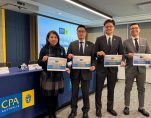
HONG KONG SAR – Media OutReach Newswire – 2 February 2026 – CPA Australia has today submitted a set of forward-looking recommendations for consideration in the Hong Kong SAR Government’s 2026-27 Budget. With an estimated HK$0.9 billion fiscal deficit for 2025–26 and solid fiscal reserves of HK$653 billion, CPA Australia propose a series of policy measures under the theme of “Power Hong Kong’s Growth” focusing on four pillars:

  • Connecting China and global markets to power growth
  • Strengthening Hong Kong as a global trade and wealth hub
  • Diversifying the economy and boosting workforce competitiveness
  • Raising living standards for a healthier and liveable city

(from left to right) Ms Karina Wong, Divisional Councillor and Deputy Chair of Taxation Committee of CPA Australia Greater China; Mr Janssen Chan, Co-Chair of Taxation Committee; Mr Anthony Lau, Co-Chair of Taxation Committee of CPA Australia Greater China; Mr Adam Chiu, Member of Taxation Committee of CPA Australia Greater China

Connecting China with global markets and powering Hong Kong’s future economic engine

CPA Australia emphasises that Hong Kong must reinforce its position as the premier gateway connecting China with global markets. As China’s 15th Five Year Plan places greater focus on high-quality opening up, Hong Kong is uniquely positioned to help Chinese enterprises expand overseas while attracting foreign direct investment into the Mainland through Hong Kong. Strengthening this gateway function will be critical to driving the city’s next phase of economic growth.

Mr Anthony Lau, Co-Chair of CPA Australia’s Greater China Taxation Committee stated,

“Developing a unified and coherent tax incentive framework for Corporate Treasury Centres (CTC) and regional headquarters (RHQ) would further strengthen Hong Kong’s appeal as a base for multinational operations. In addition, the effectiveness of re-domiciliation has attracted many overseas companies to move their legal domicile to Hong Kong. As there is no clear guidance on whether re-domiciliation will trigger Mainland tax liabilities and tax reporting obligations, we recommend the Hong Kong Government engages with the Mainland tax authorities to clarify that no actual transfer of assets occurs during the process, and therefore no Mainland tax should arise.”

“We also recommend advancing market connectivity measures such as allowing a tax deduction specifically for IPO-related expenses for companies that list on the Main Board of the HKEX, and continuing to enhance existing cross boundary financial mechanisms such as introducing an IPO Connect scheme.”

A streamlined approach would reduce complexity, improve tax certainty and encourage overseas and Mainland enterprises to centralise management, financing and strategic functions in Hong Kong.

CPA Australia also highlights the importance of positioning the Northern Metropolis as a flagship cross‑border innovation zone that will drive Hong Kong’s future growth. Mr Lau said, “To support the infrastructure development, we suggest the Government adopts forward‑looking financing tools that ease pressure on public finances. These may include issuing bonds targeted at with an estimate amount for example USD2 billion at different maturity to international investors, and providing a tax exemption for bond holders on interest income and trading profits derived from bonds issued for Northern Metropolis infrastructure projects, whether issued by the government or the private sector.

“To attract leading innovation and technology enterprises to the zone, we further recommend broadening the scope of qualifying R&D expenditures to include activities outsourced to related parties based and operating in other cities within Greater Bay Area. This reflects the increasingly integrated nature of cross boundary innovation and supply chains.”

Strengthening Hong Kong as a global trade centre and a hub for wealth retention

Hong Kong’s long‑standing role as a free, open and trusted trading and financial gateway remains central to its international relevance.

Ms Karina Wong, Deputy Chair of the Greater China Taxation Committee said, “Hong Kong should build on its unique status as a global trading centre by strengthening the free trade port regime and expanding support for high-value commodity trading, which would help diversify the city’s economic base and enhance market depth. Qualifying commodity items such as silver and rare-earth materials remain outside the current scope, the qualifying list needs to be reviewed regularly, with sufficient legislative flexibility, to ensure timely updates in response to market developments. The Government could also consider whether the scope should extend beyond physical trades and incidental income to cover derivative driven transactions, which form a significant part of global commodities activity.”

A stronger family office ecosystem is central to reinforcing Hong Kong’s role as Asia’s preferred hub for wealth management and succession planning. “We recommend introducing a preferential 8.25 per cent profits tax rate for Single Family Office, Multi Family Offices (MFOs) and fund managers to enhance Hong Kong’s competitiveness relative to other regional wealth management centres.

“Aligning the permissible investment asset classes under the family office tax concession regime with those under the Capital Investment Entrant Scheme (CIES) would also streamline operations, provide greater investment flexibility and further strengthen Hong Kong’s appeal among global wealth owners managing long term capital,” added Ms Wong.

Modernising Hong Kong’s philanthropy framework would encourage a more caring and compassionate community and strengthen the city’s appeal to long-term capital. “The generous donations supporting residents and the reconstruction of Wang Fuk Court show that Hong Kong is a caring city. To encourage greater philanthropic participation, we suggestremoving the current 35 per cent cap on cash donation deductions and allowing a full 100 per cent deduction, while introducing a 300 per cent enhanced deduction for contributions to designated funds, such as the Community Care Fund and Disaster Relief Fund. This would direct more resources toward areas of social need.

“These reforms will strengthen Hong Kong’s ecosystem for trade, wealth management and philanthropy, helping the city attract and retain long term capital and strengthen Hong Kong’s competitive edge,” Ms Wong said.

Diversifying the economy and enhancing workforce competitiveness

As advanced economies accelerate digital transformation and adopt emerging technologies, Hong Kong’s long-term competitiveness will depend on the city’s ability to scale innovation, raise productivity and strengthen the capacity of its workforce and enterprises.

“We propose to relaunch a revamped Technology Voucher Programme to help businesses, in particular SMEs, accelerate digitalisation and adopt artificial intelligence (AI) solutions that enhance efficiency and competitiveness.

“Strengthening R&D related tax incentives is equally important in driving innovation, therefore we propose increasing the cap for the highest rate of the R&D super tax deduction by raising the threshold for the 300 per cent deduction on qualifying R&D expenditure from HK$2 million to HK$4 million.” said Mr Janssen Chan, Co‑Chairperson of CPA Australia’s Greater China Taxation Committee.

SMEs remain the backbone of Hong Kong’s economy, yet many continue to face cost pressures and increasing competition.

“We recommend raising the cap under the two-tier profits tax regime for concessional 8.25 per cent half-rate from HK$2 million to HK$4 million of assessable profits. Extending the SME Financing Guarantee Scheme beyond March 2026 is another move that would ease operating pressures for smaller businesses and encourage reinvestment,” added Mr Chan.

By raising the two-tier profits tax cap, extending financing support and retooling tech programmes for AI adoption, the Government can give SMEs the room to grow and strengthen their long-term resilience.

Raising living standards and building a healthier and more liveable city

Mr Adam Chiu, member of the Greater China Taxation Committee, said the Budget should introduce targeted tax and subsidy measures that deliver practical support to households while encouraging healthier and more productive lifestyles.

“To provide direct relief to taxpayers, we recommend maintaining the 100 per cent salaries tax rebate on the 2025/26 final salaries tax, capped at HK$6,000. This would help offset rising living costs and support disposable income, particularly for middle‑income earners. We also propose introducing a tax deduction of up to HK$60,000 for working families who employ domestic helpers specifically to care for children, elderly family members or persons with special care needs. This would help ease caregiving pressures, support labour‑force participation.” Mr Chiu said.

He added that lifelong learning and skills upgrading are increasingly important in a rapidly evolving economy. “To enable individuals to undertake more advanced or specialised training, including in emerging areas such as AI, we recommend increasing the subsidy ceiling under the Continuing Education Fund to HK$30,000 per eligible applicant, and increasing the cap on the self-education tax deduction to HK$150,000 per year. To promote physical wellbeing, we also propose a tax deduction of up to HK$2,000 for sports‑related expenses.”

“By supporting working families, encouraging lifelong learning and promoting healthier lifestyles, these measures can collectively enhance quality of life and help build a more resilient and inclusive Hong Kong,” Mr Chiu said.

CPA Australia believes these recommendations will strengthen Hong Kong’s ability to engage more effectively with global markets, enhance its competitiveness as an international financial and business hub, and improve quality of life for residents. Taken together, these measures will help ensure Hong Kong is well positioned for a more sustainable, innovation driven and inclusive future.

Hashtag: #CPAAustralia

The issuer is solely responsible for the content of this announcement.

About CPA Australia

CPA Australia is one of the largest professional accounting bodies in the world, with more than 176,000 members in over 100 countries and regions, including more than 22,500 members in Greater China. Our core services include education, training, technical support and advocacy. CPA Australia provides thought leadership on issues affecting the accounting profession and the public interest. We engage with governments, regulators and industries to advocate policies that stimulate sustainable economic growth and have positive business and public outcomes. Find out more at

OpenAI has introduced an internal data agent known as Kepler, designed to let employees interrogate one of the largest private data estates in the technology sector through natural-language queries. The system, powered by a GPT-5.2 class model, is built to handle more than 600 petabytes of internal information, a scale that reflects both the company’s rapid growth and the expanding complexity of training, safety, product telemetry and […]

OPEC+ is expected to keep its pause on planned oil output increases for March when key ministers meet on Sunday, according to people familiar with the discussions, as crude prices move above the $70-a-barrel mark amid heightened geopolitical risk in the Middle East. Brent crude has climbed to nearly $72 a barrel, the highest level since August, reversing earlier expectations that ample supply would weigh on prices […]

Civil aviation stands at the centre of economic expansion, tourism development and global connectivity as governments and industry leaders recalibrate policies to meet rising passenger demand and shifting trade patterns, Abdulla bin Touq Al Marri said while addressing a high-level ministerial gathering in Hyderabad. Speaking at the “Wings of India 2026” conference, the Minister of Economy and Tourism and Chairman of the Board of Directors of the […]

Donald Trump has chosen former Federal Reserve governor Kevin Warsh to succeed Jerome Powell as chair of the US central bank when Powell’s term concludes in May, signalling a sharp shift in tone at the Fed and reviving a long-running debate over the institution’s independence and policy direction. The selection places a frequent critic of the Fed’s crisis-era interventions at the helm of the world’s most influential […]

A warning from a long-standing crypto fund manager has reignited debate over Bitcoin’s long-term viability, with claims that the world’s largest cryptocurrency could face a structural security breakdown within the next seven to eleven years unless its economic model changes. Justin Bons, founder and chief investment officer of Cyber Capital, has argued that Bitcoin’s reliance on declining block subsidies will eventually undermine the incentives that secure its […]

President Donald Trump is close to nominating Kevin Warsh as the next Federal Reserve chair, and markets have already delivered a verdict. Stocks and bonds dipped while the dollar strengthened as investors priced in a chair perceived as less inclined toward deep interest-rate cuts. This reaction matters. A Fed chair perceived as less willing to ease policy, tightens financial conditions before a single decision is made. As […]

Central Bank of the UAE has rolled out the region’s first biometric payment system based on facial and palm recognition, marking a significant shift in how retail transactions may be authenticated across the country. The initiative aligns with the UAE Digital Economy Strategy and the central bank’s wider effort to create a secure, inclusive and innovation-led payments ecosystem, while reducing reliance on cards, cash and mobile devices. […]

Arabian Post Staff -Dubai Etihad Rail has taken a significant step towards reshaping freight transport in the Gulf after completing a magnetic levitation freight trial with Italy-based technology firm IronLev, marking the first time such a system has been tested in the Middle East. The trial, conducted at the Al Faya Depot, demonstrated the ability of a maglev platform to move heavy cargo efficiently, signalling a potential […]

HONG KONG SAR – Media OutReach Newswire – 29 January 2026 – The Hong Kong Polytechnic University (PolyU) yesterday unveiled the PolyU Research Excellence Report at a high-profile forum co-hosted with Clarivate, a leading global provider of transformative intelligence. The landmark report provides a comprehensive evaluation of PolyU research achievements and impact, reaffirming the University’s position as a global innovation powerhouse. The event, “Research Excellence Report Launch cum Impact Forum: Innovating for Global Impact”, drew around 100 distinguished attendees, including academic leaders from other tertiary institutions in Hong Kong and the Chinese Mainland, industry partners and policymakers. According to Clarivate, PolyU achieved a remarkable 65% surge in high-impact research output and a 55% rise in highly cited papers from 2020 to 2024, and led all University Grants Committee (UGC)-funded institutions in research publications in 2024, underscoring its position at the forefront of Hong Kong’s academic excellence.

The event was officiated by Prof. Timothy TONG, Chairman of the Research Grants Council (RGC); Mr Osher GILINSKY, Vice President for Asia Pacific, Academia and Government, Clarivate; and Prof. Christopher CHAO, Senior Vice President (Research and Innovation) of PolyU, who delivered opening remarks.

Celebrating PolyU’s exceptional research achievements and their far-reaching impacts on society, the Nation and the world, Prof. Tong stated, “The PolyU Research Excellence Report vividly demonstrates its commitment to sustainable development, reflecting the dedication and innovation of its faculty, researchers and students.” Prof. Tong commended PolyU for its effective use of research resources, noting the significant advancements in AI-driven medical breakthroughs, climate solutions and sustainability. He further emphasised the RGC’s ongoing commitment to supporting research that addresses major societal challenges, exemplified by initiatives such as the Research Impact Fund. Additionally, he reaffirmed the RGC’s partnership with universities in strengthening Hong Kong’s status as a global knowledge hub.

Recognising PolyU’s outstanding global research performance, Mr Gilinsky elaborated, “In recent years, PolyU has demonstrated high research productivity in high quality, driving for high impact for the society. PolyU was granted 1,020 patents between 2020 and 2024, the second highest among UGC-funded universities. To enhance research translation, PolyU has formed partnerships with companies including NVIDIA, Huawei and Alibaba. These achievements illustrate PolyU’s international connectivity, diverse disciplinary strengths and strong culture of research translation. Leveraging its strength with the Chinese Mainland resources, PolyU is also accelerating knowledge transfer and identifying emerging areas for discovery, particularly in AI-powered healthcare, sustainable engineering, advanced manufacturing and smart city development—fields where it aims for global leadership.”

Prof. Chao emphasised, “The report is a testament to years of dedicated effort, groundbreaking innovation and the unwavering commitment of the PolyU academic community. In 2025, we are proud to have 21 PolyU scholars named Highly Cited Researchers by Clarivate, while 428 rank among Stanford University’s World’s Top 2% Most-cited Scientists—placing PolyU second among Hong Kong tertiary institutions. Our Strategic Plan 2025/26 – 2030/31, themed ‘Unite to Meet Challenges, Innovate to Benefit Society,’ will further empower PolyU to deliver even more transformative contributions to society.”

Clarivate has been forging continuous collaborations with numerous institutions, including co-authoring the report series The impact of research undertaken by universities in Hong Kong with UGC in 2022. Produced by Clarivate using authoritative data from the Web of Science, the PolyU Research Excellence Report delivers a comprehensive assessment of the University’s overall research performance and achievements, highlighting PolyU’s global leadership in engineering, advancements in powering medical research with emerging AI technologies, and unique contributions to the hospitality, fashion and textile, design and art disciplines that distinguish the University on the global stage.

PolyU’s strengths are exemplified by its leadership in Hong Kong’s research output growth, achieving the highest number of publications among UGC‑funded universities in 2024. Nearly 40% of its outputs are internationally co-authored, while 27% involve QS Top 50 university partners. The quality and impact of the University’s research output are further evidenced by its strong disciplinary performance. In the QS World University Rankings by Subject 2025, seven PolyU disciplines rank in the global Top 30, while, overall, 26 disciplines are listed among the world’s Top 100, underscoring the breadth and depth of the University’s academic excellence across multiple fields.

Following the report launch, the Impact Forum featured a high-level panel discussion on “Innovations and Challenges in Research Evaluation”. The discussion facilitated insightful exchanges between the panel and attendees on evolving approaches to research assessment, the importance of measuring societal impact and strategies for fostering cross-institutional collaboration.

The PolyU Research Excellence Report is now available on the PolyU website: https://www.polyu.edu.hk/ipao/institutional-performance/research-excellence-report/

Highlights from the report:

  • Engineering Leadership: Ranked 6th globally in Engineering and 2nd in Civil Engineering (Subject Rankings of U.S. News & World Report Best Global Universities Rankings 2025-2026), with research supporting Hong Kong’s Cross Bay Link project and national space missions. PolyU engineering publications grew by 68% between 2020-2024, with 38% of Hong Kong’s engineering publications affiliated with the University in 2024.
  • AI-driven Medical Innovations: 261 patents in Computing and Control solutions, including LungRT Pro (a radiotherapy support system), Scolioscan® (radiation-free scoliosis diagnosis) and STARS (a smartphone-based vision screening tool for children). These life‑changing innovations demonstrate PolyU’s strong interdisciplinary integration across computer science, optometry, biomedical engineering, rehabilitation sciences and nursing.
  • Unique Disciplines: Global top rankings in Hospitality and Tourism Management, and Textile Science and Engineering (1st and 5th respectively in ShanghaiRanking’s Global Ranking of Academic Subjects 2025), as well as Art and Design (22nd in QS World University Rankings by Subject 2025). Groundbreaking work includes smart wearables for stroke patients, AI-powered tourism demand forecasting platforms and sustainable community design projects.
  • Collaborative Impact: Over 600 international collaboration agreements with 390+ institutions across 45 countries and regions, and 3,100+ collaborative projects in the Chinese Mainland. Between 2020 and 2024, nearly 40% of its high-quality research publications were co-authored with international institutions. PolyU Unicorn startups have created over 5,000 international job opportunities and generated significant economic value.

Hashtag: #PolyU #Clarivate #ResearchOutput #AIMedical #Engineering #HongKong

The issuer is solely responsible for the content of this announcement.

Arabian Post Staff -Dubai   Dubai-based Danube Properties has appointed former Australia fast bowler Brett Lee as its Global Ambassador, a move aimed at strengthening the developer’s international presence and sharpening its brand messaging across key overseas markets. The announcement, made by founder and chairman Rizwan Sajan, positions the retired cricketer as the face of Danube Properties’ outreach to global audiences, leveraging Lee’s worldwide recognition and credibility […]

VISHNU RAJA
RYO YAMADA
HITORI GOTOH
IKUYO KITA