News related to
Emerging

The United Arab Emirates is on course to generate more than one million additional jobs by 2030, placing it among the world’s fastest-expanding labour markets as economic diversification, technology adoption and population growth intensify demand for skilled workers, according to a workforce outlook released by ServiceNow.

The projection underscores the scale of change under way in the UAE’s employment landscape, where public and private sector investment is being channelled into advanced industries, digital services, clean energy, logistics and financial technology. Policymakers have positioned job creation as a central pillar of national economic strategy, linking employment growth to productivity gains, innovation and long-term competitiveness.

ServiceNow’s analysis indicates that the strongest employment momentum is emerging in technology-led roles, particularly in cloud computing, artificial intelligence operations, cybersecurity, data analytics and enterprise software services. Demand is also rising for professionals who can combine technical skills with business process expertise, reflecting the increasing automation of workflows across government entities, banks, energy companies and logistics firms.

This expansion is unfolding alongside steady population growth driven by immigration, as professionals from Asia, Europe and Africa relocate to the UAE for work opportunities. Labour market specialists say the inflow of skilled workers has become an economic asset, helping employers fill gaps in high-value roles while supporting consumption and domestic demand.

Beyond technology, job creation is expected to be broad-based. Construction and real estate continue to absorb labour as infrastructure spending remains strong, while tourism, hospitality and aviation are benefitting from sustained visitor growth and expanding airline capacity. Healthcare and education are also projected to add sizeable numbers of jobs as authorities invest in social infrastructure to support a larger and more diverse population.

The digital transformation of government services has emerged as a significant employment driver. Federal and emirate-level entities are accelerating the shift towards paperless operations, data-driven decision-making and AI-enabled public services. This has increased demand for systems architects, digital policy specialists and programme managers who can oversee complex technology deployments while ensuring regulatory compliance and data security.

Employers are also rethinking workforce structures as automation changes how tasks are performed. Routine administrative roles are increasingly being replaced or augmented by software platforms, while new positions are emerging in system oversight, process design and user experience management. Analysts say this transition is not eliminating jobs at scale but reshaping them, with a premium placed on adaptability and continuous learning.

Education and training institutions are responding by expanding programmes focused on digital skills, coding, data science and cyber resilience. Partnerships between universities, vocational institutes and multinational firms are becoming more common, aimed at aligning curricula with labour market needs. Corporate upskilling initiatives are also gaining traction as employers seek to retrain existing staff rather than rely solely on external hiring.

Wage dynamics are expected to reflect these shifts. Salaries in high-demand technology and specialist roles have been rising faster than the broader market, while competition for experienced professionals has intensified. Human resources consultants note that non-salary benefits, including flexible working arrangements, career progression pathways and residency incentives, are increasingly important in attracting and retaining talent.

The ServiceNow report places the UAE’s projected job growth ahead of many mature economies, where ageing populations and slower productivity gains are constraining employment expansion. By contrast, the UAE’s relatively young workforce, openness to foreign talent and willingness to adopt new technologies are seen as structural advantages.

Challenges remain, particularly around ensuring that job creation keeps pace with population growth and that skills mismatches do not widen. Economists warn that without sustained investment in education and training, shortages could emerge in critical areas, potentially pushing up labour costs and slowing project delivery. There is also a need to integrate more nationals into private-sector roles, a long-standing policy objective supported by wage subsidies, training schemes and regulatory measures.


A wave of AI-generated videos circulating on social platforms has drawn regulatory and public attention after Meta removed a cluster of manipulated clips tied to public discourse in India, underscoring the accelerating threat posed by deepfakes and the strain on existing cybersecurity defences. The action has reignited debate over platform accountability, election integrity, and the pace at which safeguards are keeping up with generative tools.

Meta said the videos breached its policies on manipulated media and deceptive practices, adding that enforcement teams had detected coordinated behaviour designed to amplify misleading narratives. The company did not detail the creators or precise reach, but independent analysts tracking social traffic reported that some clips had amassed hundreds of thousands of views before moderation. The removals came amid heightened scrutiny of AI-driven misinformation as synthetic video and audio tools become cheaper, faster and harder to spot.

Security specialists warn that the technical leap in realism has lowered the barrier for malicious actors. Diffusion models and voice-cloning systems can now produce convincing footage with minimal training data, enabling impersonation, fabricated statements and false evidence. The risk profile extends beyond politics to financial fraud, reputational attacks and social engineering. Banks and insurers have flagged a rise in scams that combine deepfake video calls with stolen personal data to bypass verification checks.

India’s digital ecosystem amplifies the challenge. With one of the world’s largest online populations and intense engagement on short-video platforms, manipulated content can travel rapidly across languages and regions. Fact-checking groups say the velocity of sharing often outpaces verification, while takedowns, even when swift, can struggle to contain copies and re-uploads. Researchers at leading institutes have documented how watermark removal, compression artefacts and cross-platform reposting degrade detection signals.

Government authorities have been pressing technology companies to strengthen guardrails. Draft rules under the Information Technology framework emphasise due diligence for intermediaries, traceability of originators in defined cases, and clearer disclosures for synthetic media. Officials have also signalled expectations for labelling AI-generated content and responding promptly to lawful takedown requests, while balancing free expression and privacy. Industry groups argue that clarity on standards and timelines is essential to avoid uneven enforcement.

Meta has highlighted investments in detection and transparency, including classifiers trained to identify AI artefacts, partnerships with academic labs, and labels applied when confidence thresholds are met. The company also points to cross-platform threat sharing through industry forums to flag emerging manipulation techniques. Critics counter that adversarial innovation is moving faster than defensive models and that labels can be stripped or ignored, especially when content is shared outside original platforms.

Election experts say the stakes are rising as campaigns increasingly rely on video to reach voters. Even short-lived false clips can shape perceptions, sow doubt or distract from substantive debate. Studies of prior electoral cycles show that corrections often fail to reach the same audiences as the initial misinformation, leaving residual effects. Civil society organisations have urged a layered response that combines platform enforcement, rapid response hotlines, and public education on media literacy.

Cybersecurity firms are adapting with multi-signal approaches that fuse video forensics, network analysis and behavioural cues. Techniques include analysing eye-blink patterns, head-pose consistency, acoustic fingerprints and temporal anomalies, alongside monitoring coordinated posting patterns. Yet experts caution that no single method is foolproof. As generative systems learn to mimic these signals, defenders must iterate continuously, increasing costs for both sides.

The economic dimension is also coming into focus. Advertising clients are wary of brand adjacency to manipulated content, prompting demands for stronger brand-safety assurances. Meanwhile, startups offering verification, provenance tracking and content authentication are attracting investment. Standards bodies are promoting cryptographic provenance frameworks that embed origin metadata at creation, though adoption remains uneven across devices and platforms.

A sweeping federal decree-law has set out a unified legal framework aimed at protecting minors from online harm across the UAE’s fast-expanding digital ecosystem, placing clear duties on internet service providers and digital platforms that operate within the country or target users based there. The legislation signals a tougher regulatory posture as children’s screen time rises and online services become more embedded in everyday life. The decree-law […]

Arabian Post Staff -Dubai Gold, silver and platinum prices pushed to record levels at the close of the year, extending a powerful rally driven by geopolitical strains, a softer US dollar and thin trading conditions that magnified price swings across commodities markets. Spot gold climbed as much as 1.6% on Friday to trade above $4,540 an ounce, a level unseen before, while spot silver for immediate delivery […]

After decades of quiet, Can Gio is awakening on Vietnam’s southern coast, as fresh investment and grand designs breathe new life into the once-remote district of Saigon.

HO CHI MINH CITY, VIETNAM – Media OutReach Newswire – 27 December 2024 – Six months after the groundbreaking of a 2,870-hectare coastal urban project backed by Vingroup, Vietnam’s largest private conglomerate, Can Gio, once seen as a forgotten corner of Ho Chi Minh City, is now emerging as a new growth engine for Vietnam’s southern metropolis.

Vinhomes Green Paradise: A Hidden Gem Poised to Shine in Vietnam’s Real Estate Market.

Breaking Isolation

For years, Can Gio was often left out of the city’s rapid development. Surrounded by dense forests and accessible mainly by ferry, it remained a world apart. Now, that is beginning to change.

Six months ago, the large-scale land reclamation project officially started construction. Locals call it a “game changer” that awakened a land long left behind. Along the coast that once lay quiet, a vast construction site has emerged, with heavy machinery working day and night. “I was very surprised by the speed,” said Prof. Pham Van Song, president of the Mien Dong University of Technology, noting that hundreds of hectares have already been filled and stabilized within months.

The project, developed by Vingroup through its real estate arm Vinhomes, represents one of the group’s most ambitious coastal developments, part of a long-term vision to extend Ho Chi Minh City’s urban footprint toward the sea. With billions of U.S. dollars in investment, it combines housing, tourism, and modern infrastructure within a single master plan that anchors Can Gio’s transformation.

Complementing this project, a series of major infrastructure works are also reshaping the district. By the end of 2025, the Phu My Hung–Can Gio high-speed railway, designed to reach 350 kilometers per hour, is expected to begin construction, linking the area to the city’s southern urban core. In 2026, the long-awaited Can Gio Bridge will break ground, cutting the journey to the city center to around 45 to 60 minutes.

At the same time, the Rung Sac interchange, with an investment of 3,000 billion VND (about 120 million U.S. dollars), will connect Can Gio directly with the Ben Luc–Long Thanh Expressway. Expected to be completed in 2028, it will link Can Gio with both the Southwest and Southeast regions, including Long Thanh International Airport.

In addition, a sea-crossing expressway between Can Gio and Vung Tau, 50 meters wide and proposed by Vingroup, would stretch across the sea for more than 10 kilometers. The plan envisions a wide eight-lane road that could reduce travel between Can Gio and Vung Tau to under 15 minutes, creating a strategic connection between the two coastal economies.

These efforts fit within a broader regional plan that combines road, rail, water, and sea transport. Another key project is the Can Gio International Transshipment Port, covering 571 hectares with an investment of 50,000 billion VND. The port is designed to become a new symbol of Vietnam’s maritime economy, with its first phase scheduled to begin operations in 2027 and full completion before 2045.

“A Single Project Ignites the South”

According to Prof. Pham Van Song, the rise of Can Gio is a natural development, especially with the involvement of Vingroup through its Vinhomes Green Paradise project. He believes that Can Gio is moving from an ecological area on the fringe of development to a new center of growth. “All modes of transportation will be available in Can Gio,” he said. “The district’s GRDP will grow rapidly in line with ongoing construction and investment. Both the number of residents and visitors will surge. Local people will be the first to directly benefit from these projects, and their lives will become increasingly prosperous.”

The changes are already drawing attention from investors. Dinh Minh Tuan, southern regional director of Batdongsan.com.vn, said the number of searches related to Can Gio has tripled since the beginning of the year. After the Vinhomes Green Paradise project broke ground, property interest in the district doubled again. “Just one single project has heated up the entire southern market,” he said.

Experts say this follows a familiar pattern. In the 1990s, Nguyen Van Linh Boulevard helped turn southern Ho Chi Minh City into a thriving area and drew nearly two million residents. In the 2010s, the completion of the Thu Thiem Tunnel and Bridge attracted more than one million people to the city’s east. “Investors who followed the infrastructure development wave then saw huge gains,” Tuan noted. “Can Gio now stands at a similar starting point, but with a stronger push.”

With a population of about 80,000, Can Gio has long faced a single challenge: lack of connectivity. But, “with the series of large-scale investments now under way, Can Gio is expected to grow faster than many of the city’s earlier new urban areas,” said Tuan.
Hashtag: #Vinhomes

The issuer is solely responsible for the content of this announcement.

Dealmaking across the Middle East gathered pace through 2025, underscoring a shift from opportunistic transactions to targeted consolidation and long-term strategic bets. Mergers and acquisitions activity in the region posted a sharp rise in value, climbing 260 per cent to about $53 billion during the first nine months of the year compared with the same period in 2024, reflecting renewed confidence among corporate buyers and state-linked investors […]

CAN GIO, VIETNAM – Media OutReach Newswire – 25 December 2025 – In 2024, when Hines released its seminal report Why Asia Now, the message was simple yet profound: The world’s most compelling growth story was shifting eastward. At that time, global markets were turbulent but still predictable.

Vinhomes Green Paradise: A Hidden Gem Poised to Shine in Vietnam’s Real Estate Market.

A year later, the landscape has morphed into something far more complex, rippling with tariff shocks, persistent inflation, rising bond yields, and growth downgrades across traditional economic powerhouses. The world feels as if it is moving through a narrow channel, buffeted by waves from every direction. And yet, amid all the noise, Asia has not only held its ground but stepped forward with a clarity and confidence that few regions can match.

Why Asia Now: A New Era of Resilience, Growth, and Opportunity

The forces shaping Asia’s rise have been gathering momentum for decades. What we are witnessing now is their convergence. Asia is not simply adapting to global volatility, it is redefining the foundations of resilience and growth. Its economies are becoming wealthier, stronger, and more self-reliant, and its real estate markets are revealing layers of opportunity that long-term investors have waited years to see.

The near-term picture, though challenged, underscores this resilience. Tariffs have uneven effects, and countries with strong domestic engines such as Australia are absorbing shocks with surprising ease.

But it is the longer horizon that illuminates Asia’s true arc. The region’s working-age population and middle class have expanded at a breathtaking pace, setting the stage for decades of consumption-led dynamism. Education levels are rising, service sectors are flourishing, and manufacturing capabilities are climbing the value chain.

Meanwhile, intra-Asia trade has quietly become the backbone of global commerce, with Asia-to-Asia routes now forming the largest share of world trade. As the region turns inward, not in isolation, but in self-reinforcing collaboration, Asia ex-China is projected to contribute more to global growth than the United States and Europe combined.

Real estate, often seen as a mirror for economic sentiment, is telling a similar story. Transaction volumes across Asia have been less volatile than those in Western markets, and pricing has remained more stable, offering a predictable return profile. Supply constraints, elevated construction costs, and a decade-low pricing position relative to long-term trends are creating what can only be described as an extraordinary entry window.

Why Capital is Flowing into Vietnam

If Asia’s trajectory could be captured in a single idea, it would be the beginning of a Value Uprising, a structural rise in long-term asset worth, powered by demographics, policy, and economic integration, rather than speculation.

From this continental narrative emerges Vietnam, a nation whose ascent is increasingly impossible to ignore. Over the past decade, Vietnam has transformed from a rising star into a gravitational force for global investors. Supply chain diversification has accelerated its role as a manufacturing and logistics nexus. Even with global tariffs shifting, Vietnam’s logistics sector continues to expand in sophistication, efficiency, and international relevance. Its demographic profile, marked by a median age years younger than China, offers a demographic dividend that many Asian economies have already spent. And as Southeast Asia’s digital backbone grows, Vietnam is stepping into the spotlight as one of the region’s next major data-center markets, a signifier of future industrial depth.

Ho Chi Minh City, in particular, has entered a new chapter. Its standing among Asia-Pacific cities for investment and development has climbed steadily, reflecting not only macroeconomic resilience but the confidence of global capital. It has become a symbolic frontier, an emerging metropolis where the contours of modern Asia are being redrawn.

At the heart of Vietnam’s momentum lies another extraordinary phenomenon: The consistent and rising flow of remittances. Vietnam ranks among the world’s top recipients, and Ho Chi Minh City alone welcomed over USD 9.46 billion in 2023, USD 9.6 billion in 2024, and more than USD 5.3 billion in the second quarter of 2025.

A remarkable portion of these funds, around one-fifth, finds its way into real estate. But this is not passive investment. It is a gesture of return, of building a future homeland, of preparing for business, family, and retirement. It is long-term capital with long-term intent.

Vinhomes Green Paradise: A Hidden Gem Poised to Shine in Vietnam’s Real Estate Market

Regulatory reform is reinforcing this trust. The revised Land Law and Real Estate Business Law offer stronger protections and broader rights for Vietnamese citizens, including those living abroad. In a period where global currencies fluctuate and deposit rates decline, investors are increasingly confronting a hard truth: Holding cash is, in many cases, a slow erosion of value. As economist Can Van Luc notes, the VND has lost 3.4 percent of its value in two years, even as the USD depreciated. Real estate, therefore, is not merely an alternative, it has become one of the few asset classes capable of preserving and multiplying value in real terms.

Against this backdrop, regions entering new cycles of infrastructure development are drawing accelerated capital inflows. And among them, one name rises above all others: Can Gio.

For decades, Can Gio stood quietly at the edge of Ho Chi Minh City, an ecological jewel, admired but distant. Today, it has become the most powerful symbol of Vietnam’s coastal urban future. Massive infrastructure investment is reshaping its accessibility, and yet its real estate prices remain a fraction of central districts. Compared to Phu My Hung, Can Gio’s price base is nearly half; compared to Districts 1 and 3, just one-fifth. The gap is not a discount, it is untapped potential waiting to be realized.

The emergence of Vinhomes Green Paradise has pushed this transformation into global consciousness. As the first official participant in the New7Wonders “7 Wonders of Future Cities” campaign, the project is channeling the same catalytic energy once witnessed in iconic developments. Internationally, such recognitions do not merely elevate prestige, they accelerate valuation cycles, attract global capital, and redefine a city’s future skyline.

With its one-of-a-kind geographic formation and proximity to Can Gio’s million-year-old biosphere reserve, Vinhomes Green Paradise stands as a once-in-a-century asset. It embodies scarcity in its purest form, an asset class that cannot be replicated, reshaped, or reborn elsewhere.

And that is where the narrative converges. Asia’s rise, Vietnam’s momentum, Ho Chi Minh City’s evolution, and Can Gio’s emergence are not isolated stories. Together, they form a new investment epoch characterized by structural uplift, demographic acceleration, and a rapidly expanding middle class. It is the era of the Value Uprising, a phase in which the forces of economics, policy, population, and global capital align to propel real estate into a new price horizon.

In moments like this, markets rarely wait. History shows that investors who move early define the benchmark for everyone who follows. The question is no longer whether Asia will rise, or whether Vietnam will lead, or whether Can Gio will transform. The question, now, is whether investors will seize a moment that may not return for another generation.

Sources:

https://www.hines.com/asia-real-estate-opportunity-in-the-midst-of-uncertainty

https://knowledge.uli.org/-/media/files/emerging-trends/2026/emerging-trends-in-real-estate-2026-asia-pacific-report.pdf?rev=2036660434a44fa982b1ba913ffc2a2a&hash=87D5584C38EA219C1F1A50DC8E04FC7B

Hashtag: #Vinhomes

The issuer is solely responsible for the content of this announcement.

Advertisements

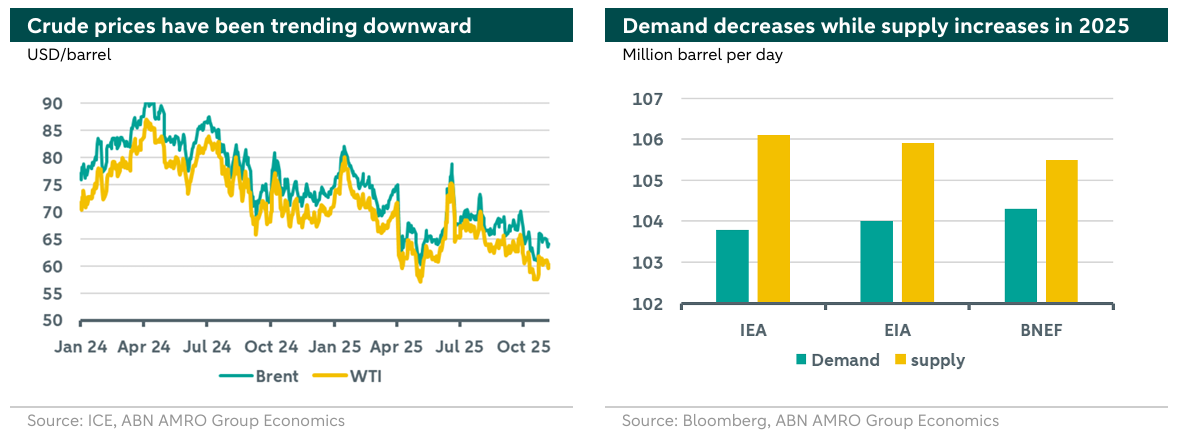
By K Raveendran As 2026 approaches, the global oil market is heading into a year that could decisively reshape price dynamics, fiscal planning in producing states, and energy security calculations for importing economies. The defining feature of the coming year is not demand destruction or geopolitical shock, but the growing weight of surplus supply. Market […]


The article 2026 Would Be A Year Of Lower Oil Prices And Crude Oversupply appeared first on Latest India news, analysis and reports on Newspack by India Press Agency).

  By Umesh Sangaralingam The influx of private capital into Middle East markets is securing the region’s place as an evolving global investment hub. With sovereign wealth funds, institutional investors, family offices, and fund managers all increasing allocations, capital commitments are increasing at scale—but it’s not an equal field of opportunity for private investment firms in the region. Capital isn’t the sole defining factor that’s separating private […]

Thailand is moving quickly to reshape the digital map of Southeast Asia, with a surge in data centre construction and artificial intelligence investment shifting the country from a long-standing data transit role to a regional convergence point. New facilities clustered around Bangkok, Chonburi and the Eastern Economic Corridor are altering traffic flows, shortening latency across borders and drawing cloud, AI and content providers seeking scale outside established hubs.

The expansion reflects a change in how data moves across the region. Historically, much east-west traffic between South Asia, Greater China and the Pacific routed through Singapore before fanning out. With hyperscale campuses multiplying in Thailand, workloads are increasingly being processed and stored closer to end users, easing congestion and improving resilience. Network operators say the shift is visible in peering arrangements and cross-border fibre utilisation, with Bangkok emerging as a preferred interconnection point.

Policy has been a key driver. Authorities have offered investment incentives, fast-tracked permits and clarified power and land-use rules to attract large campuses. Grid upgrades and new renewable capacity have been prioritised to address the energy intensity of AI-ready facilities. The strategy aligns with a broader push to anchor higher-value digital services domestically, from cloud platforms and analytics to language models and industry-specific AI tools.

Global technology firms are responding. Cloud providers including Google, Microsoft and Amazon Web Services have expanded or announced investments to serve regional customers from Thai infrastructure, while chipmakers and systems integrators are working with local partners to deploy accelerated computing suited to AI training and inference. Industry executives cite Thailand’s central geography, improving power availability and maturing regulatory environment as decisive factors.

Domestic players are also scaling up. Telecom operators and property developers have formed joint ventures to build carrier-neutral sites, while energy companies are pairing data centres with solar and gas assets to stabilise supply. Universities and research institutes are increasing AI programmes to address talent gaps, with a focus on data engineering, cybersecurity and model governance. The goal is to ensure that infrastructure growth translates into local capability rather than pass-through capacity.

Competition across the region remains intense. Singapore retains strengths in finance, regulation and dense interconnection, but land and power constraints have pushed expansion elsewhere. Malaysia and Indonesia are adding capacity to serve fast-growing domestic markets, while Vietnam is drawing manufacturing-linked digital workloads. Against that backdrop, Thailand is positioning itself as a neutral aggregation point serving multiple neighbours within ASEAN, balancing scale with proximity.

Connectivity improvements underpin the shift. New submarine cable routes landing on both coasts, alongside terrestrial links to neighbouring countries, are diversifying paths and reducing dependence on a single choke point. Operators say this redundancy matters as enterprises distribute AI workloads across regions for cost, performance and regulatory reasons. Financial services, e-commerce and media firms are increasingly adopting multi-cloud strategies that favour locations offering reliable interconnection.

AI demand is shaping design choices. Facilities are being built with higher power densities, advanced cooling and space for accelerated hardware to support model training, while edge nodes closer to population centres handle inference and latency-sensitive tasks. This layered approach is changing how content delivery, language services and real-time analytics are deployed across Southeast Asia.

By Ashis Biswas How serious is the slogan for wresting the seven sister states in India’s northeast region, raised by Islamic extremists in Bangladesh, for New Delhi? For a proper assessment of the political challenge this poses for India, a brief study of background information is necessary. Bangladesh sought to revive old links with Pakistan […]

The article Bangladesh’s Bluster On Northeast India: Empty Threats, Or More? appeared first on Latest India news, analysis and reports on Newspack by India Press Agency).

SINGAPORE – Media OutReach Newswire – 22 December 2025 – In today’s fast evolving job market, traditional qualifications alone are no longer sufficient to guarantee career longevity. Employers increasingly value agility, digital fluency, and continuous learning qualities that micro credentials deliver in concise, impactful ways.

Why Micro-Credentials Matter

Micro credentials are short, focused courses designed to equip professionals with in demand skills quickly. Unlike full degree programs, they enable learners to upskill or reskill without disrupting their careers. For industries shaped by rapid technological change such as digital marketing, artificial intelligence (AI), cybersecurity, and sustainability, these credentials are becoming essential for staying relevant.

According to the World Economic Forum’s Future of Jobs Report 2025, 39% of workers’ core skills will change by 2030, and 59% of the global workforce will need reskilling to meet evolving demands. This shift, driven by automation, AI, and sustainability imperatives, makes continuous learning a necessity rather than an option.

Micro credentials bridge this gap by offering industry aligned, stackable learning experiences that can be completed in weeks rather than years. Research indicates that employers are 72% more likely to hire candidates with micro credentials, as these certifications validate practical, job ready skills.

SIM’s Commitment to Career Readiness

SIM Global Education (SIM GE) is at the forefront of lifelong learning, responding to the urgent need for professionals to stay competitive in a rapidly changing economy. Through its Centre for Micro-Credentials (CMC), SIM offers a curated portfolio of short, stackable courses designed to deliver future-ready skills in high-demand areas such as digital marketing, AI, cybersecurity, and sustainability.

These programs are industry-aligned and developed in consultation with employers and global education partners to ensure relevance and practical application. Each course provides actionable knowledge that learners can immediately apply in their roles, making them ideal for busy professionals seeking quick, impactful upskilling.

A distinctive feature of SIM’s micro-credential ecosystem is the integration of digital badges. These secure, verifiable credentials contain metadata about the achievement, issuer, and criteria. Learners can showcase these badges on platforms like LinkedIn, signalling to recruiters and employers that they possess specialized expertise in emerging fields. This visibility supports skill-based hiring, a growing trend among organizations seeking demonstrable competencies rather than just academic qualifications.

SIM also emphasizes flexibility and accessibility. Courses are delivered in bite-sized formats, often online or blended, allowing learners to progress at their own pace without disrupting their careers.

The Bottom Line

Micro-credentials represent a strategic shift in preparing for the future of work. As industries evolve rapidly, the ability to adapt, upskill, and demonstrate verified competencies is essential. Degrees provide a foundation, but they often lack the agility to keep pace with emerging technologies.

SIM’s micro-credential programs offer flexibility, relevance, and recognition, enabling professionals to stay competitive in a skills-driven economy. Learners can customize pathways, focus on areas like AI, cybersecurity, or sustainability, and earn digital badges that employers value in skill-based hiring.

Micro-credentials help professionals future-proof their careers, ensuring resilience amid automation and digital transformation. For organizations, they build a workforce that is agile and ready for tomorrow’s challenges.

References:

  1. The Future of Jobs Report 2025 – https://www.weforum.org/publications/the-future-of-jobs-report-2025/in-full/3-skills-outlook/
  2. Micro credentials offer accessible education for evolving workforce – https://dcs.wisc.edu/blog/microcredentials-offer-accessible-education/
  3. World Economic Forum – https://www.linkedin.com/posts/world-economic-forum_skills-gap-reskilling-the-future-of-ugcPost-7283091514723819521-JmZr/
  4. Career Sense & MySIM – https://www.sim.edu.sg/alumni/careersense-mysim
  5. CMC – https://cmc.sim.edu.sg/s/alumni-landing
  6. Digital Badge – https://learn.credly.com/blog/digital-badges-explained-what-why-how-and-when

Hashtag: #SIMGlobalEducation #SIMGE #GlobalEducation #InternationalDegree #CareerReady #FutureSkills

The issuer is solely responsible for the content of this announcement.

About SIM Global Education

SIM Global Education (SIM GE) is a leading private education institution in Singapore and the region. We offer more than 140 academic programmes ranging from diplomas and graduate diploma programmes to bachelor’s and master’s degree programmes with some of the world’s most reputable universities from Australia, Canada, Europe, United Kingdom, and the United States. SIM GE’s cohort is made up of 16,000 full- and part-time students and adult learners, of which approximately 36% are international students hailing from over 50 countries.

SIM GE’s holistic learning approach and culturally diverse learning environment aim to equip students with knowledge, industry skills and employability competencies, as well as a global perspective to succeed as future leaders in a fast-changing, technologically driven world.

For more information on SIM Global Education, visit

  President His Highness Sheikh Mohamed bin Zayed Al Nahyan held talks with American entrepreneur Elon Musk, focusing on advances in artificial intelligence and emerging technologies and how cross-border collaboration can accelerate innovation with practical benefits for societies and economies. The meeting underscored Abu Dhabi’s ambition to position itself as a global hub for advanced technology while engaging with influential private-sector leaders shaping the future of AI, […]

United Arab Emirates policy makers are accelerating the shift towards a technology-driven economic model, placing innovation, advanced industries and the knowledge economy at the centre of long-term growth as the country seeks to reduce reliance on hydrocarbons and strengthen competitiveness across global markets. Federal strategies over the past decade have converged around building a diversified economy anchored in artificial intelligence, financial technology, clean energy and advanced manufacturing. […]

Matein Khalid The Indian equity markets have experienced one of Asia’s most frenetic IPO bonanzas in 2024-25 even if no less than 50% of all new flotations are now trading below their offer price. Despite the decline of the Indian rupee’s new low against the dollar beyond 91 and Dalal Street’s underperformance relative to my fave emerging markets Argentina, Poland and Brazil in 2025, the macro omens […]

SINGAPORE – Media OutReach Newswire – 21 December 2025 – Singapore’s job market is undergoing rapid transformation, driven by digitalisation, sustainability imperatives, and demographic shifts. The challenge for graduates and professionals lies in maintaining relevance within industries that are shaping tomorrow’s economy. The Singapore Institute of Management (SIM) plays a pivotal role in this development, equipping learners with critical skills and internationally recognised certifications sought by employers.

Growth Sectors Driving Singapore’s Economy

According to the Ministry of Manpower’s Labour Market Report (Q2 2025), resident employment continues to expand in Health & Social Services, while demand for roles in Information & Communications Technology (ICT) and sustainability-related fields remains robust despite global uncertainties. Job vacancies reached 76,900 in June 2025, surpassing the number of jobseekers, with a ratio of 1.35 vacancies per unemployed person—underscoring sustained demand for skilled talent.

Singapore’s Smart Nation and Green Plan strategies highlight key growth sectors including the digital economy (AI, data analytics, cybersecurity, cloud computing), finance and fintech (green finance, blockchain, digital banking), healthcare and life sciences (driven by aging demographics and biomedical innovation), and sustainability (ESG consulting and renewable energy)

SIM’s Industry-Aligned Programmes

SIM addresses the needs of Singapore’s fastest-growing sectors through two key business units: SIM Global Education (SIM GE) and SIM Academy (SIMA).

SIM GE collaborates with leading universities to deliver degree programmes in high-demand areas, such as:

  • Bachelor of Science (Honours) in Data Science and Business Analytics (University of London) – preparing graduates for careers in data analytics and machine learning
  • Bachelor in Computer Science (Big Data and Artificial Intelligence) (University of Wollongong) – developing expertise in cybersecurity and generative AI
  • Bachelor of Business, Majors in Economics, Finance etc (RMIT University) – enabling roles in finance

SIM Academy complements these academic pathways with professional development courses for upskilling and reskilling, including the Starting and Managing Corporate Sustainability, designed to empower professionals to lead ESG initiatives aligned with Singapore’s Green Plan 2030. These offerings combine academic rigor with practical certifications, internships, and industry-aligned projects, ensuring competitiveness in Singapore’s evolving job market.

Alumni Success Pathways

Graduates from SIM’s cybersecurity-related programmes come from a wide range of educational and professional backgrounds, reflecting the diversity of talent entering Singapore’s growing digital sector. Many begin their learning journeys with different motivations, whether to upskill for emerging roles, pivot from adjacent fields or pursue deeper specialisation in cybersecurity.

Some learners are inspired to pursue formal training after encountering real world risks, such as online fraud or data breaches. Others choose to build on existing technical foundations to take on more specialised responsibilities in national and enterprise cybersecurity functions. Through industry-aligned curricula, practical exposure and professional networks, SIM enables these learners to strengthen their competencies in areas such as threat intelligence, AI-enabled defence and cloud security.

These varied pathways highlight how SIM programmes support both early-career and mid-career professionals in progressing to roles within high-demand sectors, as well as further studies at reputable institutions. The outcomes reflect the value of accessible, skills focused education in developing the cybersecurity workforce needed to support Singapore’s transformation into a resilient and digitally driven economy.

Looking Ahead

Singapore’s economic future depends on a workforce that is agile, skilled, and prepared for change. SIM remains a catalyst in this transformation, offering programmes and professional courses aligned with national growth sectors and global trends. By combining academic excellence with practical industry exposure and showcasing alumni who have successfully transitioned into high-demand fields, SIM demonstrates how education drives employability and innovation.

References:

  1. Labour Market Report 2Q 2025 – https://www.mom.gov.sg/newsroom/press-releases/2025/0917-labour-market-report-2q-2025
  2. Smart Nation Vision – https://www.smartnation.gov.sg/about/our-vision/smart-nation-vision/
  3. A city of Green Possibility – https://www.greenplan.gov.sg/
  4. Green Fintech – https://www.mas.gov.sg/development/fintech/Green-FinTech?
  5. Bachelor of Science (Honours) in Data Science and Business Analytics – https://www.sim.edu.sg/degrees-diplomas/programmes/programme-listing/bachelor-of-science-honours-data-science-and-business-analytics
  6. Bachelor of Computer Science (Artificial Intelligence and Big Data) – https://www.sim.edu.sg/degrees-diplomas/programmes/programme-listing/bachelor-of-computer-science-artificial-intelligence-and-big-data
  7. Bachelor of Business – https://www.sim.edu.sg/degrees-diplomas/programmes/programme-listing/bachelor-of-business
  8. Starting and Managing Corporate Sustainability – https://www.sim.edu.sg/professional-development/courses/course-listing/starting-and-managing-corporate-sustainability

Hashtag: #SIMGlobalEducation #SIMGE #GlobalEducation #InternationalDegree #CareerReady #FutureSkills

The issuer is solely responsible for the content of this announcement.

About the Singapore Institute of Management

The Singapore Institute of Management (SIM) is an International Institute of Higher Learning (IIHL) that empowers, uplifts and strengthens employability, at all seasons of life and starting points. Seeded by the Singapore Economic Development Board in 1964, SIM nurtures leaders with industry focused skills, knowledge and values to create impact in Singapore and Asia through globally recognised education and learning pathways.

SIM harnesses new knowledge, skills, and technology to provide skills-based learning experiences that enable students, professionals, and enterprises to Learn for Life and Thrive for Life. Through SIM Global Education (SIM GE) and SIM Academy, SIM supports diverse learning needs—offering higher education pathways and tailored learning journeys for working professionals and enterprises to adapt and grow in an ever-changing world.

With a steadfast commitment to transforming lives, SIM continues to be a catalyst for change across communities, inspiring learners to contribute meaningfully to society, and fostering progress in society.

For more information on the Singapore Institute of Management, visit .

UAE businesses used the Ambiente exhibition in Germany to project the country’s ambition to become a central hub in the global consumer goods trade, as officials and exporters sought to convert visibility into long-term commercial partnerships across Europe, Asia and the Middle East.

The country’s pavilion at the Ambiente fair in Frankfurt brought together manufacturers, designers and trading firms spanning homeware, lifestyle products, gifting and sustainable consumer goods. Organisers said the collective presence was designed to showcase both scale and diversity, with an emphasis on export readiness and cross-border collaboration rather than one-off transactions. The participation formed part of a wider strategy to deepen the UAE’s role in global supply chains at a time when buyers are reassessing sourcing models and regional diversification.

Ambiente is regarded as one of the world’s largest platforms for consumer goods, drawing tens of thousands of buyers, retailers and distributors each year. For UAE exhibitors, the event offered access to European retail networks and international wholesalers seeking alternatives to traditional manufacturing centres. Trade officials accompanying the delegation said meetings during the fair focused on long-term contracts, private-label manufacturing and co-branding arrangements, reflecting a shift towards higher-value engagement.

UAE Ministry of Economy representatives described the fair as a strategic opportunity to align the country’s manufacturing and re-export capabilities with evolving global demand. Officials highlighted the UAE’s logistics infrastructure, trade finance ecosystem and network of comprehensive economic partnership agreements as key advantages in attracting buyers looking for reliability and speed to market. The country has expanded its non-oil exports steadily, with consumer goods playing a growing role alongside metals, plastics and food products.

Exhibitors at the pavilion reported interest from buyers in sustainable materials, contemporary design and flexible production runs. Several companies said European retailers were exploring joint development of products that could be produced in the UAE and distributed across the Gulf, Africa and South Asia. This approach reflects a broader trend among global brands to shorten supply chains while retaining access to multiple consumer markets from a single base.

Frankfurt has become an important meeting point for this recalibration, as trade fairs increasingly serve as venues for strategic sourcing discussions rather than simple product showcases. Industry analysts note that manufacturers from emerging hubs are gaining attention as buyers weigh cost pressures, geopolitical risk and sustainability commitments. The UAE’s pitch at Ambiente centred on stability, regulatory clarity and the ability to integrate manufacturing, warehousing and distribution within a single jurisdiction.

Design-led firms from the UAE also used the exhibition to challenge perceptions that the country’s consumer goods sector is limited to trading and re-export. Several brands showcased original collections developed in collaboration with regional designers, blending Middle Eastern aesthetics with international trends. This creative emphasis was aimed at differentiating UAE products in a crowded marketplace and appealing to premium and mid-market retailers.

Sustainability featured prominently in discussions at the pavilion. Companies highlighted the use of recycled materials, energy-efficient production processes and compliance with European environmental standards. Officials said this focus was essential for competitiveness, as regulatory and consumer scrutiny in Europe continues to intensify. The UAE has invested in sustainability frameworks and industrial policies intended to support greener manufacturing, which exhibitors said helped build confidence among buyers.

The fair also underscored the role of small and medium-sized enterprises in the UAE’s export strategy. Many participating firms were SMEs seeking first-time entry into European markets. Trade support bodies facilitated introductions and provided guidance on certification, packaging requirements and logistics, reflecting an effort to reduce barriers for smaller exporters. Business owners said the ability to present as part of a national pavilion enhanced credibility and opened doors that would be difficult to access independently.

Unitree Robotics’ G1 humanoid robots have stepped into the spotlight of China’s live entertainment scene, performing as synchronised backup dancers during a Wang Leehom concert that drew about 18,000 people, marking a striking crossover between advanced robotics and mainstream pop culture.

The performance unfolded as the pop star launched into a high-energy segment of his show, with several G1 units emerging alongside human dancers. The robots executed coordinated flips, spins and arm movements in time with the music, mirroring choreography designed for human performers. Large screens magnified the spectacle, prompting audible reactions from the crowd as the machines kept pace under concert lighting and sound conditions.

The appearance was not framed as a technical demonstration but as a fully integrated part of the show, underscoring how humanoid robots are moving beyond laboratories and industrial floors into public-facing roles. For Unitree, a Hangzhou-based robotics firm known for its quadruped robots and growing humanoid portfolio, the concert offered a high-visibility platform to display balance control, motion planning and real-time coordination in an unpredictable environment.

Wang Leehom, a globally recognised figure in Mandarin pop with a career spanning more than two decades, has long embraced technology-driven stagecraft. His decision to feature humanoid robots aligns with a broader trend in China’s entertainment industry, where concerts increasingly rely on immersive visuals, augmented reality and sophisticated stage automation to differentiate live experiences.

The G1 robots, which stand roughly human height and are designed for agility and interaction, performed without visible safety tethers, suggesting confidence in their stability systems. Industry observers noted that executing flips and rapid directional changes in close proximity to human dancers requires precise sensing and control to avoid collisions, highlighting advances in perception and actuation.

Beyond the spectacle, the performance has reignited debate over the role of automation in creative industries. Some performers and choreographers have voiced concern that robots could displace human dancers in certain settings, particularly for repetitive or physically demanding routines. Others argue that such technology will function as a complement rather than a replacement, opening new creative possibilities and reducing costs for large-scale productions.

Producers familiar with concert logistics point out that hiring and training large dance troupes can be expensive, especially for tours spanning multiple cities. Robots, once acquired, can be programmed for consistent performances and reused across shows, potentially lowering long-term costs. At the same time, upfront investment, maintenance, transport and technical support remain significant considerations.

China’s push into humanoid robotics provides important context for the performance. The sector has been identified as a strategic growth area, with companies racing to develop machines capable of operating in human environments. Demonstrations in factories, warehouses and research centres have been joined by public showcases designed to familiarise audiences with humanoid forms and capabilities.

Academic researchers note that public acceptance is a critical factor in the deployment of service robots, particularly those designed to interact closely with people. High-profile cultural events can soften perceptions and shift robots from abstract technological concepts to tangible participants in everyday life.

Social media reaction to the concert was swift, with clips of the robots’ dance routines circulating widely on Chinese platforms. Commentators praised the novelty and technical polish, while others questioned whether audiences were witnessing a glimpse of entertainment’s future or a carefully staged publicity exercise. The buzz itself has amplified Unitree’s brand visibility at a time when competition among domestic robotics firms is intensifying.

IBM has set out an ambitious plan to equip five million people across India with skills in artificial intelligence, cybersecurity and quantum computing by 2030, deepening its long-running SkillsBuild programme and expanding partnerships with governments, universities and employers to address widening technology talent gaps.

The initiative, led by IBM, centres on scaling IBM SkillsBuild, a free digital learning platform that blends online courses, project-based learning and industry-recognised credentials. The company said the expansion will prioritise job-ready capabilities aligned with fast-evolving enterprise demand, including generative AI applications, cloud security and the foundations of quantum information science.

IBM executives framed the move as a response to structural shifts in the labour market, where automation and AI adoption are reshaping roles faster than traditional education systems can adapt. India’s large and youthful workforce, combined with rapid digitalisation across banking, healthcare, manufacturing and public services, has made skills development a policy and business imperative. Government estimates show millions of new digital roles emerging this decade even as legacy jobs are redefined.

The company plans to deepen curriculum integration with higher education institutions, vocational colleges and secondary schools, embedding SkillsBuild content into coursework while expanding teacher training so faculty can deliver updated material. IBM also intends to widen collaborations with state governments and industry bodies to tailor programmes for local employment needs, particularly in tier-two and tier-three cities where access to advanced training has lagged.

SkillsBuild offers modular pathways that range from introductory digital literacy to advanced certifications, with content developed by IBM practitioners and academic partners. Learners can earn digital badges in areas such as data analysis, AI ethics, cybersecurity fundamentals and cloud computing, alongside exposure to quantum concepts through simulations and guided labs. IBM said it will add more experiential components, including hackathons, internships and employer-linked projects, to strengthen transitions from learning to work.

Cybersecurity has been highlighted as a priority track, reflecting persistent shortages of security professionals and rising risks to critical infrastructure and enterprises. Courses will cover threat analysis, incident response and secure system design, with an emphasis on practical skills that align with global frameworks. In AI, the focus extends beyond coding to include responsible deployment, model governance and sector-specific use cases, areas that employers increasingly cite as gaps among graduates.

Quantum computing, still an emerging field, forms the third pillar of the programme. IBM operates one of the world’s largest fleets of quantum systems accessible via the cloud, and the curriculum introduces learners to quantum mechanics, algorithms and programming tools. While near-term job creation in quantum remains limited, IBM argues that early exposure will build a pipeline of talent capable of supporting research, hardware development and future commercial applications.

The scale of the target reflects IBM’s broader workforce strategy, which has shifted towards skills-based hiring and continuous learning. The company has previously said that formal degrees are no longer the sole proxy for capability, particularly in fast-moving technology domains. By expanding free access to training and credentials, IBM aims to widen participation among women, underrepresented communities and learners from non-traditional backgrounds.

Industry analysts view the plan as part of a competitive race among global technology firms to cultivate ecosystems of skilled users and developers. Cloud providers, software companies and chipmakers have all launched large-scale training commitments, seeking both social impact and long-term commercial benefits as trained professionals tend to adopt familiar platforms. For India, such programmes complement national efforts to boost digital skills and attract high-value investment, though experts caution that quality, relevance and job linkage will determine outcomes.

Sharjah is finalising preparations to host the eighth Arab Women’s Sports Tournament, a multi-sport event scheduled to run from February 2 to 12, bringing together elite female athletes from across the Arab world in what organisers describe as a milestone for women’s competitive sport in the region.

Organised by the Sharjah Women Sports Foundation, the tournament is expected to draw teams from more than a dozen countries to compete across disciplines including basketball, volleyball, table tennis, fencing, athletics and archery. Officials say venues across the emirate have undergone technical upgrades and test events to meet international competition standards, while logistics plans covering accommodation, transport and medical services are being finalised.

The competition, formally known as the Arab Women’s Sports Tournament, has become a fixture on the regional calendar since its launch in 2012. It aims to expand opportunities for female athletes, raise performance benchmarks and create a platform where emerging talents can measure themselves against established competitors. Organisers say the February edition will place added emphasis on athlete welfare, officiating quality and broadcast production to extend the tournament’s reach.

Officials involved in planning say participation levels this year reflect growing institutional support for women’s sport across the Middle East and North Africa. National federations have confirmed full-strength squads in several team sports, while individual events are expected to feature athletes who have competed in continental and global championships. The organisers note that the depth of competition has increased steadily over successive editions, with closer scorelines and higher technical standards.

Sharjah hosts expanding Arab women sports event has become a recurring narrative for the emirate, which has invested heavily in grassroots and elite programmes over the past decade. Sports administrators say the tournament aligns with wider strategies to integrate physical education, competitive sport and leadership development for women and girls. Training clinics, refereeing workshops and youth engagement activities are planned alongside the competition calendar to maximise long-term impact.

The Sharjah Women Sports Foundation has stated that preparations also include collaboration with international federations to ensure rules compliance and consistency in judging. Advanced timing systems, video review where applicable, and certified officials will be deployed to maintain competitive integrity. Medical teams with experience in elite sport will be on site throughout the tournament, supported by emergency response units coordinated with local authorities.

Economic and social spillover effects are also part of the planning calculus. Hospitality operators anticipate increased occupancy during the tournament period, while local vendors and service providers are expected to benefit from ancillary demand. Cultural programmes linked to the event will showcase heritage sites and community initiatives, reinforcing Sharjah’s positioning as a host for sports and cultural exchange.

Athletes and coaches familiar with previous editions say the tournament offers a rare environment where women’s sport takes centre stage across multiple disciplines simultaneously. For younger competitors, exposure to international-level organisation and media attention is viewed as a stepping stone toward professional pathways. For established athletes, the event provides competitive continuity between continental championships.

TECOM Group has launched Phase 4 of its Innovation Hub at Dubai Internet City, marking a significant expansion aimed at meeting growing demand for Grade-A office space from multinational companies operating across technology, digital media, telecommunications and other future-focused sectors. Valued at Dhs615 million, the new phase will add 263,000 square feet of gross leasable area, reinforcing Dubai Internet City’s role as a regional centre for global […]

Abu Dhabi-based developer Modon Holding has awarded a Dh5 billion main construction contract for two large residential communities on Hudayriyat Island, underlining the pace of high-end housing development in the capital’s waterfront corridor. The award covers Nawayef East and Nawayef West and involves the delivery of 735 luxury villas, the company disclosed in a filing to the market. The projects sit within the Nawayef master plan on […]

SINGAPORE – Media OutReach Newswire – 20 December 2025 – Singapore Institute of Management (SIM) introduces CareerSense, an AI-powered career guidance application designed to transform how students plan, prepare, and pursue their careers. This initiative reinforces SIM’s commitment to preparing learners for the future of work in an era where technology is reshaping industries and job roles at unprecedented speed.

CareerSense Matters in Today’s Job Market

The global workforce is evolving rapidly. Automation, digitalisation, and emerging technologies are creating new opportunities while presenting new challenges. Navigating this landscape requires more than academic credentials; it demands self-awareness, adaptability, and strategic planning.

CareerSense addresses these needs by combining artificial intelligence with career development expertise, offering a personalised, data-driven approach to job readiness. It functions as a comprehensive career coach, accessible anytime and anywhere.

Key Features That Set CareerSense Apart

CareerSense offers a comprehensive suite of features designed to empower students throughout their career journey. Its AI-driven VIPS profiling evaluates Values, Interests, Personality, and Skills to deliver personalised career recommendations aligned with individual strengths and aspirations. The smart resume builder provides real-time scoring and improvement tips, while the job-matching algorithm connects students to roles that fit their unique profiles. Through integrated access, students can RSVP for events, schedule advisory sessions, and apply for internships and job listings seamlessly. Additionally, the Employability Index measures job readiness and works alongside skill gap analysis and tailored course recommendations to help students stay competitive in today’s dynamic job market.

The Bigger Picture: Empowering Future-Ready Graduates

The future of work is shaped by constant change, technological disruption, and global connectivity. Employers seek individuals who are adaptable, self-aware, and equipped with relevant skills. CareerSense empowers students to take ownership of their career journey, understand their strengths, identify gaps, and build competencies that matter in the real world.

This initiative reflects SIM’s commitment to lifelong learning and employability, ensuring graduates are not only job-ready but future-ready. In a competitive market, CareerSense positions SIM learners as confident, agile professionals prepared to lead in the digital economy.

References:

  1. Introducing CareerSense: Your All-in-One Personalised Career Buddy On-The-Go – https://www.sim.edu.sg/articles-inspirations/introducing-careersense-your-all-in-one-personalised-career-buddy-on-the-go
  2. Career Service – https://www.sim.edu.sg/degrees-diplomas/life-at-sim/career-services
  3. SIM Career Sense App (Google Play Store) – https://play.google.com/store/apps/details?id=sg.edu.sim.careersense&hl=en-US&pli=1
  4. SIM Career Sense App (Apple Store) – https://apps.apple.com/sg/app/sim-careersense/id1641839680
  5. Introducing CareerSense: Your Guide to Career Success After Graduation – https://regional.simge.edu.sg/en/introducing-careersense-your-guide-to-career-success-after-graduation/

Hashtag: #SIMGlobalEducation #SIMGE #GlobalEducation #InternationalDegree #CareerReady #FutureSkills

The issuer is solely responsible for the content of this announcement.

About SIM Global Education

SIM Global Education (SIM GE) is a leading private education institution in Singapore and the region. We offer more than 140 academic programmes ranging from diplomas and graduate diploma programmes to bachelor’s and master’s degree programmes with some of the world’s most reputable universities from Australia, Canada, Europe, United Kingdom, and the United States. SIM GE’s cohort is made up of 16,000 full- and part-time students and adult learners, of which approximately 36% are international students hailing from over 50 countries.

SIM GE’s holistic learning approach and culturally diverse learning environment aim to equip students with knowledge, industry skills and employability competencies, as well as a global perspective to succeed as future leaders in a fast-changing, technologically driven world.

For more information on SIM Global Education, visit

Hong Kong and Macau Organisations Honoured for Outstanding Achievements ESG-led Business for a Sustainable Future

HONG KONG SAR – Media OutReach Newswire – 19 December 2025 – With global acceleration towards sustainable development and rising expectations from investors and stakeholders for responsible business practices, Hong Kong and Macau enterprises in recent years have been actively integrating Environmental, Social and Governance (ESG) vision into their business strategies to drive green transformation and high-quality growth. Organised by Television Broadcasts Limited (TVB) and co-organised by the Hong Kong Productivity Council, the TVB ESG Awards 2025 (the Awards) aim to recognise and commend enterprises and organisations that have demonstrated outstanding performance in ESG and sustainable development. Now in its fourth edition, this annual flagship event recognise outstanding organisations and their achievements in ESG practices over the past year.

The ceremony was officiated by Mr. Michael WONG, GBS, JP, Deputy Financial Secretary (2nd left); Dr. LAM Ching-choi, GBS, JP, Non-official Member of the Executive Council & Chairman of the Council for Carbon Neutrality & Sustainable Development (1st right); Mr. SIU Sai Wo, General Manager (Business Operations), Television Broadcasts Limited (2nd right); and Dr. Lawrence CHEUNG Chi-chong, Chief Technology Officer, Hong Kong Productivity Council (1st left).

The ceremony was officiated by Mr. Michael WONG, GBS, JP, Deputy Financial Secretary; Dr. LAM Ching-choi, GBS, JP, Non-official Member of the Executive Council & Chairman of the Council for Carbon Neutrality & Sustainable Development; Mr. SIU Sai Wo, General Manager (Business Operations), Television Broadcasts Limited; and Dr. Lawrence CHEUNG Chi-chong, Chief Technology Officer, Hong Kong Productivity Council. Following the Green Summit held in July this year, the presentation ceremony also featured sharing sessions, inviting industry leaders and experts to exchange the latest trends and practical experience. In addition, the enhanced matching sessions enabled enterprises to connect with numerous attendees through exhibition booths to promote cross-sector collaboration and knowledge sharing.

Diverse Award Categories Recognise ESG Efforts of Hong Kong and Macau Industries

This year’s Awards include the “Outstanding ESG Award”, “Best in ESG Practices”, “Best in ESG Report”, “ESG Environmental Innovative Technology Award” and “ESG Social Innovative Technology Award”. Entries were open to five groups, namely large, medium, small market capitalisation/ GEM listed companies, as well as non-listed companies and non-profit organisations, to recognise the achievements of enterprises of different scales in ESG practices, reporting and innovation. To identify outstanding performers, a cross-sector professional judging panel appointed by TVB were responsible for assessing entries, using clear and diversified selection criteria that mainly cover five areas: environment, social, corporate governance, sustainability strategy, corporate information disclosure and communication.​​

Additionally, a new “Greater Bay Area ESG Excellence Enterprise Award (Macau SAR)” has been introduced this year to recognise Macau enterprises and organisations with outstanding ESG performance that actively promote sustainable development in the Macau community. Furthermore, to enhance and recognise the excellent performance of small and medium-sized enterprises (SMEs) in ESG practices and innovation, TVB has collaborated with the “ESG One” platform of the Hong Kong Productivity Council to launch the “SME ESG Excellence Award” this year. The award covers five areas: “Business Decarbonisation”, “Employee Care”, “Supply Chain Partnership”, “Sustainable Governance” and “ESG Technology Enhancement”, helping SMEs to progressively enhance their ESG performance. Organisations that did not receive the above ESG category awards but have actively performed and implemented ESG initiatives in various aspects will be eligible for nomination of “ESG Special Recognition Award – with Merit” or “ESG Special Recognition Award” in acknowledgement of their contributions.

Mr. Michael WONG, GBS, JP, Deputy Financial Secretary, said in his keynote speech, “Hong Kong possesses significant advantages in green economy transformation. As the city’s two major innovation and technology flagships, Hong Kong Science Park and Cyberport have now brought together over 270 green technology companies, representing growth of more than 80% compared to 2023, reflecting remarkably rapid development in recent years. Hong Kong can provide diversified investment and financing channels, enabling international capital to match with quality green projects. As of the end of September this year, there are over 200 SFC-authorised ESG funds with assets under management exceeding HKD1.1 trillion, demonstrating that investors are increasingly prioritising investment in sustainable development. The Government looks forward to continued collaboration with all of you to jointly build our sustainable future and make outstanding contributions to Hong Kong’s green economic development.”

Mr. SIU Sai Wo, General Manager (Business Operations), Television Broadcasts Limited, said, “The TVB ESG Awards 2025 received over 250 corporate entries this year, reflecting the growing importance of ESG for enterprises. We are grateful to all award-winning organisations and partners for their continued support of this flagship award. This year’s awardees excelled in ESG performance and set forward-looking models for the industry. TVB is actively supporting enterprises to devote resources to ESG development, incorporate sustainability into business decision-making and operations, and strengthen their sense of social responsibility. The Awards also provide a professional exchange platform for enterprises of different industries and scales to share their ESG strategies and tangible outcomes with a wider range of stakeholders.”

To help the public gain a more comprehensive understanding of the vision, mission and innovative strategies of various enterprises, the presentation ceremony featured sharing sessions. The judge Dr. Lawrence CHEUNG Chi-chong, Chief Technology Officer, Hong Kong Productivity Council, together with representatives from enterprises receiving the Outstanding ESG Award, exchanged practical insights. As the highest honour of this year’s Awards, the Outstanding ESG Award is conferred upon top-tier organisations in each category that have achieved the best performance in both “ESG Practices” and “ESG Report”. The award-winning enterprises shared their insights in the session titled “Partnering Across Sectors to Co-create a Low-carbon Future”:

  • Ms. Jessica CHAN, Head of Sustainability of MTR Corporation, shared how MTR leverages its diversified business portfolio to drive carbon reduction and social inclusion in daily operations, thus encouraging business partners to enhance their ESG performance.
  • Ms. Angel SZE, Company Secretary and Head of ESG Management Committee, Fosun International Limited, who shared how Fosun is driving innovation and global development to create value, while highlighting effective ESG practices for cross‑industry and cross‑regional enterprises.
  • Ms. Connie LAU, Assistant General Manager, Legal Department, China State Construction Development Holdings Limited, who used examples of innovative applications to demonstrate the company’s breakthroughs and decarbonisation goals.
  • Mr. Jonathan CHIU, President, Schneider Electric Hong Kong, who highlighted the company’s commitment as a global energy technology leader to driving efficiency and sustainability by electrifying, automating and digitalising industries, businesses and homes, contributing to Hong Kong’s low-carbon transition.
  • Mr. Peter LEE, Chief Sustainability Officer, Airport Authority Hong Kong, elaborated on how the authority collaborates with business partners and extends the sustainability concept to the society and education sector.
  • Mr. Oswald AU, Managing Director, Riskory Consultancy Limited, shared how SMEs can drive ESG through innovative solutions and practical actions, while leveraging mega event economy development to create greater impact.

The judge Dr. Lawrence CHEUNG Chi-chong, Chief Technology Officer, Hong Kong Productivity Council (1st left), together with representatives from enterprises receiving the Outstanding ESG Award, Ms. Jessica CHAN, Head of Sustainability of MTR Corporation (2nd left); Ms. Angel SZE, Company Secretary and Head of ESG Management Committee, Fosun International Limited (3rd left); Ms. Connie LAU, Assistant General Manager, Legal Department, China State Construction Development Holdings Limited (4th left); Mr. Jonathan CHIU, President, Schneider Electric Hong Kong (3rd right) ; Mr. Peter LEE, Chief Sustainability Officer, Airport Authority Hong Kong (2nd right); Mr. Oswald AU, Managing Director, Riskory Consultancy Limited (1st right), exchanged practical insights in the session titled “Partnering Across Sectors to Co-create a Low-carbon Future”.

Building on these insights, another sharing session titled “Building a Green and Sustainable Pathway: Advancing Liveable, Inclusive Smart Cities” invited Mr. Andy WONG, Senior Manager, Advocacy, Our Hong Kong Foundation, as moderator. He was joined by Ir. Franco CHEUNG, Director (Projects), Hong Kong Housing Society, Mr. Samuel KWONG, Senior Associate Director – ESG, Chinachem Group and Mr. Jeffery LOK, Managing Director, Kwan On Chemical Enterprise Co. Ltd., for in-depth discussions on topics such as decarbonisation planning, the application of green building technologies including Modular Integrated Construction (MiC), kitchen and grease trap waste oil recycling, exploring the roadmap for Hong Kong and Macau’s sustainable urban development and environmental benefits.

The sharing session titled “Building a Green and Sustainable Pathway: Advancing Liveable, Inclusive Smart Cities” invited Mr. Andy WONG, Senior Manager, Advocacy, Our Hong Kong Foundation (1st left), as moderator. He was joined by Ir. Franco CHEUNG, Director (Projects), Hong Kong Housing Society (2nd left); Mr. Samuel KWONG, Senior Associate Director – ESG, Chinachem Group (2nd right); Mr. Jeffery LOK, Managing Director, Kwan On Chemical Enterprise Co. Ltd. (1st right) for in-depth discussions.

Strong Corporate Involvement Fosters Cross-Sector Connections

This year’s ceremony attracted enthusiastic participation from numerous enterprises and organisations, including listed companies, non-listed companies and non-profit organisations, signalling the local market’s increasing commitment to ESG. Enhanced matching sessions with exhibition booths were arranged before and after the ceremony, allowing participants to engage in in-depth exchanges on green technology solutions, sustainable development and eco-friendly materials, and to explore collaboration opportunities.

For the full list of award winners, please visit: https://www.tvbesg.com.hk/past-awards/esg-awards-2025

High resolution photos HERE

Hashtag: #TVBESGAwards #TVB #ESG #Corporate

The issuer is solely responsible for the content of this announcement.

About TVB ESG

Since 2022, TVB ESG has been committed to building a professional exchange platform for local sustainable development, promoting a deeper understanding, implementation, and strategic development of Environmental, Social and Governance (ESG) issues among businesses and different sectors of society. TVB ESG works closely with various organisations to foster cross-sector collaboration, help enterprises expand their professional networks and strengthen industry connections, while enhancing their visibility in the market and industry through diverse channels, thereby amplifying their impact in the ESG field.

To enhance industry exchange and promote a culture of sustainability, TVB ESG organises three core events every year, the Green Forum, the Green Summit and the “TVB ESG Awards”. These events aim to focus on key environmental issues and emerging trends, bringing together industry leaders and experts to provide forward-looking insights for enterprises, promote knowledge sharing, and facilitate the exchange of best practices. Through the “TVB ESG Awards”, TVB ESG also recognises enterprises and organisations with outstanding achievements in sustainable development, encouraging the industry to continuously implement and elevate ESG standards.

VISHNU RAJA
RYO YAMADA
HITORI GOTOH
IKUYO KITA