Red Hat has acquired Chatterbox Labs, a specialist in artificial intelligence safety and security tooling, aiming to embed advanced risk-testing and guardrails into its enterprise AI platform to help organisations deploy trustworthy, production-grade AI at scale. The deal, announced this month by the hybrid cloud and open source software provider, expands Red Hat’s AI portfolio, which now includes bespoke safety capabilities designed to address vulnerabilities inherent in […]
Host Arabia has closed its first edition in Riyadh, positioning the Saudi capital as an emerging focal point for the hospitality and foodservice supply chain at a time when the kingdom is accelerating investment in tourism, leisure and urban development. The three-day event brought together hotel operators, restaurant groups, suppliers and policymakers, underlining the scale of demand being created by new resorts, giga-projects and a fast-expanding domestic dining market.
Held at the Riyadh Front Exhibition and Conference Centre, the inaugural edition drew exhibitors and visitors from across the Middle East, Europe and Asia, reflecting Saudi Arabia’s growing pull as a commercial hub for hospitality equipment, food and beverage solutions, technology and design services. Organisers said the turnout exceeded initial expectations, with strong participation from both international brands seeking market entry and local firms aiming to scale alongside national development plans.
The exhibition opened against the backdrop of an ambitious tourism strategy that targets a sharp rise in annual visitors by the end of the decade, supported by large-scale projects such as Diriyah, Qiddiya, NEOM and the Red Sea destination. These developments are reshaping procurement needs for hotels, resorts, serviced apartments and entertainment venues, driving demand for kitchen equipment, sustainable packaging, digital ordering systems and energy-efficient infrastructure. Host Arabia sought to position itself as a platform where these needs could be matched with suppliers and service providers in a single marketplace.
Industry executives attending the event highlighted Riyadh’s transformation into a year-round destination for conferences, sports and entertainment as a key factor behind the exhibition’s timing. International hotel groups are expanding their presence in the capital, while domestic restaurant concepts are scaling rapidly, supported by a young population and rising disposable incomes. This combination has intensified competition and raised standards, placing greater emphasis on quality, efficiency and sustainability across the hospitality value chain.
The programme featured live culinary demonstrations, equipment showcases and panel discussions focused on workforce development, localisation of supply chains and the adoption of smart technologies. Speakers addressed challenges such as staff training, cost pressures and the integration of sustainability targets into daily operations, themes that resonate strongly with operators navigating rapid expansion. Discussions also touched on regulatory alignment and the role of public-private partnerships in supporting sector growth.
Exhibitors ranged from global manufacturers of commercial kitchen equipment and refrigeration systems to regional producers of food ingredients, tableware and interior solutions. Technology providers showcased point-of-sale platforms, inventory management tools and data analytics designed to help operators manage margins and customer experience more effectively. Several participants noted growing interest in solutions that reduce water and energy consumption, reflecting both regulatory expectations and cost considerations in a desert climate.
Government and industry representatives used the gathering to underline the hospitality sector’s contribution to economic diversification and job creation. Training institutions and recruitment firms reported strong engagement from operators seeking to build local talent pipelines, an area seen as critical to sustaining long-term growth. The emphasis on skills development aligned with broader national objectives to increase private-sector employment and reduce reliance on imported labour over time.
Organisers described the Riyadh edition as a strategic step in establishing Host Arabia as an annual fixture, with plans to expand floor space and content in future editions. Feedback from exhibitors pointed to strong deal-making potential, with several reporting on-site negotiations and follow-up meetings scheduled with hotel developers and restaurant groups. The presence of decision-makers from major projects was cited as a key differentiator compared with more mature regional trade shows.
South Korea’s central bank has unveiled temporary measures to increase the supply of US dollars in the onshore foreign exchange market, responding to renewed pressure on the won and heightened volatility driven by global monetary conditions and capital flows. The steps, announced in Seoul, are designed to stabilise market functioning rather than signal a shift in the broader policy stance, according to officials familiar with the decision.
The Bank of Korea said it would expand and fine-tune existing mechanisms that channel dollar liquidity to domestic banks, including adjustments to foreign exchange swap operations and closer coordination with financial institutions that rely on short-term dollar funding. The announcement followed sharp movements in the won that reflected a stronger dollar globally, shifting expectations over US interest rates and risk-averse sentiment among international investors.
Authorities stressed that the measures are temporary and targeted. Central bank officials indicated that the aim is to smooth excessive fluctuations and ensure that firms and banks can access foreign currency at reasonable costs, rather than to defend a specific exchange rate level. Market participants have long viewed this distinction as important, particularly after past episodes when heavy-handed intervention drew criticism from trading partners.
South Korea’s economy is deeply integrated into global trade and finance, making its currency sensitive to swings in the dollar. Exporters and importers alike depend on predictable access to foreign currency, while domestic banks hold sizeable short-term foreign liabilities that can become vulnerable during periods of stress. Episodes of dollar scarcity can amplify volatility, as companies rush to hedge exposures and banks scramble to secure funding.
The central bank’s move builds on a toolkit refined over the past decade. FX swap facilities allow banks to exchange won for dollars with the central bank for a set period, easing immediate shortages without depleting official reserves. By adjusting maturities, volumes and pricing, policymakers can influence conditions in the onshore market while signalling readiness to act if dislocations worsen.
Government officials, speaking separately, said fiscal and regulatory authorities were aligned with the central bank’s approach. The finance ministry has held regular consultations with the Bank of Korea and financial regulators to monitor cross-border capital movements, particularly as global investors rebalance portfolios in response to shifting yield differentials. Officials noted that South Korea’s foreign exchange reserves remain ample by international standards, offering a buffer against disorderly market moves.
Economists said the measures reflect a broader trend among Asian central banks grappling with a strong dollar environment. While many economies in the region maintain flexible exchange rates, policymakers have shown a willingness to step in when liquidity dries up or price action becomes detached from fundamentals. In South Korea’s case, analysts pointed to stable external balances and a manageable current account position as factors that give authorities room to act calmly.
Banks welcomed the announcement, saying predictable access to dollar liquidity helps reduce funding costs and limits the risk of knock-on effects to credit markets. A senior treasury executive at a major commercial bank said the adjustments would “help smooth day-to-day operations” at a time when global markets remain sensitive to policy signals from Washington and other major capitals.
Currency strategists cautioned, however, that temporary measures alone cannot offset sustained external pressures if global conditions remain unfavourable. They noted that the won’s performance will continue to be influenced by US monetary policy expectations, geopolitical developments and investor appetite for emerging market assets. Any prolonged mismatch between dollar demand and supply could require further action, though officials have signalled a preference for gradual, market-friendly steps.
The Bank of Korea has repeatedly emphasised that foreign exchange policy operates alongside, not in place of, its primary mandate of price stability. With inflation dynamics evolving and domestic growth facing headwinds from weaker external demand, policymakers are balancing multiple objectives. The central bank has avoided linking the FX measures directly to interest rate decisions, underscoring that liquidity management in currency markets serves a different purpose.
ADQ and the Gates Foundation have announced a partnership aimed at scaling the responsible use of artificial intelligence and education technology to improve learning outcomes for children across sub-Saharan Africa, marking one of the most ambitious cross-sector efforts to apply advanced technology to foundational education systems in the region.
The agreement was unveiled on the sidelines of Abu Dhabi Finance Week during a visit to the UAE by Bill Gates, chair of the Gates Foundation, underscoring the growing role of Abu Dhabi-based sovereign investors in global development initiatives that extend beyond traditional infrastructure and capital deployment.
At its core, the partnership seeks to blend ADQ’s experience as a sovereign investor focused on critical infrastructure and global supply chains with the Gates Foundation’s long-standing work in education, health, and technology-driven development. The collaboration is designed to accelerate the deployment of AI-enabled tools that support teachers, personalise learning, and strengthen education systems while addressing concerns around data privacy, equity, and long-term sustainability.
ADQ–Gates alliance targets AI-powered learning systems as governments and development agencies look for scalable solutions to persistent gaps in literacy, numeracy, and teacher capacity across sub-Saharan Africa. Despite progress in school enrolment over the past two decades, learning outcomes across much of the region continue to lag global averages, with large disparities between urban and rural areas.
Officials familiar with the partnership say the focus will extend beyond hardware or software procurement. Programmes are expected to prioritise teacher support platforms, curriculum-aligned digital content, and AI-driven assessment tools that can function in low-bandwidth environments. Emphasis is also being placed on building local capacity so that education ministries and institutions can manage and adapt systems without long-term dependence on external providers.
The Gates Foundation has invested heavily in education technology across Africa, backing initiatives that use data analytics and adaptive learning models to improve classroom instruction. Its approach has increasingly shifted towards ensuring that digital tools complement teachers rather than replace them, a principle that is expected to guide the collaboration with ADQ.
For ADQ, the partnership aligns with a broader strategy of deploying capital and expertise into sectors that underpin economic resilience and human development. While the Abu Dhabi-based group is widely known for investments in ports, logistics, food security, and energy, it has expanded its scope to include technology-driven solutions with global impact, particularly in emerging markets.
Bill Gates, speaking during his visit to Abu Dhabi, highlighted the transformative potential of AI when applied responsibly to education systems under strain. He noted that advances in machine learning and language models can help teachers tailor lessons to individual students and identify learning gaps early, provided the technology is designed with clear safeguards and local realities in mind.
Education specialists caution that AI adoption in low-income settings carries risks if implemented without adequate oversight. Challenges include uneven access to electricity and connectivity, limited digital literacy among educators, and the potential for algorithmic bias when systems are trained on data that does not reflect local contexts. The partners say governance frameworks and pilot-based rollouts will be central to mitigating these risks.
The collaboration comes at a time when African governments are under pressure to modernise education systems while managing tight budgets and rapidly growing school-age populations. Multilateral lenders and philanthropic organisations have increasingly encouraged public–private partnerships to bridge funding and expertise gaps, particularly in technology deployment.
Abu Dhabi Finance Week has become a platform for such announcements, reflecting the emirate’s ambition to position itself as a hub for global capital addressing development challenges. ADQ’s involvement signals a model in which sovereign investors participate not only as financiers but as strategic partners shaping long-term outcomes.
People briefed on the initiative say initial programmes will focus on a select group of countries, working closely with education ministries to align AI tools with national curricula and policy objectives. Over time, successful models could be adapted across the region, with lessons shared among participating governments.
The Gates Foundation has previously stressed that technology alone cannot fix systemic issues in education, such as overcrowded classrooms or shortages of trained teachers. As a result, the partnership is expected to integrate AI solutions with broader reforms, including teacher training and data-informed policymaking.
Dubai has built its reputation as one of the most business-friendly cities in the Middle East. With a strong regulatory framework, world-class infrastructure, and a steady influx of international professionals, the emirate continues to attract entrepreneurs, executives, and investors from around the globe. In such a dynamic environment, efficiency is not a luxury—it is a necessity. Business travelers arriving in Dubai often face tight schedules, multiple meetings […]
Matein Khalid I was sure the Medline IPO would be a winner since I have tracked this business since it was acquired in a $30 billion leveraged buyout by Blackstone, Carlyle and the San Fran private equity house Hellman & Friedman after the bankers priced the deal at 29, I even wrote a post several hours before the New York open, reiterating that the largest private equity […]
Greenlogue/AP AMEA Power has commissioned a 120 megawatts-peak solar photovoltaic plant in Tunisia’s Kairouan Governorate, adding one of the country’s largest utility-scale renewable assets to the national grid and strengthening North Africa’s push to diversify power generation. The project operates under a 20-year power purchase agreement with Société Tunisienne de l’Electricité et du Gaz, providing long-term offtake certainty for the state utility and stable revenues for the […]
Arabian Post Staff -Dubai Hotel occupancy across the UAE climbed to 79.3 per cent during the first ten months of 2025, underlining the sector’s sustained momentum as visitor flows, air connectivity and investment continue to reinforce the country’s position as a global tourism hub. The figure marks an increase from 78 per cent a year earlier and places the UAE among the strongest performers both regionally and […]
Chee Choong Ng is appointed as Senior Vice President, Human Resources for Asia Pacific
Samuel Lee is named Managing Director for Taiwan
SINGAPORE – Media OutReach Newswire – 18 December 2025 – DHL Express has made two key leadership appointments in Asia Pacific: Chee Choong Ng as Senior Vice President of Human Resources (HR) for Asia Pacific, and Samuel Lee as Managing Director for Taiwan. These appointments, which take effect on January 1, 2026, underscore DHL’s commitment to strengthening its people strategy and accelerating growth in one of the region’s most dynamic markets.
From L to R: Chee Choong Ng and Samuel Lee
Ken Lee, CEO for Asia Pacific, DHL Express, said, “Finding the right talent is more critical than ever, particularly in today’s volatile environment, where we need to balance the demands of a changing workforce with business priorities. Offering our people pathways to growth also makes us a Great Place to Work, which is why I am proud to see two crucial roles within the region taken up by Chee Choong and Samuel, both with extensive experience in the business.
Chee Choong’s experience in operations and country leadership, combined with his strong focus on people development, makes him the ideal choice to lead our HR strategy. At the same time, Samuel’s track record proves that he will further strengthen our position in Taiwan, a market that is vital to our regional network and global trade.” Chee Choong Ng is Asia Pacific’s new HR head
Previously the Managing Director for Taiwan, Chee Choong, takes over the Asia Pacific region’s HR portfolio from Mateen Thiruselvaam, who has retired after many years of dedication at DHL Express. Chee Choong brings over two decades of experience within DHL Group and the logistics industry. He first joined DHL in 2004, holding various operational roles before becoming Hong Kong’s Vice President for Operations in 2017. In the last few years, he was tasked to lead Hong Kong and Taiwan, respectively, in 2020 and 2024, where he achieved a record employee engagement rate, and improvements in customer satisfaction and operational excellence levels.
In his new role, Chee Choong will lead strategic initiatives to position DHL Express as the employer of choice in a rapidly evolving workplace landscape. With emerging technologies, changing labor patterns and segment sizes shaping the future of work, Chee Choong’s achievements in people development and engagement will be instrumental in driving HR transformation across the region.
Chee Choong Ng said, “I am honored to take on this role at such a pivotal time. The workplace is undergoing profound changes. We need to remain close to our employees to ensure their needs are met. I look forward to aligning our people strategy and creating an environment where our people can thrive, innovate, and feel valued so that we can better support business goals.” Samuel Lee as new leader for DHL Express Taiwan
Following Chee Choong’s move, Samuel Lee will take over the role of Managing Director for DHL Express in Taiwan. He has been a seasoned DHL Express leader since 1998. He has an impressive career spanning Singapore, Thailand, Hong Kong, and Shanghai, where he played a key role in building and expanding DHL’s strategic hubs in those territories. He was most recently the General Manager of the Central Asia Hub in Hong Kong, achieving record-breaking performance, exceptional employee engagement scores, and the seamless completion of a EUR376 million expansion project in 2023.
Taiwan’s robust technology sector, thriving e-commerce industry, and strong export-oriented economy make it a critical market for DHL Express. Samuel’s deep operational expertise and years of leadership will ensure DHL continues to deliver world-class service and support the growth of businesses in this dynamic market.
Samuel Lee said, “Taiwan is a vibrant market with immense potential, and it holds a unique position in global trade, particularly as a hub for technology and innovation. The team has established a remarkable reputation in Taiwan, and I am proud to be working alongside them. Our focus remains on delivering exceptional service and creating new opportunities for growth to better enhance Taiwan’s role in global supply chains.”
Asia Pacific continues to grow as a powerhouse in global trade, driven by strong manufacturing bases, booming e-commerce, and rapid digitalization. These leadership appointments reaffirm DHL Express’s commitment to delivering excellence and enabling businesses to connect seamlessly across borders. Hashtag: #DHL
The issuer is solely responsible for the content of this announcement.
DHL – The logistics company for the world
DHL is the leading global brand in the logistics industry. Our DHL divisions offer an unrivalled portfolio of logistics services ranging from national and international parcel delivery, e-commerce shipping and fulfillment solutions, international express, road, air and ocean transport to industrial supply chain management. With approximately 400,000 employees in more than 220 countries and territories worldwide, DHL connects people and businesses securely and reliably, enabling global sustainable trade flows. With specialized solutions for growth markets and industries including technology, life sciences and healthcare, engineering, manufacturing & energy, auto-mobility and retail, DHL is decisively positioned as “The logistics company for the world”.
DHL is part of DHL Group. The Group generated revenues of approximately 84.2 billion euros in 2024. With sustainable business practices and a commitment to society and the environment, the Group makes a positive contribution to the world. DHL Group aims to achieve net-zero emissions logistics by 2050.
Apple is evaluating the assembly and packaging of iPhone chips in India as part of a broader effort to rebalance its global supply chain, with CG Semi emerging as a potential partner, according to people familiar with the matter and public disclosures by companies involved in India’s semiconductor push. The move would mark a deeper localisation step beyond final device assembly and signal confidence in India’s ability to host advanced backend semiconductor operations.
The discussions centre on outsourced semiconductor assembly and test, a critical stage that follows wafer fabrication and precedes integration into devices. Apple’s A-series and M-series chips are designed in California and fabricated by Taiwan Semiconductor Manufacturing Company. Packaging and testing have largely been concentrated in East Asia, with China playing a central role through specialised facilities. Shifting part of this work to India would reduce geographic concentration risk while aligning with policy incentives offered by New Delhi to attract high-value electronics manufacturing.
CG Semi, the semiconductor arm of CG Power and Industrial Solutions, has been positioning itself as a contender in this space through a joint venture with Japan’s Renesas Electronics and Thailand’s Stars Microelectronics. The consortium has outlined plans for an OSAT facility in Gujarat, supported by central and state incentives under the Semiconductor Mission. While timelines and customer commitments have not been formally disclosed, the venture has been presented by partners as targeting advanced packaging for automotive and consumer electronics chips, an overlap that fits Apple’s requirements.
People tracking the talks caution that Apple’s evaluation remains exploratory. The company typically subjects suppliers to multi-year qualification processes covering yield, reliability, intellectual-property safeguards and environmental standards. Any decision would depend on CG Semi’s ability to meet Apple’s exacting specifications at scale and to integrate with the existing manufacturing ecosystem that includes contract assemblers such as Foxconn and Tata Group entities already producing iPhones in India.
India’s pitch rests on a combination of incentives and momentum. Production-linked incentive schemes have helped lift smartphone assembly volumes, with Apple accounting for a growing share of exports. The government has since widened support to semiconductors, offering capital subsidies, infrastructure backing and fast-tracked approvals. Backend operations are viewed as a pragmatic entry point, requiring lower capital expenditure and shorter build times than wafer fabs, while still delivering skilled jobs and technology transfer.
Industry analysts say Apple’s interest reflects a global trend among chip designers to diversify OSAT footprints amid geopolitical tensions and supply disruptions. Packaging has become more complex as chips move to advanced nodes and heterogeneous integration, raising the strategic value of reliable partners. “Advanced packaging is no longer a commodity step; it’s a differentiator,” said one semiconductor consultant who advises multinational clients on Asia manufacturing strategies. “Design houses want redundancy without sacrificing quality.”
For CG Semi, an Apple engagement would be transformative. CG Power, part of the Murugappa Group, has roots in electrical equipment rather than semiconductors. Its partnership with Renesas brings process know-how and credibility, while Stars Microelectronics contributes OSAT experience from Thailand. Securing a marquee customer would accelerate learning curves and help anchor a local supplier network for substrates, testing equipment and specialised chemicals.
There are constraints. India’s semiconductor ecosystem remains nascent, with gaps in materials, talent depth and logistics that could challenge tight production schedules. Power reliability, water availability and customs efficiency are under scrutiny by global manufacturers. Apple has previously paused or redirected supplier plans when execution risks appeared elevated, underscoring the need for consistent policy implementation at the state level.
Apple has not commented publicly on specific supplier discussions. CG Power has also refrained from naming potential customers, reiterating in filings that its semiconductor venture is at a development stage. Officials involved in the Semiconductor Mission have said backend projects are progressing and that customer announcements will follow commissioning milestones.
Oman’s sovereign wealth fund arm ITHCA Group has entered a strategic investment partnership with Saudi Vision Venture Capital, marking a significant step in Muscat’s efforts to deepen the funding pool and regional reach available to start-ups based in the sultanate. The agreement is designed to give Omani founders structured access to the Saudi investment ecosystem, one of the largest and fastest-growing venture capital markets in the Middle […]
Greenlogue/AP Saudi Arabia’s ACWA Power has entered into a cooperation framework with the African Development Bank aimed at mobilising as much as $5 billion for sustainable energy and water projects across Africa, signalling an expansion of private capital participation in the continent’s infrastructure financing landscape. The agreement sets out a pathway to identify, develop and finance projects focused on electricity access, water security and low-carbon investment, with […]
Dedicated to Empowering Local Startups and Fostering Hong Kong’s I&T Ecosystem
HONG KONG SAR – Media OutReach Newswire – 17 December 2025 – SUNeVision Holdings Ltd. (“SUNeVision”, SEHK: 1686), the largest data centre provider in Hong Kong and the technology arm of Sun Hung Kai Properties Limited (“SHKP”), announced the launch of the third chapter of its Startup Programme. SUNeVision is strengthening its efforts to empower startups by providing robust digital infrastructure and collaborating with leading technology partners to create a broader platform for emerging innovators. This initiative underscores the company’s steadfast commitment to advancing Hong Kong’s innovation and technology landscape.
The SUNeVision Startup Programme aims to offer technological resources and mentorship support to help startups grow and scale at every stage of development, while unlocking the potential of AI and enhancing their market edge. The new cohort is now accepting applications from high-calibre startups specialising in key sectors, including Artificial Intelligence (AI), BioTech, FinTech, GreenTech, HealthTech, Smart City, and other emerging technologies. The programme is open for applications until 10 February 2026 and will support 10 candidates in each cohort.
Shortlisted companies will receive SUNeVision Credits valued at up to HK$160,000, redeemable for support services offered by SUNeVision and the programme partners. The initiative equips startups with a solid digital foundation to deploy and scale AI‑driven applications within SUNeVision’s hyperscale data centre facilities. Participants will also gain access to a vibrant ecosystem of more than 300 technology and business partners, service providers, and key stakeholders. The programme further supports startups in strengthening their presence in the Greater Bay Area and driving expansion across Asia-Pacific region. An array of tailored support, tools, and mentorship will be provided by the programme partners, covering:
Angelflow: Syndicate technology infrastructure
Dataplugs: Internet and managed hosting
Finda Cloud: Value-added cloud service and SaaS
Nexusguard: DDoS protection and cybersecurity
SUNeVision: Data centre colocation and hosting
Sustainable SmartTech Ventures: AI-powered smart building management technologies
the Hive.: Co-working space
Votee AI: Authentic Cantonese translation
WeExpand: Agentic AI services for sales and marketing automation
The Startup Programme has cultivated standout innovators from last year’s cohort, including DeepTranslate and Sustainable SmartTech Ventures (SSV), both recognised for their groundbreaking solutions. DeepTranslate, which combines AI translation with human expertise to deliver financial translation, leveraged SUNeVision’s low-latency network to achieve near-perfect accuracy and faster turnaround times for its customers. SSV, a specialist in intelligent building management technology, deployed its AI applications at SUNeVision’ data centre, enhancing its AI models to produce high-capacity rendering. This advancement has enabled SSV to attract new enterprise customers across the construction sector.
Helen Lo, Executive Director & Director, Commercial at SUNeVision, said, “We are delighted to launch the Startup Programme for its third edition, driven by our mission to nurture high-potential and homegrown startups. We aim to create an all-encompassing platform that empowers visionary innovators to thrive, providing the advanced infrastructure and supportive ecosystem they need to transform bold ideas into real-world impact. We remain committed to accelerating innovation and injecting vitality into Hong Kong’s technology ecosystem.”
To learn more about SUNeVision Startup Programme, please visit our website.
Hashtag: #SUNeVision
The issuer is solely responsible for the content of this announcement.
About SUNeVision
SUNeVision (SEHK: 1686), the technology arm of Sun Hung Kai Properties (SEHK: 0016), is the largest data centre provider in Hong Kong. We provide industry-leading carrier and cloud-neutral data centre services with Asia’s number one connectivity. We connect providers of telecommunications, cloud, ISP, CDN, OTT from local, mainland China and global with enterprises of different businesses on our Asia leading data centre ecosystem.
SUNeVision forms MEGA Campus by extending the connectivity edge from highly connected MEGA-i to other high-tier data centres, including MEGA Gateway, MEGA IDC, MEGA Plus and MEGA Two. Facilities on MEGA Campus are interconnected through a dedicated dark fibre network and around 15,000 cross-connects. Together with City PoPs of major submarine cables in our facilities, we enable our customers for direct connections to multi-cloud platforms and multi-cloud exchanges with the best connectivity in town. The addition of cable landing stations HKIS-1 and HKIS-2 to our data centre portfolio will provide a one-stop-solution to cable owners and users, strengthening our position as the leading connectivity hub in Asia. We are committed to supporting Hong Kong as a regional information hub and a strategic gateway to mainland China.
Dubai International Financial Centre has taken a further step in positioning Dubai as a key node in the global digital economy by strengthening its privacy governance framework and widening its engagement in cross-border trade initiatives, underscored by its admission as a Member of the Global Forum Assembly. The move signals growing international recognition of the DIFC’s data protection regime and its ambition to shape global standards at a time when data flows, digital services and regulatory trust have become central to economic competitiveness.
The DIFC confirmed its membership of the Global Forum Assembly, a multilateral platform that brings together governments, regulators, international organisations and private-sector stakeholders to advance cooperation on privacy, data protection and digital trust. Membership is extended to jurisdictions that demonstrate mature, enforceable frameworks aligned with international norms, placing the DIFC alongside established financial and digital centres that have made privacy governance a core component of their economic strategy.
Officials at the DIFC said the step reflects the centre’s long-term investment in building a regulatory environment that balances innovation with strong safeguards for personal data. The DIFC’s Data Protection Law, which operates independently from federal frameworks, is designed to mirror global best practices, including principles found in European and other advanced privacy regimes, while remaining tailored to the needs of financial services, technology firms and multinational businesses operating across borders.
The timing is notable as digital trade accelerates across financial services, fintech, artificial intelligence, cloud computing and professional services. Businesses increasingly assess jurisdictions not only on tax efficiency or infrastructure but also on the credibility of their data governance. For Dubai, positioning the DIFC as a trusted hub for data-driven commerce supports broader economic diversification goals and aligns with national ambitions to expand digital exports and attract high-value investment.
Participation in the Global Forum Assembly gives the DIFC a seat in discussions shaping the future of cross-border data flows, adequacy frameworks and interoperability between privacy regimes. These debates have intensified as countries seek to protect citizens’ data while avoiding regulatory fragmentation that can raise costs and deter innovation. By contributing to policy dialogue, the DIFC aims to influence standards that enable data to move securely between markets without undermining individual rights.
Regulatory specialists note that the DIFC’s framework has evolved steadily, with enforcement powers, clear obligations for data controllers and processors, and mechanisms for redress. This institutional depth has been a key factor in gaining international credibility. Businesses operating in the centre are required to comply with detailed rules on consent, lawful processing, breach notification and cross-border transfers, creating a predictable environment for global firms managing complex data operations.
The emphasis on inclusive cross-border trade also reflects a shift in how digital economy hubs define competitiveness. Rather than focusing solely on domestic regulation, leading centres are investing in compatibility with other regimes to ensure that companies can scale across regions. The DIFC has positioned its privacy framework as an enabler of such compatibility, supporting firms that serve clients in multiple jurisdictions while maintaining high standards of protection.
Technology policy analysts point out that privacy governance is increasingly intertwined with trust in emerging technologies such as artificial intelligence. Robust data protection regimes are seen as foundational to responsible AI development, particularly in financial services where algorithmic decision-making relies heavily on personal and transactional data. By reinforcing its privacy credentials, the DIFC strengthens its appeal to AI-driven firms seeking a stable regulatory base.
The move also has implications for regional competition. Financial centres across the Middle East and beyond are racing to attract digital businesses, often through regulatory innovation. The DIFC’s membership of the Global Forum Assembly distinguishes it within this landscape, signalling alignment with international norms rather than regulatory isolation. This approach may resonate with multinational firms that prioritise consistency across markets.
For policymakers, the development illustrates how sub-national jurisdictions can play an outsized role in global digital governance. Although operating within a broader national framework, the DIFC’s independent legal system and regulator allow it to engage directly with international bodies and contribute expertise drawn from its experience overseeing a diverse ecosystem of banks, asset managers, fintechs and technology companies.
Chainlink’s LINK token has settled into a narrow trading range above the $12 level, signalling a period of consolidation as market participants reassess risk appetite across digital assets. Price action around the $13 mark has been marked by subdued volatility, even as broader cryptocurrency markets digest shifting expectations on interest rates, exchange-traded fund flows and regulatory scrutiny. The stabilisation comes after a volatile first half of the […]
TAIPEI, TAIWAN – Media OutReach Newswire – 17 December, 2025 – CyCraft Technology has been identified as a Gartner® Sample Vendor in both Preemptive Exposure Management (PEM) and Unified Exposure Management (UEM) solutions. With our External Attack Surface Management (EASM) platform and XecGuard LLM firewall, CyCraft continues to integrate AI innovation into cybersecurity strategies at forefront.
With AI reshaping cybersecurity landscapes, it is pivotal to adopt unified management that preemptively leverages and secures AI. Integrating AI into cybersecurity defense is one of the emerging trends to combat AI-enabled or affiliated risks. C-suite executives and IT leaders must transit from the traditional detect-and-respond model to an AI-informed, proactive security governance.
Unified Exposed Assets and Attack Surface Management “The complexity of modern environments leads to fragmented data and isolated visibility. Unified exposure management enables holistic visibility through unified telemetry, enabling comprehensive attack surface visibility, accurate risk assessment and prioritization of remediation efforts.” Gartner, Emerging Tech: AI Vendor Race: Unified Exposure Management Will Drive Displacement of Fragmented Point Solutions, 29 September 2025.
CyCraft External Attack Surface Management (EASM) automatically discovers potential external threats, correlates multiple intelligence and provides an overview of digital assets from the attacker’s perspective. Constantly discovering exposed credentials on surface web, dark web or public markets, this module mobilizes early warning and leakage tracing. Moreover, with the exclusively trained AI model, EASM offers mitigation and audit recommendations tailored to various compliance requirements.
Caption: CyCraft EASM integrates multi-sourced intelligence and asset management, automating attack path simulation and impact analysis.
AI-empowered Model Safety, Application Security and Posture Governance “The emerging AI-enabled threat landscape demands more than just faster detection and response; it requires predictive threat intelligence combined with AI-driven analytics and preemptive action. AI and machine learning (ML) technologies must be used to anticipate attack paths and predict where an adversary is likely to strike to more effectively neutralize potential attacks before they begin.” Gartner, Emerging Tech Impact Radar: Preemptive Cybersecurity, 7 October 2025.
LLM inherent and related risks are not virtual shadows but substantial threats that jeopardize everyday existence. Since GenAI or LLM outputs are difficult to control, the continuous verification of both input and output is the only way to ensure the validity of a solution.
Built on this logic, CyCraft’s XecGuard is an easily deployable Guardrail module, including cybersecurity, compliance and ethical Guardrails. Defending against Prompt Injection, Jailbreak and Prompt Extraction, XecGuard tackles AI-enabled threats without compromising its performance.
Caption: Compared with other LLMs, CyCraft XecGuard presents more robust model safety.
To assess your LLM safety range with quantifiable standards, CyCraft XecArena provides different attack scenarios to compare their performance. Users need to coax the LLM to break its System Prompt or leak confidential information. Join this multi-round testing on XecArena now!
CyCraft continues driving AI innovation in enterprise cybersecurity. In our opinion, this research momentum has further been witnessed by the reception of NeurIPS and EMNLP.
“We believe, being acknowledged in these influential Gartner reports validates our strategic vision and technological innovation,” said Dr. Benson Wu, CEO and Co-Founder of CyCraft Technology. “We’ve consistently invested in AI-driven, preemptive capabilities that enable organizations to stay ahead of invisible threats.”
Evaluation Application For organizations seeking full functionality, CyCraft is offering a limited evaluation program for 50 qualified enterprises. Participants will receive two External Exposure Analysis Reports, enabling security and governance teams to quantify external attack surface risks and establish data-driven priorities for remediation.
Gartner, Emerging Tech: AI Vendor Race: Unified Exposure Management Will Drive Displacement of Fragmented Point Solutions, 29 September 2025.
Disclaimer
Gartner does not endorse any company, vendor, product or service depicted in its publications, and does not advise technology users to select only those vendors with the highest ratings or other designation. Gartner publications consist of the opinions of Gartner’s business and technology insights organization and should not be construed as statements of fact. Gartner disclaims all warranties, expressed or implied, with respect to this publication, including any warranties of merchantability or fitness for a particular purpose. GARTNER is a trademark of Gartner, Inc. and its affiliates.
The issuer is solely responsible for the content of this announcement.
About CyCraft
CyCraft is a leading AI cybersecurity company, dedicated to automating cybersecurity with AI technology. With a proven track record in government, finance, high-tech semiconductor, and other industries, and strong recognition from international institutions, CyCraft continues to build Asia’s most advanced AI Security Operations Center, fully committed to safeguarding enterprise digital resilience.
CyCraft’s product suite encompasses AI Red Teaming for automated validation of Large Language Model (LLM) security and strengthening cloud and on-premise AI models with AI Guardrail technology—aiming to build multi-layered cybersecurity resilience for the entire AI ecosystem. The XCockpit AI platform integrates three pillars of XASM (Extended Attack Surface Management): EASM, IASM, and automated endpoint protection, providing enterprises with proactive, preventative, and real-time deep defense.
Federal authorities in Washington have issued a fresh warning to consumers and financial institutions as cyber-enabled fraud intensifies during the year-end shopping season, highlighting a sharp rise in sophisticated scams powered by artificial intelligence and automation. The U. S. Department of the Treasury’s Office of Cybersecurity and Critical Infrastructure Protection said the scale and complexity of digital fraud now pose systemic risks to household finances and payment […]
SHENZHEN, CHINA – Media OutReach Newswire – 15 December 2025 – SF has launched two new cross-border supply chain products — “SF Smartlink Vietnam”, connecting China with Mainland Southeast Asia, and “SF India Sky Prime”, linking China with South Asia. The company has also unveiled “Ylink”, an innovative end-to-end integrated supply chain solution that combines financial services, logistics and warehousing, and data-driven capabilities. SF Smartlink Vietnam: It […]
SINGAPORE – Media OutReach Newswire – 15 December 2025 – MyRepublic today announced the official launch of Card Arena, a dedicated Trading Card Game (TCG) community hub dedicated to local TCG players and collectors in Singapore. Card Arena is a neutral hub for local card shops, distributors, community groups, and new trading card game IP creators to showcase their products, host events, and grow their communities under […]
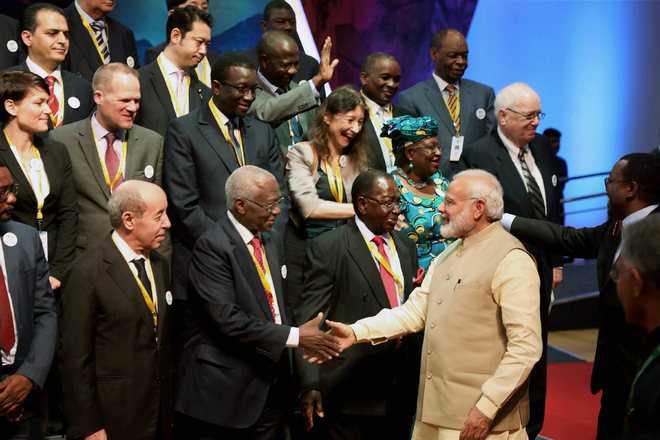
Prime Minister Narendra Modi began a three-nation diplomatic tour covering Jordan, Ethiopia and Oman, signalling a calibrated push to deepen political engagement, economic cooperation and people-to-people ties across West Asia and Africa. The visit places emphasis on long-standing partnerships while marking diplomatic milestones that officials describe as pivotal to a wider strategy linking the Gulf, the Horn of Africa and South Asia.
The tour opened in Jordan, where Modi held talks with King Abdullah II in Amman. Discussions focused on regional stability, counter-terror cooperation and expanding trade and investment links. Jordan occupies a strategic position in West Asia diplomacy, and both sides underlined shared concerns over conflicts affecting the region and their spillover effects. Bilateral exchanges also addressed cooperation in health care, education and technology, areas where existing agreements are being reviewed for expansion.
Jordan has emerged as a steady political partner, and the visit underscored efforts to elevate ties beyond symbolism. Officials highlighted collaboration in renewable energy and pharmaceuticals, alongside labour and skills partnerships that reflect Jordan’s role as a hub for regional services. Cultural engagement featured prominently, with references to the shared heritage reflected in academic exchanges and archaeological cooperation.
From Amman, Modi travelled to Addis Ababa, marking a significant diplomatic moment with Ethiopia. The visit coincides with the strengthening of relations with the African Union, headquartered in the Ethiopian capital, and signals intent to broaden engagement with Africa’s multilateral institutions. Talks with Prime Minister Abiy Ahmed centred on development cooperation, infrastructure financing and capacity building, as well as coordination in international forums.
Ethiopia’s role as a gateway to the Horn of Africa places it at the centre of regional connectivity and security discussions. The leaders examined cooperation in agriculture, manufacturing and digital public infrastructure, with attention to skills development and technology transfer. Ethiopia has been seeking diversified investment partnerships to support industrial parks and export-oriented growth, and the talks reflected interest in long-term collaboration rather than project-based engagement.
Diplomatic officials also pointed to cooperation in peacekeeping and humanitarian assistance, noting Ethiopia’s contribution to regional stability and its engagement with multilateral peace processes. The visit reinforced engagement with Africa at a time when competition for influence and investment has intensified, and when African economies are prioritising infrastructure and human capital development.
The final leg of the tour takes Modi to Oman, a country with deep historical and economic links, particularly in trade, energy and maritime cooperation. Meetings in Muscat are expected to focus on energy security, logistics and defence ties, building on agreements covering strategic petroleum reserves, port development and naval collaboration. Oman’s role as a stable interlocutor in the Gulf has given it a distinctive place in regional diplomacy.
Economic cooperation remains central to the Oman visit, with attention on bilateral trade, investment flows and collaboration in downstream energy projects. The presence of a large expatriate community has added a people-centric dimension to relations, shaping discussions on labour welfare, skills recognition and mobility. Financial services, tourism and green energy have emerged as additional areas of interest as both sides seek to diversify economic engagement.
Across the three stops, the tour reflects a broader pattern of outreach that links West Asia and Africa through trade corridors, energy routes and strategic partnerships. Officials involved in the preparations described the itinerary as a deliberate effort to balance political dialogue with economic substance, moving beyond ceremonial diplomacy. The focus on infrastructure, digital governance and energy transition aligns with priorities shared by many emerging economies.
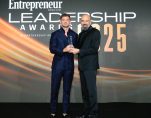
On December 11, at W Dubai – The Palm, Entrepreneur Middle East hosted the Leadership Awards 2025 — one of the region’s key business events recognizing outstanding entrepreneurs and industry leaders whose work is shaping the economic and technological landscape of the Middle East. In the Fintech Leader of the Year category, the award was presented to Alexander Lozben, founder of INTERHASH and one of the notable […]
Global oil supply is likely to align closely with demand through 2026, according to fresh projections from the Organization of the Petroleum Exporting Countries, setting up a clear divergence with forecasts from other major agencies that warn of a sizeable surplus building in the same period. OPEC’s latest monthly assessment indicates that the OPEC+ alliance, which brings together OPEC members, Russia and other producing partners, expects market […]
SINGAPORE – Media OutReach Newswire – 12 December 2025 – In today’s competitive job market, academic qualifications alone are no longer sufficient. Employers seek graduates who are academically accomplished and equipped with practical skills, confidence, and strong industry connections. At the Singapore Institute of Management (SIM), Career Connect delivers a holistic approach to career development that transforms education into employability. A Holistic Approach to Career Development SIM […]
Arabian Post Staff -Dubai Abu Dhabi’s sovereign investor Mubadala Investment Company plans to almost double its exposure to Asia to around a quarter of its global portfolio over the next decade, signalling a long-term shift in capital allocation as the region’s digital economy, energy transition and infrastructure needs accelerate. Speaking at Abu Dhabi Finance Week, Mohamed Albadr, Mubadala’s Head of Asia, said Asia’s share of assets under […]











 website
 LinkedIn




 https://www.facebook.com/cycrafttechnology