News related to
Bank

Bankers across the Gulf anticipate a surge in initial public offerings over the coming months, aiming to offset a sluggish first half that was disrupted by Ramadan’s overlap with March, followed by heightened volatility tied to US tariffs and escalating regional tensions. They project that this end-of-year activity will allow the UAE to rival Saudi Arabia in dollar-volume IPO activity. Arabian bankers expect Middle East dealmaking surge […]

A Reuters-compiled survey reveals that OPEC’s oil output climbed in August following a coordinated decision to raise production, with the United Arab Emirates and Saudi Arabia driving the increase. The group lifted August output by approximately 400,000 barrels per day to reach 28.55 million bpd, according to a Bloomberg-based survey cited by Commerzbank. Saudi Arabia accounted for roughly 230,000 bpd of that surge, raising its production to […]

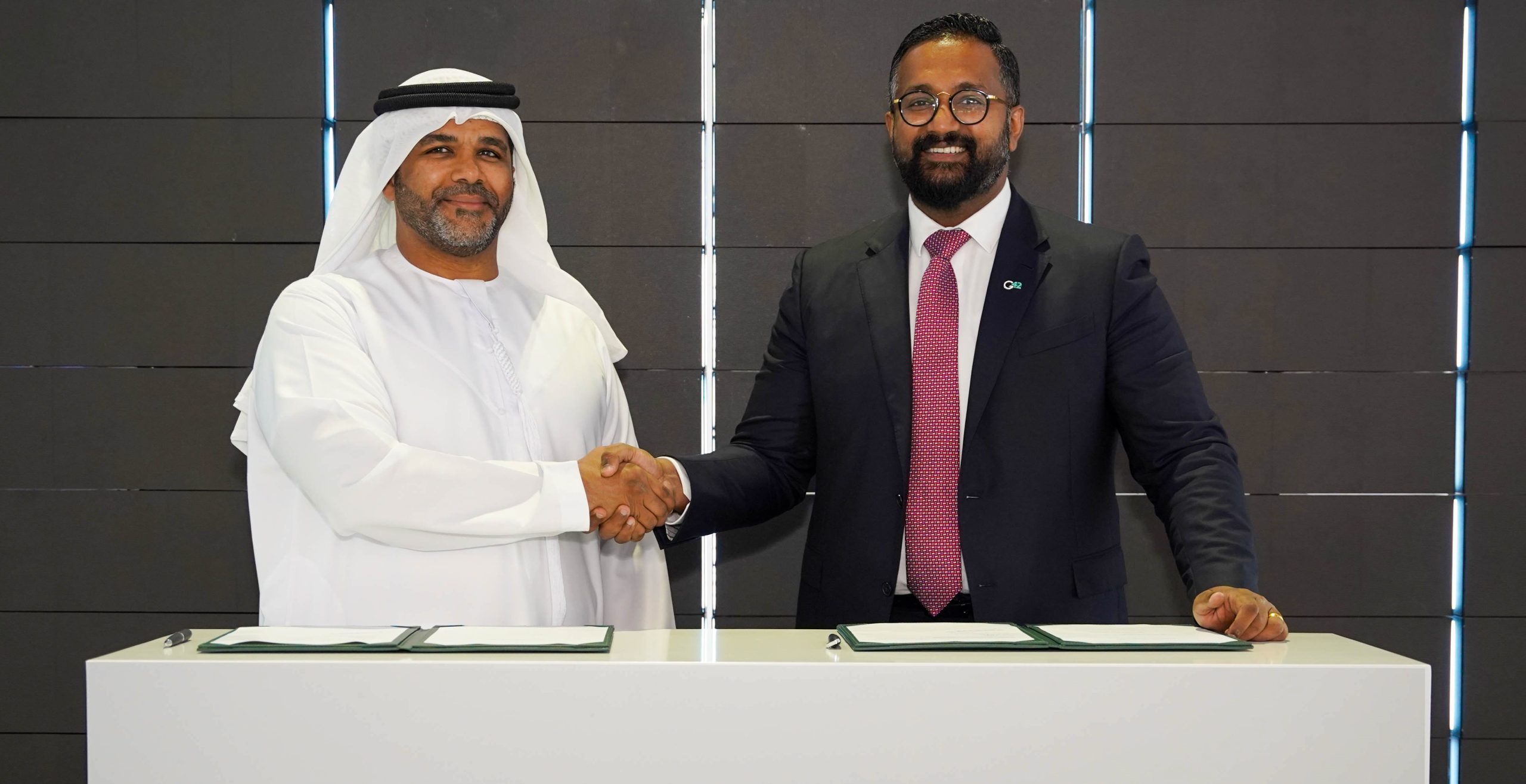
Abu Dhabi’s G42 is offering 2 % of its shareholding in its subsidiary, Presight AI, to institutional investors through an accelerated book-build, aiming to raise slightly more than $100 million. The transaction will reduce G42’s holding in the analytics group from 70.5 % to 68.5 %, while retaining majority control. First Abu Dhabi Bank and Jefferies are acting as joint global coordinators and joint bookrunners, with International Securities serving as joint bookrunner.

Demand for the placement has been strong, with books reportedly fully covered ahead of finalisation. Settlement is expected around 10 September 2025, following final terms being set by 4 September. G42 has also committed to a 180-day lock-up period before any further sale of its Presight shares.

The strategic purpose behind G42 lowers Presight AI stake via ABB is to broaden and institutionalise Presight’s investor base, enhance liquidity, and strengthen its case for inclusion in the FTSE Emerging Market Index. Greater free float and international institutional ownership would increase trading activity and appeal to passive investment funds.

Presight AI, which listed on the Abu Dhabi Securities Exchange in 2023, has posted strong financials through 2025. Its share price has risen by approximately 67 % year-to-date, closing recently at AED 3.47. In the first half of 2025, organic revenue grew by 33.5 %, supported by new domestic contracts. In the second quarter, group net profit rose by nearly 8 % to Dh77 million, with revenue up by over 53 % to Dh523.9 million. International markets now contribute 26.8 % of revenue, up from just 4.9 % a year earlier.

G42 group CFO Ricky Thirion described Presight as “a critical pillar of the G42 ecosystem and a cornerstone of our Intelligence Grid offering,” noting that its performance reflects consistent growth and strong leadership.

Regionally, secondary offerings like this one are gaining traction. In 2025, follow-on sales across the Middle East have raised roughly $3.7 billion, surpassing IPO proceeds—a sign of deepening market maturity.

The placement’s proceeds will go entirely to G42, with no dilution or impact on other shareholders or Presight’s operations.

Abu Dhabi’s G42 has therefore engineered a measured recalibration of its ownership in Presight AI—G42 lowers Presight AI stake via ABB—while securing capital, expanding its shareholder base, and positioning the company for broader market inclusion and visibility.

Dream Security and other cybersecurity analysts have identified a widely distributed, Iran-linked spear-phishing campaign that exploited a compromised Ministry of Foreign Affairs mailbox in Paris. The operation impersonated legitimate Omani diplomatic communication to deliver malware-laden Word documents to government, diplomatic, and multilateral institutions across Europe, Africa, Asia, the Americas, and international organisations such as the UN and World Bank. The campaign’s scale, timing, and technical sophistication reflect […]

Matein Khalid Gold’s 38% surge in 2025 to as high as 3570 an ounce in the New York spot market is not just about central bank anti-dollar reserve accumulation, expectations of a Fed rate cut at the September FOMC or inflation/deficit angst but also a very rational response to President Trump’s repeated assaults on the political independence of the Federal Reserve, which raises the likelihood of deliberate […]

Financial management is certainly an ordeal for any business, be it a massive corporation or a small company that is just starting out. To some extent, with practical knowledge and math skills it is possible to do accounting even in Google Sheets. Still, modern software with automation functions accelerates this process by a considerable amount. More and more accounting solutions are making their appearance on the market, […]

By Dr Arun Mitra Unending armed conflicts are unfolding across various regions of the world. As a result the global security is perhaps facing a degree of uncertainty not witnessed since the Second World War. Crisis-ridden capitalist institutions may outwardly appear powerful and dominant, yet their inability to resolve the pressing problems of the people […]
Advertisements

Central bankers rarely admit defeat. But Jerome Powell’s latest remarks left little doubt: the Federal Reserve now sees the labour market faltering before inflation is fully tamed. This shift in focus – from bringing down prices to protecting jobs – marks a profound change in the policy backdrop. For investors, it is a wake-up call. For two years, the dominant story was inflation. Central banks tightened aggressively […]

Alona Shevtsova, CEO of the British fintech company Sends, will moderate a panel discussion at the Middle East Banking Innovation Summit (MEBIS) 2025 in Dubai. The session will focus on strategies for banking technology innovation and scale-up. Alona Shevtsova is a moderator of a panel discussion titled “Navigating the digital frontier: Strategies for banking technology leaders in a rapidly evolving landscape” at the Middle East Banking Innovation Summit […]

A $2.62 billion, 10‑year credit facility has been secured by Khazna Data Centres, underwritten by a consortium led by Abu Dhabi Commercial Bank and First Abu Dhabi Bank, providing a substantial boost to the company’s strategy for regional and global expansion. The funds are earmarked to accelerate build‑out of high‑capacity data hubs across the Middle East and North Africa, with a clear focus on supporting high‑demand, AI‑intensive infrastructure. […]

A pivotal online gathering on Sunday will determine whether the Organisation of the Petroleum Exporting Countries and its allies proceed with further oil production increases or hold current levels. The group has already rolled back its earlier cuts by 2.5 million barrels per day, equivalent to around 2.4 per cent of global demand, and is now assessing whether to unwind the next 1.65 million bpd tranche ahead of schedule.

Markets responded to the impending meeting with cautious anticipation. Brent crude fell modestly, trading near $67 a barrel, while U. S. West Texas Intermediate hovered around $63–$64. Analysts, including those at ANZ, flagged that any additional supply could deepen the surplus during a typically weak demand season. The softening outlook has already rippled through equity markets: major oil producers and service firms such as APA, Occidental, Halliburton and Schlumberger saw their shares slip between 3 and 5 per cent.

Since April, OPEC+ has pursued an aggressive unwind of output curbs. Initial increases began with modest tranches but have since accelerated: April saw the first rise, followed by consistent monthly boosts—from 411,000 bpd in May, June and July to 548,000 bpd for August and 547,000 bpd for September. These decisions reflect strategic moves to regain market share amidst growing competition, especially from U. S. shale producers, and external pressures, including public calls from the U. S. administration to increase global supply.

Despite these ramped-up supplies, prices have retained considerable strength—hovering around the $70 mark—bolstered by low inventory levels and geopolitical constraints, particularly sanctions on Russia and Iran. Analysts at the Commonwealth Bank of Australia observe that OPEC+ now appears comfortable with Brent trading in the $60–$65 range, a level that could pressure U. S. shale operations by narrowing profit margins.

Meanwhile, data from the American Petroleum Institute indicated an unexpected rise of 622,000 barrels in U. S. crude stocks, counter to forecasts, adding another layer of downward pressure on prices. The situation reflects a delicate balance: rising supply meets lukewarm demand, particularly as global economic growth shows signs of softening in key regions like China, India and Brazil.

Executive voices within OPEC+ remain tight-lipped. No official statements were forthcoming from Riyadh or other capitals prior to the weekend meeting. Analysts remain split: some believe the group will maintain its current stance through October, exercising caution amid market saturation concerns. Others argue that continued increases are part of a calculated strategy to defend or expand market share well into next year.

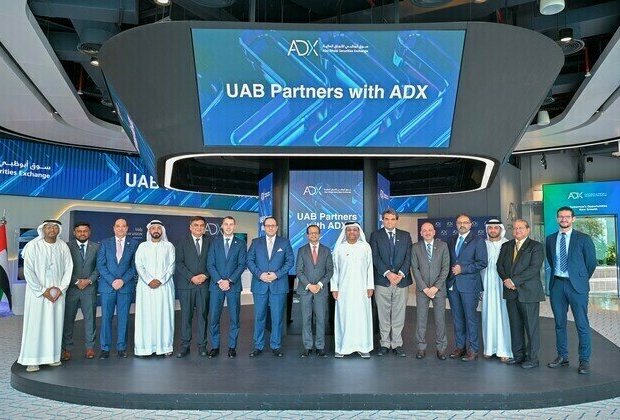
United Arab Bank has formed a strategic alliance with Abu Dhabi Securities Exchange to enable its customers to subscribe for upcoming IPOs through the bank’s digital channels or ADX’s eIPO Investor Portal. This arrangement aims to simplify the process of accessing capital markets, offering a secure and intuitive experience to investors.

At a ceremony held at ADX’s headquarters in Abu Dhabi, the agreement was formalised in the presence of Abdulla Salem Alnuaimi, Group Chief Executive Officer of ADX, and Shirish Bhide, Chief Executive Officer of UAB, alongside senior officials from both organisations.

This collaboration is designed to strengthen UAB’s wealth management proposition by embedding investment opportunities within its digital ecosystem. Customers will now be able to access IPO applications directly via UAB’s mobile application, replacing previously cumbersome procedures with streamlined, guided pathways that enhance transparency and usability.

According to Shirish Bhide, this partnership reflects the bank’s dedication to innovation and long-term value creation. By integrating investment services within UAB’s digital channels, customers gain more inclusive access to the UAE’s capital markets. Abdulla Salnuaimi added that this initiative reaffirms ADX’s aim to enhance the investor experience by collaborating with leading financial institutions and advancing digital solutions.

The move aligns with UAB’s broader digital transformation strategy, as demonstrated by prior efforts such as launching RegPRISM, an AI-powered regulatory intelligence platform developed with Smarbl to improve compliance and operational efficiency.

Further underpinning UAB’s financial robustness is its first-quarter 2025 performance. The bank reported a 49 per cent year-on-year increase in net profit—rising to AED 102 million—driven by growth in assets, loans, Islamic financing, and investments. Capital adequacy remains solid, with a CET1 ratio of 12.6 per cent and a total capital adequacy ratio of 17.1 per cent. Non-performing loans saw improvement from 4.8 per cent to 3.4 per cent, with coverage at 118 per cent.

These financial strengths were in part bolstered by a rights issue completed earlier, which raised around AED 1.03 billion and strengthened UAB’s capital position.

ADX, for its part, continues to pursue innovation in financial market infrastructure. In July, it collaborated with First Abu Dhabi Bank and HSBC to launch the Middle East’s first DLT-based digital bond, reinforcing its frontier role in tokenised finance.

Through this latest agreement, UAB and ADX are promoting a more integrated, accessible investment landscape—blending digital banking and capital markets participation in a manner that could redefine customer expectations and market engagement.

A wave of profit‑taking sent the Nigerian equities market lower, with the NGX All‑Share Index falling by around 0.7 per cent to approximately 138,737 points on Tuesday—equivalent to a loss of nearly 0.67 per cent in market capitalisation, which dropped to about ₦87.8 trillion. The sell‑off was driven largely by pressure on heavyweight stocks such as Lafarge Africa and Transnational Corporation, while market breadth skewed negative, with far more declines than gains. […]

BitMine Immersion Technologies now controls nearly 1.87 million ETH, equivalent to about 1.55 per cent of total Ether supply, along with substantial cryptocurrency and cash reserves. The Las Vegas‑based miner‑turned‑treasury manager has emerged as the largest corporate holder of Ether globally, with holdings valued at close to $9 billion. The firm’s robust position underscores its aggressive strategy in digital‑asset accumulation amid growing institutional interest in Ethereum.

The surge in holdings is underpinned by a flurry of recent purchases, including an addition of approximately 153,000 ETH—a $656 million acquisition—bringing the total to about 1.867 million ETH, valued above $8 billion at current market rates. Such moves position BitMine well on its strategic pathway toward aiming for 5 per cent of total Ether supply. The Ethereum holdings are complemented by 192 Bitcoin and roughly $635 million in unencumbered cash, contributing to a combined crypto plus cash asset base nearing $9 billion. BitMine now stands as the foremost Ethereum treasury company, and ranks second among global crypto treasuries—behind Strategy Inc., which holds significantly larger Bitcoin reserves.

BitMine’s assertive accumulation follows its ETH treasury launch in late June and has accelerated through August and early September. Institutional confidence appears to have grown in step, evidenced by continued investment from ARK Invest, whose latest injection exceeded $15 million, raising total backing above $300 million.

Chairman Tom Lee casts the company’s strategy in historical perspective, likening Ethereum’s ascendant role to financial innovation following the United States’ departure from the gold standard in 1971. He described Ether’s trajectory as a “supercycle”, with emerging regulatory frameworks such as SEC Project Crypto and the GENIUS Act unlocking transformative potential for blockchain finance.

The market response has mirrored BitMine’s bullish posture. Its stock price has jumped nearly 41 per cent over the last month, trading in the mid‑$40 range at the time of the announcement, and showing intraday gains of over 1 per cent.

BitMine’s ascent is emblematic of a broader shift among corporates toward Ethereum as a treasury asset. Firms like SharpLink Gaming, Bit Digital, GameSquare, and The Ether Machine are following suit, each holding significant ETH reserves—some exceeding $100 million. Collectively, institutional ETH treasuries now represent an ecosystem worth billions, with BitMine firmly at the forefront.

That growing interest is tied to Ethereum’s technical strength: its native support for staking, smart contracts, stablecoins, and NFTs. These features enable yield generation and diversified application, attracting corporate treasurers seeking productive digital assets. As the co‑founder of Figment observed, staking is emerging as “the centre of global banking for digital assets,” while ETH’s productive capacity makes it a strategic asset rather than speculative holding.

Still, the aggressive accumulation navigates potential risks. Scale offers liquidity and negotiating leverage, but also exposure to market volatility and custodial challenges in event of operational failures. Security lapses or market shocks could carry amplified consequences given the size of holdings.

Turkey’s sovereign wealth fund is pressing ahead with a planned sale of dollar‑denominated bonds on Wednesday after weighing a delay during a sharp stock‑market sell‑off triggered by a court decision affecting the main opposition party’s leadership. The Turkiye Wealth Fund is poised to issue both five‑year and ten‑year notes, guided initially at yields of approximately 7.625 per cent and 8.375 per cent, respectively. The decision to proceed […]

By Nitya Chakraborty After successfully passing the test of strategic autonomy for India at the just concluded summit of the Shanghai Cooperation Organisation (SCO) at Tianjin in China on August 31 and September 1, Prime Minister Narendra Modi faces another test on Monday September 8 at the virtual meeting of the BRICS nations convened by […]

Sobha Realty, the Dubai-based luxury developer rated Ba2 by Moody’s and BB by S&P, is advancing plans to issue its inaugural green, US dollar‑denominated, Regulation S benchmark sukuk under its established USD 1.5 billion trust issuance programme. The five‑year, fixed‑rate, senior unsecured sukuk offering carries a stable outlook from both agencies. The firm has shifted from tapping into conventional capital markets toward the growing sustainable finance segment. Preparing to launch […]

TransBnk has raised $25 million in its Series B funding round, led by Bessemer Venture Partners with support from Arkam Ventures, Fundamentum Partnership as well as existing backers 8i Ventures, Accion Venture Lab, and GMO Venture Partners. The Mumbai‑based transaction banking platform will channel the funds into geographic expansion across Southeast Asia and the Middle East, while strengthening its technology and product development teams. Vaibhav Tambe, co‑founder and chief executive, highlighted a sevenfold increase in the company’s valuation following […]

A sharp rebound in the Taiwan dollar has intensified financial pressure on exporters, undermining earnings and dampening competitiveness in overseas markets. The appreciation, driven by a blend of strong trade inflows, hedging activities, and speculative pressures, has prompted swift policy attention and heightened concern among industry observers.

Taiwan’s currency surged to its highest level since early 2022—landing near NT$29 per U. S. dollar—amid a weakening U. S. dollar and heightened equity inflows. The rally, measuring around 12 per cent so far this year, has inflicted renewed strain on leading exporters, including Taiwan Semiconductor Manufacturing Company and Foxconn, which report substantial margin erosion when the Taiwan dollar strengthens.

Exporters are finding that every one‑unit appreciation of the currency can slash revenue by roughly 3 per cent and chip away at gross margins—Foxconn estimates its margins dip by 0.1 percentage point per NT$1 gain. Smaller, traditional manufacturers—especially machinery producers—are even more exposed, with limited hedging capacity and tighter operating margins.

Life insurers are not spared. Many hold a sizable portion of assets in U. S. dollars—Fubon Financial, for example, has about 70 per cent of its portfolio in foreign holdings—and face amplified foreign‑exchange losses as the local currency climbs.

Regulators are treading a delicate line. Taiwan’s central bank has urged restraint, discouraging speculative trades through vehicles such as ETFs, and cautioning against exaggerated market commentary. It has also issued warnings to foreign investors who may be circumventing capital controls by not deploying inflows into domestic securities—a move intended to curb volatility without triggering accusations of currency manipulation from Washington.

Policy shifts and trade developments elsewhere may be compounding the pressures. Analysts observe that rapid appreciation could weaken Taiwan’s offerings amid looming U. S. tariffs and a lack of definitive agreements with Washington. Others point to structural shifts: Asian economies, Taiwan included, are unwinding dollar‑heavy positions amid growing concern over U. S. policy and economic fragility. One commentator dubbed this a “reverse Asian crisis,” pointing to a regional transfer of purchasing power back to local currencies.

Reactions continue to unfold across sectors. The logistics industry, for instance, is grappling with imbalances in shipping flows and heightened forex risk; yet it also sees potential growth through import logistics and value‑added FX‑savvy services for clients.

Altogether, Taiwan confronts a complex convergence of forces: strong export volumes feeding currency strength, speculators and hedgers accelerating the appreciation, and policy efforts seeking to stabilise markets without undermining global credibility. With export earnings vulnerable, insurers weighed down by FX losses, and the broader economy exposed to tariff dynamics, the coming months could heighten the stakes if the exchange rate remains elevated, especially in the absence of agreements that mitigate trade frictions.

Journalistic due diligence underscores that the data and figures—such as the currency’s 12 per cent gain, margin impacts for Foxconn and others, and the insurers’ USD-exposure ratios—have been corroborated across reputable sources. Reporting maintains a balanced perspective, acknowledging both the financial risks and policy responses shaping Taiwan’s export-heavy economy.


The mortgage market in Dubai and the wider UAE has entered a new stage of maturity. Once dominated almost entirely by cash buyers, today’s property landscape is increasingly shaped by mortgage financing. The first quarter of 2025 recorded AED 33 billion in cash transactions versus AED 21 billion in financed purchases. This indicates a clear rise in mortgage penetration as more residents, families, and long-term investors choose […]

A succinct pledge to resolve their border differences and reinvigorate cooperation was exchanged between Chinese President Xi Jinping and Prime Minister Narendra Modi during a summit in Tianjin. The meeting, marking Modi’s first visit to China since the border clashes of 2020, signals a strategic effort to steady bilateral ties ahead of the meeting of regional leaders.

At the outset, Modi acknowledged that disengagement along the Line of Actual Control has created a peaceful environment, underlining that tranquility along the border is essential for bilateral development. He emphasised that relations have moved in “a meaningful direction” and stressed that both countries should pursue strategic autonomy without being viewed through the lens of a third country. Xi mirrored that sentiment, contending that border issues should not define China‑India relations. He urged a focus on economic growth and expressed a hope that their meeting would “further elevate” bilateral relations to a stable trajectory.

This diplomatic retreat from escalating tensions emerges amid broader geopolitical recalibrations. The summit, bringing together more than 20 non‑Western leaders, offered a stage for Xi to advocate a new global order more favourable to the Global South, challenging Western dominance. He proposed the creation of a SCO development bank, new financial mechanisms to reduce dependence on the US dollar, AI cooperation, and a lunar research partnership.

For his part, Putin welcomed the revival of “genuine multilateralism” through the SCO framework and lauded efforts toward building alternative Eurasian security structures. The visual solidarity among the three —occasionally dubbed the “anti‑Western bloc”— underscores their shared interest in countering US influence and economic pressure, including US‑imposed tariffs on India.

India’s engagement at Tianjin reflects a broader wave of diplomatic stepping stones: direct flights have resumed, the Kailash Mansarovar Yatra has been revived, and Indian pilgrims are again welcome in Tibet. These developments follow mutual agreements on border patrolling mechanisms and a gradual easing of visa and tourism restrictions.

While the tone between Xi and Modi was markedly conciliatory, analysts caution that underlying issues persist. The legacy of the 2020 deadly Galwan clash remains a psychological and strategic fault line. Mistrust endures, and there is no immediate indication of a comprehensive border settlement or legally binding roadmap toward de‑escalation.

The SCO’s Tianjin gathering is the largest of its kind in the organisation’s history, with Xi presiding and an array of Eurasian leaders in attendance. The event signifies a collective push toward regional cooperation and institutional alternatives to Western‑led institutions.

A colossal leap in infrastructure development is underway as OpenAI pursues the establishment of a data centre in India with a striking capacity of at least one gigawatt. The project, integral to its Stargate initiative, ushers in a new era of AI infrastructure expansion across Asia.

OpenAI is actively exploring partnerships with Indian firms to bring this gigawatt-scale facility to life, though the precise location and timeline remain unspecified. The effort aligns with its Stargate programme—an expansive, multibillion-dollar venture in collaboration with SoftBank, Oracle and MGX to develop next-generation AI infrastructure.

The planned facility stands among the largest of its kind in the region and may be formally introduced by OpenAI’s chief executive, Sam Altman, during his anticipated visit to India in September. OpenAI has already gained legal footing by registering as an entity in India and is gearing up to open its first office in New Delhi later in the year, reflecting the nation’s importance as the company’s second-largest market by user base.

Financial implications of such mega‑scale AI infrastructure are enormous. According to Jensen Huang, chief executive of Nvidia, constructing a singular gigawatt-class facility could cost around $50 billion—$35 billion directed towards Nvidia’s hardware and $15 billion for supplementary systems. OpenAI’s ambitions also include similar “AI super‑factories” in Abu Dhabi and across the United States, all under the banner of Stargate.

This enormous investment is forecast to have ripple effects across the global AI ecosystem. With Stargate estimated at up to $500 billion, it underscores OpenAI’s strategic ambition to lead in AI infrastructure and the mounting demand for AI-optimised processing capabilities. Nvidia, for example, projects AI infrastructure spending could soar to the $3‑4 trillion mark annually by 2030, bolstered by commitments like those under Stargate.

Locally, establishing such a facility in India can offer tangible advantages. A dedicated data centre promises to reduce latency for Indian users while satisfying regulatory demands for local data storage, a critical consideration for enterprise clients and government services. The endeavour complements OpenAI’s earlier move to enable local data residency for services such as ChatGPT Enterprise and its API offerings, aligning with India’s regulatory framework.

India’s data centre ecosystem is expanding rapidly. From an installed capacity of approximately 950 megawatts in 2024, projections currently estimate that figure to nearly double—approaching 2 gigawatts by 2026. However, even with such growth, the nation still accounts for just a fraction of global data centre capacity despite generating a significant portion of worldwide data streams. The arrival of a gigawatt-scale project like OpenAI’s would mark a profound increase in both capacity and technological capability.

Environmental sustainability and energy demands also emerge as critical considerations. Hyperscale data infrastructure requires vast power and cooling resources, raising pressing questions about energy sourcing, water usage, and ecological impact—matters India is progressively addressing through green data centre policies and incentives.

OpenAI’s move echoes broader trends among global tech giants expanding their Indian footprints. For instance, Reliance Industries is planning a three‑gigawatt data centre in Jamnagar; Microsoft, Amazon, and Google are investing heavily in cloud infrastructure; and India’s government continues to support initiatives through Digital India and localisation mandates.

Banque de Commerce et de Placements, the Swiss private bank based in Geneva, has elevated its presence in the Middle East by transforming its Dubai Representative Office into a fully operational branch under a Category 4 licence from the Dubai Financial Services Authority within the Dubai International Financial Centre. This development empowers BCP to offer comprehensive advisory services across the region. The move reflects BCP’s dedication to expanding […]

First Abu Dhabi Bank, the UAE’s largest lender by assets, today instructed a consortium of global banks to coordinate a series of investor calls focused exclusively on environmental, social and governance fixed‑income opportunities. These discussions pave the way for the offering of a benchmark 5‑year, USD‑denominated, Regulation S low‑carbon energy bond, to be issued under FAB’s USD 20 billion Euro Medium Term Note programme. The institutions enlisted as joint lead managers and bookrunners […]

VISHNU RAJA
RYO YAMADA
HITORI GOTOH
IKUYO KITA