North Korean state-linked hackers have intensified attacks on cryptocurrency companies by combining fake video meetings, AI-generated identities and “ClickFix” infection tactics to compromise executives, founders and staff with access to wallets, exchanges and investment infrastructure. A large spear-phishing operation attributed with high confidence to BlueNoroff, the financially motivated arm of the Lazarus Group, targeted a North American Web3 company through a manipulated calendar invitation that led to […]
Annual Linkflow Capital research finds SME credit conditions thawed modestly in 2025, with SME borrowing rate declining to an average of 8.18% from a high of 8.47% the preceding year. Bank disbursement times stretched to 33 days on average, against just 7 days for non-bank funders, reshaping where SMEs source credit.
SINGAPORE – Media Outreach Newswire – 29 April 2026 – Singapore’s SMEs experienced their first easing in borrowing costs in three years, with average unsecured lending rates falling to 8.18% per annum in 2025 from a multi-year high of 8.47% in 2024, according to Linkflow Capital’s latest SME Financing Accessibility Survey. Larger loan approvals above $500,000, which had disappeared entirely in 2024, also returned to form 5% of approvals in 2025.
The recovery, however, was uneven. Bank loan processing times stretched to 33 days on average, up from 22 days in 2024, while non-bank funders disbursed approved cases in just 7 days. The widening gap reshaped lender competition through the year.
Key findings from the 2025 survey:
Borrowing costs eased modestly: Average SME loan interest rate fell 29 basis points to 8.18% per annum but remain stubbornly high against the backdrop of a significant decline in benchmark 3-month SORA rate throughout 2025.
Larger loans returned: Approvals above $500K returned to 5% of approved loan dollar volume in 2025 after disappearing entirely in 2024. Loans in the $300K–$500K bracket also expanded from 3% to 7%.
Loan approval rate recovered to 74%, up from 70% in 2024 (a 5-year low).
Foreign banks extended their market share of loan origination within our platform: Foreign lenders grew their share of approved loan dollar volume to 38% in 2025, up from 26% in 2024 and 19% in 2023, while local banks fell to 46% (from 59%). Digital banks recovered modestly to 11% (from 8%).
Credit-related rejections nearly tripled: Among unsuccessful applicants, those rejected due to adverse personal credit records jumped from 3% in 2024 to 11% in 2025, signalling rising personal credit stress among SME owners.
“2025 was the year SME credit conditions began to thaw after the 2024 squeeze, but the recovery was uneven,” said Benjamin Teo, spokesperson for Linkflow Capital. “Banks gradually reopened to larger loans, yet took meaningfully longer to process applications. Some SMEs facing immediate cash flow pressure turned to non-bank funders for speed, even at higher costs.”
A new and more severe headwind for 2026
Linkflow Capital flagged the Middle East conflict which began in February 2026 as the most consequential macroeconomic event facing Singapore SMEs in the year ahead. The conflict has elevated freight, energy and shipping costs through Iran’s intermittent disruption of the Strait of Hormuz.
“Singapore SMEs entered 2026 facing a potential macro shock with the Middle East conflict,” Teo said. “The inflationary price pressures feed directly into SME operating costs through fuel, freight, and energy. We expect credit conditions to re-tighten, and the modest 2025 thaw could partially reverse if the conflict escalates.”
The issuer is solely responsible for the content of this announcement.
Linkflow Capital
Founded in 2012, Linkflow Capital is a leading SME loan consultancy in Singapore. Through its loan comparison portal and advisory services, Linkflow Capital assists SMEs in navigating the financing landscape and securing funding solutions from an extensive network of banks and financial institutions.
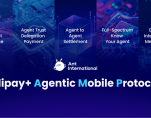
Agentic Mobile Protocol (AMP) is the world’s first agentic payment framework designed for mobile interfaces, including digital wallets, super apps, and wearable devices.
Fully open-sourced, the protocol enables LLMs, platforms and merchants’ seamless agentic connection to 4.4 billion digital wallet users worldwide through simple and secure integration.
KUALA LUMPUR, MALAYSIA – Media OutReach Newswire – 28 April 2026 – Ant International is introducing the Agentic Mobile Protocol (AMP) for the agentic commerce industry to enable secure, AIOps-native agentic payment connection to mobile services including digital wallets, banking apps, super apps, and mobile portals from phones to wearable devices.
Ant International launches Agentic Mobile Protocol (AMP), the world’s first agentic payment framework designed for mobile interfaces, including digital wallets, super apps, and wearable devices.
“We are deeply grateful for partners, acquirers and developers who contributed to this project. An agentic protocol for mobile commerce that ensures superior efficiency and security results will be key for businesses large and small expanding into the world’s fastest growing markets. We look forward to expanding our multi-layered partnerships to enable real-world successes of AI commerce,” said Jiang-Ming Yang, Chief Innovation Officer, Ant International.
Wallets and mobile payment key driver for agentic commerce
The global agentic commerce market could reach around USD 28 billion by 2030 with a 46% CAGR as the industry fast-forwards from pilot AI agent programs to full-scale autonomous transaction systems[1]. The number of global digital wallet users reached 4.4 billion in 2025, and is expected to exceed 6 billion – over 75% of the global population – by 2030[2].
While the new payment rails are positioned to become a primary interface for AI commerce, current AI payments protocols are designed largely for card rails. Merchants and digital wallets need to be able to offer smooth payment experience, authenticate trusted agents and verify credentials without disruption, as well as seamlessly handle post-checkout settlement and transaction management tasks in a mobile- and AI-native environment.
With the Agentic Mobile Protocol, merchants – LLMs, AI platforms, merchants with self-developed agents, and agent builders – and digital wallets can embed agentic payment functionality directly into their workflows, eliminating the need for system overhauls.
Ant International has open-sourced the AMP to help establish a universal, auditable standard to ensure that AI agents can transact securely and seamlessly across any global platform.
The AMP framework features:
A superior agentic checkout experience through:
Faster agent integration: reducing the number of steps required to link a payment agent to a digital wallet by 50% compared to traditional card-binding methods.
Money-back guarantee: every agent-initiated transaction is backed by a money-back guarantee mechanism for payment partners in cases of account takeovers.
Cross-device compatibility: payment agents can work on mobile interfaces across smartphones, smartwatches, AR glasses and in-car systems, a capability absent in card-based systems.
A more efficient and secure trust architecture for agent delegation to ensure secure and precise delegation of payment authority to AI agents — whether it is ordering coffee, booking a ride, or planning a trip – with full visibility and the ability to revoke or modify tasks at any time.
A high-frequency agent-to-agent (A2A) settlement mechanism enables automated, ultra-small transactions between AI agents. It’s capable of handling nano-transactions as small as $0.000001 between agents with real-time accounting and clearing. A2A settlement is crucial to agentic economy, which requires the capacity to process high-frequency, sub-cent agent transactions that traditional payment rails cannot support.
A full-spectrum Know Your Agent (KYA) framework establishes an agent’s digital identity and certifies its authorised capabilities. The proprietary Agent Trust Rating mechanism offers an additional layer of protection, a dynamic risk-management tool that determines whether an agent is trustworthy and controls the level of autonomy.
A 40 member-strong wallet ecosystem in cross-sector coordination
Ant International is working with wallet partners of Alipay+, the company’s global wallet gateway, to implement the AMP. Alipay+ now connects over 40 digital wallet partners, covering 1.8 billion user accounts and 150 million merchants globally.
Building on this payment partnership network that spans wallets, acquirers, super apps and cards, Ant International is among the first partners of Mastercard and Visa to pilot card-based transaction capabilities for AI agents, while collaborating with Google on its protocols for agentic commerce and payments.
The issuer is solely responsible for the content of this announcement.
About Ant International
Ant International is a leading global digital payment, digitisation and financial technology provider. Through collaboration across the private and public sectors, our unified techfin platform supports financial institutions and merchants of all sizes to achieve inclusive growth through a comprehensive range of cutting-edge digital payment and financial services solutions. To learn more, please visit https://www.ant-intl.com/
By Saifur Rahman GCC financial wealth is projected to grow by roughly 4.7–5.2 percent annually, reaching US$3.5 trillion by 2026–2027, up from US$2.7–US$2.8 trillion in 2021–2022, driven by high oil prices, robust IPO activity in the UAE and Saudi Arabia, and a rising influx of high-net-worth individuals, according to a report by Boston Consulting Group. The recently announced plans by the UAE Government to automate 50 per […]
Aldar has acquired a portfolio of industrial and logistics assets in KEZAD for AED650 million, strengthening its exposure to Abu Dhabi’s warehouse market as demand for modern supply-chain space continues to build across the emirate. The transaction, announced on 23 April 2026, involves three purpose-built, multi-let warehouses sold by Khalifa Economic Zones Abu Dhabi, a subsidiary of AD Ports Group. The assets add about 163,000 square metres […]
Arabian Post Staff -Dubai Dubai’s Emirati Human Resources Development Council and Dubai International Financial Centre have launched a specialist programme to prepare UAE nationals for roles in wealth management, private banking and financial technology, strengthening the emirate’s push to deepen local participation in high-value financial services. The Wealth Strategist Programme is designed to equip Emirati talent with practical skills required by private banks, asset managers, family offices, […]
Arabian Post Staff -Dubai Gulf bourses posted modest gains on Sunday even as hopes of a diplomatic breakthrough in the US-Israeli conflict with Iran weakened, leaving investors to balance fragile ceasefire expectations against higher oil prices, inflation risks and slowing global growth. Trading was cautious across the region, with market moves reflecting selective buying rather than broad confidence. Saudi Arabia’s benchmark index rose 0.1 per cent, supported […]
POL remained under selling pressure over the past 24 hours as traders struggled to rebuild momentum despite Polygon Labs’ deeper push into stablecoin payments, leaving the token below key intraday recovery levels and close to the lower end of its short-term trading range. The Polygon ecosystem token traded near $0.09 on 26 April, with market capitalisation hovering below $1bn and daily sentiment still cautious after failed rebounds […]
Arabian Post Staff -Dubai QNB Egypt has signed an EGP 5.5 billion medium-term facility agreement with MARAKEZ to finance part of the investment cost for residential and commercial expansion at District 5, strengthening one of East Cairo’s major mixed-use developments at a time when developers are turning increasingly to structured bank financing. The agreement covers funding for District 5, a 268-acre project in New Katameya that combines […]
Arabian Post Staff -Dubai Gulf Bank has renewed its long-term strategic collaboration with Mastercard, strengthening a payments alliance aimed at expanding digital banking services, improving transaction security and responding to changing customer behaviour across Kuwait’s financial sector. The renewed agreement gives Gulf Bank continued access to Mastercard’s payment technologies, digital solutions and global expertise, with a focus on contactless payments, mobile wallet services, card security, customer convenience […]
CNTXT AI has launched Munsit Emirati TTS, a native Arabic text-to-speech model designed to produce real-time, human-like speech in the UAE dialect for enterprise and consumer applications. The Abu Dhabi-based artificial intelligence company is positioning the system as a response to a long-running weakness in global voice technology: the inability of many speech engines to capture Arabic dialects with natural rhythm, pronunciation and cultural nuance. The […]
Arabian Post Staff -Dubai Wall Street climbed to record levels as hopes for renewed US-Iran diplomacy, a stronger-than-expected Intel forecast and reduced uncertainty around Federal Reserve succession combined to fuel a broad risk rally across US assets. S&P 500 gained nearly 1 per cent on Friday, extending its longest weekly advance since 2024 and pushing the benchmark to an all-time high. Nasdaq also advanced, helped by a […]
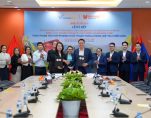
VIENTIANE, LAOS – Media OutReach Newswire – 24 April 2026 – Green SM Laos and Star Fintech Sole Co., Ltd (Umoney) have announced the signing of a Payment System Integration Agreement to incorporate Umoney into the Green SM application, alongside a Strategic Cooperation Agreement to develop a comprehensive digital finance and smart mobility ecosystem in Laos.
Ms. Tran Hanh An – Director of Mobility Services Sales, GSM Vietnam & Laos (left), and Mr. Ha Chien Thang – Director of Star Fintech Sole Co., Ltd, at the partnership signing ceremony.
Under the agreement, Umoney will be integrated as a direct payment method within the Green SM app. The two parties will also implement an embedded integration model enabling Umoney users to seamlessly access Green SM’s mobility services directly within the Umoney platform.
For the first time in Laos, customers will experience a fully seamless ride-hailing journey with fares processed instantly via the Umoney e-wallet upon trip completion, replacing the previously common manual bank transfer method. Users simply link their Umoney wallet to the Green SM app for fast, convenient, and fully cashless transactions. Additionally, customers using partner banking applications can pay drivers through Umoney’s QR system, delivering a flexible, fast, and secure payment experience that enhances user convenience and broadens customer reach across both platforms.
As part of the collaboration, Green SM Laos will provide comprehensive mobility solutions for Umoney’s enterprise partners and individual customers, including Green SM Car electric ride-hailing, Green SM Limo, Green SM Airport transfer services, as well as corporate travel packages and flexible, customized mobility plans. Umoney, in turn, will collaborate with Green SM to develop digital financial and payment solutions tailored for drivers within the Green SM ecosystem, encompassing e-wallet services, direct income disbursement, operational expense payments, and cash flow management tools. This synergy is designed to optimize operational efficiency while enhancing the experience for businesses, drivers, and end-users alike.
Beyond mobility and payment solutions, both parties plan to expand their shared digital services ecosystem by integrating Umoney and Unitel’s telecommunications and digital utilities into the Green SM platform, including SIM card registration, mobile top-ups, data package purchases, and other digital services, thereby enhancing the value proposition for users across both platforms.
The two companies will also jointly roll out customer benefit programs targeting Umoney users in Laos, with a particular focus on airports, transaction points, and key high-traffic locations. Through integrated service offerings and incentives promoting electric mobility, Green SM and Umoney aim to foster environmentally responsible travel habits while delivering greater value to customers within their shared ecosystem.
Mr. Ha Chien Thang, Director of Star Fintech Sole Co., Ltd, shared:”Our partnership with Green SM marks a significant milestone in Umoney’s strategy to develop a comprehensive digital finance ecosystem in Laos. The integration of payment capabilities and digital services not only enhances user convenience but also contributes to the advancement of cashless payments and the broader digital transformation of the economy.”
Ms. Tran Hanh An, Director of Mobility Services Sales at Green SM Vietnam & Laos, stated: “The partnership between Umoney and Green SM reflects a shared commitment to connecting the essential infrastructures of modern urban life, from digital finance and telecommunications to a green mobility ecosystem. Through this collaboration, we aim to expand benefits for our customers and driver community while driving meaningful green transformation that is firmly grounded in everyday mobility and consumption needs.”
Furthermore, Green SM and Umoney will collaborate on multi-channel communications initiatives to strengthen brand awareness and expand their combined customer base. Planned activities include co-branded campaigns, promotional programs for new users, digital platform communications, and on-ground experiential activations in key markets.
The partnership between Green SM and Umoney marks a significant convergence of two leading ecosystems in green mobility and digital finance in Laos, united in their pursuit of integrated service solutions that meet the increasingly diverse demands of modern urban life. This collaboration also represents a pivotal step toward fostering innovation, elevating the user experience, and contributing to the sustainable growth of the digital economy in Laos.
Hashtag: #GreenSM
The issuer is solely responsible for the content of this announcement.
Japan has set up a financial-sector task force to assess risks from advanced artificial intelligence systems capable of discovering software flaws at a speed that could outpace existing cyber defences, deepening official concern over the resilience of banks, exchanges and payment infrastructure.
The move follows high-level talks involving the Financial Services Agency, the Bank of Japan, national cyber security officials, Mitsubishi UFJ Financial Group, Sumitomo Mitsui Financial Group, Mizuho Financial Group and Japan Exchange Group. The focus is Anthropic’s Mythos, a powerful AI model developed for defensive cyber security work but now regarded by regulators as a potential systemic risk if similar capabilities reach hostile actors.
Finance Minister Satsuki Katayama has framed the issue as an urgent challenge for core financial institutions, warning that Japan’s highly connected financial system could face cascading disruption if attackers used AI to identify and exploit weaknesses before institutions could repair them. No breach linked to Mythos has been reported, but officials are pressing banks to examine incident response plans, software exposure, vendor dependencies and market-continuity arrangements.
Japan tightens bank defences over Mythos as regulators confront a new cyber security problem: an AI tool built to strengthen software security may also demonstrate how fast the balance between defenders and attackers is shifting. Anthropic has said its Mythos Preview found thousands of high-severity vulnerabilities, including flaws affecting every major operating system and web browser. The company has placed the model under restricted access through Project Glasswing, an effort to use frontier AI for defensive discovery before equivalent capabilities spread more widely.
Security specialists see the financial sector as particularly exposed because banks rely on layered infrastructure that includes legacy systems, cloud services, trading platforms, third-party vendors and customer-facing applications. A vulnerability in one component may not remain isolated. Settlement systems, payment networks and securities markets depend on trust, synchronised data and rapid processing, leaving little tolerance for prolonged outages or uncertainty.
Japan’s top lenders have spent heavily on cyber resilience after a series of global incidents involving ransomware, software supply-chain attacks and attacks on critical infrastructure. Yet regulators remain concerned that AI-enabled vulnerability discovery could compress the time between flaw identification and exploitation. Traditional patch cycles often take days or weeks, while advanced models may help attackers generate working exploit paths far faster.
The task force is expected to coordinate technical assessments, information sharing and emergency procedures across the financial sector. Officials are also likely to examine how institutions verify third-party software, monitor anomalous activity and isolate critical operations during a cyber event. For exchanges and clearing systems, the priority will be maintaining orderly trading and settlement even if parts of the technology stack come under pressure.
The concern extends beyond Japan. Regulators in Asia, Europe and the United States have been urging banks to review their cyber controls as AI systems become more capable of code analysis, vulnerability chaining and automated exploitation. The issue has moved from a narrow technology debate into the domain of financial stability, because a successful attack on a major bank or exchange could quickly affect liquidity, confidence and cross-border transactions.
Anthropic has presented Mythos as a controlled defensive tool rather than a public product. The company says the model is intended to help responsible institutions find and fix vulnerabilities before they are misused. That defence has not removed policy concerns. The same capability that enables security teams to uncover hidden bugs can also lower the barrier for sophisticated offensive activity if access controls fail or comparable models emerge elsewhere.
Japan’s response reflects a broader shift in cyber regulation. Authorities are moving away from treating cyber security as a compliance checklist and towards stress-testing how institutions would cope with fast-moving, AI-assisted threats. Banks may face pressure to shorten patching timelines, improve software inventories and strengthen board-level oversight of technology risk.
For Japan, the issue also intersects with its ambition to modernise finance while promoting digital innovation. The country is expanding fintech services, digital payments and AI adoption across corporate operations, but regulators are signalling that innovation must be matched by stronger safeguards. Financial institutions are being asked to prepare for a threat environment in which attackers may use tools that can scan, reason and adapt at machine speed.
The immediate test for the task force will be whether it can turn concern into operational readiness. That means clear reporting channels, shared technical indicators, realistic crisis drills and faster coordination between banks, regulators, exchanges and cyber agencies. Japan’s financial authorities are seeking to prevent an AI-driven security breakthrough from becoming a market-disrupting event.
HONG KONG SAR – Media OutReach Newswire – 23 April 2026 – Hong Kong’s small businesses delivered their strongest performance in a decade in 2025, while confidence in the year ahead has climbed to a record high, according to CPA Australia’s latest Asia‑Pacific Small Business Survey 2025–26.
The survey shows that 68 per cent of Hong Kong SMEs recorded growth in 2025, up from 65 per cent in 2024 and marking the highest result on record. This positive momentum is expected to continue this year, with 71 per cent of SMEs expecting their businesses to grow and 76 per cent anticipating growth in the local economy — both at record highs. Customer loyalty and a strong workforce were identified as key drivers behind SMEs’ solid performance last year.
Mr Cliff Ip, Councillor of CPA Australia’s Greater China Divisional Council, said Hong Kong’s improving business environment played a critical role in supporting SME growth. “Hong Kong’s business confidence and economic growth strengthened last year, supported by robust capital markets, a recovery in tourism and consumption, and signs of stabilisation in the property market,” said Mr Ip. “Against this stable and supportive backdrop, small businesses not only benefited from increased business activity, but were also able to expand in a healthy and sustainable manner.”
Looking ahead, Mr Ip noted that while global geopolitical tensions and external uncertainties pose rising challenges, Hong Kong’s underlying strengths remain a key advantage for SMEs. “Rising geopolitical risks are likely to create headwinds for many sectors such as trade and logistics through higher fuel costs and supply chain disruptions. However, I remain confident about Hong Kong’s overall business outlook this year,” he said. “As many regions become more unpredictable or less secure, Hong Kong’s stable and consistent business environment, together with supportive policy settings including the city’s low and simple tax regime stand out as important advantages in attracting international companies and investors.”
Mr Ip added that these developments also present new opportunities for local SMEs, particularly as increased international interest creates scope to build partnerships, expand networks and tap into new markets. “This environment also creates favourable conditions for younger entrepreneurs to explore emerging markets and pursue new business opportunities,” he said.
Improved business performance has strengthened the solvency of many local SMEs. The share of businesses reporting difficulty paying debts fell sharply from 22 per cent in 2024 to just 3 per cent in 2025, while only 4 per cent expect to face difficulties this year, down markedly from 26 per cent previously. As a result, Hong Kong small businesses are now the least likely among the surveyed businesses to report solvency concerns.
Mr Ip said, “The solvency of many SMEs has notably improved, driven by stronger cash flow from improved business growth, a robust capital market and a recovering property market over the past year. This healthier cashflow has both supported easier access to external finance and reduced the need for such finance.”
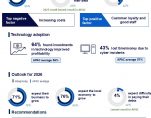
Hong Kong SMEs have also strengthened their capability to invest in technology that delivers rapid improvements in profitability. In 2025, 64 per cent of SMEs reported that their technology investment in that year helped improve profitability, up from 59 per cent in 2024. Two in five Hong Kong SMEs invested in artificial intelligence (AI) last year, making it the leading technology investment among local SMEs, followed by customer relationship management (CRM) software.
At the same time, cyber protection has improved, with the share of Hong Kong businesses reporting losses from cyber incidents falling sharply from 72 per cent in 2024 to 43 per cent in 2025. However, as digitalisation accelerates, cyber risks remain elevated, with nearly three in five SMEs expecting to face cyber threats this year, above the survey average 42 per cent.
Mr Davy Leung, Deputy Chairperson of CPA Australia’s SME and Entrepreneurship Committee of Greater China, said the growing maturity and availability of AI tools is helping SMEs enhance productivity, reduce operating costs and improve customer experience.
(Left) Mr Davy Leung, Deputy Chairperson of SME and Entrepreneurship Committee 2026 from CPA Australia (Right) Mr Cliff Ip Greater China Divisional Councillor 2025 from CPA Australia
“However, rising digital fraud, wider AI adoption and SMEs’ increasing reliance on digital banking have prompted the Hong Kong Government to significantly strengthen banking security and cybersecurity resilience over the past year. This includes the rollout of low-cost and practical initiatives such as the Cybersec One Programme and the continued implementation of the ‘9+5’ SME support measures. The decline of cyberattack-related losses reported in the survey in part reflects the effectiveness of these measures.
“As cybersecurity threats and digital fraud risks continue to escalate, SMEs should make better use of these available resources, including free website risk assessments and vulnerability identification services, to strengthen their defence capabilities and safeguard business operations.”
Mr Leung also suggested that the Government consider revamping the Technology Voucher Programme to support broader digitalisation efforts, including the adoption of both AI and non-AI technologies. He added that enhanced training support would help SMEs identify and implement modern tools to drive innovation, improve efficiency and strengthen long-term competitiveness.
Rising costs remain a key challenge for Hong Kong SMEs in 2025, with 29 per cent reporting it having a negative impact on their business. However, this was the second‑lowest level among all surveyed markets, underscoring Hong Kong’s relatively low inflationary environment last year. Notably, the share of SMEs citing staff costs as a negative factor rose from 35 per cent to 42 per cent, making it the most significant cost pressure for Hong Kong businesses in 2025. This increase may help explain why the proportion of SMEs hiring additional staff declined from 42 per cent to 38 per cent last year.
Mr Leung said, “Increasing costs remain a significant barrier for many SMEs across Asia‑Pacific region, but Hong Kong’s relatively low inflation has helped cushion the impact on local small businesses,” Mr Leung said.
Mr Leung added that while headcount growth has moderated, overall staff costs have continued to rise as businesses invest in higher‑value talent. “Greater digitalisation and automation have helped ease labour constraints in Hong Kong. When SMEs do add staff, they are increasingly recruiting employees with digital and AI capabilities, or creating new roles to support business transformation. These positions typically command higher salaries, which has contributed to higher overall staff costs despite slower hiring growth.”
The annual survey collected the views of 4,166 small businesses across 11 Asia-Pacific markets, including Singapore, the Chinese Mainland, and Australia, with 305 respondents from Hong Kong. Hashtag: #CPAAustralia
The issuer is solely responsible for the content of this announcement.
About CPA Australia
CPA Australia is Australia’s leading professional accounting body and one of the largest in the world. We have more than 176,000 members in over 100 countries and regions. Our core services include education, training, technical support and advocacy. CPA Australia provides thought leadership on local, national and international issues affecting the accounting profession and public interest. We engage with governments, regulators and industries to advocate policies that stimulate sustainable economic growth and have positive business and public outcomes. A CPA is a Certified Practising Accountant. More at cpaaustralia.com.au
Innovative insurance solutions to address the growing demand for wealth appreciation and management services
MACAU SAR – Media OutReach Newswire – 23 April 2026 – Banco Well Link, S.A. (“Well Link Bank”) and FWD Macau (“FWD”) today announced a bancassurance partnership in Macau, marked by an official launch ceremony. The collaboration enables Well Link Bank to offer a broader range of insurance products and services to customers in Macau, including high‑net‑worth individuals, further strengthening the Bank’s wealth proposition. Leveraging Well Link Bank’s strong client base and extensive branch network in Macau, together with FWD’s customer-led and tech-enabled approach, the partnership will deliver cutting-edge insurance solutions and more convenient experiences for Macau residents and visitors, supporting customers in achieving their wealth appreciation and legacy planning goals.
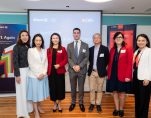
Well Link Bank and FWD Macau announce the signing of a bancassurance partnership agreement in Macau, introducing innovative insurance solutions to address customers’ needs for wealth appreciation and management services. (From left to right) Aileen He, Retail Banking Senior Director, Well Link Bank ; Grace Tang, Vice President, Well Link Bank; Betty Chu, Executive Director Vice President, Well Link Bank; Huang Ruisheng, Executive Director and CEO, Well Link Bank; Ken Lau, Managing Director of Greater China and Hong Kong Chief Executive Officer, FWD ;Abby Chu, Head of Bancassurance and Vice President, FWD; Jason Wong, Head of Macau and Assistant Vice President, FWD; Jeri Lau, Senior Director of Strategic Partnerships, Bancassurance, FWD Hong Kong
This year marks Well Link Bank’s 30th anniversary and FWD Macau’s 26th, underscoring both companies’ longstanding commitment to excellence in wealth management. Through consistently delivering professional, high-quality products and services, the two companies continue to create value for customers and steer market development.
Huang Ruisheng, Executive Director and CEO, Well Link Bank, said: “Well Link Bank is committed to providing diversified and forward-looking wealth management solutions in Macau. Establishing this bancassurance partnership with FWD Macau is a significant milestone in our wealth management roadmap. We firmly believe that through close collaboration that leverages the Bank’s strong local customer network and FWD’s strengths in product innovation and technology, we can deliver more personalised and effective insurance solutions with higher growth potential. Looking ahead, Well Link Bank will continue to harness innovation and professional expertise to contribute to Macau’s diversified economic growth and the prosperity of its financial market.”
Ken Lau, Managing Director of Greater China and Hong Kong Chief Executive Officer, FWD, said: “FWD Macau is delighted to establish this bancassurance partnership with Well Link Bank in Macau. By combining the professional edge and corporate strength of both companies, we are committed to changing the way people feel about insurance in the Macau market. We look forward to working closely with Well Link Bank to help customers achieve their wealth appreciation and legacy planning goals through FWD’s prudent, customer-led insurance solutions, thereby creating long-term value. This partnership not only enhances our product distribution capabilities but also represents an important step in expanding our footprint in Macau and with Macau visitors.”
The issuer is solely responsible for the content of this announcement.
About Well Link Bank
Banco Well Link, S.A. (hereinafter referred to as WLB) is a fully licensed commercial bank registered in Macao. Upholding the “bridge” spirit, WLB is committed to serve as a bridge to success for clients, serves enterprises and individuals, promotes the country’s development and contributes to our mutual benefit society.
WLB unceasingly strengthens its technology leadership, enhancing the capability to offer comprehensive services to customers through optimization of financial technology, making full use of its advantages of featured finance and professional services, and mapping a financial ecology. WLB, acting as an inclusive finance practitioner, devotes itself to small and medium customers and personal consumption operations.
WLB’s products and services include: Savings Deposit & Time Deposit, Transfer, Credit Card & Debit Card, Personal Loan; Services by channels: ATM, STM, Mobile Banking and Online Account Opening; Personal Banking services: Well Link Securities Service, Insurance Agency, Payroll Service and Tax Rebate.
For more information about Well Link Bank, please visit the Bank’s website at https://www.wlbank.com.mo/.
About FWD Macau
FWD Macau is part of the FWD Group (1828.HK), a pan-Asian life and health insurance business that serves more than 38 million customers across 10 markets, including BRI Life in Indonesia. FWD Macau provides a suite of life and medical insurance products.
FWD’s customer-led and tech-enabled approach aims to deliver innovative propositions, easy-to-understand products and a simpler insurance experience. Established in 2013, the company operates in some of the fastest-growing insurance markets in the world with a vision of changing the way people feel about insurance. FWD Group is listed on the main board of the Hong Kong Stock Exchange under the stock code 1828.
For more information about FWD Macau, please visit www.fwd.com.mo.
Arabian Post Staff -Dubai Masdar and Montenegro’s state power utility Elektroprivreda Crne Gore have agreed to create a 50-50 joint venture to develop large-scale renewable energy projects, giving the Adriatic country a fresh route to expand domestic generation, strengthen energy security and position itself as a supplier of cleaner electricity to neighbouring markets in the Balkans and southern Europe. The agreement was signed on 22 April […]
Allianz Trade and DBS Hong Kong brief businesses on evolving geopolitical trade risks and the critical need for granular liquidity visibility.
HONG KONG SAR – Media OutReach Newswire – 23 April 2026 – One year after the US Liberation Day, tariffs continue to disrupt global trade and supply chains while many economies and corporates still struggle to find their footing. The broke out of the Middle East conflict has compounded on the effect by driving lower global GDP growth (+2.6% in 2026), higher global inflation (4.3% in 2026) and stronger fiscal pressure. Amid such highly uncertain times, Allianz Trade in Hong Kong partnered with DBS for an exclusive session where industry experts and thought leaders dissected into today’s shifting geopolitical landscape and heightened credit risks, and offered their views on trade opportunities in an increasingly fragmented world.
Management teams of Allianz Trade and DBS Hong Kong pose for a picture.
“The Middle East conflict has added a new layer of shocks to an already fragile environment shaped by tariffs, weakening demand and declining consumer confidence. The good news is that firms have taken operational steps to adapt since the trade war began, with the most common strategies including inventory building, market diversification, sourcing from new suppliers and rerouting through third markets. Asia Pacific has emerged as the clear structural beneficiary of supply chain realignment. Hong Kong, as a major trading and financing hub in the region, continues to play a pivotal role in facilitating trade and investment flows. Together with DBS, we are here to offer our combined intelligence and support to help companies achieve customer and market diversification, better risk selection, and providing them with confidence to trade and grow safely,” states Hassan Omaish, CEO for Hong Kong, South Korea and Taiwan at Allianz Trade.
Jolynn Wong, Managing Director and Head of Global Transaction Services, DBS Hong Kong, says, “We are witnessing a lengthening of cash collection cycles across sectors impacted by trade route and inventory disruptions, leading to a growing proportion of receivables held at extended tenors. In this climate of heightened volatility, the role of trade finance extends beyond mere credit extension; it must now assure corporates of timely critical cash flow realisation and enable strategic suppliers to maintain production amidst disruptions. Leveraging DBS Hong Kong’s robust capital and liquidity, we provide clients with the necessary extended tenors and contingent liquidity to navigate prolonged inventory and shipping cycles, thereby fortifying their resilience. By integrating guarantees, letters of credit, credit insurance, and treasury hedging into a unified architecture through our digital platforms, we empower clients to transform volatile receivables into reliable cash flows and turn disruptions into investable growth opportunities.”
Notes to editors: To gauge how global exporters fared through tariffs and the Middle East conflict, Allianz Trade recently published its flagship Global Survey, where 6,000 exporters across 13 countries were polled on their export performances over the past year, as well as outlook and coping strategies for the short- to medium-term. The Survey revealed that 75% of exporters expect positive export growth in 2026, which was much more optimistic than the 2025 tariff shock where expectations dropped by -40pp.
Allianz Trade Head of Economic Research Ana Boata.
“For now, the impact of the Middle East conflict seems moderate, but such level of optimism remains fragile and could quickly fade if the conflict drags on. Allianz Trade’s Global Survey revealed that geopolitical and political risks are the leading threat globally for corporates (65%), while supply-related issues, such as bankruptcy of suppliers and shortage of inputs, came at second place (57%). The Middle East conflict has also tightened trade finance conditions. Not only payment cycles are lengthening, 43% of companies expect payment terms to deteriorate further. Pharmaceuticals, construction and computers/telecom are the most exposed sectors, while larger companies face disproportionately longer payment cycles,” says Ana Boata, Head of Economic Research at Allianz Trade.
The issuer is solely responsible for the content of this announcement.
About Allianz Trade
Allianz Trade is the global leader in trade credit insurance and a recognized specialist in the areas of surety, collections, structured trade credit and political risk. Our proprietary intelligence network is based on instant access to data of 289 million corporates. We give companies the confidence to trade by securing their payments. We compensate your company in the event of a bad debt, but more importantly, we help you avoid bad debt in the first place. Whenever we provide trade credit insurance or other finance solutions, our priority is predictive protection. But, when the unexpected arrives, our AA credit rating means we have the resources, backed by Allianz to provide compensation to maintain your business. Headquartered in Paris, Allianz Trade is present in over 40 countries with 5,900 employees. In 2025, our consolidated turnover was EUR4 billion and insured global business transactions represented EUR1,400 billion in exposure. For more information, please visit allianz-trade.com.
About DBS
DBS is a leading financial services group in Asia with a presence in 19 markets. Headquartered and listed in Singapore, DBS is in the three key Asian axes of growth: Greater China, Southeast Asia and South Asia. The bank’s “AA-” and “Aa1” credit ratings are among the highest in the world.
DBS provides a full range of services in consumer, SME and corporate banking. As a bank born and bred in Asia, DBS understands the intricacies of doing business in the region’s most dynamic markets.
DBS is committed to building lasting relationships with customers, as it banks the Asian way. Through the DBS Foundation, the bank creates impact beyond banking by uplifting lives and livelihoods of those in need. It provides essential needs to the underprivileged, and fosters inclusion by equipping the underserved with financial and digital literacy skills. It also nurtures innovative social enterprises that create positive impact.
With its extensive network of operations in Asia and emphasis on engaging and empowering its staff, DBS presents exciting career opportunities. For more information, please visit www.dbs.com.
Philippine lawmakers widened their impeachment inquiry into Vice President Sara Duterte on Tuesday by pulling her Statements of Assets, Liabilities and Net Worth, bank-related records and other financial documents into a deeper examination of whether her declared wealth and reported transactions match what public officials are required to disclose. The move sharpens one of the most politically charged cases in the country, with the House justice committee […]
Parody outlet The Onion has unveiled a fresh attempt to take control of Infowars, recasting a long-running legal and commercial fight over Alex Jones’s media platform into a new phase driven by state-court liquidation rather than the failed bankruptcy auction that stalled the deal in late 2024. The latest proposal, filed in Texas, would give The Onion an exclusive temporary licence over key Infowars intellectual property while […]
ORDOS, CHINA – Media OutReach Newswire – 22 April 2026 – On April 20, 2026, a new batch of watermelon seedlings was transplanted in the greenhouses within the reclamation area of Minda Coal Mine, located in Dongsheng District, Ordos, Inner Mongolia. This open-pit coal mine has an annual production capacity of 8 million tons.
In late spring, workers in the coal mine reclamation greenhouses actively plant seedlings to make the most of the farming season.
This scene is not from a typical ecological farm’s spring planting but represents a significant transformation taking place within a traditional coal enterprise.
Minda Coal Mine is the largest open-pit mine in Dongsheng District, producing up to 8 million tons of coal annually. Just a few hundred meters away, mining operations continue as usual; meanwhile, on the other side, 300 greenhouses flourish all year round, and the livestock area produces 6,000 pigs, 2,000 heads of cattle, 4,000 sheep, and 10,000 chickens annually.
This transformation began in 2018. Initially, the goal was simple: to provide mine workers with safe, locally produced vegetables and meat. Seven years later, this integrated “planting and breeding circular chain” has achieved tangible economic results. In 2025, the agricultural output value reached 12 million yuan, benefiting 150 farming households in Tongchuan Town, with each household seeing an average annual income increase of 30,000 yuan. The ecological supermarket in Toudao Lane, Dongsheng District, which opened just five months ago, now serves approximately 300 customers daily, with daily sales exceeding 10,000 yuan.
The challenges here extend beyond deciding what to plant.
Situated on the Ordos Plateau, Minda Coal Mine experiences less than 400 millimeters of annual rainfall, with drought occurring nine years out of ten. The reclamation area initially consisted largely of stripped rock and soil, with organic matter content as low as 0.2%. To address this, the mine invested 150 million yuan to construct 11 water storage ponds that collect rainwater from slopes, roads, and rooftops, creating a “rainwater bank” with a total capacity of 5,000 cubic meters, achieving 100% utilization of collected rainwater. Soil quality was enhanced through screening, backfilling, and the application of biological fertilizers, increasing the organic matter content across 14,000 mu of reclaimed land from 0.2% to 1.5%.
In the reclamation area, rows of chicken coops are neatly arranged, with tens of thousands of free-range ecological chickens roaming freely.
“Coal will eventually run out, but the land must be preserved for future generations.” A statement from the head of Minda Coal Mine highlights a long-term challenge faced by resource-dependent regions.
Currently, Dongsheng District has achieved an 87% green mine certification rate, completed reclamation greening of 820 hectares, and manages 1,525 hectares of goaf areas. New industries such as sea buckthorn cultivation, photovoltaics, agriculture, and animal husbandry have been established in the reclamation area. Where coal mining once accounted for 90% of income, ecological agriculture now contributes 18%, with projections of an increase to 35% by 2027. Plans are underway for slaughterhouses, food processing plants, feed factories, fertilizer plants, and breeding bases.
From coal mining to farming, from the “rainwater bank” to supermarket shelves, the spring of 2026 at Minda Coal Mine offers a promising answer to a common question in China’s resource-based regions: after underground resources are depleted, how can above-ground advantages be sustainably leveraged? Hashtag: #DongshengDistrictIntegratedMediaCenter
The issuer is solely responsible for the content of this announcement.
Arabian Post Staff -Dubai Abu Dhabi has stepped up its push to place more Emiratis in banking, finance and insurance, with the Central Bank of the UAE saying the sector’s Emiratisation programme outperformed its 2025 target and moved beyond entry-level hiring towards strategic and specialised roles. The latest official update said the “Ethraa” programme reached 160% of its 2025 goal, building on a strong 2024 performance and […]
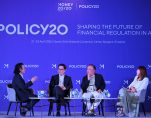
BANGKOK, THAILAND – Media OutReach Newswire – 22 April 2026 – Money20/20, the world’s leading fintech show and the place where money does business, is hosting Policy20 as part of Money20/20 Asia in Bangkok happening on April 21-23 at the Queen Sirikit National Convention Center. Policy20 brings together over 80 leading policymakers, regulators, and industry leaders from all across Asia. The summit addresses the rapid convergence of technology, finance, and regulation, and the urgent need for collaborative approaches to navigate this evolving landscape.
A key highlight of the programme was a closed-door Governors’ and Chairs’ Strategic Roundtable on “Sovereign Intelligence,” where senior policy leaders, financial regulators, and central bank governors convened under Chatham House Rule to address the challenge of maintaining national policy autonomy in an era of AI and digital finance.
The session reached consensus on three strategic pillars:
Sovereignty via Strategic Standards: National policy autonomy is best protected through proactive participation in global standards, ensuring our regional values are embedded in the code of the next financial system.
Harmonised Resilience: The future of cross-border financial rails must be built on shared governance protocols that also respect national priorities.
Proactive Oversight: There is a sense of commitment to moving to “Intelligence-Led Governance,” leveraging the same AI and real-time data tools we oversee to safeguard our national financial health.
Ian Fong, VP of Content – Asia, Money20/20, said: “Today’s consensus signals that the region’s policy and regulatory leaders are moving from observation to production-grade governance. They are not just managing technology; they are defining the blueprint for how sovereign intelligence will safeguard the future of global finance.”
The Shift to Co-Creation & Trust
A dominant theme emerging from Policy20: the future of financial systems in Asia will be built not just on innovation, but on trust, collaboration, and intelligent infrastructure.
One of the most striking insights was the industry-wide shift from traditional regulatory models toward co-creation. Regulators are increasingly positioning themselves as enablers rather than enforcers, working alongside the private sector to design frameworks that evolve in real time with technological advancements. This marks a fundamental move away from static, compliance-led approaches toward dynamic, partnership-driven regulation.
At the same time, trust has become the cornerstone of financial innovation. As digital ecosystems expand, trust is derived from transparent systems, strong governance, and regulatory alignment, particularly as AI and digital assets continue to outpace traditional regulatory cycles.
Infrastructure with Purpose
The discussions also highlighted that innovation without usability is problematic. Discussion points centered on the idea that true financial inclusion in Asia depends on intelligent infrastructure, systems that are not just accessible, but intuitive and affordable enough to remove friction for underserved populations at scale.
A Multi-Rail Future
Looking ahead, Policy20 experts outlined a multi-rail financial ecosystem where tokenised deposits, stablecoins, and traditional banking coexist. The takeaway was clear: the future is not about one dominant model, but achieving seamless interoperability, through shared cross-border standards and frameworks.
Scale vs. Safety
Ultimately, the discussions underscored a regional commitment to balancing speed with safety. While innovation is accelerating, regulators and industry players alike emphasised that growth must not come at the expense of consumer protection, financial stability, or accountability. There was a strong agreement that meaningful adoption, not just access, has become the ultimate measure of success, with a focus on whether financial innovation is genuinely improving lives.
As Policy20 continues, one message is clear: Asia is no longer just adapting to the digital age; it is defining the global blueprint for responsible regulation.
Hashtag: #money20/20 #fintech #bangkok
The issuer is solely responsible for the content of this announcement.
A software platform traced to Belarus has been identified as a key enabler of a sprawling SIM-farm ecosystem that investigators say is helping cybercriminal operations run at scale across multiple continents. The platform, known as ProxySmart, was linked to at least 94 SIM-farm locations in 17 countries, with researchers identifying 87 exposed instances of its control panel across 24 proxy providers and 35 mobile carriers. The findings […]



 https://smeloan.sg/
 https://sg.linkedin.com/company/linkflow-capital-pte-ltd
 https://www.facebook.com/LinkflowSG/
 https://www.instagram.com/linkflow_capital/