News related to
Bank

Every bull market has its blind spots. There comes a point in every economic cycle when optimism feels effortless, when valuations stretch, and when extraordinary developments start to look normal. Only later, with the benefit of hindsight, do we realise which signals were genuine warnings. Today, investors are once again wrestling with that question. Global equities are trading near record highs, liquidity is returning as US interest […]

ASTANA, KAZAKHSTAN – Media OutReach Newswire – 12 November 2025 – UnionPay International (UPI) announced its first-ever partnership with Kaspi, the second-largest bank in Kazakhstan, enabling all ATMs and contactless POS terminals of Kaspi to accept UnionPay cards with multiple payment methods including card insertion and QuickPass tapping. This collaboration elevates UnionPay’s acceptance rate to nearly 100% for POS terminals and 90% for ATMs across Kazakhstan, with […]

A vast data trove compiled by threat-intelligence firm Synthient has brought to light that 1.95 billion unique email addresses and approximately 1.3 billion passwords were exposed in credential-stuffing lists drawn from multiple underground sources. The corpus, now indexed by Have I Been Pwned, signals an escalation in the reuse-of-credentials risk by cyber-attackers targeting cross-platform logins. The aggregation effort by Synthient captured data embedded in previously breached credential […]

JPMorgan has unveiled its blockchain-based deposit token, JPM Coin, aimed at enhancing the efficiency of cross-border payments for its institutional clients. This move is seen as a significant step forward in the bank’s ongoing efforts to integrate blockchain technology into mainstream finance, expanding its digital asset offerings.

The launch of JPM Coin follows years of research and development into blockchain’s potential to streamline financial transactions. JPMorgan has long been a proponent of blockchain’s transformative capabilities, initially launching the token as part of a pilot programme in 2019. Now, the bank has rolled out JPM Coin more broadly, offering institutional clients an innovative method to transfer U. S. dollar deposits securely and quickly across borders.

JPMorgan’s new service allows clients to transfer money using blockchain, reducing the friction and cost often associated with international payments. Blockchain’s real-time settlement capabilities make the process faster and more transparent, minimising the risk of human error and the complexities of traditional payment systems. JPM Coin will primarily be used by major institutional clients, including corporations, banks, and government entities, allowing them to transact more efficiently without relying on conventional financial infrastructure.

The use of JPM Coin signifies the growing interest in blockchain-based financial solutions among large-scale institutional clients. The token allows these clients to send payments instantly, avoiding the delays associated with traditional banking systems. Furthermore, the blockchain’s inherent security features help protect against fraud and reduce the need for third-party intermediaries.

JPMorgan’s blockchain offering is part of a broader trend where traditional financial institutions are gradually adopting digital currencies and distributed ledger technologies. The bank’s move also aligns with increasing regulatory scrutiny surrounding cryptocurrencies and the growing demand for digital solutions in financial markets. While JPM Coin is designed specifically for institutional clients, the wider implications for the financial sector are evident. As digital currencies gain traction, more banks are likely to explore blockchain technology’s potential to enhance financial services.

Notably, JPMorgan has been a pioneer in institutional adoption of blockchain, having previously launched its own blockchain platform, Liink, for facilitating faster, more transparent transactions. Liink, like JPM Coin, operates on a permissioned blockchain and is designed to cater to the needs of global financial institutions, offering faster payment settlements and reduced costs compared to traditional systems.

The introduction of JPM Coin follows a string of similar innovations by other global financial institutions, as banks increasingly seek ways to harness blockchain’s advantages to improve payment speed, reduce costs, and enhance security. While JPM Coin currently operates exclusively in U. S. dollars, its potential for future integration into other currencies could further expand its use cases in global financial markets.

The development and adoption of JPM Coin signal the bank’s belief in blockchain as an essential technology for modernising financial infrastructure. As a major player in global finance, JPMorgan’s embrace of this technology is expected to have a ripple effect throughout the industry, spurring further investment in blockchain projects by other financial institutions.

However, the move is not without its challenges. While JPM Coin offers substantial benefits, including cost savings and faster transactions, it also raises questions about the role of traditional banking institutions in the future of digital currencies. The launch of JPM Coin puts JPMorgan at the forefront of an evolving digital payments landscape but also invites scrutiny from regulators and policymakers concerned about the risks associated with blockchain-based financial products.


Tether Holdings SA has made a strategic move to strengthen its position in the bullion market by recruiting two of the top precious metals traders from HSBC Holdings Plc. The hiring of these senior traders marks a significant expansion for the stablecoin giant as it seeks to build a massive gold reserve, positioning itself to compete with established players in the global gold market.

Tether, which has long been a dominant player in the world of cryptocurrencies, has now set its sights on the precious metals sector. The company, best known for its cryptocurrency Tether, aims to use its considerable financial resources to develop a large gold reserve. This move is part of a broader strategy to diversify its portfolio and hedge against the volatility of cryptocurrency markets by backing its stablecoin with tangible assets like gold.

The hiring of HSBC’s former head of precious metals trading and a senior gold trader comes at a time when the intersection of traditional finance and digital assets is becoming more pronounced. These high-level hires are expected to bring their decades of experience and expertise in managing complex gold trading strategies to Tether, bolstering its efforts to create a strong foundation for its gold-backed stablecoin initiative.

Tether’s entry into the gold market reflects a growing trend of digital asset companies seeking to broaden their scope beyond cryptocurrencies and into more traditional forms of value storage. Gold, often seen as a safe-haven asset, has become an attractive option for companies looking to hedge against the fluctuations in the cryptocurrency market. Tether’s ambitious plans could significantly disrupt the bullion market, traditionally dominated by large financial institutions and central banks.

The company’s move to hire HSBC’s top traders is part of a broader effort to leverage its existing infrastructure and financial clout to compete directly with long-established players in the gold industry. Tether’s deep pockets and the growing interest in digital assets make it a formidable challenger to traditional gold trading institutions.

Industry insiders believe that Tether’s strategy could reshape the dynamics of both the gold market and the wider cryptocurrency landscape. By securing a stable and liquid gold-backed stablecoin, Tether could potentially offer greater transparency and security to investors looking for an alternative to volatile fiat currencies or digital tokens. This new direction for Tether could also open the door for other cryptocurrency firms to explore similar initiatives in the commodities space, creating a new era of hybrid financial instruments.

As Tether continues to expand its reach into the gold market, it faces challenges from both traditional financial entities and regulatory bodies. While gold-backed stablecoins are not new, Tether’s scale and financial strength could pose a serious threat to established players. The involvement of high-profile traders with extensive experience in gold markets could give Tether the upper hand in securing a prominent position in this space.

The move comes as Tether faces increasing scrutiny from regulators and critics who have questioned the company’s ability to maintain the peg of its stablecoin with the US dollar. Diversifying into gold may help Tether address some of these concerns by adding a physical asset that can serve as a store of value. Additionally, this strategic decision aligns with Tether’s ongoing efforts to build a more resilient and diversified financial ecosystem that can withstand potential disruptions in the crypto market.

SoftBank Group has completed the sale of its entire stake in Nvidia, raising $5.83 billion as part of a broader strategy to shift its investments towards artificial intelligence, particularly in its backing of OpenAI. This decision, marking the end of SoftBank’s position in the semiconductor giant, is a bold pivot as the Japanese conglomerate seeks to maximise its involvement in the rapidly growing AI sector. The sale […]

Bitcoin’s price surge has surpassed $104,000, prompting widespread speculation over whether it is time to short the cryptocurrency. The latest surge represents a significant milestone for the digital asset, which has witnessed a dramatic increase in value over the past several months. This rise has ignited a range of reactions from investors and analysts alike, with some seeing it as a peak and others believing it is the beginning of a new upward trend.

Bitcoin’s journey to this point has been characterised by volatility, but the rise to $104,000 has brought it to the forefront of market discussions. This latest price level is viewed by some as a sign of continued bullish momentum, especially given the strong demand from institutional investors and increasing mainstream acceptance of cryptocurrencies. However, the steep climb has also prompted concerns about the sustainability of the rally.

For those closely monitoring the cryptocurrency markets, this price point raises critical questions. Is Bitcoin’s surge a bubble, or is it the start of a long-term bullish trend? The volatility of Bitcoin is not new, but its recent surge has magnified the debate between those advocating for holding and those seeing the potential for a market correction.

The growing influence of institutional investors has undeniably shaped Bitcoin’s price trajectory. Major financial institutions, including banks and investment firms, have increasingly integrated Bitcoin and other cryptocurrencies into their portfolios. This influx of institutional capital is often cited as a key driver behind the latest surge in prices. Additionally, the broader economic environment, including inflation concerns and fears about traditional investment vehicles, has led many to view Bitcoin as a hedge against fiat currency depreciation.

However, Bitcoin’s price movements also come amid regulatory challenges, with governments around the world grappling with how to approach cryptocurrencies. In some jurisdictions, stricter regulatory measures could have an adverse effect on prices, especially if there are significant clampdowns on mining or trading activity. The regulatory landscape continues to evolve, adding an additional layer of uncertainty for investors.

The question of whether this is the time to short Bitcoin arises from the observation that the cryptocurrency market often experiences extreme price fluctuations. The potential for a significant pullback after such a rapid increase in value cannot be overlooked. Bitcoin’s past behaviour shows that it has often experienced large corrections following major rallies. This pattern has led many traders to consider shorting the cryptocurrency, betting that its value could drop in the near term.

While shorting Bitcoin can be a lucrative strategy in some market conditions, it also carries considerable risk. Short sellers who misjudge the market could face substantial losses, particularly given the unpredictable nature of cryptocurrency prices. As such, some experts caution against betting against Bitcoin, arguing that the long-term outlook for the cryptocurrency remains strong due to its growing adoption and integration into the financial system.

For those wary of shorting, the more conservative approach would be to take a wait-and-see stance, monitoring the market’s movements for signs of a correction or continuation of the bullish trend. Some investors believe that Bitcoin’s price will stabilise at this new level before embarking on another leg of growth.

Looking beyond the immediate future, the broader trends within the cryptocurrency market also provide some context for Bitcoin’s performance. Innovations in blockchain technology, the rise of decentralised finance, and increasing use cases for digital currencies in various sectors all point towards a growing role for cryptocurrencies in the global economy. This could contribute to a long-term uptrend for Bitcoin, making it a less likely candidate for a sharp price reversal.

Advertisements

SoFi has achieved a significant milestone in the world of financial services, becoming the first nationally chartered bank in the United States to introduce cryptocurrency trading, including Bitcoin. This development positions the company as a key player in bridging traditional banking with the expanding digital currency market.

The move allows SoFi’s customers to buy, sell, and hold cryptocurrencies directly through their existing accounts, enhancing the platform’s appeal as a one-stop-shop for financial services. This shift comes amid growing demand for crypto investments, particularly as more consumers seek alternatives to traditional investments in stocks and bonds.

With the new crypto offering, SoFi customers will have the ability to trade a variety of digital assets, starting with Bitcoin. The platform also plans to expand its range to include other major cryptocurrencies such as Ethereum in the near future. SoFi’s seamless integration of crypto trading with its other services, including personal loans, mortgages, and investing, aims to simplify the crypto experience for users who are new to the digital asset space.

This landmark move also signals a growing acceptance of digital currencies within mainstream financial institutions, traditionally hesitant about embracing the volatile market. SoFi’s decision to allow crypto trading comes at a time when other financial services companies are cautiously exploring similar offerings. Many banks and payment companies are entering the crypto space, but SoFi stands out as the first to secure national banking status and roll out a comprehensive crypto trading service.

The firm, which already holds a charter as a savings and loan institution under the supervision of the Office of the Comptroller of the Currency, secured approval from the regulatory body to add crypto trading to its list of services. This approval was seen as a crucial step in the broader trend of regulatory authorities gradually adapting to the rapid growth of the cryptocurrency sector.

SoFi’s expansion into cryptocurrency trading also aligns with the broader trend of increased institutional interest in digital currencies. Over the past few years, various asset management firms and banks have slowly begun offering crypto-related services to their customers, albeit cautiously. SoFi’s move to offer crypto trading through a fully regulated bank platform could catalyse further innovation in the sector, prompting other financial institutions to follow suit.

While this development represents a win for SoFi, it also raises questions about the future of traditional banking as the line between conventional and digital finance continues to blur. As digital currencies gain traction, banks and financial institutions will need to adopt increasingly flexible approaches to remain competitive. SoFi’s move reflects its strategy to capture the younger, tech-savvy demographic that is more inclined to explore digital currencies and alternative investments.

The introduction of crypto trading by SoFi also opens up opportunities for the firm to expand its revenue streams. With the growing popularity of cryptocurrencies, companies that offer crypto services have seen significant growth in customer acquisition and engagement. SoFi’s vast user base, which includes millennials and Generation Z, could see increased activity on the platform, potentially boosting its financial performance in the coming quarters.

However, the regulatory landscape surrounding cryptocurrencies remains a concern. Despite increasing adoption, regulators continue to grapple with how to effectively oversee the space. This includes determining the appropriate level of consumer protection, tax implications, and how to mitigate potential illegal activities associated with digital currencies. SoFi’s decision to offer crypto trading within a regulated environment could provide some reassurance to customers concerned about the risks of engaging in the volatile crypto market.

Crescent Enterprises, a prominent UAE-based conglomerate, has announced a bold investment plan amounting to AED 1 billion in the Gulf Cooperation Council, India, and Southeast Asia over the next three years. The initiative, spearheaded through the company’s strategic platform, CE-Invests, is aimed at acquiring minority stakes in mid-market businesses across various high-growth sectors, such as consumer goods, healthcare, manufacturing, and financial services. The company’s move is rooted […]

The GCC bond market has seen a significant uptick in activity this week, as borrowers capitalise on advantageous financial conditions. With borrowing costs narrowing to exceptionally tight levels, issuers from various sectors have eagerly entered the market, resulting in a diverse range of mandates. A total of nine mandates were launched, spanning sovereigns, banks, and corporations. The focus of most issuers was on subordinated US dollar instruments, […]

The Bank of England has announced a new policy restricting the amount of stablecoins that individuals and businesses can hold in the country, setting a cap of £20,000. The move comes as part of broader efforts to regulate the rapidly evolving digital currency market, ensuring financial stability while fostering innovation in the fintech sector.

The Bank’s decision follows months of discussions and consultations with financial experts and market participants. It aims to address the increasing popularity of stablecoins, digital currencies pegged to traditional assets such as the British pound or US dollar. While stablecoins are generally considered less volatile than other cryptocurrencies, their rapid growth has raised concerns over potential risks to the broader financial system.

This new regulation is expected to apply to both domestic and international users of stablecoins operating within the UK. It will limit the amount of stablecoins that can be held or transacted by any single entity or individual to £20,000, a figure designed to reduce the systemic risks posed by large, unregulated digital assets in the UK economy.

Stablecoins, which have been touted as a bridge between traditional finance and the world of digital currencies, have gained traction in recent years. However, central banks have been cautious about their potential to destabilise financial markets. The Bank of England’s intervention reflects a growing global trend towards regulating the digital asset space, with governments and central banks around the world striving to balance innovation with risk management.

For many, the £20,000 limit is seen as a precautionary measure rather than a significant hurdle. Advocates for digital currencies argue that such regulations may stifle innovation, particularly for businesses looking to integrate blockchain technology into their operations. However, the Bank of England has insisted that the measure is necessary to safeguard financial integrity and protect consumers from potential losses in a volatile market.

The UK government has also made strides in providing clearer guidelines for the treatment of cryptocurrencies and other digital assets. In recent months, the government has introduced draft legislation aimed at improving the transparency of crypto markets and creating a regulatory framework for their use. The UK’s proactive stance towards regulating stablecoins and other digital assets is part of a broader ambition to become a global leader in financial technology, or “fintech.”

While the Bank of England’s move is a step toward ensuring the stability of the financial sector, it is unlikely to be the last word on digital currency regulation. As the stablecoin market continues to grow and evolve, further policy adjustments may be necessary to address emerging risks and opportunities. The international nature of digital assets also presents a challenge for regulators, who must work together to ensure that these digital currencies do not undermine the stability of the global financial system.

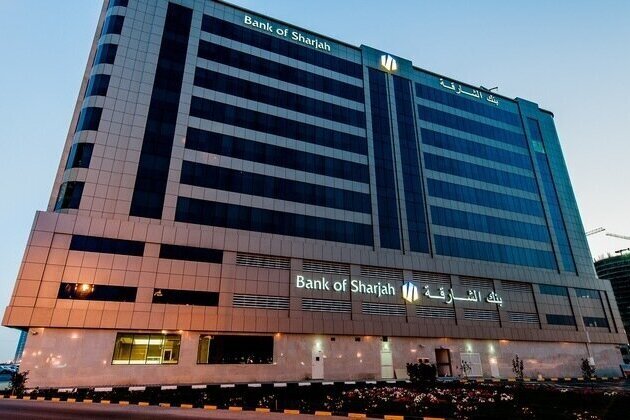
Bank of Sharjah played a key role in Ittihad International Investment LLC’s latest financing success, serving as Joint Lead Manager and Bookrunner in a US$550 million senior unsecured Sukuk issuance. The five-year bond offering attracted overwhelming investor interest, with the order book oversubscribed more than four times, peaking at US$2 billion. This level of demand highlights the strong confidence investors have in Ittihad International’s financial health and future growth prospects.

The Sukuk issuance represents a major milestone for Ittihad International Investment LLC, a prominent UAE-based investment group. With a focus on diversified investments across various sectors, Ittihad International has consistently shown its ability to adapt to market changes and maintain robust financial fundamentals. The success of the Sukuk offering is a clear reflection of the group’s strategic vision, which continues to resonate well with both regional and international investors.

The issuance attracted a diverse mix of institutional investors, including sovereign wealth funds, banks, and asset managers from across the globe. The appetite for the bond offering was not only driven by Ittihad’s strong credit profile but also by the stability and potential growth of the UAE’s economy, which remains a key driver for investment in the region. The overwhelming demand for the Sukuk underscores the high level of trust investors place in Ittihad’s long-term business strategies.

This successful transaction is a significant achievement for Bank of Sharjah, which has built a strong reputation in the financial sector for its role in leading major capital market deals in the region. The bank’s involvement as Joint Lead Manager and Bookrunner further solidifies its position as a leading financial institution in the UAE and the broader Middle Eastern market. Bank of Sharjah’s role in this high-profile Sukuk offering is seen as an endorsement of its deep understanding of regional markets and its ability to facilitate complex transactions for clients in a competitive environment.

The Sukuk, which is based on a Sharia-compliant structure, offers investors an attractive return while supporting Ittihad International’s strategic initiatives. The proceeds from the issuance are expected to be used for general corporate purposes, which include financing new investments and expanding the company’s portfolio in the UAE and beyond. The success of the transaction is a testament to Ittihad’s ongoing efforts to strengthen its financial position and drive long-term value for its stakeholders.

The Sukuk market in the Middle East has been thriving in recent years, with increasing interest from both local and international investors in Islamic finance products. The demand for Sukuk remains strong due to the region’s large and growing investor base, as well as the broader appeal of Sharia-compliant financial instruments. The Ittihad Sukuk transaction highlights the continued maturity of the Middle East’s debt capital markets and reinforces the role of Islamic finance in diversifying global investment opportunities.

The deal’s success also comes at a time when investor confidence in the UAE remains high, bolstered by the country’s continued economic recovery, business-friendly policies, and strong infrastructure development. These factors have contributed to the UAE’s attractiveness as a destination for both regional and international investors looking to capitalise on the country’s growth potential.

Consumer prices in China saw an unexpected increase in October, driven largely by heightened demand for travel, food, and transport during the holiday period. Official figures revealed that the consumer price index rose by 0.2%, surpassing analysts’ expectations. This marked a shift from the previous months when inflation had remained subdued, raising questions about the economic trajectory moving forward.

The data from the National Bureau of Statistics indicated that the uptick was primarily fueled by the surge in travel and food consumption associated with the Golden Week holiday, a week-long national event that encourages domestic tourism. Hotels, transport services, and restaurants saw increased patronage, pushing up prices in these sectors.

Notably, food prices were one of the key contributors to the overall rise in consumer prices. The cost of fresh vegetables, meat, and other staple goods experienced a spike, with pork prices seeing a particular increase due to seasonal fluctuations. China’s long-standing efforts to stabilize food prices have proven challenging in recent months, particularly in light of unpredictable weather patterns affecting crop yields. Despite these pressures, the overall CPI remains relatively low compared to other major global economies.

Alongside the rise in food prices, transportation costs also saw a marked increase, particularly for flights and long-distance travel, as the holiday season boosted demand. The transportation and hospitality sectors, both key drivers of the country’s service economy, showed positive signs of recovery as the nation continues its post-pandemic economic rebound. The surge in demand during Golden Week also contributed to the overall transportation cost increases.

Experts caution that while the CPI increase in October reflects an uptick in consumer spending, it may not necessarily signal a long-term trend. Many economists argue that the inflationary pressures witnessed in October were likely influenced by temporary factors linked to the holiday season, rather than a systemic inflationary shift. As consumer demand normalizes, inflation is expected to moderate.

China has been carefully monitoring its inflation levels, with officials keen to maintain price stability as the economy transitions from pandemic recovery to a more sustainable growth path. Despite the October surge, the government has largely maintained a cautious stance, aiming to avoid any drastic monetary policy changes. The People’s Bank of China has been wary of tightening policies too soon, opting instead to support the economy through more targeted interventions.

While inflationary concerns are on the radar, consumer confidence remains a vital aspect of China’s economic recovery. The government’s focus on stimulating domestic consumption, particularly in urban areas, plays a critical role in the broader economic strategy. As international trade faces challenges due to global uncertainties, domestic consumption is seen as a key pillar to maintain stable growth in the short to medium term.

The GCC bond market has experienced a surge in activity this week, with borrowers from various sectors seizing the opportunity to tap into favourable financial conditions. The tightening of borrowing costs has created a window of opportunity for sovereigns, banks, and corporations, leading to a total of nine mandates being issued.

The rush for capital comes at a time when borrowing costs have reached historically low levels. For many issuers, this represents an ideal moment to lock in cheap debt ahead of any potential future rate hikes. Among the most notable developments in this surge are the issuances of subordinated US dollar-denominated instruments, which have become increasingly popular among borrowers.

Sovereign issuers have been particularly active, with a mix of established and emerging players entering the market to raise funds for various development projects. These sovereign bonds are typically seen as safe investments, attracting strong interest from global investors. The preference for subordinated debt, which is ranked lower than senior debt in the event of default, reflects the confidence investors have in the region’s economic stability despite global uncertainties.

Banks, too, have been prominent participants in this market rally. With liquidity abundant, financial institutions have been eager to raise funds through bonds in order to strengthen their balance sheets and support lending activities. Several major GCC banks have launched bond issues, with a focus on long-term debt offerings to manage their refinancing needs and capital adequacy requirements.

Corporate borrowers, meanwhile, have been drawn to the bond market as a means of financing expansion and strategic initiatives. In particular, companies with strong credit ratings have capitalised on the tight borrowing conditions to secure funding at competitive rates. The demand for subordinated instruments has allowed corporates to issue debt with slightly higher yields, while still benefiting from the current low-rate environment.

One of the key drivers behind this bond market activity is the broader economic stability in the GCC region. Despite global challenges such as oil price volatility and geopolitical tensions, the region’s sovereign wealth funds and strong fiscal management have provided investors with confidence. Additionally, the implementation of economic diversification strategies across the Gulf States has helped bolster investor sentiment.

Another contributing factor is the continued strength of the US dollar, which is pegged to most of the GCC currencies. With the Federal Reserve maintaining its policy stance and the dollar remaining strong, issuers are able to tap into deep liquidity pools from global investors who are looking to park funds in stable currencies. As a result, demand for US dollar-denominated bonds from the GCC remains robust, particularly in the context of tightening global financial conditions.

The trend towards subordinated debt issuance has also been partly driven by investor demand for higher-yielding instruments, as investors seek returns in an otherwise low-interest-rate environment. Subordinated debt typically offers a higher yield due to its increased risk profile, making it attractive for investors seeking greater returns, especially as other asset classes provide limited growth.

Looking ahead, it is expected that this trend will continue in the short term as issuers capitalise on the current favourable market conditions. Analysts predict that the next few weeks may see even more issuances, as sovereigns and corporates look to take advantage of tight borrowing costs before any potential shifts in the global financial landscape.

Two-day forum explores AI and blockchain venture capital landscape, unveiling new global capital trends HONG KONG SAR – Media OutReach Newswire – 7 November 2025 – Cyberport’s flagship event, the Cyberport Venture Capital Forum 2025 (CVCF), achieved a record-breaking over 500 deal flows, with more than 2,700 attendees and over 180,000 online views. Themed “The Innovation-Venture Nexus: Igniting Transformative Success”, the two-day forum, together with highlight events […]

A fresh roster of innovators, and increased sums of investment, had global innovators eyeing Hong Kong’s I&T capabilities HONG KONG SAR – Media OutReach Newswire – 7 November 2025 – Hong Kong Science and Technology Parks Corporation (HKSTP) has successfully concluded EPIC 2025 Presented by Cathay and HSBC. Ideas took flight at today’s Grand Finale; NEU Battery Materials brought home the Overall Championship and won the Green […]

Kazakh authorities have initiated the establishment of a national digital-asset reserve fund valued at between US$500 million and US$1 billion, drawing in part on virtual assets seized or repatriated from abroad. The country’s central bank governor, Timur Suleimenov, stated in a London-based interview that the fund will steer clear of direct cryptocurrency holdings, instead placing capital into exchange-traded funds and shares in firms tied to digital assets. The aim is to have operational readiness by year-end or early January.

The planned vehicle is part of a broader push by the government and financial regulators to formalise the role of digital assets within the national economy. President Kassym‑Jomart Tokayev previously called for a dedicated State Fund of Digital Assets and draft legislation for a digital-asset law in his address to the legislature, signalling targets for implementation in 2026. Meanwhile, the central bank’s deputy governor, Berik Sholpankulov, confirmed to parliament that the fund will receive seized crypto assets from criminal proceedings and may also draw on portions of gold and foreign-exchange reserves.

Analysts note that the decision reflects a cautious yet strategic approach: by investing in regulated instruments such as ETFs rather than acquiring tokens directly, Kazakhstan aims to capture value from the digital-asset ecosystem while limiting exposure to price volatility, custody risks and regulatory ambiguity. The fund’s structure may serve as a model for other states exploring sovereign digital-asset exposure.

The initiative also aligns with Kazakhstan’s existing digital-finance agenda. The government has launched the Alem Crypto Fund, a state-backed vehicle that purchased the BNB token of the Binance network through a local partnership, marking one of the first publicly disclosed state-level digital-asset investments in the country. This fund, managed under the Astana International Financial Centre framework, is viewed as a precursor to the larger sovereign reserve vehicle. Kazakhstan has also announced plans for a so-called “CryptoCity” special zone in the Alatau region, intended to embed digital-asset payments, Web3 businesses and new financial-technology infrastructure.

The use of seized assets as a funding source underscores the interplay between regulatory enforcement and strategic investment. Kazakhstan’s law-enforcement agencies reported shutting down 130 unlicensed crypto exchanges suspected of money-laundering activity and seizing virtual assets worth US$16.7 million. These confiscated assets are earmarked for the fund according to public filings.

Financial-market participants view the reserve fund as serving multiple potential roles: diversification of state reserves, hedging against inflation or currency risk, and positioning Kazakhstan as a regional hub for digital-asset finance. One market strategist noted that “sovereign states are increasingly treating digital-asset exposure as part of long-term strategic reserve management rather than purely speculative allocation.”

Nevertheless, the plan is not without challenges. The absence of a clear regulatory framework for digital assets remains an obstacle: although legislation is under development, the timing and specific provisions are still vague. Market observers highlight that without robust custody, auditing and governance mechanisms, the sovereign reserve could prove vulnerable to volatility or operational failures. Further, the reliance on indirect exposure—through ETFs and equities—limits the fund’s upside in the event of a digital-asset price surge, while still subjecting it to broader capital-market risks.

Kenya’s leading telecommunications provider, Safaricom, has announced a significant 55 per cent increase in its half-year profits for 2025, driven by robust growth in data services and mobile transactions. The company, which holds a dominant position in East Africa’s telecom market, has seen a notable recovery in its performance following challenges in its Ethiopian venture. The surge in profits comes as Safaricom has navigated through the hurdles […]

The U. S. Treasury Department is advancing its legislative plans for the Stablecoin Payments Regulation Act, which has sparked a significant disagreement between cryptocurrency exchange Coinbase and the traditional banking sector. The controversy centers on a provision within the proposed regulation that would restrict the payment of interest on stablecoins.

Coinbase, a leading cryptocurrency platform, has expressed strong opposition to a proposed ban on interest payments. According to Coinbase, such a ban should apply solely to issuers of stablecoins, who manage the supply of these digital currencies. The company argues that exchanges like Coinbase, which merely facilitate transactions and do not control the issuance of stablecoins, should not be subject to the same restrictions. Coinbase’s position is that the distinction between issuers and exchanges is crucial for maintaining the stability and growth of the broader cryptocurrency market.

However, traditional banking associations have raised concerns about the broader implications of stablecoins in the financial system. These groups advocate for a blanket ban on paying interest on stablecoins, extending this prohibition to exchanges and any affiliates involved in their handling. According to these banking bodies, allowing exchanges to pay interest on stablecoins would create an uneven playing field and could lead to significant disruptions in the traditional banking sector. One of their primary concerns is the potential for bank deposit outflows, as consumers may be drawn to the higher interest rates that stablecoins could offer compared to traditional savings accounts.

Stablecoins, which are pegged to traditional fiat currencies like the U. S. dollar, are increasingly becoming a popular method of storing and transferring value within the cryptocurrency ecosystem. These digital assets are known for their stability, making them an attractive alternative to more volatile cryptocurrencies such as Bitcoin or Ethereum. However, the potential for exchanges to offer interest payments on stablecoins raises concerns about the stability of the broader financial system, particularly in the face of growing interest in digital assets.

The clash between Coinbase and banking associations highlights the tension between the rapidly evolving world of digital assets and the more established, regulated financial institutions. Coinbase’s position reflects a broader trend within the cryptocurrency industry to resist overly restrictive regulations that could stifle innovation. The company has long advocated for clearer regulatory guidelines that would allow digital currencies to thrive within the traditional financial ecosystem, rather than be treated as a separate, isolated entity.

On the other hand, traditional banks have been cautious about the rise of digital assets, particularly stablecoins. These institutions argue that the lack of comprehensive regulation for stablecoins creates potential risks for consumers and the financial system. Banks are concerned that if exchanges are allowed to pay interest on stablecoins, it could trigger a shift of funds away from bank deposits into digital currencies, potentially eroding the deposit base that banks rely on to lend and conduct other financial activities. They also warn that offering interest could lead to increased speculative activity, which could ultimately undermine the stability of the financial system.

Shareholders of Tesla, Inc. approved a compensation package for Chief Executive Officer Elon Musk that could deliver up to US $1 trillion in stock over the next decade, with more than 75 per cent of votes cast in favour at the company’s annual meeting in Austin, Texas. The package, contingent on a string of ambitious performance targets, is described by the board and supporters as essential to retain Musk’s leadership and drive the firm’s pivot towards artificial intelligence and robotics.

The award hinges on milestones including delivering 20 million vehicles, deploying 1 million robotaxis, selling 1 million humanoid robots and reaching a market valuation of US $8.5 trillion. If all targets are met, Musk stands to earn shares representing up to 12 per cent of Tesla’s stock, though the net value is estimated at around US $878 billion after accounting for share price and vesting conditions. The package’s approval ends months of debate among institutional investors and proxy advisers who raised concerns about scope, governance and dilution.

The approval signals confidence among many investors in Musk’s capacity to steer Tesla into a future beyond electric vehicles, emphasising his role at the centre of the company’s strategy. Musk, who holds approximately 15 per cent of Tesla shares, made clear on stage that his focus is not merely on compensation but on maintaining influence over the company’s direction, particularly as Tesla deepens its involvement in robotics and chip manufacturing. “What we are about to embark upon is not merely a new chapter of the future of Tesla, but a whole new book,” he said following the vote.

Critics, however, warn that the structure grants Musk exceptional power and exposes shareholders to significant risk. Among those voting against the package was Norges Bank Investment Management, manager of the world’s largest sovereign wealth fund, which cited the award’s sheer size, potential dilution for other investors and the concentration of decision-making authority in a single individual as key objections. Proxy advisory firms such as Institutional Shareholder Services and Glass Lewis had also advised against the plan on similar grounds.

Tesla’s board chair Robyn Denholm had issued a letter urging shareholders to support the proposal, warning that rejection could risk losing Musk’s time, talent and vision at a pivotal moment for the firm. The board has defended the compensation plan as milestone-based and aligned with shareholder interests because the payout only occurs if Tesla meets rigorous performance thresholds. Supporters argue that Musk’s vision—extending Tesla’s footprint into autonomous mobility, humanoid robotics and AI infrastructure—requires long-term incentives that align his interests with the company’s breakthrough goals.

Even as investors backed the package, many emphasised that achieving the required targets remains a tall order. Tesla’s current market capitalisation sits well below the US $8.5 trillion target, and its robot- and self-driving ambitions face regulatory, technical and competitive headwinds. Some analysts regard the pledge to deliver millions of humanoid robots and robotaxis as speculative, pointing out that Tesla has yet to mass-produce such products. Others observe that Musk’s prior promises—including fully autonomous cars and rapid ramp-ups of production—have been met with delays and regulatory challenges, prompting scepticism among governance watchers.

The vote also underscores Musk’s increasingly prominent role across multiple business ventures including xAI and SpaceX, and the extent to which Tesla’s governance is intertwined with his broader ambitions. The compensation plan’s structure gives Musk additional voting control tied to his share stake, a move applauded by advocates who say it ensures continuity of leadership, and criticised by opponents who say it entangles corporate oversight and creates “key-person risk”.

Bitcoin’s fair value, according to JPMorgan Chase, should be as high as $170,000, based on a model that compares it to gold’s market role. The investment bank argues that Bitcoin should represent two-thirds of gold’s private investment base, a significant increase from its current value of approximately $102,000 per Bitcoin.

JPMorgan’s analysis draws from its long-standing views on digital assets and traditional commodities, asserting that Bitcoin is on a path to becoming an essential part of the global investment portfolio, particularly among institutional investors. The bank’s model incorporates risk capital metrics and examines the private investment demand for both Bitcoin and gold. As more institutional investors seek exposure to digital assets, Bitcoin is increasingly seen as a hedge against traditional financial uncertainties.

According to the model, Bitcoin’s rise aligns with the expanding use of blockchain technology and cryptocurrencies as a store of value, much like gold has functioned for centuries. This comparison has gained traction, particularly as Bitcoin’s network effects and its decentralized structure differentiate it from other assets. JPMorgan believes that Bitcoin’s potential growth is rooted in its ability to scale and the growing adoption of cryptocurrencies in the financial system.

While Bitcoin’s market capitalisation currently lags behind gold, JPMorgan’s model suggests that it could capture a significant portion of the gold market, primarily in the realm of private investment. The bank’s forecast is based on the assumption that Bitcoin will continue to prove its resilience and utility as an asset, making it increasingly attractive to both institutional and retail investors alike. JPMorgan’s analysis takes into account Bitcoin’s volatile price history, yet the bank remains optimistic about its long-term potential as the digital asset continues to mature.

The bank’s prediction of a $170,000 fair value for Bitcoin is a sharp contrast to its current trading price, which fluctuates in the $30,000 to $35,000 range. However, JPMorgan notes that such a valuation is achievable if Bitcoin continues to gain market share from traditional assets like gold, especially as demand for hedging against inflation and economic uncertainty rises. Additionally, the introduction of Bitcoin ETFs and other investment products could help bridge the gap between digital currencies and mainstream financial markets, facilitating broader adoption.

For JPMorgan, Bitcoin’s fair value also hinges on broader regulatory developments. While the US and other countries have begun to establish clearer regulatory frameworks for cryptocurrencies, the landscape remains uncertain, which could impact Bitcoin’s trajectory. However, JPMorgan suggests that clearer regulations could bring more institutional investors into the space, providing further support for Bitcoin’s long-term growth.

JPMorgan’s bullish outlook on Bitcoin comes amid a broader market trend where digital assets, particularly Bitcoin and Ethereum, are becoming integral to the portfolios of both retail and institutional investors. This shift is propelled by growing recognition of the asset class’s potential to diversify traditional investment portfolios and provide exposure to the evolving digital economy. The rise of decentralized finance platforms and the increasing use of blockchain technology in various industries have helped position Bitcoin as a viable alternative to traditional store-of-value assets like gold.

Bitcoin’s integration into the financial ecosystem is also supported by advancements in blockchain infrastructure and the growing acceptance of cryptocurrencies in various sectors, from payments to banking to supply chain management. As these applications expand, Bitcoin is poised to become a more integral component of financial markets, reinforcing JPMorgan’s argument that its fair value could reach $170,000.

Shareholders of Tesla, Inc. approved a landmark compensation package for CEO Elon Musk that could ultimately be worth as much as $1 trillion, should the firm hit a series of ambitious milestones over the coming decade. Over 75 % of shares were cast in favour of the plan during the company’s annual meeting in Austin, Texas, signalling continued investor faith in Musk’s leadership. The package ties Musk’s […]

A prominent figure in the cryptocurrency world, Michael Saylor, has publicly declared that Bitcoin is “on sale”, signalling both bullish conviction and market caution in one of the most high-profile corporate crypto strategies. Saylor’s remarks, made via social-media post, come as Bitcoin slipped below the US $100,000 mark and as corporate and institutional appetite for the asset undergoes intense scrutiny.

Saylor, executive chairman of Strategy Inc., posted the phrase “₿itcoin on Sale” on his account, highlighting a rare moment of acquisition opportunity in his view. That post coincided with Bitcoin’s price retreat to just over US $103,000, following a sharp drop from its earlier peak above US $126,000. His firm continues to amass holdings at an average cost far below current market levels, reinforcing his narrative of seizing value amid volatility.

The strategy deployed by Saylor’s company remains centred on treating Bitcoin as a treasury asset rather than a speculative bet. Strategy now holds tens of billions of dollars worth of Bitcoin and has publicly declared an intention not to liquidate those holdings. Analysts estimate that the company faces around US $689 million in annual obligations—dividends, interest and operating costs—that will need to be met without selling crypto holdings. Failure to meet those obligations could force asset sales, but so far the company expects to service its debt and dividend commitments through equity issuance and other financing mechanisms rather than Bitcoin liquidation.

Saylor has reiterated a long-term price target of around US $150,000 for Bitcoin by the end of 2025, citing institutional demand, limited supply and the “digital gold” narrative that underpins his thesis. While that target remains ambitious, it signals the degree to which Strategy is doubling down on a one-asset treasury model. The company’s stock continues to trade at a significant premium to its net Bitcoin holdings, a premium build on investor belief in Saylor’s ability to deliver accretion of Bitcoin per share over time.

Market sentiment, however, tells a more cautious story. Bitcoin’s drop below US $100,000 has triggered outflows from spot-Bitcoin ETFs in the United States exceeding US $1.3 billion, according to data providers. At the same time, Strategy’s own valuation now absorbs significant risk: should Bitcoin stagnate or decline, the company’s heavy reliance on equity issuance to meet its obligations exposes existing shareholders to dilution. Critics such as prominent short-seller James Chanos have labelled the model “financial gibberish”, arguing that investors would be better off buying Bitcoin directly rather than trusting a leveraged equity vehicle.

Still, Strategy retains a cadre of committed supporters who believe the model is defensible if Bitcoin enters a sustained phase of adoption. Analysts covering the company have reaffirmed “buy” ratings and note that Saylor’s team does not appear to be slowing its accumulation of Bitcoin. That continued accumulation supports the “scarcity” argument Saylor advances, namely that corporate and institutional hoarding will reduce the available float and push prices higher.

The broader market context underscores the tension between optimism and caution. Bitcoin proponents emphasise macroeconomic factors such as inflation hedging, central-bank balance-sheet expansion and quantitative easing as tailwinds. Detractors point to regulatory risk, rising interest rates, and the possibility that the current cycle may be peaking or entering a correction phase. Within that dynamic Saylor’s “on sale” statement serves both as a rallying cry and a courageous public stance in a volatile landscape.

Cyberport Welcomed 10 Listed Companies and 2 Unicorns over the past year Cyberport Investors Network (CIN) Celebrates 8th Anniversary with a Yearly Threefold Growth Cumulative Funds Surpassed HK$4.2 Billion HONG KONG SAR – Media OutReach Newswire – 6 November 2025 – The annual flagship event Cyberport Venture Capital Forum 2025 (CVCF) officially opened today at Hong Kong Cyberport. The two-day forum, themed “The Innovation-Venture Nexus: Igniting Transformative […]

VISHNU RAJA
RYO YAMADA
HITORI GOTOH
IKUYO KITA