News related to
Bank

Steven McClurg, chief executive of Canary Capital, has told investors that XRP could reach its cycle high in 2026, diverging from the typical pattern that sees alternative tokens fall sharply when Bitcoin weakens. His remarks come as Bitcoin shows signs of having already topped out for the current cycle, raising questions about whether parts of the digital-asset market are entering a phase of decoupling. McClurg said Bitcoin’s […]

SINGAPORE – Media OutReach Newswire – 21 December 2025 – Singapore’s job market is undergoing rapid transformation, driven by digitalisation, sustainability imperatives, and demographic shifts. The challenge for graduates and professionals lies in maintaining relevance within industries that are shaping tomorrow’s economy. The Singapore Institute of Management (SIM) plays a pivotal role in this development, equipping learners with critical skills and internationally recognised certifications sought by employers.

Growth Sectors Driving Singapore’s Economy

According to the Ministry of Manpower’s Labour Market Report (Q2 2025), resident employment continues to expand in Health & Social Services, while demand for roles in Information & Communications Technology (ICT) and sustainability-related fields remains robust despite global uncertainties. Job vacancies reached 76,900 in June 2025, surpassing the number of jobseekers, with a ratio of 1.35 vacancies per unemployed person—underscoring sustained demand for skilled talent.

Singapore’s Smart Nation and Green Plan strategies highlight key growth sectors including the digital economy (AI, data analytics, cybersecurity, cloud computing), finance and fintech (green finance, blockchain, digital banking), healthcare and life sciences (driven by aging demographics and biomedical innovation), and sustainability (ESG consulting and renewable energy)

SIM’s Industry-Aligned Programmes

SIM addresses the needs of Singapore’s fastest-growing sectors through two key business units: SIM Global Education (SIM GE) and SIM Academy (SIMA).

SIM GE collaborates with leading universities to deliver degree programmes in high-demand areas, such as:

  • Bachelor of Science (Honours) in Data Science and Business Analytics (University of London) – preparing graduates for careers in data analytics and machine learning
  • Bachelor in Computer Science (Big Data and Artificial Intelligence) (University of Wollongong) – developing expertise in cybersecurity and generative AI
  • Bachelor of Business, Majors in Economics, Finance etc (RMIT University) – enabling roles in finance

SIM Academy complements these academic pathways with professional development courses for upskilling and reskilling, including the Starting and Managing Corporate Sustainability, designed to empower professionals to lead ESG initiatives aligned with Singapore’s Green Plan 2030. These offerings combine academic rigor with practical certifications, internships, and industry-aligned projects, ensuring competitiveness in Singapore’s evolving job market.

Alumni Success Pathways

Graduates from SIM’s cybersecurity-related programmes come from a wide range of educational and professional backgrounds, reflecting the diversity of talent entering Singapore’s growing digital sector. Many begin their learning journeys with different motivations, whether to upskill for emerging roles, pivot from adjacent fields or pursue deeper specialisation in cybersecurity.

Some learners are inspired to pursue formal training after encountering real world risks, such as online fraud or data breaches. Others choose to build on existing technical foundations to take on more specialised responsibilities in national and enterprise cybersecurity functions. Through industry-aligned curricula, practical exposure and professional networks, SIM enables these learners to strengthen their competencies in areas such as threat intelligence, AI-enabled defence and cloud security.

These varied pathways highlight how SIM programmes support both early-career and mid-career professionals in progressing to roles within high-demand sectors, as well as further studies at reputable institutions. The outcomes reflect the value of accessible, skills focused education in developing the cybersecurity workforce needed to support Singapore’s transformation into a resilient and digitally driven economy.

Looking Ahead

Singapore’s economic future depends on a workforce that is agile, skilled, and prepared for change. SIM remains a catalyst in this transformation, offering programmes and professional courses aligned with national growth sectors and global trends. By combining academic excellence with practical industry exposure and showcasing alumni who have successfully transitioned into high-demand fields, SIM demonstrates how education drives employability and innovation.

References:

  1. Labour Market Report 2Q 2025 – https://www.mom.gov.sg/newsroom/press-releases/2025/0917-labour-market-report-2q-2025
  2. Smart Nation Vision – https://www.smartnation.gov.sg/about/our-vision/smart-nation-vision/
  3. A city of Green Possibility – https://www.greenplan.gov.sg/
  4. Green Fintech – https://www.mas.gov.sg/development/fintech/Green-FinTech?
  5. Bachelor of Science (Honours) in Data Science and Business Analytics – https://www.sim.edu.sg/degrees-diplomas/programmes/programme-listing/bachelor-of-science-honours-data-science-and-business-analytics
  6. Bachelor of Computer Science (Artificial Intelligence and Big Data) – https://www.sim.edu.sg/degrees-diplomas/programmes/programme-listing/bachelor-of-computer-science-artificial-intelligence-and-big-data
  7. Bachelor of Business – https://www.sim.edu.sg/degrees-diplomas/programmes/programme-listing/bachelor-of-business
  8. Starting and Managing Corporate Sustainability – https://www.sim.edu.sg/professional-development/courses/course-listing/starting-and-managing-corporate-sustainability

Hashtag: #SIMGlobalEducation #SIMGE #GlobalEducation #InternationalDegree #CareerReady #FutureSkills

The issuer is solely responsible for the content of this announcement.

About the Singapore Institute of Management

The Singapore Institute of Management (SIM) is an International Institute of Higher Learning (IIHL) that empowers, uplifts and strengthens employability, at all seasons of life and starting points. Seeded by the Singapore Economic Development Board in 1964, SIM nurtures leaders with industry focused skills, knowledge and values to create impact in Singapore and Asia through globally recognised education and learning pathways.

SIM harnesses new knowledge, skills, and technology to provide skills-based learning experiences that enable students, professionals, and enterprises to Learn for Life and Thrive for Life. Through SIM Global Education (SIM GE) and SIM Academy, SIM supports diverse learning needs—offering higher education pathways and tailored learning journeys for working professionals and enterprises to adapt and grow in an ever-changing world.

With a steadfast commitment to transforming lives, SIM continues to be a catalyst for change across communities, inspiring learners to contribute meaningfully to society, and fostering progress in society.

For more information on the Singapore Institute of Management, visit .

IBM has set out an ambitious plan to equip five million people across India with skills in artificial intelligence, cybersecurity and quantum computing by 2030, deepening its long-running SkillsBuild programme and expanding partnerships with governments, universities and employers to address widening technology talent gaps.

The initiative, led by IBM, centres on scaling IBM SkillsBuild, a free digital learning platform that blends online courses, project-based learning and industry-recognised credentials. The company said the expansion will prioritise job-ready capabilities aligned with fast-evolving enterprise demand, including generative AI applications, cloud security and the foundations of quantum information science.

IBM executives framed the move as a response to structural shifts in the labour market, where automation and AI adoption are reshaping roles faster than traditional education systems can adapt. India’s large and youthful workforce, combined with rapid digitalisation across banking, healthcare, manufacturing and public services, has made skills development a policy and business imperative. Government estimates show millions of new digital roles emerging this decade even as legacy jobs are redefined.

The company plans to deepen curriculum integration with higher education institutions, vocational colleges and secondary schools, embedding SkillsBuild content into coursework while expanding teacher training so faculty can deliver updated material. IBM also intends to widen collaborations with state governments and industry bodies to tailor programmes for local employment needs, particularly in tier-two and tier-three cities where access to advanced training has lagged.

SkillsBuild offers modular pathways that range from introductory digital literacy to advanced certifications, with content developed by IBM practitioners and academic partners. Learners can earn digital badges in areas such as data analysis, AI ethics, cybersecurity fundamentals and cloud computing, alongside exposure to quantum concepts through simulations and guided labs. IBM said it will add more experiential components, including hackathons, internships and employer-linked projects, to strengthen transitions from learning to work.

Cybersecurity has been highlighted as a priority track, reflecting persistent shortages of security professionals and rising risks to critical infrastructure and enterprises. Courses will cover threat analysis, incident response and secure system design, with an emphasis on practical skills that align with global frameworks. In AI, the focus extends beyond coding to include responsible deployment, model governance and sector-specific use cases, areas that employers increasingly cite as gaps among graduates.

Quantum computing, still an emerging field, forms the third pillar of the programme. IBM operates one of the world’s largest fleets of quantum systems accessible via the cloud, and the curriculum introduces learners to quantum mechanics, algorithms and programming tools. While near-term job creation in quantum remains limited, IBM argues that early exposure will build a pipeline of talent capable of supporting research, hardware development and future commercial applications.

The scale of the target reflects IBM’s broader workforce strategy, which has shifted towards skills-based hiring and continuous learning. The company has previously said that formal degrees are no longer the sole proxy for capability, particularly in fast-moving technology domains. By expanding free access to training and credentials, IBM aims to widen participation among women, underrepresented communities and learners from non-traditional backgrounds.

Industry analysts view the plan as part of a competitive race among global technology firms to cultivate ecosystems of skilled users and developers. Cloud providers, software companies and chipmakers have all launched large-scale training commitments, seeking both social impact and long-term commercial benefits as trained professionals tend to adopt familiar platforms. For India, such programmes complement national efforts to boost digital skills and attract high-value investment, though experts caution that quality, relevance and job linkage will determine outcomes.

Citigroup’s global research team is sticking with crypto-linked equities even after bitcoin’s sharp year-end volatility, arguing that listed companies tied to digital assets are increasingly driven by cash flows, regulation and market share rather than the spot price of the world’s largest token. The bank continues to flag Circle as its preferred exposure in the sector, while keeping a constructive view on Bullish and Coinbase, according to […]

SINGAPORE – Media OutReach Newswire – 20 December 2025 – The Singapore Institute of Management (SIM) reinforces its commitment to student success through flagship career fairs that connect graduates with leading employers across diverse industries. These initiatives form part of SIM’s comprehensive employability ecosystem, Career Connect, which integrates coaching, mentorship, internships, and high-visibility recruitment events. Supported by the CareerSense app, students enjoy centralized access to job listings and event registrations, ensuring a seamless career planning experience.

Two Opportunities to Engage Annually

SIM organizes two major career fairs each year, strategically aligned with industry hiring cycles. This biannual format provides flexibility for students seeking internships during their studies or full-time positions upon graduation.

DREAMS Career Fair – Flagship Event

DREAMS is SIM’s premier career fair, featuring over 100 leading companies from sectors such as finance, technology, logistics, and consulting. Participating employers include Big Four accounting firms, major banks, and multinational corporations. The event offers extensive networking opportunities, interactive employer booths, and on-the-spot interviews for internships and graduate roles. This serves as a powerful launchpad for students to secure meaningful career opportunities.

IGNITE Career & Internship Fair – Industry-Specific Networking

IGNITE is SIM’s targeted networking event focused on sectors such as accounting, banking, technology, and logistics. Unlike large-scale fairs, IGNITE facilitates smaller, more personalized interactions with recruiters, enabling students to engage in substantive conversations and build deeper connections. The event includes company talks offering insider insights into niche roles and career pathways, complemented by mentorship and personalized guidance.

From Campus to Corporate

Students at SIM leverage career fairs and employer engagement events to build clearer pathways into the workforce. Many approach these opportunities by researching participating organisations, strengthening their resumes and practising how to communicate their strengths effectively, steps that help them gain direct exposure to recruiters and better understand evolving industry expectations.

While early interaction at career fairs may not immediately result in internships or job offers, they have provided meaningful insights and networking opportunities that later contribute to successful applications. Through repeated engagement and improved preparation, students have been able to secure internships and full-time roles at major firms across different sectors.

These outcomes reflect how structured career development activities at SIM support students in strengthening both their technical and interpersonal competencies, expanding their professional networks and transitioning more confidently into competitive industries.

Beyond Recruitment: A Holistic Employability Ecosystem

SIM’s Career Connect integrates career fairs with sustained employability programming, skills workshops, mentorship initiatives such as Project Protégé, and internship matching via the CareerSense app. This holistic approach ensures students have repeated engagement with employers throughout the year and supports recognition through awards like the SIM EDGE awards, which celebrates the well-rounded development of students.

More than recruitment channels, these fairs exemplify SIM’s commitment to bridging talent, industry needs and employment opportunity. External coverage of DREAMS and IGNITE further validates SIM’s commitment in equipping graduates to thrive in an evolving job market.

References:

  1. SIM Career Services Career Connect Overview – https://www.sim.edu.sg/degrees-diplomas/life-at-sim/career-services
  2. How I Landed A Full-Time Job Before Graduating – https://www.sim.edu.sg/articles-inspirations/how-i-landed-a-full-time-job-before-graduating
  3. External Coverage – DREAMS Career Fair @ SIM (CYS Global Remit) – https://www.cys.com.sg/post/dreams-career-fair-sim-unlocking-opportunities
  4. IGNITE Career & Internship Fair – SCDF Career Outreach Listing – https://www.scdf.gov.sg/join-us/career-outreach-activities/2024/09/20/career-outreach-activities/sim-career—internship-fair—ignite-2024

Hashtag: #SIMGlobalEducation #SIMGE #GlobalEducation #InternationalDegree #CareerReady #FutureSkills

The issuer is solely responsible for the content of this announcement.

About SIM Global Education

SIM Global Education (SIM GE) is a leading private education institution in Singapore and the region. We offer more than 140 academic programmes ranging from diplomas and graduate diploma programmes to bachelor’s and master’s degree programmes with some of the world’s most reputable universities from Australia, Canada, Europe, United Kingdom, and the United States. SIM GE’s cohort is made up of 16,000 full- and part-time students and adult learners, of which approximately 36% are international students hailing from over 50 countries.

SIM GE’s holistic learning approach and culturally diverse learning environment aim to equip students with knowledge, industry skills and employability competencies, as well as a global perspective to succeed as future leaders in a fast-changing, technologically driven world.

For more information on SIM Global Education, visit

Arabian Post Staff -Dubai Abu Dhabi National Oil Company has finalised a $2 billion green financing facility backed by the Korea Trade Insurance Corporation, strengthening its funding base for lower-carbon projects as it seeks to align hydrocarbon operations with long-term energy transition goals. The facility, structured under ADNOC’s Sustainable Finance Framework, is earmarked for eligible investments across the company’s upstream, downstream and chemicals businesses, including emissions-reduction technologies, […]

South Korea’s central bank has unveiled temporary measures to increase the supply of US dollars in the onshore foreign exchange market, responding to renewed pressure on the won and heightened volatility driven by global monetary conditions and capital flows. The steps, announced in Seoul, are designed to stabilise market functioning rather than signal a shift in the broader policy stance, according to officials familiar with the decision.

The Bank of Korea said it would expand and fine-tune existing mechanisms that channel dollar liquidity to domestic banks, including adjustments to foreign exchange swap operations and closer coordination with financial institutions that rely on short-term dollar funding. The announcement followed sharp movements in the won that reflected a stronger dollar globally, shifting expectations over US interest rates and risk-averse sentiment among international investors.

Authorities stressed that the measures are temporary and targeted. Central bank officials indicated that the aim is to smooth excessive fluctuations and ensure that firms and banks can access foreign currency at reasonable costs, rather than to defend a specific exchange rate level. Market participants have long viewed this distinction as important, particularly after past episodes when heavy-handed intervention drew criticism from trading partners.

South Korea’s economy is deeply integrated into global trade and finance, making its currency sensitive to swings in the dollar. Exporters and importers alike depend on predictable access to foreign currency, while domestic banks hold sizeable short-term foreign liabilities that can become vulnerable during periods of stress. Episodes of dollar scarcity can amplify volatility, as companies rush to hedge exposures and banks scramble to secure funding.

The central bank’s move builds on a toolkit refined over the past decade. FX swap facilities allow banks to exchange won for dollars with the central bank for a set period, easing immediate shortages without depleting official reserves. By adjusting maturities, volumes and pricing, policymakers can influence conditions in the onshore market while signalling readiness to act if dislocations worsen.

Government officials, speaking separately, said fiscal and regulatory authorities were aligned with the central bank’s approach. The finance ministry has held regular consultations with the Bank of Korea and financial regulators to monitor cross-border capital movements, particularly as global investors rebalance portfolios in response to shifting yield differentials. Officials noted that South Korea’s foreign exchange reserves remain ample by international standards, offering a buffer against disorderly market moves.

Economists said the measures reflect a broader trend among Asian central banks grappling with a strong dollar environment. While many economies in the region maintain flexible exchange rates, policymakers have shown a willingness to step in when liquidity dries up or price action becomes detached from fundamentals. In South Korea’s case, analysts pointed to stable external balances and a manageable current account position as factors that give authorities room to act calmly.

Banks welcomed the announcement, saying predictable access to dollar liquidity helps reduce funding costs and limits the risk of knock-on effects to credit markets. A senior treasury executive at a major commercial bank said the adjustments would “help smooth day-to-day operations” at a time when global markets remain sensitive to policy signals from Washington and other major capitals.

Currency strategists cautioned, however, that temporary measures alone cannot offset sustained external pressures if global conditions remain unfavourable. They noted that the won’s performance will continue to be influenced by US monetary policy expectations, geopolitical developments and investor appetite for emerging market assets. Any prolonged mismatch between dollar demand and supply could require further action, though officials have signalled a preference for gradual, market-friendly steps.

The Bank of Korea has repeatedly emphasised that foreign exchange policy operates alongside, not in place of, its primary mandate of price stability. With inflation dynamics evolving and domestic growth facing headwinds from weaker external demand, policymakers are balancing multiple objectives. The central bank has avoided linking the FX measures directly to interest rate decisions, underscoring that liquidity management in currency markets serves a different purpose.

Advertisements

Matein Khalid I was sure the Medline IPO would be a winner since I have tracked this business since it was acquired in a $30 billion leveraged buyout by Blackstone, Carlyle and the San Fran private equity house Hellman & Friedman after the bankers priced the deal at 29, I even wrote a post several hours before the New York open, reiterating that the largest private equity […]

HONG KONG SAR – Media OutReach Newswire – 18 December 2025 – Another international law-related organisation has unveiled plans to set up a regional base in the Hong Kong Special Administrative Region (HKSAR).

The General Assembly of the Italy-based International Institute for the Unification of Private Law (UNIDROIT) decided (December 11) on the establishment of its UNIDROIT Asia-Pacific Liaison Office (the Office) in the HKSAR, further strengthening the city’s positioning as a centre for international legal and dispute resolution services.

It will be UNIDROIT’s first regional presence outside Rome in the 100-year history of the independent intergovernmental organisation, which works to modernise and harmonise private international law, especially commercial law.

The International Institute for the Unification of Private Law will establish its Asia-Pacific Liaison Office in Hong Kong

China has been a member of UNIDROIT since 1986, while the HKSAR has participated in the work of UNIDROIT as part of the Chinese delegation.

The Office is expected to open at the Hong Kong Legal Hub in the second half of 2026, coinciding with UNIDROIT’s centenary celebrations next year. Its presence in Hong Kong could also contribute to facilitating coordination and creating synergies among the “three sisters of private international law”, namely UNIDROIT, the Hague Conference on Private International Law (HCCH) and United Nations Commission on International Trade Law (UNCITRAL).

The Legal Hub, located in the city’s central business district, already houses a number of international law-related organisations and institutions, including HCCH Regional Office for Asia and the Pacific (ROAP) and the DoJ (Department of Justice) Project Office for Collaboration with UNCITRAL.

In recent years, the DoJ has been collaborating very closely with UNIDROIT, including co-organising biennial Asia-Pacific International Private Law Summit in the HKSAR since 2022 and joint seminars in Rome in 2023 and 2025. Legal professionals in both the private and public sectors from the HKSAR are seconded to the secretariat of UNIDROIT annually, pursuant to the Memoranda of Understanding signed between DoJ and UNIDROIT in 2021 and 2022.

The ROAP of HCCH was set up in the HKSAR in 2012. Since its establishment, ROAP has played a significant role in increasing awareness and understanding of the importance of the HCCH and its instruments among states and stakeholders, as well as contributing to the smooth implementation and operation of the HCCH’s instruments in the Asia-Pacific region.

A new collaborative landmark was achieved earlier this month (December 3) with the staging of the Symposium of the HCCH Regional Office for Asia and the Pacific on Private International Law. The symposium was co-organised by the HCCH and the Hong Kong International Legal Talents Training Academy of the DoJ, as part of the Hong Kong Legal Week 2025. It marked the first time that the DoJ has co-organised an event with the HCCH during Hong Kong Legal Week.

With the staunch support of the Central People’s Government, the HKSAR has been actively participating in the working groups, meetings and activities of the HCCH as part of the Chinese delegation since 1997. Through a standing arrangement with the HCCH, Hong Kong legal talent from both the private and public sectors have the opportunity to be seconded to the Permanent Bureau of the HCCH at the Hague, gaining valuable insights into the work of the HCCH in the field of private international law.

Earlier this year, the headquarters of the International Organization for Mediation (IOMed) officially opened in Hong Kong (October 20), further cementing the city’s prominent role as an international legal services hub.

The headquarters of the International Organization for Mediation officially opened in Hong Kong in October 2025

The IOMed is the world’s first intergovernmental international legal organisation dedicated to resolving international disputes through mediation, and providing an important mechanism for upholding the principles of the Charter of the United Nations.

It fills an institutional gap in international mediation and serves as an important public good in the field of the rule of law for better global governance.

The IOMed will provide a pathway for countries – regardless of culture, language and legal system – to resolve international disputes based on mutual respect and understanding.

Other international intergovernmental organisations such as the Bank for International Settlements, International Monetary Fund, the International Bank for Reconstruction and Development and the International Finance Corporation have set up offices in Hong Kong. Together with the soon-to-be-established office by the Asian Infrastructure Investment Bank, these establishments will further complement the city’s strategic position as a centre for international legal and dispute resolution services.


Hashtag: #hongkong #brandhongkong #international #legalhub


The issuer is solely responsible for the content of this announcement.

By Nitya Chakraborty Something incredible is happening in Beijing as also in other cities of China in the last five days. The cinema halls showing the American animation film “Zootopia 2” produced by the famous Disney studio are full and the Chinese cine lovers who have not yet seen the film are going mad online […]

The article How A Disney Studio Animation Film “Zootopia 2” Is Boosting China-US Trade Agenda? appeared first on Latest India news, analysis and reports on Newspack by India Press Agency).

Greenlogue/AP AMEA Power has commissioned a 120 megawatts-peak solar photovoltaic plant in Tunisia’s Kairouan Governorate, adding one of the country’s largest utility-scale renewable assets to the national grid and strengthening North Africa’s push to diversify power generation. The project operates under a 20-year power purchase agreement with Société Tunisienne de l’Electricité et du Gaz, providing long-term offtake certainty for the state utility and stable revenues for the […]

The United Arab Emirates has consolidated its standing in 2025 as one of the world’s fastest-growing economies, underpinned by a surge in non-oil activity, sustained investment inflows and a regulatory framework designed to attract capital and talent. Data released through the year point to broad-based expansion across trade, manufacturing, logistics, tourism, finance and technology, reinforcing a shift away from hydrocarbons as the primary engine of growth.

Non-oil foreign trade climbed 24.5 per cent in the first half of 2025 to AED1.7 trillion, a pace that far exceeds the prevailing global trade growth rate. The increase reflects rising re-exports, stronger demand from Asia, Europe and Africa, and the UAE’s role as a commercial bridge linking major markets. Officials have highlighted gains in machinery, electronics, precious metals, food products and pharmaceuticals, supported by expanded port capacity, faster customs procedures and new trade agreements.

Investment indicators have moved in tandem with trade. The UN Conference on Trade and Development’s World Investment Report 2025 ranked the UAE 10th globally for inbound foreign direct investment in 2024, with inflows of AED167.6 billion. That placing keeps the country among the world’s most attractive destinations for capital, alongside much larger economies, and underscores confidence in the policy environment, infrastructure and legal protections available to investors.

Economic planners attribute the momentum to a combination of structural reforms and targeted incentives. Liberalised ownership rules, long-term residency options for professionals and entrepreneurs, and streamlined licensing have lowered barriers for international firms. Specialised free zones continue to draw companies in logistics, clean energy, advanced manufacturing, fintech and digital services, while onshore jurisdictions have simplified company formation and compliance.

Non-oil GDP growth has been supported by strong domestic demand and an expanding population of skilled workers. Tourism has posted record levels of hotel occupancy and visitor spending, aided by expanded air connectivity and major events that have kept demand resilient across seasons. Retail and hospitality have benefited from rising consumer confidence, while real estate transactions have remained active across residential, commercial and industrial segments.

Manufacturing has emerged as a key contributor, with investments flowing into metals, food processing, pharmaceuticals and building materials. The push to localise supply chains and boost exports has been reinforced by incentives for advanced manufacturing and the adoption of automation and artificial intelligence. Renewable energy and clean technology projects have also attracted capital, aligning economic growth with climate commitments.

The financial sector has played a central role in channelling investment. Banks have reported healthy credit growth to businesses, while capital markets have seen new listings and debt issuance that broaden funding options. Asset managers and private equity firms have expanded regional operations, using the UAE as a base for Middle East, Africa and South Asia strategies. Regulatory clarity in digital assets and fintech has further widened the investor base.

Trade policy has complemented domestic reforms. Comprehensive economic partnership agreements have reduced tariffs and opened access to fast-growing markets, supporting exporters and logistics providers. Improved customs digitisation has shortened clearance times, enhancing the country’s competitiveness as a trans-shipment hub. The scale of non-oil trade growth indicates that these measures are translating into higher volumes rather than merely price effects.

By K Raveendran Oil prices slipping below $60 a barrel for the first time since February 2021 and a sharp easing in European gas prices mark more than a cyclical downturn in commodities. They signal a rapid repricing of geopolitical risk at a moment when diplomacy, rather than escalation, has begun to dominate market psychology. […]

The article Energy Markets Recalibrate As Geopolitics Reshapes Supply Calculus appeared first on Latest India news, analysis and reports on Newspack by India Press Agency).

President Donald Trump’s administration has broadened the scope of U. S. travel restrictions by adding seven countries and Palestinian Authority travel documents to a full-entry ban that will take effect on January 1, 2026, tightening immigration and border policies that have been a cornerstone of his presidency. The expanded restrictions come as part of a wider strategy the administration says is aimed at bolstering national security and […]

Greenlogue/AP Saudi Arabia’s ACWA Power has entered into a cooperation framework with the African Development Bank aimed at mobilising as much as $5 billion for sustainable energy and water projects across Africa, signalling an expansion of private capital participation in the continent’s infrastructure financing landscape. The agreement sets out a pathway to identify, develop and finance projects focused on electricity access, water security and low-carbon investment, with […]

Arabian Post Staff -Dubai Dubai-based Emirates NBD Bank has launched a $700 million seven-year bullet term loan aimed at lenders across Asia, marking a notable cross-border funding move as regional banks continue to diversify their funding bases amid shifting global liquidity conditions. The facility carries an interest margin of 100 basis points over term SOFR and includes a $200 million accordion option, allowing the borrower to increase […]

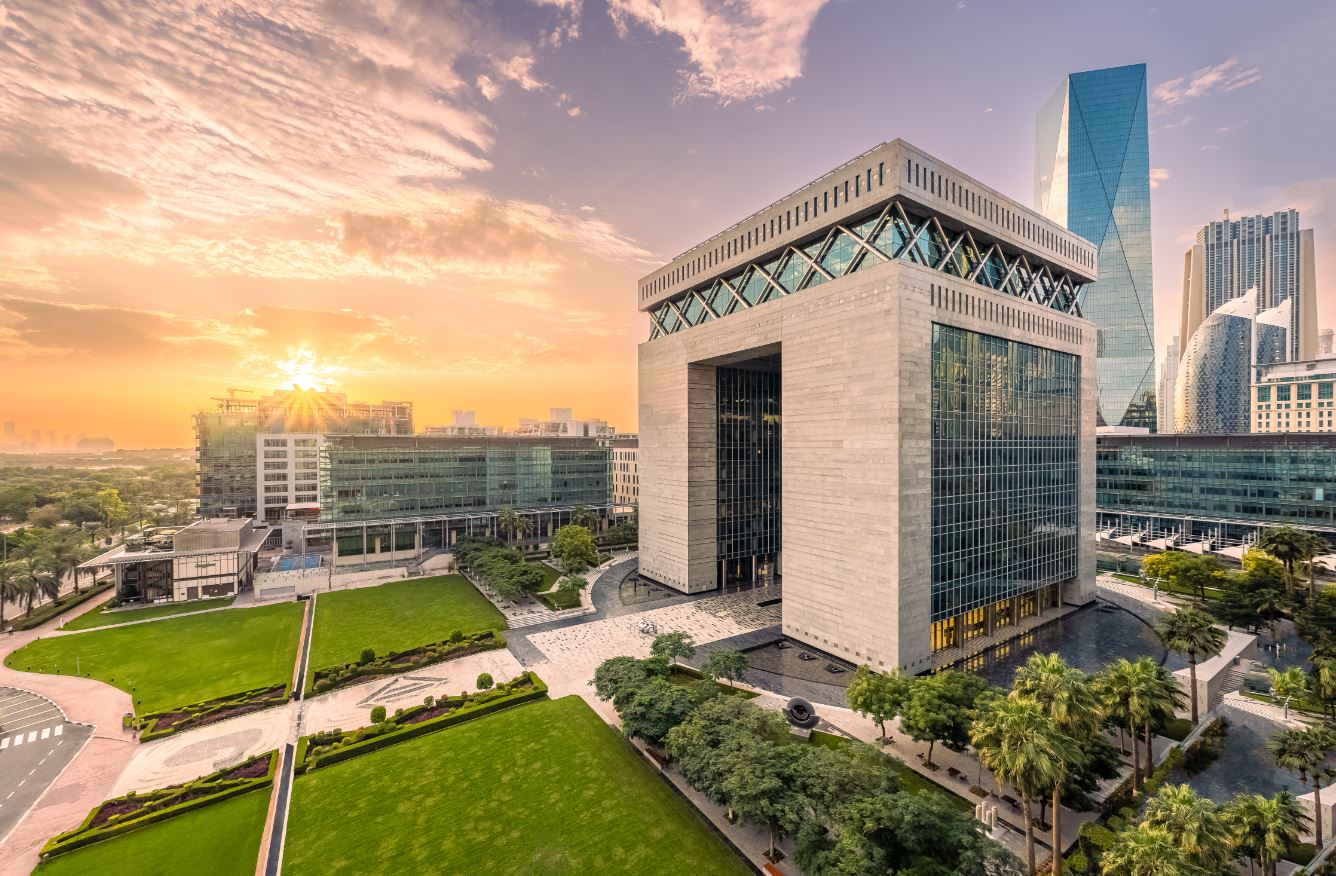
Dubai International Financial Centre has taken a further step in positioning Dubai as a key node in the global digital economy by strengthening its privacy governance framework and widening its engagement in cross-border trade initiatives, underscored by its admission as a Member of the Global Forum Assembly. The move signals growing international recognition of the DIFC’s data protection regime and its ambition to shape global standards at a time when data flows, digital services and regulatory trust have become central to economic competitiveness.

The DIFC confirmed its membership of the Global Forum Assembly, a multilateral platform that brings together governments, regulators, international organisations and private-sector stakeholders to advance cooperation on privacy, data protection and digital trust. Membership is extended to jurisdictions that demonstrate mature, enforceable frameworks aligned with international norms, placing the DIFC alongside established financial and digital centres that have made privacy governance a core component of their economic strategy.

Officials at the DIFC said the step reflects the centre’s long-term investment in building a regulatory environment that balances innovation with strong safeguards for personal data. The DIFC’s Data Protection Law, which operates independently from federal frameworks, is designed to mirror global best practices, including principles found in European and other advanced privacy regimes, while remaining tailored to the needs of financial services, technology firms and multinational businesses operating across borders.

The timing is notable as digital trade accelerates across financial services, fintech, artificial intelligence, cloud computing and professional services. Businesses increasingly assess jurisdictions not only on tax efficiency or infrastructure but also on the credibility of their data governance. For Dubai, positioning the DIFC as a trusted hub for data-driven commerce supports broader economic diversification goals and aligns with national ambitions to expand digital exports and attract high-value investment.

Participation in the Global Forum Assembly gives the DIFC a seat in discussions shaping the future of cross-border data flows, adequacy frameworks and interoperability between privacy regimes. These debates have intensified as countries seek to protect citizens’ data while avoiding regulatory fragmentation that can raise costs and deter innovation. By contributing to policy dialogue, the DIFC aims to influence standards that enable data to move securely between markets without undermining individual rights.

Regulatory specialists note that the DIFC’s framework has evolved steadily, with enforcement powers, clear obligations for data controllers and processors, and mechanisms for redress. This institutional depth has been a key factor in gaining international credibility. Businesses operating in the centre are required to comply with detailed rules on consent, lawful processing, breach notification and cross-border transfers, creating a predictable environment for global firms managing complex data operations.

The emphasis on inclusive cross-border trade also reflects a shift in how digital economy hubs define competitiveness. Rather than focusing solely on domestic regulation, leading centres are investing in compatibility with other regimes to ensure that companies can scale across regions. The DIFC has positioned its privacy framework as an enabler of such compatibility, supporting firms that serve clients in multiple jurisdictions while maintaining high standards of protection.

Technology policy analysts point out that privacy governance is increasingly intertwined with trust in emerging technologies such as artificial intelligence. Robust data protection regimes are seen as foundational to responsible AI development, particularly in financial services where algorithmic decision-making relies heavily on personal and transactional data. By reinforcing its privacy credentials, the DIFC strengthens its appeal to AI-driven firms seeking a stable regulatory base.

The move also has implications for regional competition. Financial centres across the Middle East and beyond are racing to attract digital businesses, often through regulatory innovation. The DIFC’s membership of the Global Forum Assembly distinguishes it within this landscape, signalling alignment with international norms rather than regulatory isolation. This approach may resonate with multinational firms that prioritise consistency across markets.

For policymakers, the development illustrates how sub-national jurisdictions can play an outsized role in global digital governance. Although operating within a broader national framework, the DIFC’s independent legal system and regulator allow it to engage directly with international bodies and contribute expertise drawn from its experience overseeing a diverse ecosystem of banks, asset managers, fintechs and technology companies.

Chainlink’s LINK token has settled into a narrow trading range above the $12 level, signalling a period of consolidation as market participants reassess risk appetite across digital assets. Price action around the $13 mark has been marked by subdued volatility, even as broader cryptocurrency markets digest shifting expectations on interest rates, exchange-traded fund flows and regulatory scrutiny. The stabilisation comes after a volatile first half of the […]

Matein Khalid 2025 was the year I was convinced that silver would outperform gold in a classic late cycle acceleration trade that is a recurrent theme in full throttle precious metal bull markets. This means, silver has a tendency to lag gold’s ascent until an inflection point at which prices breakout and then accelerate sharply on the upside. This inflection point was $36 an ounce in spot […]

Federal authorities in Washington have issued a fresh warning to consumers and financial institutions as cyber-enabled fraud intensifies during the year-end shopping season, highlighting a sharp rise in sophisticated scams powered by artificial intelligence and automation. The U. S. Department of the Treasury’s Office of Cybersecurity and Critical Infrastructure Protection said the scale and complexity of digital fraud now pose systemic risks to household finances and payment […]

Eastern European Union governments are coordinating a collective push to unlock larger and faster streams of funding to strengthen military defences against Russia, as leaders from eight frontline states meet in Helsinki to align priorities and influence the bloc’s budget and lending rules. Discussions among leaders from Finland, Estonia, Latvia, Lithuania, Poland, Czech Republic, Slovakia and Romania focus on closing gaps in air defence, long-range fires, ammunition […]

EcoFlow Technology Inc is preparing to file for an initial public offering in the United States that could make the Shenzhen-headquartered portable power specialist one of the most high-profile mainland technology firms to seek equity funding on American exchanges, according to people familiar with the matter. The company is working with financial advisers and is exploring a share sale that could raise several hundred million dollars, signalling growing investor appetite for clean energy and battery technology stocks despite volatility in global markets.

The draft IPO plan represents a strategic pivot for EcoFlow as it seeks broader capital access and enhanced global recognition. Backed by HSG, the firm formerly known as Sequoia Capital China, EcoFlow has grown rapidly by tapping into surging demand for portable and home battery solutions used for outdoor recreation, emergency backup and renewable energy integration. Market participants suggest that the public listing could value the company at billions of dollars, though final pricing and timing remain under consideration.

EcoFlow’s potential move to a US exchange underscores the increasingly international ambitions of Chinese technology manufacturers. While many domestic companies opt to list on local boards such as Shanghai’s STAR Market or Shenzhen’s ChiNext, EcoFlow’s planned New York or Nasdaq debut highlights a shift among select innovators seeking to capitalise on deeper liquidity and global investor bases. Industry analysts note that the IPO could open doors for other clean energy and hardware enterprises from Asia if executed successfully.

Founded in 2017 by former engineers from the drone industry, EcoFlow has established itself as a leading global supplier of portable power stations and energy storage systems. Its product lines include the DELTA and RIVER series, which have gained traction among consumers and businesses looking to reduce reliance on fossil fuel generators. The company’s expansion has also been punctuated by new product launches and partnerships in major retail chains, broadening its footprint in the United States and Europe.

Industry observers say EcoFlow’s performance in the US market will be closely watched by investors assessing the health of hardware-oriented technology firms amidst broader economic uncertainty. Portable power and battery technology have seen increasing interest as climate change concerns boost demand for resilient and sustainable energy solutions. Analysts point to strong year-on-year sales growth through online and in-store channels, including collaborations with national warehouse clubs, as evidence of the company’s commercial momentum.

The proposed IPO is expected to involve at least $300 million in primary share sales, though people familiar with the discussions caution that the figure could shift based on market conditions and investor feedback. An offering of this scale would position EcoFlow alongside a select group of cleantech and energy storage names that have reached public market debuts in recent years. Executives and bankers are said to be conducting roadshows and investor engagements to gauge demand and refine the company’s messaging ahead of filing.

Financial advisers engaged by EcoFlow are reportedly preparing registration statements and compliance documentation required by US regulators. This process typically involves scrutiny of business models, revenue figures and risk factors, and the company will need to articulate its strategy for scaling production, managing supply chains and navigating potential geopolitical tensions affecting Chinese-linked firms listed abroad. If cleared by regulators, the IPO could take place in the first half of next year, subject to market receptivity and pricing dynamics.

Investors familiar with EcoFlow’s trajectory describe the company’s leadership as focused on diversifying revenue streams through both consumer-facing products and partnerships with enterprise clients. The product portfolio emphasises modular and scalable energy solutions that can serve residential, commercial and recreational needs. Market research suggests that consumer interest in backup power and off-grid energy has been buoyed by extreme weather events and grid reliability concerns in developed markets, further enhancing appetite for resilient technologies.

Critics caution that hardware companies face challenges maintaining margins and growth rates as competition intensifies and component costs fluctuate. They note that EcoFlow will need to demonstrate sustained profitability and efficient supply-chain management to satisfy public investors, particularly in an environment where tech valuations are more scrutinised than in prior years. Effective communication of long-term strategy and risk mitigation will be key to fostering confidence among institutional and retail shareholders.

By Nitya Chakraborty Is Bangladesh’s pre-election scenario is being repeated in Nepal which was the seat of a two day revolt by Gen Z of the country against the ruling K S Oli government in the second week of September this year? Major indications are leading to that, the only difference is that the students […]


The article As Nepal Readies For National Elections On March 5, 2026, Where Is Gen Z’s Party? appeared first on Latest India news, analysis and reports on Newspack by India Press Agency).

The U. S. Senate has deferred action on a highly anticipated crypto market structure bill, with the Senate Banking Committee confirming that it will not hold a markup vote on the legislation this year and plans to resume deliberations in early 2026. The decision prolongs regulatory uncertainty for digital asset markets and leaves unresolved how federal authorities will oversee cryptocurrency trading platforms, brokers, issuers and decentralised finance […]

VISHNU RAJA
RYO YAMADA
HITORI GOTOH
IKUYO KITA