News related to
Bank

Bitcoin nudged higher overnight, trading around $109,448, as markets showed signs of stabilisation following a wave of forced liquidations across crypto derivatives.

Stock market information for Bitcoin
Bitcoin is a crypto in the CRYPTO market.
The price is 109448.0 USD currently with a change of 30.00 USD from the previous close.
The intraday high is 110305.0 USD and the intraday low is 108741.0 USD.

Ethereum outperformed, crossing the $4,000 threshold, while broader sentiment remains under strain amid macro uncertainty.

Crypto markets endured brutal deleveraging earlier in the week, with more than $1.5 billion in long positions wiped from derivatives across major tokens. Analysts report that Ether accounted for a significant share of that, prompting cascade liquidations in leveraged positions. Some firms with heavy Bitcoin exposure have seen their stock valuations collapse below the value of token holdings.

Investors tagged this as the sharpest deleveraging event of 2025, emphasising how excess leverage built up in recent months is being violently unwound. That same vulnerability leaves markets sensitive to any surprise in macro data or central bank commentary.

The immediate bounce in Bitcoin and Ether is viewed as corrective rather than structural—several traders suggest the market may trade sideways or drift lower unless fresh catalysts emerge. The rebound succeeded in erasing some losses, but resistance above $110,000 for Bitcoin and around $4,200 for Ether remained challenging.

The U. S. personal consumption expenditures index for August showed year-on-year inflation of 2.7%, broadly in line with expectations. That alignment suggests policymakers are threading a narrow path between supporting growth and avoiding inflation surprises. Some strategists believe the muted inflation reading reduces pressure on central banks to delay easing; others caution that sticky core inflation still leaves room for hawkish surprises.

Crypto sentiment has weakened sharply. The Fear & Greed Index plunged to levels last seen in mid-April, underscoring elevated trader anxiety. According to strategists, over $3 billion of leveraged long positions have been liquidated in the past few sessions, pushing the long-to-short ratio in many tokens toward one-to-nine. That extreme positioning could set the stage for short squeezes—but not without attendant risk.

On-chain flows hint at institutional accumulation, a counterpoint to retail panic. Ethereum has seen meaningful inflows tied to existing ETH ETFs, while some large wallets have made ETH-to-BTC swaps. That movement could reflect growing conviction in Ethereum as a structural play for DeFi and smart contract demand, rather than a pure speculative asset. But challenges remain: Ethereum’s fee-based economics have softened, and alternative chains are gaining traction in niche sectors.

Seasonal models bolster optimism toward the year-end. Historically, Bitcoin has delivered an average return of over 80 per cent in the final quarter, with November being the strongest month on record. Ether, though more volatile, also has a track record of strong Q4 performance. These patterns are not guarantees, but they influence positioning among quantitative funds.
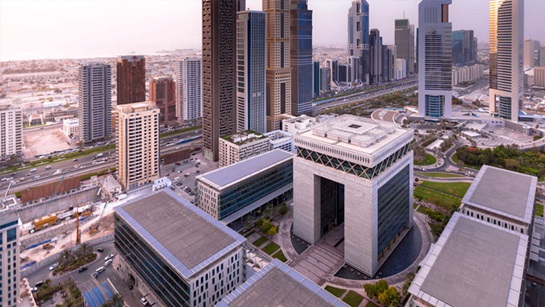

The Dubai Financial Services Authority has issued a decision notice barring HDFC Bank’s Dubai International Financial Centre branch from onboarding or engaging new clients, citing deficiencies in its onboarding procedures and promotional practices.

Under the DFSA’s directive dated 25 September 2025, the branch is prohibited from soliciting or conducting any business with clients who had not already completed the onboarding process by that date. The restrictions span across a range of financial services: advising on financial products, arranging investment deals, arranging or advising credit, custody services, and engaging in financial promotions.

HDFC Bank has confirmed the measure, stating the branch’s Dubai operations are not “material to [the] overall business or financial position.” It said it has initiated steps to engage with the DFSA and address the regulator’s concerns.

Existing customers of the DIFC branch remain unaffected by the decision, and clients who had already been offered services may still be served.

The DFSA’s public register confirms the restrictions imposed on HDFC DIFC under Article 75 of the Regulatory Law 2004.

Concern over HDFC’s UAE operations has been mounting since investigations linked to the mis-selling of Credit Suisse Additional Tier-1 bonds surfaced. High-net-worth non-resident Indian investors alleged that HDFC’s UAE arms had pushed leveraged exposure to these risky instruments without adequate disclosure. When Credit Suisse’s AT1 bonds were written down in 2023, several clients in the Middle East faced losses and margin calls.

Regulatory scrutiny has coalesced around whether the branch’s client onboarding systems sufficiently aligned with the stricter DIFC regime for assessing and classifying “professional clients.”

Observers note that the regulatory move at HDFC’s DIFC arm fits a broader trend in the UAE: ensuring that financial institutions operating in its free zones adhere to rigorous compliance standards. While the central bank has in recent months fined other banks and suspended new customer intake over Sharia or anti-money laundering violations, this is a rare case targeting the onboarding practices of a foreign bank’s offshore branch.

Market analysts suggest the restriction could dampen HDFC’s ambitions in the Gulf region. The DIFC branch caters largely to high-net-worth and institutional clients, a growing segment across the Middle East.

Analysts also note that, though the branch is currently a limited part of HDFC’s global footprint, reputational damage and extended regulatory enforcement could constrict cross-border investment programmes tied to its UAE hub.

HDFC’s next steps include formal remediation under DFSA oversight, and the bank will need to demonstrate that its compliance and client due diligence processes meet the regulator’s expectations. Meanwhile, the directive will remain active until the DFSA issues a written amendment or revocation.

Abu Dhabi raised $1 billion from a three-year bond sale at 3.625 per cent, about 10 basis points over U. S. Treasuries, and simultaneously issued $2 billion in a 10-year tranche at 4.25 per cent, 18 basis points over Treasuries, drawing a combined order book of over $16 billion. The Reg S senior unsecured bonds will be rated AA by S&P and Fitch, matching the issuer’s credit […]

Microsoft has halted specific cloud and artificial intelligence services to a unit within Israel’s Ministry of Defence after uncovering evidence that its Azure infrastructure was being used in a mass surveillance programme targeting Palestinians. The firm confirmed that access to a subset of its subscriptions has been suspended, while non-surveillance services remain unaffected. The decision follows an investigative exposé by The Guardian, in collaboration with +972 Magazine […]

SINGAPORE – Media OutReach Newswire – 26 September 2025 – Singapore lawyers will soon be able to gain specialised skills in family office advisory through a strategic partnership between the Wealth Management Institute (WMI) and the Law Society of Singapore. This multi-year training initiative aims to equip Singapore’s 6,500 practising lawyers with specialised skills to serve the rapidly growing family office sector. Training agreement signed on 26 […]

Arabian Post Staff -Dubai Dubai-based lifestyle and hospitality conglomerate FIVE Holdings has secured a $460 million revolving credit facility that will be used to repay its $350 million green bond ahead of schedule and free up capital for further growth. The facility, arranged with Commercial Bank of Dubai, AAIB and Santander, enables the group to retire its green bond three years before it matures, leaving it with […]

The UAE Ministry of Finance, acting as issuer with the Central Bank of the UAE as issuing and payment agent, has completed the September 2025 auction for dirham-denominated Islamic Treasury Sukuk, issuing AED1.1 billion in two tranches.

Investor appetite proved robust: total bids reached AED5.1 billion, representing an oversubscription rate of 4.6 times. The two tranches mature in August 2028 and May 2030. Yields to maturity were set at 3.64 percent for the 2028 tranche and 3.72 percent for the 2030 tranche, with spreads of up to 5 basis points over comparable US Treasuries. The new Sukuk are now listed under the UAE Treasury Islamic Sukuk Programme on Nasdaq Dubai, bolstering their tradability in secondary markets.

This issuance is part of the 2025 T-Sukuk programme designed to deepen the UAE’s domestic Islamic capital market and to help establish a dirham yield curve. Authorities view it as a tool for liquidity management and as a mechanism to broaden investment options for both regional and international investors participating in the UAE’s fixed-income markets.

Market observers note that the oversubscription signals confidence in the UAE’s fiscal credentials and its commitment to injecting dynamism into its debt capital markets. The tight pricing relative to US Treasuries is seen as competitive and attractive for institutional players seeking yield in the Gulf region.

In recent months, the UAE has steadily pursued domestic sovereign Islamic issuances as a complement to conventional instruments, seeking to accommodate demand from Islamic financial institutions as well as conventional banks’ Shariah-compliant units. The coordination between the Ministry of Finance and the Central Bank ensures that these issuances are integrated into broader monetary and financial stability objectives.

Across the Gulf, sovereign issuers have increasingly leaned into domestic currency Islamic instruments to reduce dependence on external funding, develop local capital markets, and provide alternative yield playbooks for investors. Within that context, the UAE’s T-Sukuk programme is gaining traction as a benchmark vehicle.

Primary dealers participating in the auction included eight banks, all mandated under the program to support both primary and secondary market activity. Their participation is key to maintaining liquidity and encouraging wider investor participation beyond the initial subscription.

Advertisements

The Export-Import Bank of the United States has authorised over $100 million in financing guarantees to support two flagship digital infrastructure projects in Côte d’Ivoire. The package includes a $66 million guarantee for a national data centre and $47 million for technology exports intended to digitalise the Ministry of Commerce and Industry. The deals, approved in August under EXIM’s China and Transformational Exports Program, were formally unveiled […]

President Duma Boko has declared that his government intends to secure a controlling share in De Beers by the end of October, pushing Botswana to renegotiate its position in the global diamond supply chain. The move comes as Anglo American, the majority owner of De Beers, appears ready to divest its 85 percent stake. Botswana currently holds 15 percent of De Beers and jointly operates the mining […]

Abu Dhabi is marketing a three-year and a 10-year US dollar Reg S/144A bond offering, aiming to capitalise on robust investor demand and reinforce its global funding outlook. The three-year tranche is pitched at approximately 40 basis points over US Treasuries, while the longer 10-year issue is offered at around 55 bps.

By mid-morning in Dubai, books had swelled past $10 billion, excluding joint lead manager interest, with slight tilt toward the 10-year line. The bonds will be senior, unsecured and rated AA/AA by S&P and Fitch, matching the issuer’s prevailing Aa2/AA/AA credit standing. Listings are planned in both London and Abu Dhabi.

Investors see this transaction as a test of global appetite for Gulf sovereign credits amid a cautious backdrop of moderate US interest rates and evolving geopolitical risk. Despite volatility in energy prices and external debt markets, Abu Dhabi’s strong fiscal and balance sheet metrics underpin confidence in its sovereign name. The credit ratings assigned reflect the emirate’s resilient fiscal policy, substantial hydrocarbon reserves, and large sovereign wealth fund buffers.

Structurally, the Reg S/144A setup allows the issuer to access both non-US and US institutional investor pools. Regulation S permits offers outside the United States, while Rule 144A enables sales to qualified institutional buyers within the US, offering dual reach while maintaining issuance flexibility. The base offering circular explicitly restricts transfers and resales to be compliant with those regimes.

Observers note that the pricing levels—40 bps for three years and 55 bps for 10 years over Treasuries—are ambitious but not unprecedented within Gulf sovereign borrowing. Prior precedent includes a multi-tranche Abu Dhabi sovereign bond of $5 billion in April 2024, which achieved strong oversubscriptions and favourable pricing benchmarks. That deal underlined investor appetite for Gulf issuers with strong credit credentials.

Market participants closely monitor skew and order distribution between tenors. That the books are marginally skewed toward the 10-year suggests appetite for duration, perhaps reflecting yield scarcity in core markets. Should the order book widen further, the issuer may flex uncertainty concessions or tighten spreads modestly before final pricing. Co-ordinating banks are likely adjusting intermediate guidance as allocations firm.

Analysts flag that appetite for Gulf sovereign issuance is tempered by global headwinds: tighter US credit spreads, sticky inflation, and competition from other supranational and sovereign issuers. Some international investors may demand additional premium for regional or geopolitical exposures. Yet Abu Dhabi’s entry with a dual-tranche issuance signals intent to extend its credit curve, deepen investor relationships, and enhance liquidity in its sovereign bonds.

The listings in London and Abu Dhabi are intended to enhance secondary market trading, improve visibility to European and global investors, and cement Abu Dhabi’s status in global bond markets. The London listing, especially, provides access to a deep pool of international fixed income investors and a regulatory framework well understood by global asset managers.

With Singapore as its regional headquarters in APAC and new operations in China, the payments orchestrator is simplifying cross-border commerce for global merchants. Yuno is also announcing the regional availability of NOVA, the company’s first-of-its-kind suite of agentic AI solutions that turn payment friction into growth. SINGAPORE & NEW YORK, US – Media OutReach Newswire – 25 September 2025 – Yuno, the global payment orchestration platform, today […]

VFS Global has priced a seven-year USD tranche of $1,010 million at 250 basis points over SOFR, marking a 50bps tightening from its previous guidance. The loan forms part of a dual-currency raise, with an equivalent euro tranche also in play as part of a broader funding package totalling approximately $2 billion. The dollar portion, priced at 2.50% over SOFR, signals strong investor appetite and confidence in […]

The Indian rupee plunged to a lifetime low of ₹88.7975 per US dollar, sliding about 0.5 per cent on the day as fears over a sharp hike in U. S. H-1B visa fees rallied selling pressure across foreign exchange markets. Intervention by the Reserve Bank of India failed to staunch the slide fully, leaving the currency exposed amid faltering capital inflows and heightened external risks.

Markets pointed to the visa fee jump as a critical trigger. The Trump administration’s new proclamation imposes a $100,000 application cost on fresh H-1B visa petitions, vastly above its prior range, and is widely seen as a threat to remittance flows and the earnings outlook for India’s technology exporters. Meanwhile, persistent foreign portfolio outflows and U. S. tariff tensions on Indian goods compounded downward pressure.

Analysts estimate that remittances from the U. S. account for roughly 3.4 per cent of India’s GDP, making any disruption in the flow of workers and repatriated funds significant for the external balance. The visa change, if sustained, could erode that buffer. Traders now widely expect the rupee’s trajectory to remain weak in the coming weeks unless policy tailwinds emerge.

Speculation is building that the RBI sold dollars via state banks in the ₹88.50 zone to support the rupee, but the support was limited. While intervention took multiple forms—spot market, non-deliverable forwards and futures—the central bank appears to be managing volatility more than defending a fixed exchange rate. Some market participants view the decline as partly calibrated and allowable, until macro fundamentals justify a reversal.

Data from the RBI’s monthly bulletin show that in July alone, the central bank sold a net $2.54 billion in the spot foreign exchange market. It held forward dollar sales of about $57.85 billion at the end of July—suggesting pre-emptive hedging and reserve deployment to offset pressure. The use of forward sales is a tool to mitigate speculative demand and signal resolve.

U. S. rate expectations and the global dollar trajectory also weigh heavily. The U. S. dollar index remains firm, underpinning strength in emerging market currency pairs’ downside. Weakness in India’s export performance and looming protectionist measures add to caution. In September to date, foreign investors withdrew over $1 billion from Indian equities, pushing year-to-date outflows to roughly $16 billion.

Technology stocks bore the brunt of the rupee stress. With margins threatened by the visa fee shock, several large IT firms are already budgeting for higher immigration costs. Estimates place incremental fee burdens between $150 million and $550 million for major firms, depending on visa volumes and contract structures.

The Indian government mounted a diplomatic push in response, deploying a high-level delegation to Washington to discuss the visa fee policy and broader trade concerns. Delhi has warned of “humanitarian consequences,” arguing that abrupt changes in visa costs risk disrupting families and the livelihood of highly skilled professionals. In public remarks, Commerce Minister Piyush Goyal and other officials have insisted that they will press for reversals or carveouts.

White House sources clarified that the $100,000 fee will apply only to new applications, not renewals or current visa holders—a move that soothed some immediate concerns in the IT industry. That assurance has allowed short-term relief in some quarters, though uncertainty lingers over enforcement guidelines and compliance timelines.

Defence stocks will rally and global investors will be paying attention, I believe. The reason the bullish analysis is a catalyst came the moment President Donald Trump, after meeting Ukraine’s President Volodymyr Zelenskyy at the UN General Assembly, declared that Kyiv can reclaim all territory seized by Russia, an abrupt and market-moving pivot from his earlier calls for compromise. In a single statement, the world’s largest economy […]

Fitch Ratings changed Thailand’s long-term foreign-currency issuer outlook to Negative from Stable, citing mounting pressures on public finances, fragile growth prospects and ongoing political fragility. The sovereign rating itself remains at BBB+.

The credit agency warned that escalating risks to fiscal stability — especially rising debt and persistent budget deficits — are aggravated by uncertainty over government continuity and policy direction. Economic growth slowing below peer averages and vulnerabilities in the tourism and export sectors further reinforce downside risks.

Fitch singled out Thailand’s general government debt reaching about 59.4 percent of GDP, a level close to median thresholds for ‘BBB’-rated sovereigns, noting it has risen sharply from pre-pandemic levels. Persistent fiscal deficits of 4.6 percent of GDP in fiscal 2025 and 4.3 percent in 2026 are projected, and though Fitch expects stabilisation beyond 2027, the window for improvement is narrow.

Fitch also emphasised Thailand’s external buffers — a consistent current account surplus and conservative composition of government debt — as mitigants that support the affirmed rating despite the negative outlook. It noted that average debt servicing costs relative to revenues remain lower than peer country averages, which grants some breathing room.

The political backdrop has intensified the strain. The constitutional court’s removal of Prime Minister Paetongtarn Shinawatra over an ethics violation tied to a leaked phone conversation triggered a swift transition. Anutin Charnvirakul assumed the premiership through a deal with the opposition party that mandates a general election within four months, introducing turbulence to fiscal continuity and policy clarity. Fitch warned that this political flux could amplify short-term spending pressures and generate unpredictable policy shifts.

Macro-economic forecasts reinforce the downgrade rationale. The World Bank has trimmed Thailand’s projected GDP growth in 2025 to 1.8 percent and 1.7 percent in 2026, citing weak external demand, slowed tourism recovery and waning domestic consumption — outcomes likely exacerbated by political volatility. Inflation has turned slightly negative, prompting central bank expectations of further rate cuts; Fitch expects two more 25 basis point cuts this year and in 2026.

Thailand’s central bank has already lowered its policy rate 100 basis points over the past year to 1.5 percent, and with inflation below zero, the case for easing remains plausible — though constrained by high household debt levels. The Bank of Thailand has signalled readiness to act if growth weakens further.

Analysts caution that structural deficiencies — such as sluggish productivity gains, reliance on tourism, and high household debts — limit upside recovery. Institutional weakness and frequent leadership turnover further deter investment confidence.

To reverse the negative trajectory, Fitch emphasised that Thailand’s government must demonstrate strong fiscal consolidation, stabilise public debt dynamics and restore growth momentum. A return to a stable outlook would require credible cuts to the fiscal deficit, credible medium-term plans to reduce debt, and a more predictable policy environment that supports private investment.

A newly disclosed vulnerability allows threat actors to surreptitiously install arbitrary extensions on Chromium-based browsers within Windows domain environments, circumventing typical user alerts and security checks. The technique hinges on manipulating how Chrome and its derivatives store extension settings and validations in preference files. Security researchers demonstrated that by editing specific preference files in a user’s profile, an attacker can mark a malicious extension as a “component” […]

Leading Financial Institutions, Regulators, and Tech Innovators Converge to Accelerate Hong Kong’s AI Readiness and Global Leadership HONG KONG SAR – Media OutReach Newswire – 24 September 2025 – Citi Hong Kong, in collaboration with Mastercard and the FinTech Association of Hong Kong (FTAHK), successfully co-hosted the “Creating an AI Ready Economy” forum yesterday. Riding on the success of last year, this flagship event, now in its […]

African Bank has successfully issued its first social bonds, raising R700 million through 3- and 5-year securities aimed at funding small and medium enterprises. Demand exceeded supply, with bid volumes surpassing R1 billion. This marks a key step under the bank’s newly implemented Sustainable Finance Framework, which seeks to align its funding practices with environmental and social objectives. The Sustainable Finance Framework, formally adopted in August 2025, […]

Dubai’s engineering and construction powerhouse ALEC Holdings PJSC has fixed its IPO share price between AED 1.35 and AED 1.40, opening subscriptions for a 20 percent stake in the company. The offering will feature 1 billion existing shares, valuing the company at AED 6.75 billion to AED 7 billion at the time of listing. The subscription period began on 23 September and will close on 30 September […]

OpenAI, Oracle and SoftBank have unveiled plans for five new artificial intelligence data centres across the United States under their Stargate infrastructure initiative, pushing the programme’s capacity to almost 7 gigawatts and investment to over US$400 billion over the next three years. Three of the new sites will be developed in partnership between OpenAI and Oracle, located in Shackelford County, Texas; Doña Ana County, New Mexico; and […]

China is pursuing arrangements with allied central banks to store foreign sovereign gold within its territory, aiming to elevate its influence over global bullion holdings. The People’s Bank of China is deploying the Shanghai Gold Exchange as a vehicle to attract sovereign clients to park bullion inside China. At least one Southeast Asian country has expressed interest.

Officials involved say that the proposal involves central banks of “friendly” states buying gold and placing it in warehouses tied to the Shanghai Gold Exchange. This builds on China’s strategy of diversifying reserves and enhancing its status in global bullion markets.

China’s own gold holdings are growing steadily. As of July, its official international reserves included approximately 73.96 million ounces of gold, up from 73.9 million the month before. That marks nine months of continuous growth. At that point gold accounted for about 7% of China’s foreign reserves—well below the global average of around 15%. Analysts said China is likely to continue buying gold while moderately reducing holdings of US Treasuries, both to strengthen the renminbi’s international standing and mitigate exposure to dollar-linked risks.

Gold-buying by China fits into a larger global trend among central banks. Many are raising their allocation to gold as a hedge against geopolitical risks, inflation, and the uncertainty of reliance on major foreign currencies. Market watchers note that China’s moves are consistent with efforts from BRICS countries to build financial infrastructure and reserve mechanisms less dependent on dollar-centred systems.

For China, becoming a custodian for others’ gold reserves would represent a significant shift. It would mean not only controlling its own gold supply but also offering vaulting, storage, and custodial services to foreign sovereign clients. Such an arrangement would involve regulatory, security, and diplomatic considerations—from ensuring physical security of bullion to managing compliance with international rules around audits, transparency, and cross-border transfers.

Questions remain about how much demand exists among sovereigns for such an arrangement. The identity of the Southeast Asian country showing interest has not been confirmed. Some central banks prefer keeping reserves offshore for perceived neutrality or diversification of geographic risk. Others may hesitate due to concerns over sovereignty, geopolitical leverage, or storage fees and logistics.

China’s global gold purchases continue regardless. Observers point to continued accumulation of gold by the People’s Bank of China, a trend seen in the State Administration of Foreign Exchange data. Gold holdings have increased month after month, even as foreign exchange reserves fluctuate.

VFS Global has launched a $2 billion-equivalent term loan facility, securing markedly tighter pricing for its seven-year dollar and euro tranches. The USD portion of $1.010 billion is priced at 250 basis points above the Secured Overnight Financing Rate, about 50bps lower than initially suggested. The euro tranche, amounting to €850 million, carries a spread of 275bps over Euribor, which represents a tightening of around 25bps from […]

Binghatti Holding Limited has appointed a slate of banks to lead its first USD Reg S senior unsecured three-year green sukuk under its $1.5 billion Trust Certificate Issuance Programme. The developer, rated Ba3 by Moody’s and BB- by Fitch with both outlooks stable, has kick-started global investor calls and fixed income meetings. The mandate names Abu Dhabi Islamic Bank, Dubai Islamic Bank, Emirates NBD Capital, JP Morgan and Mashreq as Joint Global Coordinators; Abu Dhabi Commercial Bank, Ajman Bank, Arqaam Capital, Crédit Agricole CIB, First Abu Dhabi Bank, RAKBANK, Sharjah Islamic Bank and Warba Bank will act as Joint Lead Managers and Joint Bookrunners.

The green structuring is overseen solely by Mashreq, with DNV, based in Oslo, providing the Second Party Opinion on Binghatti’s Green Financing Framework. The issuance will make use of Binghatti Sukuk 2 SPC Limited under its wider Trust Certificate Issuance Programme.

Binghatti’s credit profile strengthened earlier this year when Moody’s assigned it its first ever corporate family rating of Ba3 with a stable outlook, citing its strong market position in Dubai’s luxury real estate sector, a vertically integrated model, low leverage, strong liquidity and disciplined cost controls. Shortly after, Fitch upgraded its long-term issuer default rating to BB- from B+, also citing its resilient growth, liquidity position and ability to self-fund projects through internal cash flows.

The developer’s previous sukuk issued under the same Programme—a five-year senior unsecured benchmark in August—was priced at a profit rate of 8.125%. That issuance attracted over USD 2.5 billion of orders, making it oversubscribed about five times and confirming significant demand from global and regional investors. That sukuk was dual listed on the London Stock Exchange and Nasdaq Dubai.

KUALA LUMPUR, MALAYSIA – Media OutReach Newswire – 23 SEPTEMBER 2025 – Webull Malaysia, a subsidiary of Webull Corporation (NASDAQ: BULL), the owner of the Webull trading platform, has launched its nationwide campaign #SamaSamaWebull, aiming to make investing more accessible for Malaysians. The campaign addresses challenges many Malaysians face, including limited financial literacy, complex platforms, and perceived high costs, by offering low-cost and simplified tools that make […]

VISHNU RAJA
RYO YAMADA
HITORI GOTOH
IKUYO KITA