News related to
Bank

The UK government announced a record-breaking inward investment package of £150 billion from U. S. companies during President Donald Trump’s state visit, with commitments aimed at clean energy, AI infrastructure, life sciences and advanced manufacturing. The deals are expected to create around 7,600 high-quality jobs across the country. Blackstone pledged the largest share of the investment with £100 billion over the next decade. Prologis committed £3.9 billion […]

Dubai Investments has unveiled plans to sell up to 25 per cent of its real-estate arm, Dubai Investments Park, through an initial public offering that may value the unit at $2.5 billion. The company is in discussions with banks, while key details — including exact timing — are yet to be finalised. The mixed-use development across 2,300 hectares comprises industrial, commercial and residential zones, housing over 160,000 […]

Gulf Cooperation Council central banks have lowered key interest rates across the region after the United States Federal Reserve reduced its benchmark rate by 25 basis points. The move marks the Fed’s first rate cut this year, and Gulf economies have quickly aligned their monetary policy to maintain currency pegs, apart from Kuwait, which pegs its dinar to a basket of currencies rather than solely to the dollar.

Saudi Arabia cut its repo rate to 4.75% and its reverse repo rate to 4.25%. The UAE lowered its overnight deposit facility rate to 4.15%. Qatar reduced its deposit, lending, and repo rates each by 25 basis points. Bahrain, Oman, and Kuwait also followed suit with 25 basis point cuts to their key rates.

The rationale driving these moves lies in the Gulf states’ monetary frameworks. Most GCC currencies are pegged to the US dollar, meaning their central banks generally mirror US monetary policy to preserve exchange rate stability. Kuwait stands out as it links its currency to a basket of currencies, weakening the direct link to Fed actions.

Economic analysts note that easing borrowing costs could help stimulate sectors beyond oil, such as real estate, tourism and manufacturing—areas that have strong roles in GCC diversification plans. The UAE expects its non-oil economy to grow by 5.1% this year, while inflation remains modest, easing pressure on rate cuts.

In the United States, the Fed’s decision also signalled expectations of further cuts before the end of the year, setting a stage for global monetary easing. Chair Jerome Powell emphasised that although inflation remains above target, the labour market has weakened enough to justify the cut, but that future reductions will be measured.

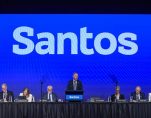
Shares in Santos plunged by up to 13.6% as the Abu Dhabi National Oil Company-backed XRG consortium formally withdrew its A$36.4 billion takeover offer, stating it could not reach agreement with Santos on critical commercial terms.

The consortium, which includes ADQ and Carlyle alongside XRG, had proposed A$8.89 per share in June, equivalent to US$5.76 at the time. Santos had adjusted that for a dividend and told XRG on Monday that it was prepared to accept US$5.626 per share.

This marks the third unsuccessful major offer for Santos over seven years, including a rejected bid from Harbour Energy in 2018 and abandoned merger talks with Woodside Energy. Analysts warn that repeated deal failures erode investor confidence in the company’s ability to seal a large-scale acquisition.

Investor concern was immediately reflected in the market. Santos shares dropped to A$6.61 in early trading, their lowest level since June 10, as the premium embedded in the bid evaporated. The benchmark S&P/ASX200 index was marginally down.

Analysts and banks responded by downgrading the stock. Jarden cut its rating from “overweight” to “underweight”, lowering its 12-month target from A$8.40 to A$7.05 per share. turn0news10turn0search1turn0search2

Santos leadership emphasised its strong project pipeline, pointing to the Barossa gas project in northern Australia and the Pikka oil venture in Alaska as key future growth drivers. Company chair Keith Spence reiterated that Santos has a clear strategy to generate cash, reward shareholders, reinvest in infrastructure and grow production while maintaining safety and reliability.

XRG stated that a “combination of factors, when considered collectively, have impacted the Consortium’s assessment of its indicative offer”, including inability to agree on terms under the Scheme Implementation Agreement. Among sticking points was the demand that the consortium assume certain regulatory and tax-risk obligations, which XRG considered unacceptable.

Adamu Aliyu, a member of the Plateau State House of Assembly, handed himself over to the Independent Corrupt Practices and Other Related Offences Commission in Abuja, after a Federal High Court issued a declaration that he was wanted on charges arising from contract fraud allegations. Justice Emeka Nwite made the order on ICPC’s request after investigators said Aliyu failed to respond to repeated summonses. Court documents show […]

Matein Khalid Mauritius, an island archipelago state in the Indian ocean, has long maintained extensive economic and cultural ties with the GCC. Thanks to tax treaties with India, Mauritius is a favourite domicile for wealthy Indian expatriate residents of the UAE and Saudi Arabia. GCC citizens and residents are prominent investors in some of Africa’s most expensive luxury beach resorts located in the island nation, where property […]

A leading real estate industry association in Hong Kong has pressed the government to establish a HK$20 billion fund to buy up distressed properties, arguing that failing to act risks allowing systemic financial risks to spread through the banking and property sectors.

The proposal arrives as banks in the territory are increasingly exposed to loans tied to properties that are losing value. Major lenders such as Hang Seng Bank and HSBC are among institutions flagged for having substantial loan exposure to property-linked assets that are showing signs of stress. The association contends that a support fund could help stabilize the market by acquiring distressed assets before they trigger wider defaults.

Estate developers and property investors have seen rental yield decline and vacancy rates rise in commercial properties, especially in central business districts. The decline in demand for office space, retail frontage, and hotels, combined with rising borrowing costs, has squeezed cash flows and made it difficult for many property firms to service debt.

Smaller and mid-sized developers are under particular pressure. According to data, these firms together hold over HK$170 billion in real estate debt. Some banks are tightening refinancing requirements, demanding stronger collateral and stricter repayment terms.

Private credit funds have begun to fill some financing gaps, launching new funds and offering loans to both high-quality developers and those in distress. These firms are attracting interest from investors seeking higher yields. However, analysts warn that private credit may only provide a partial solution, since valuation mismatches between lenders and borrowers continue, and property asset prices in many sectors have dropped steeply since their peaks.

The proposed HK$20 billion fund would be used to purchase properties under foreclosure or receivership, thereby removing some of the non-performing assets from bank balance sheets and easing potential contagion. The government has not yet formally responded. Critics of the plan worry about moral hazard: purchasing distressed assets could encourage risk-taking if developers assume they will be bailed out. Others highlight the challenge of determining fair market value for assets in distress, especially when transactions are few and discounted.

Regulators are monitoring the situation closely. The Hong Kong Monetary Authority has reported that exposure of major systemically important banks to the property sector has grown significantly in recent years. Some banks have already increased their provisions for bad loans, though those remain modest compared to potential losses if property values decline further.

Advertisements

HONG KONG SAR – Media OutReach Newswire – 16 September 2025 – Lenovo Hong Kong today announced the official signing of a Memorandum of Understanding (MoU) with Cyberport, marking a significant step forward in promoting Hong Kong’s innovation and technology development and fostering startup growth. This collaboration will fully integrate Lenovo’s leading advantages in the global technology sector with Cyberport’s rich experience in nurturing an innovation and […]

Heavy downpours have unleashed destructive floods and landslides across Himachal Pradesh, killing three people when a house collapsed in the Nihri area of Mandi district and leaving widespread damage to infrastructure, property and transport. A massive landslide struck a house in Bragta village under Boe panchayat, Sundernagar subdivision, early morning when debris from an adjoining cliff gave way. Five family members were inside; two were rescued critically […]

Beijing is preparing to roll out limited fiscal and monetary support as China faces weakening growth, dimming export demand and a fragile property sector. Analysts expect modest interest-rate cuts and additional spending, but size and scope will be constrained by a heavy debt burden and local government financing risks.

Official data shows industrial output rose 5.2% year-on-year in August, the slowest since August 2024, while retail sales grew just 3.4%, their weakest since November 2024. Fixed-asset investment across the first eight months of the year is up only 0.5%. Economic indicators like rising unemployment and falling home prices underscore growing domestic stress. Export demand, especially to the United States, has softened sharply.

Finance Minister Lan Fo’an has asserted that China’s debt remains at a “controllable and reasonable level,” while promising further fiscal reform to bolster consumption and investment. Hidden local government debt is being addressed, with over 60% of local government financing vehicles having mitigated their undisclosed obligations. Beijing has issued about 4 trillion yuan in special bonds out of a 6 trillion‐yuan quota allocated under its 2024-2026 framework.

Despite these assurances, fiscal options appear limited. Local governments, heavily dependent on land sales and property development for revenue, are seeing income dwindle amid the property slump. Many of them carry large off-balance-sheet debts, which limit their ability to borrow further without risking financial instability. Analysts warn that fiscal expansion beyond existing special bond quotas could trigger credit risk and undermine monetary policy transmission.

Monetary policy tools are seen as more flexible. The central bank is expected to pursue cuts in policy interest rates and perhaps reduced reserve requirement ratios for banks. Some targeted measures, such as support for housing and subsidised consumer loans, are under discussion. But reliance on monetary easing brings its own challenges—lower rates may offer limited stimulus when private sector demand is weak and households are wary of debt.

The property sector remains a key drag on growth. Unsold homes, delayed or incomplete projects, and tightly controlled borrowing rules for developers all erode confidence and investment. Local governments, deprived of revenue from land sales due to the real-estate slowdown, face pressures both to stabilize the housing market and to reduce their contingent liabilities.

Financial institutions across the Middle East are grappling with a sharp increase in fraud driven by synthetic identities and AI-powered deepfakes, placing traditional verification systems under intense strain. Rob Woods, director of fraud and identity at LexisNexis Risk Solutions, says fraudsters are now exploiting a mix of demographic complexity and regulatory fragmentation in the region to bypass security checks. The region’s high number of expatriates and frequent […]

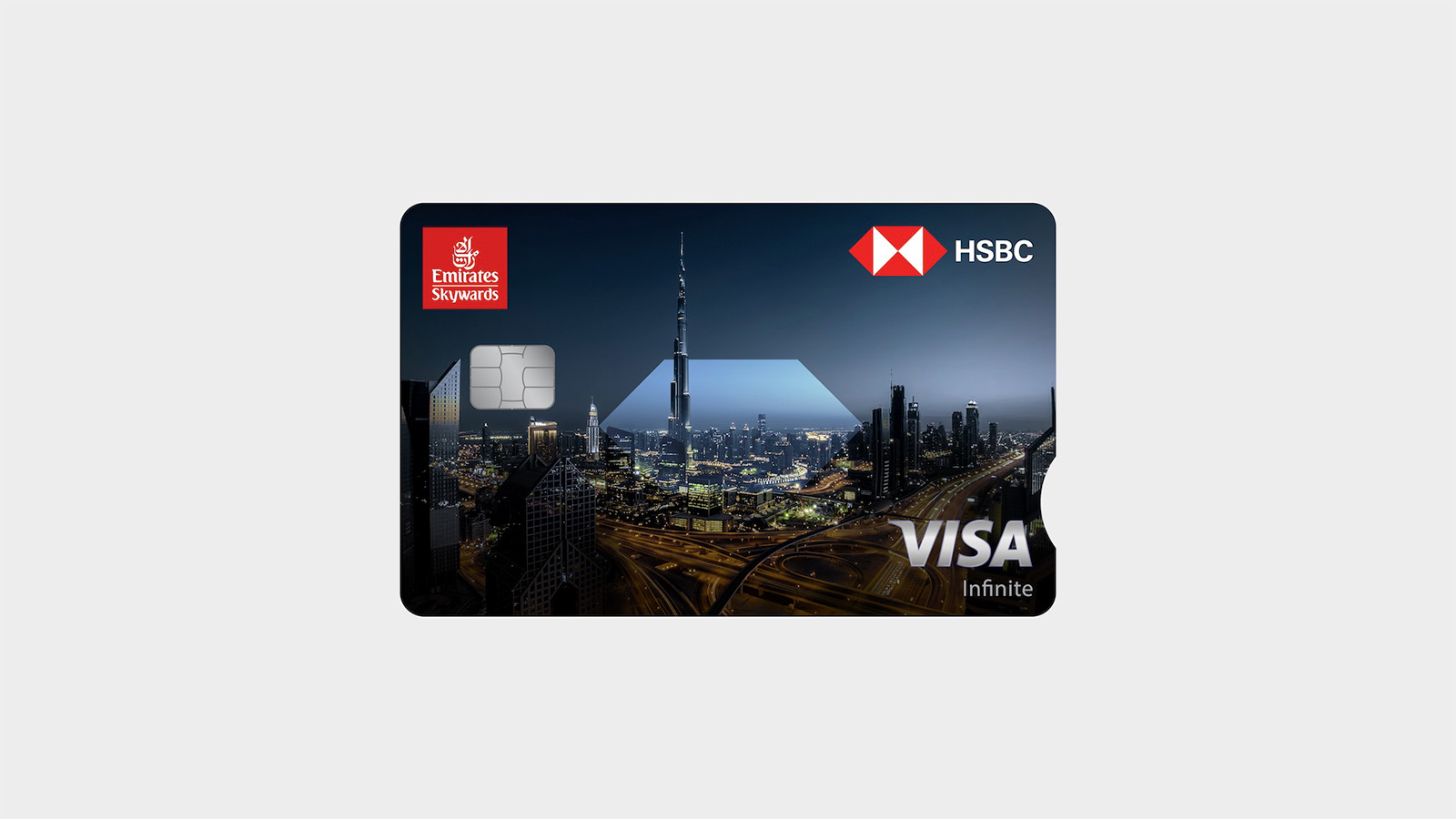
HSBC has opened a dedicated wealth centre in Dubai aimed at serving affluent clients, stepping up efforts to capture a growing share of the UAE’s expanding wealth and asset management sector. It comes as the bank’s Swiss private arm moves to cut ties with over 1,000 wealthy clients from the Middle East under regulatory pressure.

The Dubai centre, housed in HSBC’s flagship Jumeirah branch, will offer Premier and high-net-worth clients access to relationship managers in a specialist space. Dinesh Sharma, HSBC’s head of International Wealth and Premier Banking for Middle East, North Africa and Turkey, said the UAE is among HSBC’s top five global markets, and the investment in infrastructure, people, capabilities and marketing over the next three to four years represents its largest in two decades. Singapore is cited as a model for how the UAE could develop into a global wealth hub.

In parallel, HSBC Private Bank has informed more than 1,000 clients in Saudi Arabia, Lebanon, Egypt and Qatar—many with assets exceeding US$100 million—that it will terminate its relationships with them. The bank is classifying these clients as high risk, following findings by Swiss regulator FINMA that it failed to meet anti-money laundering obligations in past transactions involving politically exposed persons.

HSBC has emphasised its continued commitment to both its Middle East and Swiss wealth business units. Barry O’Byrne, CEO of International Wealth and Premier Banking, maintains that Switzerland remains one of HSBC’s “core wealth hubs.” HSBC is structuring its strategy to grow where it has “a clear competitive advantage.”

The bank notes that personal financial assets in the UAE have surged over the past few years, exceeding US$700 billion, with more than 130,000 millionaires now in the country. Migrants of wealth are drawn by favourable investment policies, tax incentives and regulatory reforms. Regions contributing large shares of incoming wealth include India, other Middle Eastern markets, Russia and the Commonwealth of Independent States, and a growing number from the UK, Europe and China.

HSBC’s move to reduce exposure to high-risk clients comes after FINMA’s rulings in 2024, which identified breaches in anti-money laundering duties in connection with transactions involving politically exposed persons between 2002 and 2015. The regulator prohibited HSBC Private Bank from onboarding new relationships with such individuals until its compliance practices were overhauled. The bank is now working under those rules, winding down existing relationships judged to pose compliance risk.


Matein Khalid I go into purdah for Wednesday’s FOMC D-Day secure in the knowledge, based on CME futures probability that the most important central bank in the world will cut its overnight borrowing policy rate by at least 25 basis points on Wednesday. Yet there are also “known unknowns” with the Fed’s decision that will haunt and reshape the financial markets as well as America’s toxic politics […]

The Federal Reserve sets the price of money for the world’s largest economy, but the battle now unfolding in Washington is about far more than the next rate decision. President Donald Trump and his economic advisors are pushing to narrow the central bank’s mission and pull it closer to the White House. For international investors, this is not a distant Beltway turf fight. It’s a direct threat […]

Swiss private bank Lombard Odier executives have stressed that the Middle East is no more inherently risky than other global markets—but warned that wealth managers must perform rigorous due diligence to avoid regulatory pitfalls in future. The bank is increasing its investment in the region and is aiming to more than double its assets under management there. Frédéric Rochat, managing partner at Lombard Odier, and Ali Janoudi, […]

BEIJING, CHINA – Media OutReach Newswire – 15 September 2025 – In Shougang Park, a former ironworks site in western Beijing, new technologies from AI to cloud computing and green innovation are on display amid the rusty blast furnaces and steel relics. The 2025 China International Fair for Trade in Services (CIFTIS), featuring digital innovation and intelligent technologies, is underway in the park, gathering nearly 2,000 enterprises, […]

Gold surged past levels not seen in over four months after growing confidence that the Federal Reserve will cut interest rates this month boosted demand for bullion, while silver climbed above $40 per ounce for the first time in over a decade.

Spot gold rose around 0.9% to roughly US$3,486.86 per ounce, reaching highs last marked in late April. US gold futures for December delivery also advanced, riding momentum from dovish comments by San Francisco Fed President Mary Daly and a U. S. appeals court decision that struck down most of former President Trump’s tariffs, which weighed on the dollar. Silver jumped about 2.2%, to near US$40.56, its best since September 2011. Other precious metals followed: platinum added 1.5% and palladium rose around 0.8%.

Investors have been digesting a weakening US dollar, cautious labour market indicators, and signals from policymakers suggesting the Fed could lower rates by 25 basis points. Some traders contemplate a larger cut, although forecasts remain varied. Demand for gold as a hedge has been reinforced by geopolitical uncertainty and concerns around the independence of central banking.

Analysts at ANZ and UBS have revised their forecasts for gold upward. ANZ now expects gold to average about US$3,800 per ounce by year-end, with upside toward US$4,000 by mid-2026. UBS similarly raised its year-end target, citing robust central bank buying, persistent inflation pressures, and the likelihood of further policy easing.

Silver’s rally, driven by industrial demand and tight supply, outpaces gold in percentage gains. ETF inflows have also favoured silver, reflecting investor appetite for high-beta exposure in the precious metals space.

Bitcoin mining operations are undergoing a transformation as firms leverage their substantial electricity capacity and infrastructure to meet booming demand for artificial intelligence compute. Companies that once focused solely on mining are now converting parts of their facilities into AI data centres, pressing for more stable revenue amid tightening profit margins in crypto. CoreWeave’s $9 billion acquisition of Core Scientific stands out as a major move in […]

The India-Nepal border has begun reopening across several crossings following days of closure caused by violent protests in Nepal. Checkpoints at Sonauli, Rupaidiha, Kheri, Siddharthnagar and Balrampur have resumed partial movement of goods, under enhanced security and supervision by the Nepal Army.

At Rupaidiha’s Integrated Check Post, over 20 tankers loaded with petroleum, diesel, cooking gas and medicines have entered Nepal, helping to curb shortages of essentials. Nearly 1,000 trucks carrying foodstuffs, machinery and medical supplies await clearance amid prioritisation of life-saving and energy supplies. Market traders and transporters, impacted by steep price rises of commodities such as biscuits and cooking gas, have expressed relief. The border reopening comes amid tight controls, with curfews still in place in sensitive areas and heightened security patrols, including drone surveillance. Authorities warn that full restoration of trade and cross-border traffic will be gradual, given damage to infrastructure and logistical disruptions caused during the unrest.

Nepal is now under an interim government led by Sushila Karki, who took office after anti-corruption protests driven by Gen Z activists forced Prime Minister K. P. Sharma Oli to resign. Her appointment as the first woman to lead the government was confirmed after negotiations involving the president, military leadership and protest representatives. Parliament has been dissolved, and new elections are scheduled for 5 March 2026.

Protesters had demanded transparency, political accountability and an end to nepotism and corruption. The protests were triggered by a controversial social media ban, but escalated rapidly, resulting in more than 50 deaths and over 1,300 injuries in clashes with security forces. Many government buildings, including parliament and the presidential residence, were set ablaze. Curfews were imposed in Kathmandu and neighbouring districts while transport, banking and other services came to a standstill.

With the new government now operating, authorities in Nepal are prioritising restoring law and order and ensuring that those who died or lost property during the unrest receive appropriate investigation and accountability. International reaction has been largely supportive of the transition, with neighbouring countries invoking hopes of stability and peace.

LONG ISLAND, US – Media OutReach Newswire – 13 September 2025 – Garrett Taylor, CRPC®, Founder and Managing Partner of Coastline Wealth Management, has earned a place on Forbes’ 2025 Best-in-State Wealth Advisors list, ranking #40 in New York. He was named one of Long Island Business News’ Most Influential Long Islanders in Banking and Finance. These two recognitions reflect Garrett’s consistent track record of helping clients […]

OpenAI will purchase approximately $300 billion worth of cloud computing capacity from Oracle over a five-year period beginning in 2027, according to statements from the companies and industry analysts. The deal is among the largest ever in the cloud infrastructure sector, and is intertwined with OpenAI and Oracle’s joint Stargate initiative. The agreement requires Oracle to supply 4.5 gigawatts of power-capacity for the data centres that will […]

Fitch Ratings has cut France’s long-term issuer default rating from AA- to A+, marking the lowest rating ever assigned to the country by a major agency. The outlook is stable, but the downgrade reflects mounting concerns over fiscal deficits, political instability, and France’s diminishing ability to rein in a swelling public debt. The agency flagged France’s deficit at about 5.8 per cent of GDP for 2024, far […]

Binghatti Holding Ltd, a Dubai-based developer, has initiated steps toward an initial public offering in the United Arab Emirates, as it looks to harness momentum from a strong real estate market climb. The company is in discussions with banks to assist in going public, according to persons with knowledge of the matter who spoke under condition of anonymity. A spokesperson declined to comment, calling the IPO talk “market rumour and speculation.”

Earnings performance is underpinning the move. For the first half of 2025, Binghatti reported a net profit of AED 1.82 billion, up 172 percent year-on-year. Total sales rose 60 percent to AED 8.8 billion, while revenue jumped about 189 percent to AED 6.3 billion. These figures reflect strong demand for its residential offerings.

Non-resident buyers are accounting for a growing share of Binghatti’s business, with about 61 percent of sales in H1 2025 coming from outside the UAE. That shift underscores Dubai’s continued appeal to international investors.

This potential IPO follows recent capital market activity by Binghatti. It issued a USD 500 million Sukuk under its USD 1.5 billion Trust Certificate Issuance Programme; the offering was oversubscribed by five times, with orders exceeding USD 2.5 billion from regional and global investors.

In June, Binghatti launched an asset management arm, Binghatti Capital, based in Dubai International Financial Centre and regulated by the DFSA. The new entity is targeting roughly USD 1 billion in assets under management, focused on Sharia-compliant real estate investment and private credit strategies.

Several analysts view the IPO bid as a strategic move to broaden funding sources beyond debt and sukuk, enable more institutional investment in the company, and leverage its rising profile. Real estate analysts note that the surge in demand—both domestic and foreign—is creating a favourable window for property players to tap equity markets. Oversupply concerns persist in some segments of Dubai’s housing market, but differentiated developers like Binghatti, known for branded luxury residences and fast construction delivery, appear well positioned.

Wema Bank Plc has exceeded the Central Bank of Nigeria’s minimum capital requirement for commercial banks with national authorisation by raising its qualifying capital to ₦214.7 billion, following a ₦150 billion rights issue and a ₦50 billion special placement. The rights issue, which ran from 14 April to 21 May 2025, secured the necessary approvals from both the Central Bank of Nigeria and the Securities and Exchange […]

VISHNU RAJA
RYO YAMADA
HITORI GOTOH
IKUYO KITA