News related to
Strategy

In a strategic move that underscores Egypt’s global cultural ambitions, Khaled El-Enany has emerged as the nation’s latest candidate for the prestigious UNESCO Director-General position, positioning himself as a formidable contender in the 2025-2029 leadership race. El-Enany brings a wealth of experience to his candidacy, having served as Minister of Tourism and Antiquities and garnering significant diplomatic support. His nomination represents Egypt’s continued commitment to international cultural […]

Dubai is set to bolster its status as a burgeoning hub for hedge funds with the launch of the DIFC Hedge Funds Centre, a facility tailored for emerging hedge fund startups. The Dubai International Financial Centre is repurposing a building to provide short-term, plug-and-play office spaces, enabling firms to pilot their operations before scaling up. This initiative underscores Dubai’s commitment to attracting global financial players and is […]

Sukuk issuance is projected to decline in 2025 following a record-setting year in 2024, driven primarily by reduced refinancing needs from key sovereigns in the Gulf Cooperation Council , particularly Saudi Arabia. According to Moody’s Ratings, the total global issuance is expected to fall to approximately $210 to $220 billion, a significant decrease from the previous year. The sharp decline in issuance is primarily attributed to the […]

Abu Dhabi’s Etihad Airways has delayed its anticipated $1 billion initial public offering until at least next month, following the Eid al-Fitr holiday, according to individuals familiar with the matter.

While the airline had not officially announced a specific date for the IPO, sources previously indicated that an announcement was expected last week, coinciding with Etihad’s report of a significant profit increase. This IPO would mark the first major Gulf airline listing in nearly two decades.

The reasons for the postponement remain undisclosed, with insiders speaking on condition of anonymity due to the sensitivity of the information. Both Etihad and its owner, Abu Dhabi’s $225 billion wealth fund ADQ, declined to comment on the matter.

Etihad, established in 2003, had planned to offer approximately 20% of its business through the IPO to fund its growth ambitions. The airline recently reported a net profit of $476 million, more than tripling its earnings from the previous year. This financial upturn follows a multi-year restructuring and management overhaul, with expansion efforts underway under the leadership of CEO Antonoaldo Neves.

The Gulf region’s airline sector has faced challenges such as delivery delays, labor disruptions, rising costs, and engine issues. In this context, Etihad’s planned IPO could present a promising opportunity for investors, highlighting the resilience and potential of the Middle Eastern aviation market.

Etihad’s strategic initiatives include enhancing Abu Dhabi’s position as a global travel hub connecting Asia and Europe. The airline aims to expand its network to over 125 destinations and increase its fleet to more than 160 aircraft by 2030. These efforts are part of the “Journey 2030” strategy, focusing on sustainable growth and operational excellence.

The White House is set to host a significant summit on March 7, aimed at discussing the future of cryptocurrency and digital assets. The event will see the participation of high-profile figures from the crypto industry, alongside members of the Presidential Working Group on Digital Assets. The gathering will provide a platform for leaders to discuss policy and regulatory frameworks surrounding digital currencies and their potential impact on the economy.

Among the 20 to 25 invitees are key players from some of the most influential companies in the crypto and blockchain sectors. The summit will bring together individuals who have shaped the industry through their work in technology, finance, and digital innovation. Some of the most prominent names on the guest list include Michael Saylor, the CEO of MicroStrategy, who is known for his advocacy of Bitcoin, Brian Armstrong, CEO of Coinbase, and Vlad Tenev, CEO of Robinhood.

Also attending are Arjun Sethi, CEO of Kraken, David Bailey, CEO of Bitcoin Magazine, and Matt Huang, co-founder of Paradigm. These leaders represent a cross-section of the cryptocurrency ecosystem, spanning exchanges, media, and venture capital firms. Other notable attendees include JP Richardson, CEO of Exodus, Kyle Samani, managing partner of Multicoin Capital, and Zach Witkoff, co-founder of WLFI. Sergey Nazarov, the co-founder of Chainlink, will also be present, further emphasizing the blockchain industry’s influence on the digital assets conversation.

The event’s significance extends beyond the individual discussions among these leaders. With the Biden administration focusing on digital assets and their regulatory framework, the summit marks a critical moment in the government’s ongoing effort to better understand the complexities of cryptocurrency markets. Attendees are expected to engage in dialogues that could shape the regulatory environment surrounding digital assets in the United States.

Over the past year, the U.S. government has shown an increasing interest in regulating the cryptocurrency industry. This heightened focus comes amid concerns over the volatility of digital assets, their potential for illicit use, and their long-term impact on financial markets. The summit at the White House is seen as a way to bridge the gap between policymakers and industry leaders, with the goal of crafting policies that support innovation while ensuring consumer protection.

A key topic likely to dominate discussions at the summit is the role of digital assets in the broader financial ecosystem. As cryptocurrencies become more mainstream, there is growing pressure to ensure that they operate within a clear regulatory framework. Some experts argue that without proper regulation, the risk of fraud, money laundering, and market manipulation could undermine trust in digital currencies. Others, however, advocate for a hands-off approach, arguing that overregulation could stifle innovation and limit the potential benefits of digital assets.

The White House summit is expected to focus on a range of issues, from the regulatory treatment of cryptocurrencies to their use in traditional financial markets. A major point of contention has been whether cryptocurrencies should be classified as commodities, securities, or a new class of assets entirely. This distinction has major implications for how they are taxed, traded, and regulated.

For many in the crypto space, this summit represents a critical opportunity to engage directly with policymakers and advocate for policies that support innovation. The presence of prominent figures like Michael Saylor, who has been vocal about his support for Bitcoin as a store of value, and Brian Armstrong, who has been an outspoken advocate for clearer regulatory guidelines, suggests that the meeting will feature a candid and open discussion on the future of digital assets.

One of the critical issues that attendees may address is the potential for a central bank digital currency in the U.S. While other countries, such as China, have made significant strides in developing CBDCs, the U.S. has been cautious in its approach. Some industry leaders are concerned that the introduction of a government-backed digital currency could undermine the decentralised ethos of blockchain technology and compete with private cryptocurrencies like Bitcoin.

At the same time, the growing interest in decentralized finance and non-fungible tokens is likely to feature in conversations. DeFi, in particular, has emerged as one of the most disruptive trends within the cryptocurrency space, offering financial services such as lending and borrowing without the need for traditional intermediaries like banks. This fast-evolving sector could pose challenges for regulators, who will need to balance fostering innovation while ensuring these platforms comply with existing financial laws.

Another important aspect of the summit will be the broader international context. As global governments begin to take action on cryptocurrency regulation, the U.S. faces increasing competition from other countries in setting the pace for crypto innovation. European countries, for example, have introduced their own regulatory frameworks for digital assets, while nations like El Salvador have adopted Bitcoin as legal tender. How the U.S. positions itself in this global race for regulatory leadership could have far-reaching consequences for the industry.


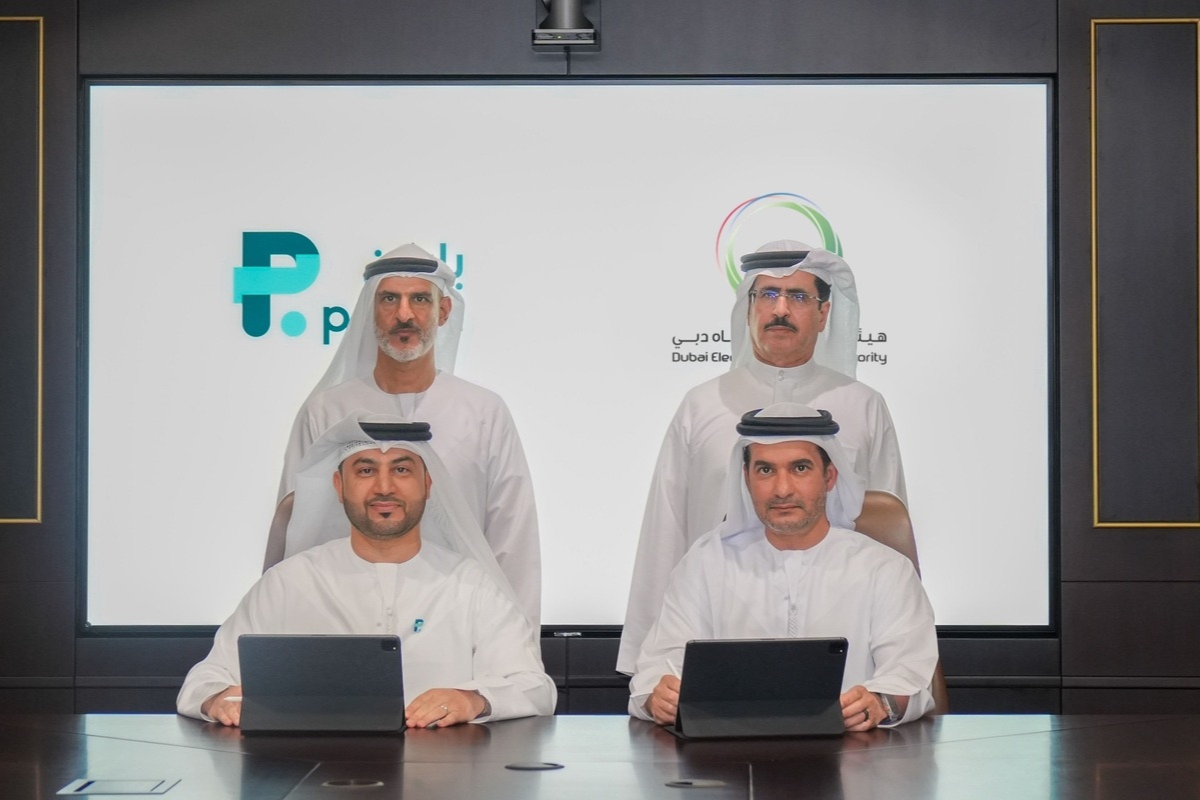
Dubai is set to enhance its electric vehicle infrastructure with the installation of new charging stations in the first quarter of 2025. This initiative results from a collaboration between the Dubai Electricity and Water Authority and Parkin Company PJSC , the emirate’s largest provider of paid public parking facilities and services. The new charging stations will operate on alternating current with a capacity of 22 kilowatts each, […]

Abu Dhabi’s Etihad Airways has deferred its anticipated $1 billion initial public offering until at least next month, following the Eid al-Fitr holiday, according to individuals familiar with the matter. While the airline had not officially announced a specific date for the IPO, sources indicated that an announcement was expected last week, coinciding with Etihad’s report of a substantial profit increase. The reasons for the delay remain undisclosed, as those privy to the situation have chosen to remain anonymous. Both Etihad and its parent company, Abu Dhabi’s $225 billion wealth fund ADQ, have declined to comment on the postponement.

The planned IPO is significant, marking the first major listing of a Gulf airline in nearly two decades. Etihad, established in 2003, had intended to offer approximately 20% of its business through the share issuance to support its growth ambitions. The airline has undergone extensive restructuring and management changes in recent years but has shown signs of expansion under the leadership of CEO Antonoaldo Neves. In its latest financial disclosures, Etihad reported a net profit that more than tripled to $476 million, reflecting a robust recovery in the aviation sector.

The Gulf region has witnessed a surge in IPO activity as governments seek to diversify their economies beyond oil revenues. Etihad’s move to go public aligns with this broader strategy, aiming to attract foreign investment and enhance corporate governance. However, the airline industry globally has faced challenges, including delivery delays, labor disruptions, and rising operational costs. Despite these hurdles, Etihad’s planned IPO has been viewed as a potential bright spot for investors, given the airline’s strategic position and growth prospects.

The delay in the IPO may prompt investors and industry analysts to reassess the timing and valuation of the offering. Market conditions, geopolitical factors, and internal strategic considerations often influence such decisions. As the new timeline extends beyond the Eid al-Fitr holiday, stakeholders will be keenly observing Etihad’s next steps and any further communications regarding the IPO.

Advertisements

Offering Both General and Life Insurance to Meet Customers’ Various Protection Needs HONG KONG SAR – Media OutReach Newswire – 5 March 2025 – PAO Bank Limited (“PAObank”) announced that it has been granted an Insurance Agency Licence from the Insurance Authority (“IA”) and has signed strategic partnership agreements with China Ping An Insurance (Hong Kong) Company Limited (“PAHK”) and FWD Hong Kong (“FWD”) respectively. PAObank is […]

Chinese electric vehicle manufacturer BYD has successfully raised $5.6 billion through a significant share sale, marking the largest equity follow-on offering in the global automotive sector in the past decade. The company sold 129.8 million shares at HK$335.20 each, representing an 8% discount to its previous closing price. The United Arab Emirates-based Al-Futtaim Family Office emerged as a key investor in this transaction, underscoring a strategic partnership […]

Pioneering AI-Powered Cleaning Technology Deployment Marks Strategic Expansion into Hong Kong Market SINGAPORE – Media OutReach Newswire – 4 March 2025 – Primech AI Pte. Ltd. (“Primech AI”) or (the “Company”), a subsidiary of Primech Holdings Limited (Nasdaq: PMEC), is proud to announce the launch of its innovative Robotics as a Service (RaaS) business line, revolutionizing the cleaning solutions industry. This strategic initiative addresses critical industry challenges […]

HA LONG, VIETNAM – Media OutReach Newswire – 4 March 2025 – Vingroup and global investment firm JTA Investment Qatar have announced a Memorandum of Understanding (MOU), opening up strategic investment opportunities in the electric vehicle and tourism sectors. Accordingly, JTA Investment Qatar recognizes VinFast’s global growth strategy, alongside the significant value of Vinpearl’s premium hotels and resorts, leading amusement parks and entertainment clusters, thereby aiming to […]

OPPO is one of the first smartphone brands to implement Private Computing Cloud and has further integrated applications with Google Gemini so users can soon take action across OPPO apps in Gemini. During MWC2025, OPPO unveiled new AI features, including AI Call Translator and AI VoiceScribe, and has committed to releasing new AI updates roughly every month. OPPO plans to bring generative AI features to around 100 […]

Dubai is set to enhance its electric vehicle infrastructure through a strategic collaboration between the Dubai Electricity and Water Authority and Parkin Company PJSC, the city’s leading provider of paid public parking facilities. This initiative aims to install new EV charging stations by the first quarter of 2025, reinforcing Dubai’s commitment to sustainable transportation.

The forthcoming charging stations will operate on alternating current , each offering a capacity of 22 kilowatts. Strategically positioned at prime parking locations managed by Parkin, each station is designed to serve two parking spaces. The focus will be on specific on-street parking areas in Zones A and C, targeting high-density residential communities that currently have limited access to EV charging facilities. This strategic placement aims to address the growing demand for EV infrastructure in densely populated areas.

To enhance user convenience, customers will be able to pay for both parking and charging fees through Parkin’s integrated app and digital wallet, streamlining the transaction process. This seamless payment system is expected to encourage more residents to consider transitioning to electric vehicles by simplifying the charging experience.

DEWA currently operates approximately 740 EV charging points across Dubai and has ambitious plans to expand this network to 1,000 stations by the end of 2025. This expansion aligns with Dubai’s broader sustainability goals and reflects the city’s proactive approach to supporting green mobility. The partnership with Parkin is a significant step towards achieving these objectives, as it leverages Parkin’s extensive network of parking facilities to provide accessible charging options for EV users.

This collaboration is part of DEWA’s ongoing efforts to enhance sustainability and encourage the use of environmentally friendly electric vehicles. By increasing the availability of EV charging stations in convenient locations, DEWA and Parkin aim to support the UAE’s vision for a sustainable future and reduce carbon emissions in the transportation sector.

The initiative also supports the Dubai Green Mobility Strategy 2030, which aims to promote the use of sustainable transport and reduce the emirate’s carbon footprint. By expanding the EV charging infrastructure, Dubai is taking concrete steps towards achieving its environmental goals and encouraging residents to adopt cleaner modes of transportation.

The integration of EV charging stations into Parkin’s facilities represents a significant advancement in Dubai’s efforts to promote sustainable mobility. As the largest provider of paid public parking facilities in the emirate, Parkin’s involvement ensures that EV users will have greater access to charging stations in convenient locations, thereby supporting the global transition to electric vehicles.

The collaboration between DEWA and Parkin underscores Dubai’s commitment to fostering a sustainable urban environment. By investing in EV infrastructure and promoting green mobility, the city is positioning itself as a leader in environmental sustainability and innovation.

At the Mobile World Congress in Barcelona, Qualcomm Technologies unveiled the Qualcomm X85 5G Modem-RF, an advancement poised to redefine connectivity standards for Android devices. This eighth-generation modem-to-antenna solution, integrated with AI capabilities, achieves peak download speeds up to 12.5 Gbps, enhancing streaming, gaming, and overall user experiences. The X85 supports both sub-6 GHz and mmWave frequencies, ensuring seamless connectivity across diverse network environments. Its AI-powered data […]

Introduction This article aims to provide an informative overview of the WienerAI project and its associated token, highlighting its development journey and periodic upgrades introduced by the team since its inception. It is important to note that this text does not constitute financial advice. Rather, it reflects the author’s perspective based on available information and personal observations, with the sole purpose of informing readers. Project Background WienerAI […]

Saudi Arabia has unveiled an ambitious plan to attract investments totaling approximately 375 billion Saudi riyals into its mining sector by 2035, as part of its Vision 2030 initiative aimed at reducing dependence on oil revenues. Khalid Al-Mudaifer, the Deputy Minister of Industry and Mineral Resources for Mining Affairs, announced this strategic objective during the BMO Global Metals, Mining, and Critical Minerals Conference held in Miami from February 23 to 26, 2025.

The Kingdom has already secured investments amounting to 75 billion riyals in mining projects since the implementation of a landmark law designed to attract investors. Al-Mudaifer highlighted that these efforts have significantly boosted the sector’s growth, with the number of mining companies operating in Saudi Arabia increasing from six in 2020 to 133 by the end of 2023.

As part of its Vision 2030 economic diversification strategy, Saudi Arabia aims to position mining as a key pillar of its economy. The Kingdom’s mineral wealth is now valued at 9.3 trillion riyals, up from previous estimates of 5 trillion riyals, reflecting intensified exploration efforts and a growing global demand for critical minerals. Annual exploration spending has risen by 32%, outpacing the global average.

In line with these developments, Saudi Arabia has been actively engaging in international partnerships to bolster its mining sector. Notably, the Kingdom signed nine investment agreements totaling over $9.32 billion in the metals and mining sector with companies including India’s Vedanta and China’s Zijin Group during the World Investment Conference in Riyadh. These deals aim to support Saudi Arabia’s Vision 2030 plan to diversify the economy and attract significant foreign investment.

Saudi Aramco, the world’s largest oil company, plans to expand its investments in lithium production, aiming to become a mining hub and diversify from oil. In collaboration with the state-owned mining firm Ma’aden, Aramco targets commercial lithium production by 2027 to meet increasing demand driven by electric vehicles. This strategic shift aligns with the Kingdom’s efforts to establish a lithium refining and export industry, leveraging its energy competitiveness and infrastructure.

Saudi Arabia’s ambitious $124 billion dividend payout to Aramco shareholders is facing increasing scrutiny as the kingdom grapples with rising fiscal pressures and economic uncertainty. The payout, one of the largest in history, is at the heart of the country’s financial strategy, but concerns about the sustainability of this massive distribution are growing.

The kingdom has long relied on its state-owned oil giant, Saudi Aramco, as a major source of revenue, particularly in funding its Vision 2030 diversification programme. However, with global oil prices experiencing volatility and the kingdom’s economic growth showing signs of strain, questions are being raised about whether such a hefty payout can continue to be supported by the nation’s financial structure.

Saudi Arabia’s fiscal challenges are not new but have intensified recently due to various factors, including fluctuations in oil prices and a need to fund extensive public sector projects aimed at reducing the kingdom’s dependence on oil exports. This shift towards diversification involves significant investments in non-oil sectors such as technology, entertainment, and tourism. While these sectors hold promise for future growth, they have not yet generated the same level of revenue as oil, leaving the government in a delicate position.

Aramco’s profits have been a key contributor to the kingdom’s financial health, with the company remaining one of the world’s most profitable corporations. In 2023, Aramco’s net income exceeded $160 billion, allowing it to maintain its status as the highest dividend-paying company globally. This enabled the state to continue its lavish payouts to shareholders, including the Saudi government itself, which holds a majority stake.

Despite Aramco’s healthy profits, the global energy landscape has shifted significantly. Rising energy costs, geopolitical instability, and increasing competition from renewable energy sources are all factors that could impact the oil industry’s long-term profitability. Saudi Arabia’s ability to balance these challenges with its ambitious payout policy could prove to be a major hurdle.

The kingdom’s fiscal outlook is further complicated by its commitment to maintaining its social and economic development programs, which are pivotal for the success of Vision 2030. The state has allocated significant sums to infrastructure, healthcare, and housing initiatives, all of which are critical for securing the country’s long-term economic stability. However, these expenditures, combined with the substantial payout to Aramco shareholders, create a significant strain on public finances.

To address these challenges, Saudi Arabia is looking to restructure its approach to fiscal management, exploring options such as public debt and non-oil revenue streams. Some analysts suggest that this could involve revising the Aramco dividend model, potentially reducing the payout in favour of reinvesting in the country’s non-oil sectors.

The pressure on the Saudi government is not only financial but also political. With global attention focused on Saudi Arabia’s economic reforms, any deviation from its ambitious growth plans could undermine investor confidence, which has been a cornerstone of its economic strategy. International investors, particularly those in the energy sector, are closely monitoring the situation, aware that any decision to alter the dividend payout could have ripple effects throughout the global markets.

The geopolitical landscape adds another layer of complexity to the situation. Saudi Arabia’s position within OPEC and its ongoing efforts to stabilise global oil prices play a key role in its economic future. However, OPEC’s decisions are increasingly influenced by non-member countries and shifting global consumption patterns. As demand for oil from traditional markets in Europe and the US declines, Saudi Arabia faces the dual challenge of maintaining oil revenues while simultaneously adapting to a future in which oil may no longer be the dominant driver of global growth.

In the wake of these uncertainties, Aramco’s leadership remains focused on enhancing its operations and securing long-term profitability. The company has committed to expanding its investments in petrochemicals, refining, and other energy-related sectors, as well as pursuing green energy initiatives that could ensure its relevance in the post-oil era. However, even with these efforts, Aramco faces growing competition from other energy giants and the increasing pressure to adopt sustainable practices in response to global climate concerns.

Saudi Arabia’s fiscal trajectory will likely remain unpredictable for the foreseeable future, especially as the country navigates the complexities of economic diversification while maintaining its oil revenue base. The government’s ability to balance its financial commitments to both Aramco and its broader economic goals will be crucial in shaping the future of its financial landscape.

Apple’s efforts to revolutionise its voice assistant, Siri, with advanced artificial intelligence capabilities have encountered notable setbacks. Internal sources indicate that a fully modernised, conversational version of Siri is now projected to debut with iOS 20, anticipated in 2027, marking a substantial delay from earlier plans.  The tech giant had initially aimed to integrate large language models into Siri, enhancing its ability to understand and process natural […]

Dubai’s Roads and Transport Authority and Dubai Holding have entered into a landmark agreement valued at AED 6 billion to significantly enhance the emirate’s road infrastructure. The signing ceremony, attended by H.H. Sheikh Ahmed bin Saeed Al Maktoum, Chairman of Dubai Holding, underscores the city’s dedication to improving connectivity and reducing traffic congestion across key urban areas.

The comprehensive plan focuses on upgrading access points and internal road networks in several prominent communities, including Jumeirah Village Circle , Dubai Production City, Business Bay, Palm Jumeirah, and International City . These enhancements aim to streamline traffic flow, bolster road safety, and significantly reduce travel times for residents and visitors alike.

In Jumeirah Village Circle, the project entails the development of four additional access points featuring grade-separated interchanges. This initiative is designed to double the capacity of the area’s entry and exit points, potentially reducing travel time on internal roads and access points by up to 70%. The improvements are also expected to enhance traffic safety and ensure seamless flow at intersections.

For Dubai Production City, new bridges will be constructed to improve access from Sheikh Mohammed bin Zayed Road. These upgrades are anticipated to cut travel time at entry and exit points and improve traffic flow on internal roads by 50%.

In Business Bay, the agreement includes surface improvements at intersections leading from Sheikh Zayed Road and the construction of a pedestrian bridge at the intersection with First Al Khail Road. These measures aim to enhance pedestrian safety and optimize traffic flow. Upgrades to internal roads in the Towers Area are expected to reduce travel time by 30% across entry and exit points and internal routes.

Palm Jumeirah will see the construction of additional acceleration and deceleration lanes at six locations to optimize traffic flow. Two pedestrian bridges will replace at-grade crossings, enhancing mobility and ensuring pedestrian safety while reducing travel time within Palm Jumeirah by 40%.

The project also covers the expansion of the road marking the entrance into International City from Manama Street by adding a new lane, widening internal roads, and upgrading surface intersections with traffic signals. These enhancements are expected to streamline traffic flow, enhance road safety, and reduce travel time from 15 minutes to just five minutes.

H.H. Sheikh Ahmed bin Saeed Al Maktoum emphasized that this strategic partnership reflects a shared vision of a city that is not only innovative but also seamlessly accessible. He stated that through projects like these, Dubai Holding reaffirms its commitment to shaping the future of the emirate by developing world-class communities and infrastructure that enhance connectivity, mobility, and quality of life for all who call Dubai home. Together with RTA, they are reinforcing Dubai’s position as a leading global hub in urban innovation.

Mattar Al Tayer, Director-General and Chairman of the Board of Executive Directors of RTA, expressed his pleasure in signing the agreement with Dubai Holding to enhance access points for the group’s key development areas. He stated that this agreement will enhance the capacity of internal roads and access points, leading to reduced travel times, improved connectivity for residents and visitors, and greater road safety for all users. Al Tayer added that RTA remains dedicated to fostering strategic partnerships with real estate developers to ensure the road infrastructure in development areas can effectively accommodate traffic demand, enhancing seamless mobility for residents and visitors. The projects under this agreement are expected to reduce travel time and increase the capacity of entry and exit points by 30 to 70%.

Amit Kaushal, Group Chief Executive Officer of Dubai Holding, underscored the company’s support for RTA and its efforts to enhance connectivity and accessibility across the city, particularly in some of Dubai’s most dynamic destinations. He noted that Dubai Holding is dedicated to delivering integrated, future-ready developments that meet the evolving needs of businesses and communities. Kaushal highlighted that these road enhancements will not only reduce travel times and improve road capacity but also elevate the overall experience of their communities, reinforcing Dubai Holding’s commitment to shaping a more connected and sustainable Dubai.

This agreement aligns with Dubai’s broader strategy to invest in infrastructure that supports economic growth and enhances the quality of life for its residents. By collaborating on such large-scale projects, RTA and Dubai Holding aim to address the growing transportation needs of the city, ensuring efficient and safe mobility for all.

Chinese artificial intelligence startup DeepSeek has unveiled data suggesting its V3 and R1 models could achieve a theoretical daily cost-profit ratio of 545%. citeturn0news9 This revelation has significant implications for the AI industry, particularly concerning operational efficiencies and cost structures.

According to DeepSeek’s disclosure, the daily operational cost for these models amounts to $87,072. This figure is based on the rental expense of Nvidia’s H800 graphics processing units , priced at $2 per hour. In contrast, the models are projected to generate daily revenues of $562,027, leading to the stated 545% cost-profit ratio. citeturn0news9

However, DeepSeek has cautioned that actual revenues may be lower due to various factors, including different model costs, free access via web and app platforms, and reduced developer fees during off-peak hours. citeturn0news9

The company’s pricing strategy has been notably aggressive. DeepSeek recently announced discounts of up to 75% for developers during off-peak hours, specifically from 1630 GMT to 0030 GMT. This move aims to attract a broader developer base and challenge global competitors by offering more affordable integration options. citeturn0news10

Beijing has expressed support for DeepSeek’s advancements, emphasizing that the company seeks to complement, rather than compete directly with, U.S. AI giants like OpenAI and Google DeepMind. The Chinese embassy in Washington highlighted the collaborative potential of global AI developments, reflecting a preference for cooperation over competition. citeturn0news11

DeepSeek’s models have seen rapid adoption across various sectors in China, including hospitals, local governments, car manufacturers, and state-owned enterprises. This widespread integration is attributed to the models’ low deployment costs and the company’s open-source strategy, which have facilitated seamless adoption. Notably, endorsements from President Xi Jinping and major Chinese corporations like Tencent, BYD, and Great Wall Motor have further propelled DeepSeek’s prominence in the AI landscape. citeturn0news12

The company’s cost-efficient approach has raised questions about the high expenditure models prevalent among U.S. AI firms. DeepSeek’s ability to deliver competitive performance using less powerful and more affordable hardware challenges the existing paradigms of AI development and deployment costs.

Microsoft has officially announced the end of Skype’s era as the company shifts its focus towards Teams as its primary platform for video calling and communication. After 23 years of providing messaging, voice, and video calling services to millions globally, Skype will no longer be a key player in Microsoft’s communication strategy. This move underscores a broader trend in the tech industry where organisations are consolidating their […]

Matein Khalid All roads lead to Riyadh, which has replaced Geneva as the epicentre of global diplomacy in 2025. Presidents Trump and Putin will meet in the Saudi capital amid the most dramatic U-turn in US foreign policy as Washington switches sides in the Ukraine war in favour of the Kremlin, bypassing the EU and the embattled Ukraine state. Egyptian President Abdul Fattah al-Sisi is in Riyadh to coordinate the Arab […]

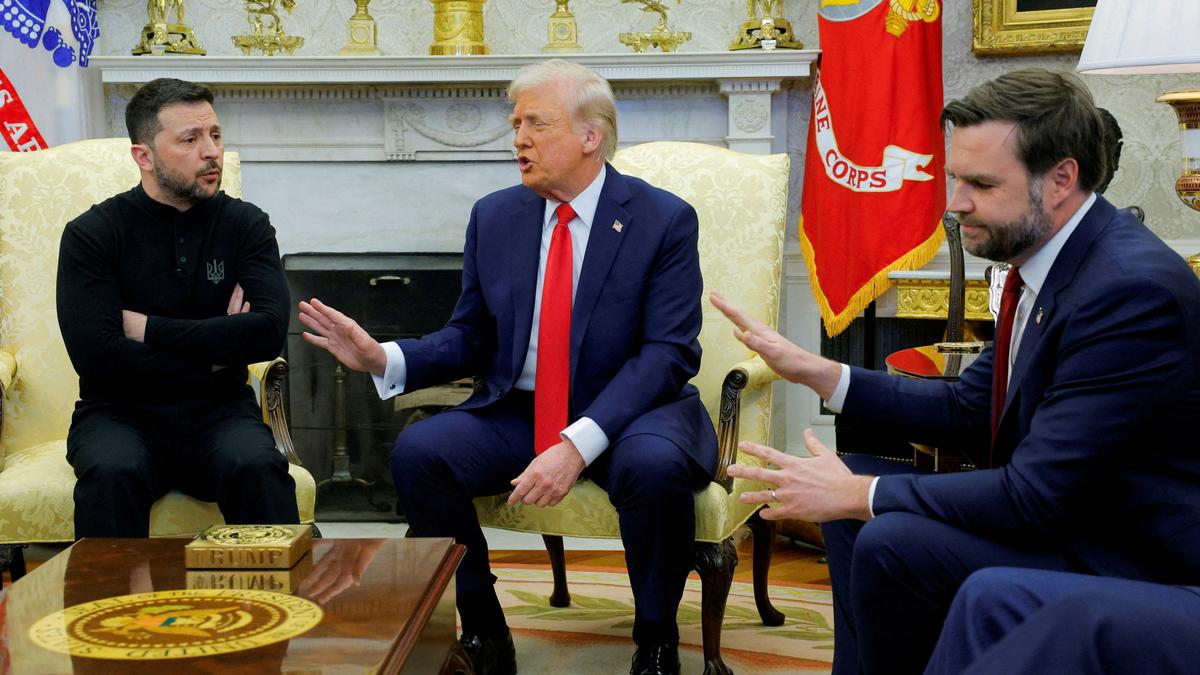
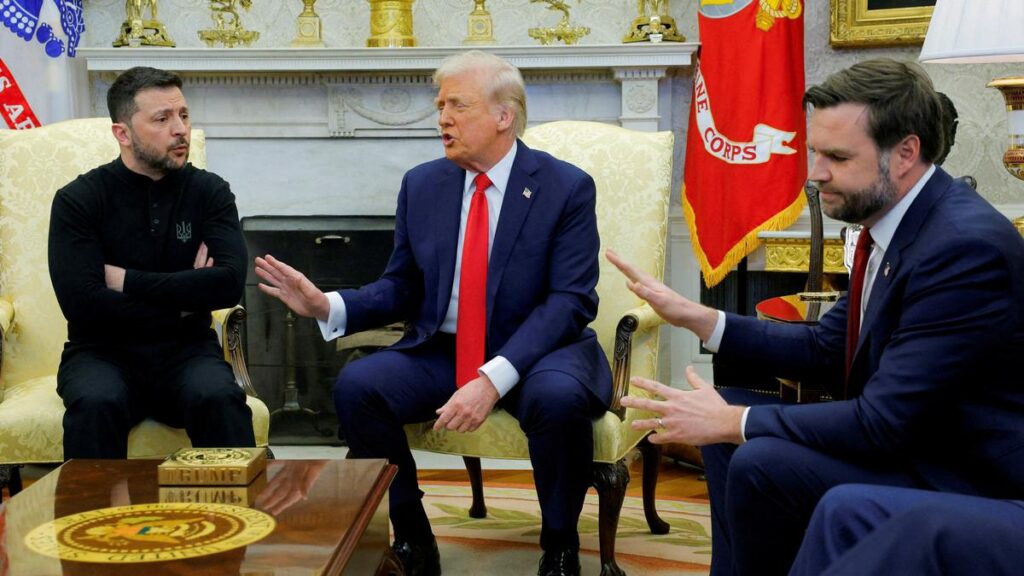
By Nitya Chakraborty Is the global geopolitics moving a full circle after 80 years since the end of the Second World War in 1945? The question is now extremely relevant after the world saw on Friday in TV channels the unprecedented spat between the United States president Donald Trump and the Ukrainian president Volodymyr Zelenskyy. […]


Electronic Arts has released the source code for four iconic Command & Conquer titles—Tiberian Dawn, Red Alert, Renegade, and Generals—under the open-source GPL license. This initiative aims to support the modding community and ensure the preservation of these classic games. The source code is now accessible on EA’s GitHub page, although game assets and cinematics remain proprietary. This move is not EA’s first foray into open-sourcing; in […]

VISHNU RAJA
RYO YAMADA
HITORI GOTOH
IKUYO KITA