News related to
Strategy

India has inaugurated its first hyperloop test track, a 422-meter facility developed by the Indian Institute of Technology Madras in collaboration with the Ministry of Railways. This significant milestone aims to revolutionize high-speed transportation in the country, potentially reducing travel times between major cities to mere minutes.

The hyperloop concept, first proposed by Elon Musk in 2013, envisions passenger pods traveling through low-pressure tubes at speeds exceeding 1,000 km/h. The completion of this test track at IIT Madras marks India’s commitment to exploring this cutting-edge technology. The facility, located on the IIT Madras campus in Chennai, serves as a critical platform for testing and refining hyperloop systems.

Union Minister for Railways, Electronics, and Information Technology, Ashwini Vaishnaw, announced an additional grant of $1 million to IIT Madras for the continued development of the hyperloop project. This funding follows two previous grants of the same amount, underscoring the government’s dedication to advancing this transformative mode of transport. Speaking at the closing ceremony of the Global Hyperloop Competition 2025, held at the Discovery Campus in Thaiyur, Vaishnaw emphasized the importance of this investment in propelling India’s transportation infrastructure into the future.

The hyperloop system promises to drastically cut travel times between major urban centers. For instance, the distance between Delhi and Jaipur, approximately 300 kilometers, could be traversed in less than 30 minutes using this technology. Similarly, routes like Mumbai to Delhi and Bengaluru to Chennai could see travel times reduced to a fraction of current durations. Such advancements not only enhance passenger convenience but also have the potential to boost economic activities by facilitating faster movement of goods and people.

The Ministry of Railways is also exploring the development of a 50-kilometer commercial hyperloop corridor, which would be the world’s longest test track of its kind. This initiative aims to assess the feasibility of integrating hyperloop technology into India’s existing transportation network. The proposed corridor is expected to serve as a prototype for future commercial hyperloop routes, setting the stage for a new era of high-speed travel in the country.

IIT Madras has been at the forefront of hyperloop research in India. The institute’s Avishkar Hyperloop team has been actively involved in developing scalable and efficient hyperloop technologies. Their efforts have garnered international recognition, positioning India as a significant player in the global pursuit of ultra-fast transportation solutions. The team’s work focuses on creating cost-effective and energy-efficient systems tailored to India’s unique geographic and demographic challenges.

The hyperloop project aligns with India’s broader strategy to modernize its transportation infrastructure. The government has been prioritizing investments in railway modernization, with plans to expand the 68,000-kilometer rail network and introduce 400 high-speed Vande Bharat trains by 2027. The integration of hyperloop technology is seen as a complementary effort to these initiatives, offering an alternative mode of transport that could alleviate congestion on traditional rail and road networks.

However, the implementation of hyperloop systems is not without challenges. High capital expenditure, land acquisition hurdles, and the need for rigorous safety standards pose significant obstacles. Moreover, the technology is still in its nascent stages globally, with no fully operational commercial hyperloop systems to date. Despite these challenges, India’s proactive approach, exemplified by the IIT Madras test track and continued governmental support, reflects a strong commitment to overcoming these barriers and pioneering the future of transportation.


By Aditi Jha The tragic death of Prakriti Lamsal, a Nepali B.Tech student at Kalinga Institute of Industrial Technology (KIIT), a private engineering college in Bhubaneswar, Odisha, in February 2025, exposed serious problems of institutional incompetence and poor management. Prakriti’s death was followed by protests by Nepali students who claimed that the university administration had […]
Bitcoin miners’ share of total on-chain transaction volume has fallen to 2.4%, the lowest level since May 2023, according to data from IntoTheBlock. This decline suggests a significant shift in miner behavior and its potential impact on the broader cryptocurrency market. Historically, miners have contributed between 3% to 4% of Bitcoin’s on-chain volume. The recent drop to 2.4% indicates a notable reduction in their activity. Several factors […]

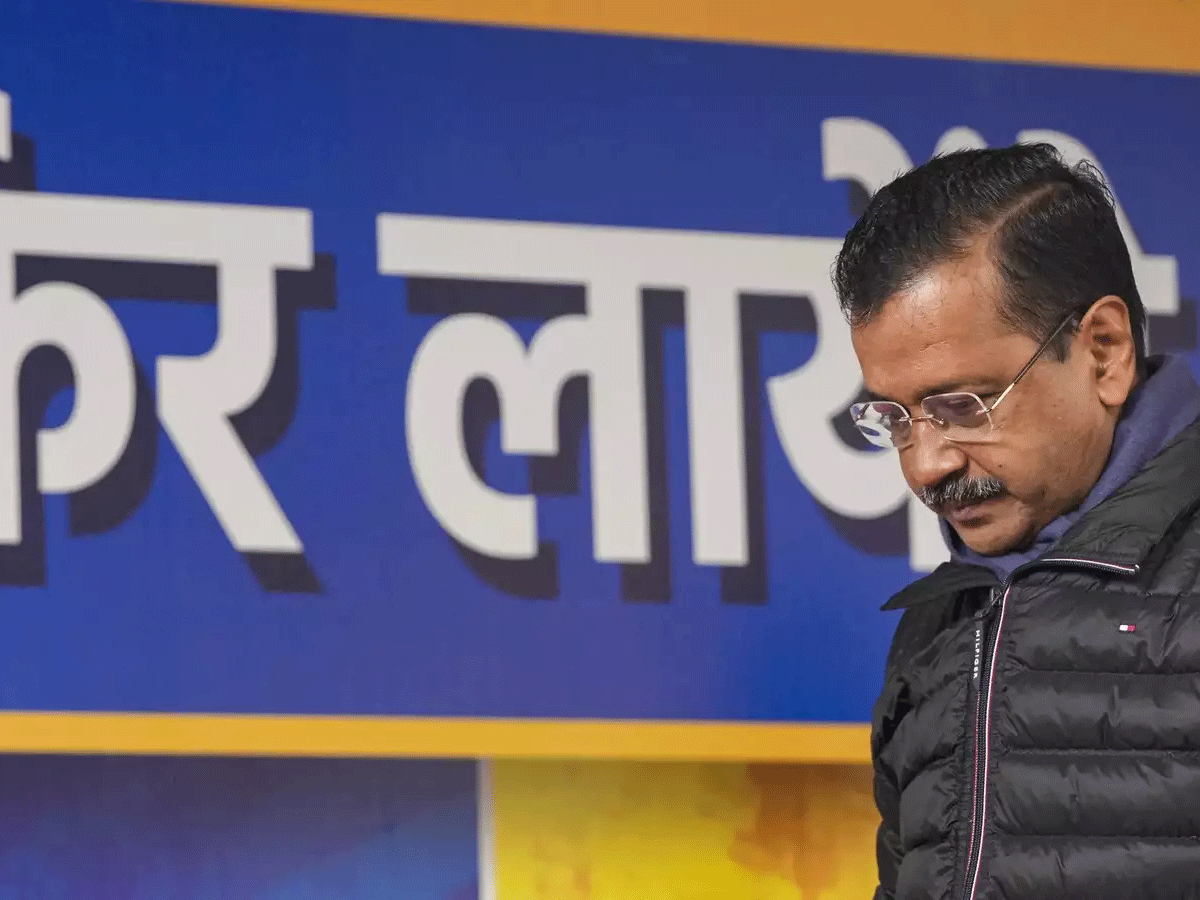
By Dr. Gyan Pathak 8th Delhi Assembly session had tumultuous session on Tuesday, February 25.. The issue of replacement of Dr B R Ambedkar’s portrait with Prime Minister Narendra Modi’s in Delhi Chief Minister’s office not only led to ruckus but also expulsion of 12 AAP MLAs. The issue is politically very sensitive and may […]

e&, formerly known as Etisalat Group, has reported a consolidated net profit of AED 10.8 billion for the fiscal year 2024, marking a 4.3% increase compared to the previous year. This financial milestone underscores the company’s strategic transformation over the past three years, solidifying its position as a global technology conglomerate. The group’s consolidated revenues reached AED 59.2 billion, reflecting a 10.1% year-over-year growth. When adjusted for […]

UAE-based fintech company Flow48 has successfully raised $69 million in a Series A funding round, combining debt and equity, to enhance its financing solutions for small and medium-sized enterprises and expand into Saudi Arabia. The investment round was led by Paris-based venture capital firm Breega, with participation from investors including 212, Speedinvest, Daphni, Endeavor Catalyst, Evolution Ventures, and Plus VC. Founded in 2022 by CEO Idriss Al […]

65 percent of employees are willing to sacrifice existing benefits for a better choice of benefits 45 percent agree that their compensation is fair compared to similar roles SINGAPORE – Media OutReach Newswire – 26 February 2025 – Aon plc (NYSE: AON), a leading global professional services firm, today released results from its 2025 Human Capital Employee Sentiment Study. The global study of more than 9,000 employees […]

Advertisements
https://www.census.gov/foreign-trade/balance/c5700.htmlhttps://www.census.gov/foreign-trade/balance/c5700.htmlBy Dr. Nilanjan Banik The US-China trade war has been a focal point of economic discussions for a significant period, as the world’s two largest economies have imposed tariffs on each other’s goods. The Trump administration imposed 10% tariffs on Chinese imports, while China, in turn, levied 15% tariffs on US liquid natural gas (LNG) […]

HONG KONG SAR – Media OutReach Newswire – 25 February 2025 – DFI Retail Group (“DFI”) today announced important leadership changes to strengthen its strategic capabilities and drive growth. Ella Chan has been appointed as Group Chief Strategy Officer, effective 1 April 2025. Ella brings over two decades of leadership experience in global strategy, transformation, and innovation within the retail and consumer sectors. In her new role, […]

Hasbro Inc. has reported a significant surge in its digital and licensed gaming segment, with revenues climbing 22% year-over-year to $471.7 million in 2024. A substantial portion of this growth is attributed to the mobile game Monopoly Go!, which alone contributed $112 million to the company’s coffers.

Monopoly Go!, developed by Scopely in collaboration with Hasbro, has emerged as a standout success in the mobile gaming arena. Launched in April 2023, the game has captivated a vast audience, blending classic Monopoly gameplay with engaging new features tailored for mobile users. By November 2023, the game had generated over $1 billion in revenue, solidifying its position as one of the most lucrative mobile game launches of the year. This momentum continued into 2024, with the game surpassing the $2 billion revenue mark by March.

The financial impact of Monopoly Go! on Hasbro’s earnings is noteworthy. In the fourth quarter of 2024 alone, the game contributed $38 million, averaging approximately $10 million per month. Hasbro’s CEO, Chris Cocks, expressed confidence in the game’s ongoing performance, stating, “We feel pretty confident in that $10 million number.”

Beyond Monopoly Go!, Hasbro’s digital gaming portfolio has shown resilience and growth. The company’s Wizards of the Coast and Digital Gaming division reported a 4% increase in revenue, reaching $1.51 billion in 2024. This uptick is partly due to the enduring popularity of titles like Magic: The Gathering and the unexpected success of Baldur’s Gate 3. The latter’s royalties nearly doubled initial forecasts, underscoring the game’s strong market reception.

Despite these digital successes, Hasbro faced challenges in other areas. The company’s overall revenue for 2024 stood at $4.13 billion, marking a 17% decline compared to the previous year. This downturn is attributed to various factors, including the sale of its eOne film and television business and a dip in demand for traditional toys such as Star Wars action figures and Nerf products.

In response to these challenges, Hasbro has unveiled a strategic plan titled “Playing to Win,” aiming to achieve $1 billion in cost savings and mid-single-digit compound annual revenue growth by 2027. This strategy focuses on meeting global consumer demand across various price points and enhancing engagement through online platforms. CFO Gina Goetter emphasized the company’s commitment to profitability, stating that Hasbro aims to emerge as “one of the most profitable toy and game companies globally.”

The company’s stock has reflected these developments, with shares rising over 11% following the announcement of the fourth-quarter results and the new strategic plan. This surge indicates investor confidence in Hasbro’s direction, particularly its emphasis on digital gaming and strategic cost management.

Dubai authorities have imposed fines of Dh50,000 on 159 companies for violating telemarketing regulations, intensifying efforts to protect consumer privacy and enhance business practices. The Dubai Corporation for Consumer Protection and Fair Trade , operating under the Dubai Department of Economy and Tourism , announced these penalties following the enforcement of Cabinet Decision No. 56 of 2024, which came into effect in August 2024.

The DCCPFT initially issued warnings to 174 companies, urging compliance with the new telemarketing rules. Despite these warnings, 159 companies failed to adhere to the guidelines, resulting in substantial fines. These regulations are part of a broader initiative to reduce intrusive telemarketing calls, ensuring consumer comfort and privacy.

Key provisions of the telemarketing regulations include prohibiting calls to consumers listed on the ‘Do Not Call Registry’ managed by the Telecommunications and Digital Government Regulatory Authority , restricting marketing calls to between 9 am and 6 pm, and requiring telemarketers to inform consumers at the outset if the call is being recorded. Additionally, the regulations forbid the disclosure of personal data without explicit consent and the trading of such data for marketing purposes.

These rules apply to all licensed companies in the UAE, including those operating within free zones. The DCCPFT emphasised that the implementation of these regulations aims to foster a business-friendly environment, bolster consumer trust, and create a fair competitive landscape that enhances economic stability.

The introduction of these stringent measures aligns with Dubai’s D33 economic agenda, launched in 2023, which aspires to position the city among the top three global destinations over the next decade and double the size of its economy by 2033. In the first nine months of 2024, Dubai’s economy experienced a growth of 3.1%, reaching Dh339.4 billion, driven by expansions in sectors such as transport and financial services.

The DCCPFT’s decisive actions reflect a commitment to upholding consumer rights and ensuring that businesses engage in ethical marketing practices. By enforcing these regulations, Dubai aims to minimise market-disruptive practices and promote a positive business climate conducive to sustainable economic growth.

In addition to financial penalties, the TDRA has taken measures against individuals using personal numbers for marketing purposes, detecting over 2,000 violations since the regulations were implemented. Penalties for first-time offenders include a Dh5,000 fine and suspension of all phone numbers registered under the individual’s name until payment is made. Repeat offenders face escalating fines and extended suspensions, with third-time violators being prohibited from obtaining any telecommunications services in the UAE for 12 months.

These comprehensive efforts underscore Dubai’s dedication to protecting consumers from unwanted solicitations and ensuring that telemarketing activities are conducted within the bounds of respect and legality. As the city continues to evolve as a global business hub, maintaining stringent consumer protection standards remains a pivotal aspect of its economic strategy.

Careem, the region’s leading multi-service platform, has announced a partnership with Bustanica, the world’s largest vertical farm, to deliver fresh, pesticide-free produce directly to customers across the United Arab Emirates . This collaboration aims to enhance access to high-quality, locally grown vegetables, reinforcing the nation’s commitment to food security and sustainable agricultural practices.

Bustanica, a $40 million investment by Emirates Flight Catering and Crop One Holdings, operates a 330,000-square-foot facility near Al Maktoum International Airport in Dubai. Utilising advanced hydroponic technology, the farm produces over 1,000,000 kilograms of leafy greens annually, including lettuce, spinach, parsley, and kale. The innovative farming methods employed allow for cultivation without soil, natural sunlight, or pesticides, and use 95% less water than traditional agriculture.

Through this partnership, Careem’s customers can order Bustanica’s fresh produce via the Careem app, ensuring convenient access to nutritious greens harvested daily. The produce is grown in a controlled environment, free from pesticides, herbicides, and chemicals, guaranteeing high-quality, clean, and safe food options for consumers.

Bustanica’s facility operates on a continuous production cycle, driven by machine learning, artificial intelligence, and a team of experts in agronomy, engineering, horticulture, and plant science. This approach ensures a consistent supply of fresh produce, unaffected by external factors such as weather or pests. The closed-loop system employed in the farm recycles water, leading to significant conservation of resources—saving over 250 million litres annually compared to traditional farming methods.

The collaboration between Careem and Bustanica not only provides consumers with easy access to fresh, locally grown produce but also supports the UAE’s National Food Security Strategy 2051. This strategy emphasises sustainable food production through advanced technology and smart solutions, aiming to balance food security with resource conservation and economic diversification.

By integrating Bustanica’s produce into its delivery platform, Careem is contributing to the promotion of healthy eating habits and the reduction of the UAE’s reliance on imported foods. This initiative aligns with the global trend of adopting vertical farming and other innovative agricultural practices to address food security challenges, especially in regions with arid climates and limited arable land.

The partnership also highlights the role of technology in revolutionising the agriculture sector. Bustanica’s use of artificial intelligence and machine learning optimises growing conditions, enhances crop yields, and ensures the efficient use of resources. This model of farming presents a viable solution for sustainable food production in urban settings, reducing the carbon footprint associated with food transportation and promoting environmental conservation.

As the UAE prepares to host the COP28 summit, initiatives like the Careem-Bustanica partnership underscore the nation’s commitment to environmental sustainability and innovative solutions to global challenges. By investing in and supporting such projects, the UAE is positioning itself as a leader in sustainable agriculture and food security on the world stage.

International Holding Company , under the leadership of Chairman Sheikh Tahnoon bin Zayed Al Nahyan, has reported a remarkable 54.2% increase in revenue for the fiscal year 2024, reaching AED 92.7 billion, up from AED 60.1 billion in 2023. This significant growth is attributed to strategic portfolio management and the integration of AI-driven efficiencies across its diverse business units. The company’s total assets expanded by 52% to […]

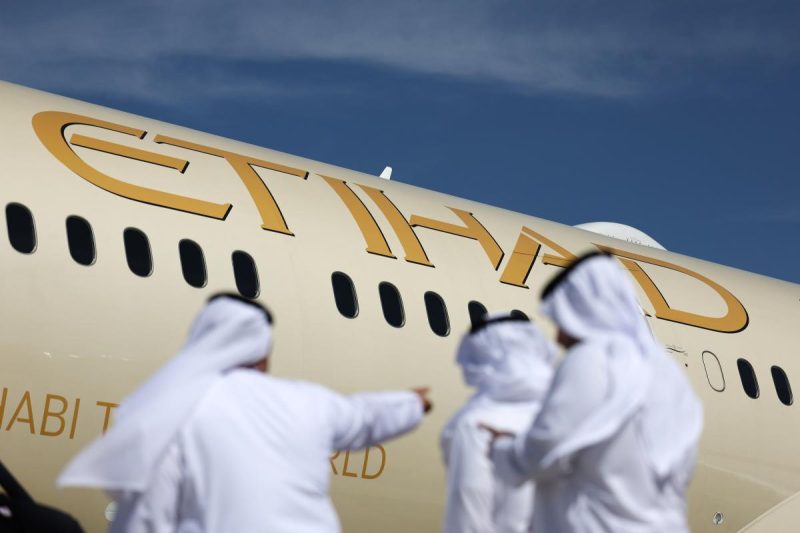
Etihad Airways is set to announce the launch of an initial public offering worth $1 billion, sources have revealed. This marks a significant milestone in the aviation industry, as it would be the first public listing by a major Gulf airline in nearly two decades.

The airline, which is fully owned by Abu Dhabi’s sovereign wealth fund ADQ, intends to offer 20% of its business to the public, with the funds raised being allocated towards accelerating its expansion plans. The decision to go public highlights Etihad’s ambitions to position itself as a stronger player in the global airline industry.

The move also underscores the growing trend among Gulf-based companies to raise capital through IPOs, following a wave of high-profile listings in the region. The Middle East has witnessed a surge in IPO activity in recent years, driven by a desire for diversification and economic growth, in line with the region’s broader efforts to reduce reliance on oil revenues.

Etihad’s decision to open up its equity to public investors is part of a larger strategy aimed at enhancing its operational capabilities and competing more effectively with regional and international rivals. The airline’s plans include expanding its fleet, increasing flight frequencies, and potentially adding new routes to cater to growing demand in key global markets.

The IPO also reflects the broader changes taking place in the aviation sector, particularly in the Gulf region. Airlines in the region, such as Emirates and Qatar Airways, have been aggressively investing in their fleets and expanding their networks in a bid to capture more market share. Etihad’s move to become a publicly traded entity comes as the airline looks to consolidate its position as a leading regional carrier, competing with its peers.

Sources close to the matter suggest that Etihad’s management team is optimistic about the potential success of the IPO, given the ongoing recovery in the global travel industry following the challenges posed by the COVID-19 pandemic. The airline is reportedly confident that investors will be attracted to its growth prospects, as air travel demand rebounds and the aviation sector experiences a strong recovery.

The IPO will be managed by a consortium of financial institutions, which are expected to handle the share sale process. The precise timing of the launch is yet to be confirmed, but it is anticipated to take place in the coming days. As part of the offering, Etihad is likely to sell a portion of its shares to institutional investors, with a smaller portion allocated to retail investors.

Etihad Airways has faced a challenging few years as it navigated the impacts of the global pandemic, which resulted in a significant decline in air travel demand. However, the airline has implemented a series of cost-cutting measures and streamlined its operations in an effort to adapt to the changing market environment. These efforts, coupled with its focus on expanding its network and enhancing its product offering, have positioned Etihad for long-term growth.

Despite the challenges faced by the airline, Etihad has remained committed to its vision of becoming a global aviation leader. The airline’s investment in new technologies, customer service initiatives, and sustainability measures has helped bolster its reputation and attract a loyal customer base. By tapping into the capital markets, Etihad hopes to strengthen its financial position and continue to invest in its future growth.

The IPO is expected to be closely watched by market analysts, investors, and industry experts alike, as it could signal the beginning of a new era for Gulf airlines. If successful, Etihad’s IPO could set a precedent for other regional carriers considering similar moves. Airlines in the region are under increasing pressure to modernize their fleets, improve operational efficiencies, and adapt to changing consumer preferences.

Etihad’s decision to go public is part of the wider trend in the Gulf region, where state-owned companies are increasingly seeking to diversify their operations and raise funds to support growth initiatives. The UAE government has been actively encouraging the privatization of certain state-owned entities to promote economic development and attract foreign investment.

South Dakota’s House Commerce and Energy Committee has effectively terminated a legislative proposal that would have permitted the state to allocate a portion of its public funds to Bitcoin investments. During a session on February 24, the committee voted to defer House Bill 1202 to the 41st day of the legislative session, a procedural move that, given the session’s 40-day limit, effectively kills the bill for this term.

Introduced by Representative Logan Manhart on January 30, HB 1202 sought to amend the state’s public funds investment strategy, allowing up to 10% of the portfolio to be invested in Bitcoin. Proponents argued that such a move could diversify the state’s investments and position South Dakota at the forefront of digital asset adoption among U.S. states.

However, the proposal faced significant opposition within the committee. Critics raised concerns about the volatility of Bitcoin, the lack of comprehensive federal regulation, and the potential risks associated with allocating public funds to a relatively nascent and fluctuating asset class. These apprehensions contributed to the decision to defer the bill, effectively halting its progress for the current legislative session.

Despite this setback, Representative Manhart has expressed his intention to reintroduce the legislation in 2026. In a statement on social media platform X, he acknowledged the challenges faced but remained optimistic about the future integration of digital assets into the state’s investment portfolio.

South Dakota’s move mirrors similar legislative efforts in other states. In North Dakota, a proposal to establish a Bitcoin reserve was narrowly defeated, with 57 representatives opposing and 32 in favor. Montana’s House Bill 429, which aimed to create a state revenue account for investments in precious metals and digital assets, also failed to pass, with 59 votes against and 41 in support. Wyoming saw its HB 0201 bill, authorizing the state treasurer to invest public funds in Bitcoin, rejected by seven out of nine representatives.

Conversely, some states continue to explore the potential of integrating digital assets into their financial strategies. Utah is on the verge of passing legislation that would permit up to 5% of major state funds to be invested in qualifying digital assets. Arizona’s Strategic Bitcoin Reserve Act, which proposes allocating up to 10% of state and public funds, including pension funds, to Bitcoin, recently advanced past the Senate Finance Committee with a five-to-two vote and awaits further debate in the Senate Rules Committee.

At the federal level, President Donald Trump has been a vocal advocate for the United States establishing a national cryptocurrency reserve. In an executive order dated January 23, he proposed the formation of a working group to explore the creation and maintenance of a U.S. crypto stockpile. However, many of his executive orders have encountered legal challenges, with opponents questioning their constitutionality.

The mixed outcomes of these legislative efforts reflect the broader national debate over the adoption and regulation of digital assets. Proponents argue that incorporating cryptocurrencies like Bitcoin into state investment portfolios can offer diversification benefits and hedge against traditional market fluctuations. Critics, however, point to the inherent volatility of digital currencies, the potential for regulatory upheaval, and the fiduciary responsibility to safeguard public funds from high-risk investments.

In South Dakota, the deferral of HB 1202 underscores the cautious approach many state legislatures are adopting toward cryptocurrency investments. While the current bill has been shelved, the conversation surrounding digital assets and their place in public investment strategies is far from over. As the regulatory environment evolves and more data becomes available, future legislative sessions may revisit the topic with renewed perspectives and insights.

The American University in Dubai has formalised a significant partnership with the University of Pennsylvania’s Perelman School of Medicine to establish the AUD School of Medicine in Dubai. This collaboration marks a major step in enhancing medical education in the UAE, leveraging Penn Medicine’s vast expertise to provide world-class training and resources to future healthcare professionals in the region. The new school aims to offer a rigorous […]

California’s Attorney General, Rob Bonta, has issued legal advisories emphasizing that existing state laws apply to the development and use of artificial intelligence . These advisories highlight the necessity for businesses to ensure their AI systems comply with consumer protection, civil rights, competition, and data privacy regulations. The advisories also underscore the importance of transparency, urging entities to disclose AI usage to consumers and ensure the reliability […]

El Salvador has resumed its Bitcoin acquisition strategy, purchasing an additional 7 BTC on February 25, 2025, after a week-long hiatus. This brings the nation’s total holdings to approximately 6,088 BTC, currently valued at around $572 million. The recent pause in daily purchases coincided with the country’s negotiation of a $1.4 billion loan agreement with the International Monetary Fund , which required El Salvador to scale back its Bitcoin initiatives, including making acceptance of the cryptocurrency voluntary for businesses.

The government’s decision to continue accumulating Bitcoin, despite the IMF’s stipulations, underscores President Nayib Bukele’s commitment to integrating the cryptocurrency into the nation’s financial framework. Since adopting Bitcoin as legal tender in September 2021, El Salvador has consistently increased its holdings, with purchases varying in size. Notably, on February 4, 2025, the government acquired 11 BTC in a single transaction, deviating from its usual daily acquisition strategy.

In March 2024, President Bukele transferred approximately 5,600 BTC to a cold wallet, referred to as “El Salvador’s first Bitcoin piggy bank,” marking the first public disclosure of the nation’s Bitcoin wallet address. This move aimed to enhance transparency and security in managing the country’s digital assets.

The IMF loan agreement, structured over 40 months under the Extended Fund Facility, follows four years of negotiations. As part of the deal, El Salvador committed to modifying its Bitcoin policies, including making its acceptance voluntary for private sector businesses. Despite these conditions, the government has continued its Bitcoin purchases, reflecting a nuanced approach to balancing international financial obligations with its cryptocurrency ambitions.

Apple Inc. has unveiled an ambitious plan to invest over $500 billion in the United States within the next four years, a move poised to significantly bolster the nation’s technology infrastructure and employment landscape. Central to this initiative is the construction of a 250,000-square-foot manufacturing facility in Houston, Texas, dedicated to producing servers for Apple’s artificial intelligence operations. This facility is expected to commence operations in 2026, […]

Shares of Japanese semiconductor equipment manufacturers experienced notable declines today following reports that the United States government is preparing to implement more stringent export controls targeting China’s semiconductor industry. This development has raised concerns about potential disruptions in the global technology supply chain and the financial health of key industry players.

Tokyo Electron Ltd., a leading Japanese semiconductor equipment maker, saw its stock price drop by as much as 4.4% during trading hours. Similarly, other prominent companies in the sector, such as Advantest Corp. and Lasertec Corp., also faced downward pressure on their share prices. These movements in the stock market reflect investor apprehension regarding the potential impact of the proposed U.S. export restrictions on these firms’ operations and revenues.

The proposed measures by the U.S. government aim to curb China’s access to advanced semiconductor technologies, thereby limiting its ability to develop cutting-edge technologies in areas like artificial intelligence and supercomputing. This initiative is part of a broader strategy to maintain technological superiority and address national security concerns. The new controls are expected to include restrictions on the export of certain semiconductor manufacturing equipment and high-performance computing chips to Chinese entities.

In response to these developments, Chinese technology companies are reportedly accelerating efforts to achieve self-sufficiency in semiconductor production. For instance, Huawei Technologies Co. has made significant progress in producing advanced artificial intelligence chips, with the yield of its Ascend 910C processors increasing to nearly 40%, up from 20% the previous year. This improvement underscores China’s determination to reduce reliance on foreign technology amid escalating trade tensions.

The potential implementation of stricter export controls has also prompted discussions among industry stakeholders and policymakers in Japan. Given the interconnected nature of the global semiconductor supply chain, Japanese companies play a crucial role in providing essential equipment and materials for chip production worldwide. The proposed U.S. measures could compel these firms to reassess their business strategies and explore alternative markets to mitigate potential losses resulting from reduced access to the Chinese market.

Dubai has introduced ‘Salama,’ an artificial intelligence-powered platform designed to expedite visa renewals, allowing residents to complete the process in minutes without physical paperwork or visits to service centres. The General Directorate of Residency and Foreigners Affairs announced this initiative on Monday, aligning with the UAE’s broader digital transformation strategy. Salama automatically recognises user details upon login, displays the status of dependents’ visas, and highlights the remaining […]

In an unprecedented cyberattack, cryptocurrency exchange Bybit has suffered a $1.5 billion theft, marking the largest crypto heist to date. The U.S. Federal Bureau of Investigation has intensified its search for Park Jin Hyok, a North Korean hacker linked to the Lazarus Group, suspected of orchestrating this massive breach.

Bybit reported that during a routine transfer between digital wallets, an attacker manipulated the process, diverting approximately $1.5 billion worth of Ethereum to an unidentified address. CEO Ben Zhou assured customers that their remaining assets are secure, though withdrawal requests may experience delays. Zhou emphasized the company’s financial resilience, stating that Bybit can absorb the loss and remain solvent even if the stolen funds are not recovered.

The FBI has identified the Lazarus Group, also known as APT38, as the entity responsible for this theft. This group, comprising North Korean state-sponsored cyber actors, has a notorious history of high-profile cybercrimes. Park Jin Hyok, a key member, is allegedly involved in several significant cyber intrusions, including the 2014 Sony Pictures hack and the 2017 WannaCry ransomware attack. The FBI’s wanted list describes Park as a state-sponsored programmer involved in some of the costliest computer intrusions in history.

In response to the breach, Bybit has taken swift measures to mitigate the impact. The company conducted a fresh audit and restored its reserves to a 1:1 ratio within 72 hours of the incident. Blockchain analytics firm Lookonchain reported that Bybit purchased approximately 266,700 ETH, equivalent to $742 million, over two days to replenish its reserves. Zhou confirmed this development, stating that Bybit has fully closed the Ethereum gap caused by the hack.

The cryptocurrency community has been closely monitoring the movement of the stolen funds. Analysts have noted that the hackers face challenges in liquidating the stolen Ethereum due to potential blacklisting by major stablecoin issuers like Circle and Tether. This situation has led to discussions about the possible bullish impact on Ethereum’s price, as the removal of a significant amount of ETH from circulation could affect market dynamics.

This incident has raised concerns about the security of cryptocurrency exchanges and the broader implications for the market. Following the hack, major cryptocurrencies experienced declines. Bitcoin’s price dropped by 0.4% to $95,822, while Ethereum’s price decreased by 4% to $2,698. These downturns are attributed to a combination of the Bybit hack and broader macroeconomic and geopolitical events.

The Bybit heist surpasses previous major cryptocurrency thefts, including the $610 million Poly Network hack in 2021 and the $540 million Ronin Network breach in 2022. These recurring incidents underscore the persistent security challenges within the cryptocurrency industry. In 2024 alone, over $2 billion was lost to hacking, marking the fourth consecutive year of billion-dollar thefts in the sector.

The FBI’s pursuit of Park Jin Hyok and the Lazarus Group highlights the ongoing efforts to combat state-sponsored cybercrimes. The agency has previously linked the group to various cyberattacks, including the $41 million theft from Stake.com in 2023. These actions are part of a broader strategy to hold malicious cyber actors accountable and prevent future incidents.

Deyaar Development, a prominent real estate developer in the UAE, has announced the launch of AYA Beachfront Residences, its inaugural residential venture in the Emirate of Umm Al Quwain. This strategic expansion signifies Deyaar’s commitment to broadening its footprint across the nation’s diverse real estate landscape. AYA Beachfront Residences is poised to set a new benchmark for coastal living in Umm Al Quwain. The development boasts a […]

The U.S. Securities and Exchange Commission is set to overhaul its regional offices, eliminating top leadership positions in a bid to streamline operations and reduce costs. As part of a broader initiative to focus on efficiency, the SEC will remove leaders from its 10 regional offices. This restructuring comes as part of a cost-cutting strategy influenced by the rising use of cryptocurrencies, specifically Dogecoin, in the broader market.

The decision marks a significant shift in the SEC’s internal operations, with some industry experts speculating that the move reflects a broader shift towards modernizing the regulatory body. The restructuring process, which is expected to take effect within the next few months, will see regional directors and other senior officials in these offices losing their jobs. The SEC has been facing mounting pressure to address the growing costs associated with regulatory functions and to adapt its approach to a rapidly evolving financial environment, particularly within the cryptocurrency space.

The decision follows a series of budget constraints and operational reviews that have highlighted inefficiencies within the SEC’s regional structure. One of the key drivers for this restructuring is the increasing role of digital currencies in financial markets, with some reports indicating that the SEC’s existing framework has struggled to keep pace with new technologies and digital asset regulations. The increasing focus on cryptocurrencies like Dogecoin, and the expansion of digital finance, has led to a demand for more targeted and technologically advanced regulatory mechanisms.

The removal of these leadership roles is not the first sign of restructuring at the SEC. Previous attempts have included efforts to modernize its approach to oversight in the digital age. While the elimination of top regional positions may cause some disruption in the short term, experts argue that this is part of a long-term strategy to enhance the commission’s responsiveness to emerging sectors like cryptocurrency and blockchain technology.

Several critics have questioned the effectiveness of this cost-cutting measure, arguing that reducing leadership roles in regional offices may lead to a loss of expertise and reduce the SEC’s capacity to oversee complex financial activities effectively. Some industry veterans, however, believe that this move is necessary for the SEC to remain relevant in a fast-changing landscape. They point out that the traditional approach to regulating financial markets is being increasingly challenged by technological advancements, and the SEC must adapt to these changes in order to maintain its position as a leading regulatory authority.

The impact of the changes on the day-to-day operations of the SEC is still unclear, with some predicting that the agency will need to rely more on centralised teams and automated systems to perform tasks that were previously handled by regional offices. It remains to be seen how the commission will manage the transition and whether it will be able to maintain its level of oversight across the U.S. financial markets without the extensive network of regional offices.

The SEC’s decision comes amid increasing scrutiny of its role in overseeing the cryptocurrency sector, which has seen explosive growth in recent years. While some digital asset markets like Bitcoin and Ethereum have reached high levels of institutional adoption, Dogecoin has become particularly popular among retail investors, driven by social media trends and celebrity endorsements. The SEC has faced challenges in formulating clear and consistent regulatory frameworks for digital assets, with questions about whether cryptocurrencies should be classified as commodities or securities.

Critics argue that the SEC’s delay in defining its stance on cryptocurrencies has created uncertainty in the market, which has hindered innovation. Proponents of a more aggressive regulatory approach, however, believe that stronger oversight is necessary to prevent fraud and market manipulation, particularly in volatile assets like Dogecoin.

The cost-cutting plan also reflects broader trends in U.S. government agencies seeking to optimise spending and streamline operations. As federal agencies grapple with limited budgets and an expanding range of regulatory responsibilities, efficiency has become a key focus. The SEC’s restructuring may also be seen as part of a larger push towards consolidating regulatory functions in an era of tightening fiscal policies.

While the full extent of the SEC’s plans remains unclear, the announcement has raised questions about the future of the agency’s regional offices and their ability to respond to emerging market trends. As the cryptocurrency sector continues to grow, the SEC will need to strike a delicate balance between reducing costs and ensuring that it can effectively regulate new and evolving markets.

VISHNU RAJA
RYO YAMADA
HITORI GOTOH
IKUYO KITA