Just in:
Anthropic to prohibit persistent abuse of Claude chatbot // XRG secures agreement for $1.45bn Australian LNG stake // Arrow Electronics showcases technologies advancing intelligent robotics, mobility and digital infrastructure // Democrats secure Senate majority after Republican election losses // DIP Holding targets Dh1.12 IPO price and $529m proceeds // Fast Just Got Fastest: STING Energy Boost™ Celebrates Kimi Antonelli’s Formula 1® World Championship and the Fan Energy Behind It // Vingroup And Legends Global Announce Strategic Partnership For VinFast – Trong Dong Stadium // ADIA and partners establish $1.4 billion aviation venture // Cyberport Venture & Capital Forum 2026 Grand Opening // After Reaching 7 Million Users in the Philippines, Skyro Launches Transparent Cash Loans in Malaysia // Burying Head In “India Made Poverty Reduction” Data Is Dangerous // Pinarayi faults UDF over mounting road crashes // xCube Access Welcomes Entrust Capital Limited  Expanding Access to Professional Portfolio Management // mamun raises US$3 million to finance cross-border trade between the Gulf and Asia // SC to examine students’ exam plea today // AI trust gap reveals distinct retail priorities: Divergent paths to consumer growth in Hong Kong and the GBA // U.S. Mid Term Result Is A Clear Verdict Against Trump’s Authoritarianism // BJP’s Aggressive Response Exposes Anxiety Over Opposition Unity // Emirates Group records AED 4.1 billion half-year profit // Govt opposes Arlekar’s PSC action //

News related to
Strategy

IBM has unveiled the z17 mainframe, a system engineered to enhance artificial intelligence capabilities within enterprise environments. Central to this advancement is the IBM Telum II processor, featuring eight high-performance cores operating at 5.5GHz. This processor integrates an AI accelerator core and a coherently attached Data Processing Unit , collectively designed to deliver low-latency, high-throughput in-transaction AI inference, addressing complex transactional demands across industries such as finance, […]

Inks three signings in Q1 2025 to add 600 units under the Oakwood brand, bringing Ascott’s current portfolio in India to ~6,100 units Introduces lyf, The Crest Collection and The Unlimited Collection brands to cater to the evolving needs of next-gen travellers and address the growing demand for authentic Indian heritage and cultural experiences MUMBAI, INDIA / SINGAPORE – Media OutReach Newswire – 10 April 2025 – […]

Vietnam Airlines has entered into a memorandum of understanding with Boeing to purchase 50 Boeing 737 MAX narrow-body aircraft, a deal valued at approximately $10 billion. The agreement was formalized on September 11, 2023, in Hanoi, coinciding with U.S. President Joe Biden’s state visit to Vietnam and the elevation of bilateral relations to a comprehensive strategic partnership.

This strategic move aligns with Vietnam Airlines’ fleet development strategy for 2025-2030, with a vision extending to 2035. The acquisition aims to modernize the airline’s fleet, enhance service quality on domestic and regional routes, and improve operational efficiency through the introduction of fuel-efficient aircraft. Chairman of the Board of Directors, Dang Ngoc Hoa, emphasized that aircraft investment is crucial for the airline’s recovery and sustainable development goals.

The Boeing 737 MAX series offers seating capacities ranging from 150 to 230 passengers and a flight range exceeding 3,000 kilometers, making it suitable for Vietnam Airlines’ network expansion plans. Brad McMullen, Boeing’s Senior Vice President of Commercial Sales, highlighted that Southeast Asia is one of the world’s fastest-growing aviation markets, and the 737 MAX is well-suited to meet regional demand.

Vietnam Airlines currently operates a fleet of 100 aircraft, including 65 narrow-body planes, serving over 97 routes to 50 domestic and international destinations. The airline plans to add about 60 new narrow-body aircraft by 2030 and 100 by 2035 to support its growth objectives.

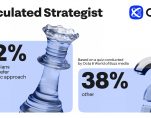
KUALA LUMPUR, MALAYSIA – Media OutReach Newswire – 10 April 2025 – A recent quiz conducted by global broker Octa and World of Buzz media discovered that 62% of Malaysian traders are ‘calculated strategists’—investors who base their decisions on information, risk management, and long-term stability rather than emotional fluctuations. This change in trading behaviour makes rational, strategic investing the new norm. In this article, Octa Broker, a […]

Amazon.com Inc. is contemplating a substantial $15 billion investment to establish approximately 80 new logistics facilities across urban and rural areas in the United States. This initiative marks a significant shift from the company’s post-pandemic construction slowdown and aims to enhance its delivery infrastructure nationwide. The proposed expansion includes a mix of delivery hubs and large fulfillment centers equipped with advanced robotics technology. Amazon has invited potential […]

Orange Jordan has introduced a satellite internet service aimed at delivering high-speed connectivity across the country, including remote and underserved regions. This initiative is part of a broader strategy to bridge the digital divide and ensure comprehensive internet access. The newly launched service offers three subscription plans tailored to diverse user needs. The Essential plan provides download speeds of up to 20 Mbps, the Advanced plan offers […]

Hotel establishments across the United Arab Emirates reported revenues of approximately AED37.1 billion from January to October 2024, reflecting a 4% increase compared to the same period in 2023. The hotel occupancy rate also experienced growth, reaching nearly 78%, up 2.7% from the corresponding period last year. Abdulla bin Touq Al Marri, Minister of Economy and Chairman of the UAE Tourism Council, highlighted that these figures underscore […]

Advertisements

Matein Khalid Thank God last night was just a manic Monday and not Black Monday, even though I saw doomsday options trade in the index futures market on Sunday night and the VIX was 60 at the open. This is 100% evidence that some major financial institution is in distress because 60 VIX is a 3-sigma event that I have seen only in 9/11, the GFC and […]

Ripple has announced plans to acquire multi-asset prime brokerage firm Hidden Road for $1.25 billion, marking one of the largest acquisitions in the cryptocurrency sector this year. The deal, involving a combination of cash, XRP tokens, and stock, is expected to close in the coming months.

Brad Garlinghouse, Ripple’s Chief Executive Officer, emphasized that the acquisition aligns with the company’s strategy to expand its presence in the United States, particularly as the regulatory environment becomes more accommodating under the current administration. “The U.S. market is effectively open for the first time due to the regulatory overhang of the former SEC coming to an end, and the market is maturing to address the needs of traditional finance,” Garlinghouse stated.

Hidden Road, founded by Marc Asch in 2018, has established itself as a significant player in the financial markets, processing approximately $3 trillion annually and serving over 300 institutional clients. The firm offers a range of services, including clearing, securities lending, and leveraged trade execution. Asch will continue to lead the prime brokerage division post-acquisition, ensuring continuity in leadership and operations.

The integration of Hidden Road into Ripple’s ecosystem is poised to enhance the utility of Ripple’s U.S. dollar-pegged stablecoin, RLUSD. Hidden Road utilizes RLUSD as collateral across its prime brokerage products, a move that could position Ripple more competitively against established stablecoin providers like Tether and USD Coin.

This acquisition is part of Ripple’s broader strategy to leverage its substantial cash reserves for expansion. The company has been actively seeking opportunities to diversify its offerings and solidify its global presence. Garlinghouse has previously highlighted plans to invest in markets with favorable regulatory frameworks, such as the United Arab Emirates and Switzerland.

Treasury Secretary Scott Bessent has disclosed that more than 70 countries have approached the United States to initiate discussions on new trade agreements. This development follows the Trump administration’s implementation of significant tariffs aimed at addressing trade imbalances and protecting domestic industries.

The administration recently imposed a 10% minimum tariff on all imported goods, with higher rates targeting specific nations—25% for allies such as Japan and South Korea, and over 45% for export-reliant countries like Vietnam. These measures have led to global market fluctuations and prompted several nations to seek negotiations. Bessent emphasized that these tariffs serve as a strategic tool to encourage fair trade practices and open markets for American products.

Japan, significantly affected by the new tariffs, has swiftly responded. President Donald Trump announced that Japanese Prime Minister Shigeru Ishiba is sending a delegation to Washington for trade discussions. During a recent call, Ishiba expressed disappointment over the tariffs and urged reconsideration. Bessent noted that Japan’s proactive approach exemplifies the administration’s intention to use tariffs as leverage to bring trading partners to the negotiating table.

The administration’s tariff strategy has elicited mixed reactions domestically and internationally. Critics argue that such measures could escalate into trade wars, leading to increased consumer prices and economic instability. Conversely, supporters contend that the tariffs are a necessary step to rectify longstanding trade inequities and revitalize American manufacturing.

In Congress, the response has been largely supportive among Republicans. Senate Majority Leader John Thune and House Speaker Mike Johnson have opposed bipartisan efforts to limit presidential tariff authority. However, some Republicans, including Senators Chuck Grassley and Mitch McConnell, have advocated for legislation requiring congressional approval for tariffs, reflecting concerns about potential overreach and economic repercussions.

SINGAPORE – Media OutReach Newswire – 8 April 2025 – Juspay, a global leader in payment infrastructure for enterprises and banks, has secured $60 million as part of its Series D funding round in a combination of primary and secondary investments. This investment round was led by Kedaara Capital with participation from existing investors Softbank and Accel. Juspay has expanded its global footprint across Asia-Pacific, Latin America, […]

Taiwan’s Financial Supervisory Commission has announced a temporary ban on short selling, effective from April 7 to April 11, in response to a significant market downturn triggered by newly imposed U.S. tariffs. This measure aims to stabilize the financial markets after the benchmark TAIEX index experienced a 12% decline since the beginning of April.

The U.S. administration, under President Donald Trump, recently imposed a 32% tariff on Taiwanese imports, citing concerns over trade imbalances. This action has had immediate repercussions on Taiwan’s export-driven economy, particularly affecting the semiconductor sector, which is a major contributor to the nation’s exports. In response, the FSC has increased the margin requirement for short selling from 90% to 130% and limited the volume of shares available for such transactions. These steps are intended to mitigate speculative trading and reduce market volatility.

President Lai Ching-te has stated that Taiwan does not intend to retaliate against the U.S. tariffs. Instead, the government plans to collaborate with other Asian nations and engage in negotiations with the United States to seek a reduction or elimination of the imposed tariffs. Lai emphasized Taiwan’s significant contribution to the U.S. economy and proposed increasing Taiwanese purchases of American goods as a strategy to address the trade deficit. A delegation led by the deputy premier, including trade and security officials, is set to initiate these discussions.

The global financial markets have also felt the impact of the U.S. tariffs. Major indices, including the S&P 500, Dow Jones, and Nasdaq, have experienced declines ranging from 2% to 2.5%. In Asia, markets have been particularly affected, with Hong Kong’s Hang Seng index dropping by 13.2% and Taiwan’s TAIEX falling by 9.7%. Commodity markets have not been spared, with oil prices decreasing by 2.7% and cryptocurrencies such as Bitcoin and Ether also experiencing losses.

By Nitya Chakraborty 71 year old CPI(M) politburo member Mariam Alexander Baby has taken over as the sixth general secretary of the Communist Party of India (Marxist) following his nomination at the 24th congress of the Party which concluded at Madurai on April 6. Baby is a veteran leader of the CPI(M) from Kerala with […]

HONG KONG SAR – Media OutReach Newswire – 7 April 2025 – The Department of International Trade Promotion (DITP), Ministry of Commerce, successfully hosted Thai Night: Where Films Come Alive 2025 at JW Marriott Hong Kong during FILMART 2025, reinforcing Thailand’s position as a global hub for the film and entertainment industry. Presided over by Her Royal Highness Princess Ubolratana Rajakanya Sirivadhana Barnavadi, the event brought together […]

Legrand, a global specialist in electrical and digital building infrastructures, has acquired Computer Room Solutions , an Australian company renowned for its expertise in data and communications infrastructure. This strategic move is part of Legrand’s ongoing efforts to enhance its footprint in the rapidly expanding data centre market. Established in 2006, CRS has built a solid reputation as a comprehensive provider of ICT systems design, manufacturing, and […]

Indian metal companies are significantly expanding their operations, driven by robust domestic demand, even as they navigate complex global trade dynamics. Industry leaders such as Vedanta and JSW Steel are at the forefront of this growth, unveiling ambitious plans to scale up production capacities across various segments.

Vedanta, a prominent conglomerate, has announced a $20 billion expansion strategy encompassing sectors like zinc, aluminium, copper, iron, steel, oil, gas, and power. This initiative includes seeking global partnerships to bolster its ventures. The company is also in the process of restructuring into four distinct entities: Vedanta Aluminium, Oil and Gas, Power, and Iron and Steel. Notable investments involve allocating $2 billion to $2.5 billion for enhancing Hindustan Zinc’s production and $5 billion aimed at increasing oil output through Cairn India. Additionally, Vedanta plans to double its power portfolio and explore opportunities in nuclear energy, targeting 5 GW of nuclear power for internal consumption within India.

JSW Steel, another major player, is pursuing an aggressive expansion trajectory. The company aims to elevate its production capacity from the current 27.5 million tonnes per annum to 38.5 mtpa by the fiscal year 2024-25. This growth strategy includes commissioning iron ore and coal mines in Karnataka, Odisha, and Goa, which is expected to reduce operational costs. JSW Steel is also investing in renewable energy projects to further decrease production expenses. The company has set a target to reach a 50 mtpa capacity before 2030, reflecting confidence in sustained domestic demand growth.

Tata Steel is also contributing to the industry’s expansion by adding 5 million tonnes to its existing 21 mtpa capacity. Similarly, Jindal Steel and Power plans to increase its capacity by 6 million tonnes, building upon its current 9.6 mtpa. Collectively, these initiatives represent a substantial investment aimed at capitalizing on India’s burgeoning steel consumption, which is projected to grow between 8% to 10% in the fiscal year 2024-25.

The Indian government’s policy measures are playing a crucial role in supporting domestic manufacturers. The “Domestically Manufactured Iron and Steel Products Policy 2025,” effective from April 1, mandates that all government ministries and agencies prioritize locally produced steel products. This policy aims to protect the domestic steel industry from the influx of cheaper imports, particularly from countries like China, South Korea, and Japan. It also restricts the use of foreign certifications or stringent technical specifications that could disadvantage local suppliers and bars foreign entities from participating in Indian tenders if their home countries impose procurement restrictions on Indian mills.

Despite these protective measures, Indian steelmakers face challenges from international trade policies. The United States has imposed a flat 26% reciprocal tariff on all Indian exports, citing high Indian tariffs on U.S. goods. This move is expected to impact key Indian export sectors, including electronics, gems and jewellery, and certain aluminium and auto parts. However, pharmaceuticals and energy products are exempt from these tariffs. In response, India is engaging in negotiations with the U.S. for a new trade deal and has expressed willingness to reduce tariffs on $23 billion worth of U.S. imports. Additionally, India is exploring opportunities to expand exports in sectors like textiles, apparel, footwear, and steel, particularly as higher tariffs are levied on Chinese goods.


The Emirate of Ajman has introduced a new law aimed at bolstering investment in its property sector while safeguarding investor rights and enhancing transparency. This legislative move is part of a broader strategy to position Ajman as a premier destination for real estate investment. The law seeks to encourage private sector participation in developmental projects and attract both national and international investments across various domains. It is […]

Vietnam’s economic growth has decelerated in the first quarter of 2025, coinciding with the United States’ imposition of a 46% countervailing tariff on Vietnamese exports. This development raises concerns about the nation’s export-driven economy and its future trajectory.

The newly enforced tariff is expected to significantly impact Vietnamese exports, potentially affecting goods worth up to $37.5 billion, which represents approximately 2% of the country’s GDP. Key sectors such as electronics, machinery, apparel, and footwear are anticipated to bear the brunt of these tariffs, leading to increased prices for American consumers and prompting multinational companies to reconsider their supply chain strategies.

The U.S. administration justifies the tariff by citing concerns over Vietnam’s alleged unfair trade practices and substantial trade surplus with the United States. The tariff is part of a broader strategy targeting several Asian manufacturing economies, with Vietnam facing one of the highest rates. Other affected countries include China , Thailand , Indonesia , and South Korea . Even traditional U.S. allies like Japan and Taiwan have been subjected to tariffs of 24% and 32%, respectively.

Industry experts warn that these tariffs could lead to higher prices and reduced product choices for U.S. consumers. Companies are now evaluating their global supply chains, with some considering shifting operations to countries like Mexico, Brazil, and India to mitigate the impact. However, large-scale relocation of labor-intensive industries to the United States remains unlikely due to high domestic labor costs and a shortage of skilled workers.

In response to the tariffs, Vietnam is exploring strategies to mitigate the economic impact. These include diversifying export markets, enhancing product quality, and leveraging existing free trade agreements such as the European Union-Vietnam Free Trade Agreement and the Regional Comprehensive Economic Partnership . By broadening its market reach and improving the investment climate, Vietnam aims to navigate the challenges posed by the U.S. tariffs and sustain its economic growth.

California has achieved a significant milestone in its transition towards sustainable transportation, with the number of electric vehicle chargers now exceeding gasoline nozzles by 48%. According to data from the California Energy Commission , the state boasts 178,549 public and shared private EV chargers, compared to approximately 120,000 gas nozzles. This development underscores California’s commitment to expanding its EV infrastructure. Of the total EV chargers, over 162,000 […]

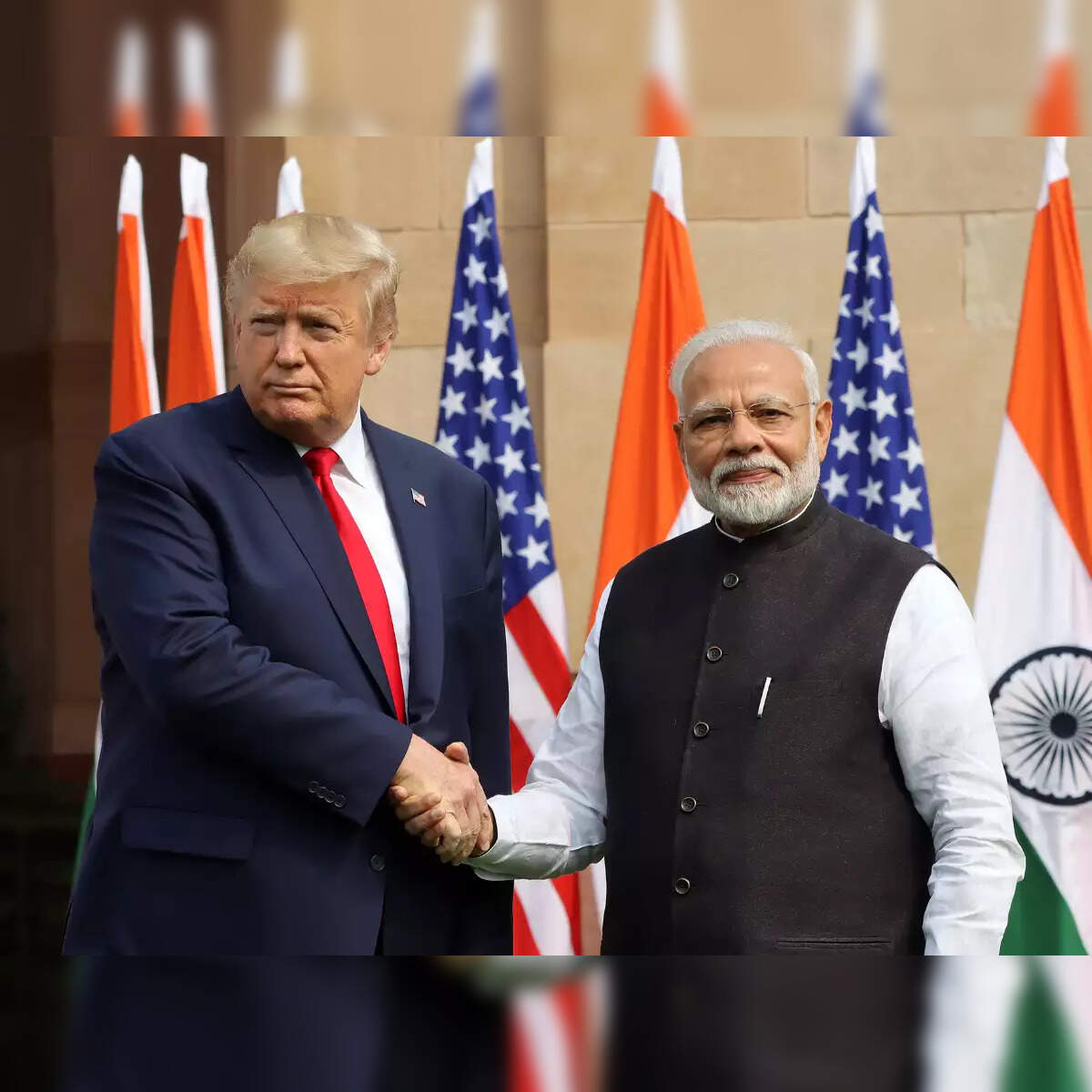
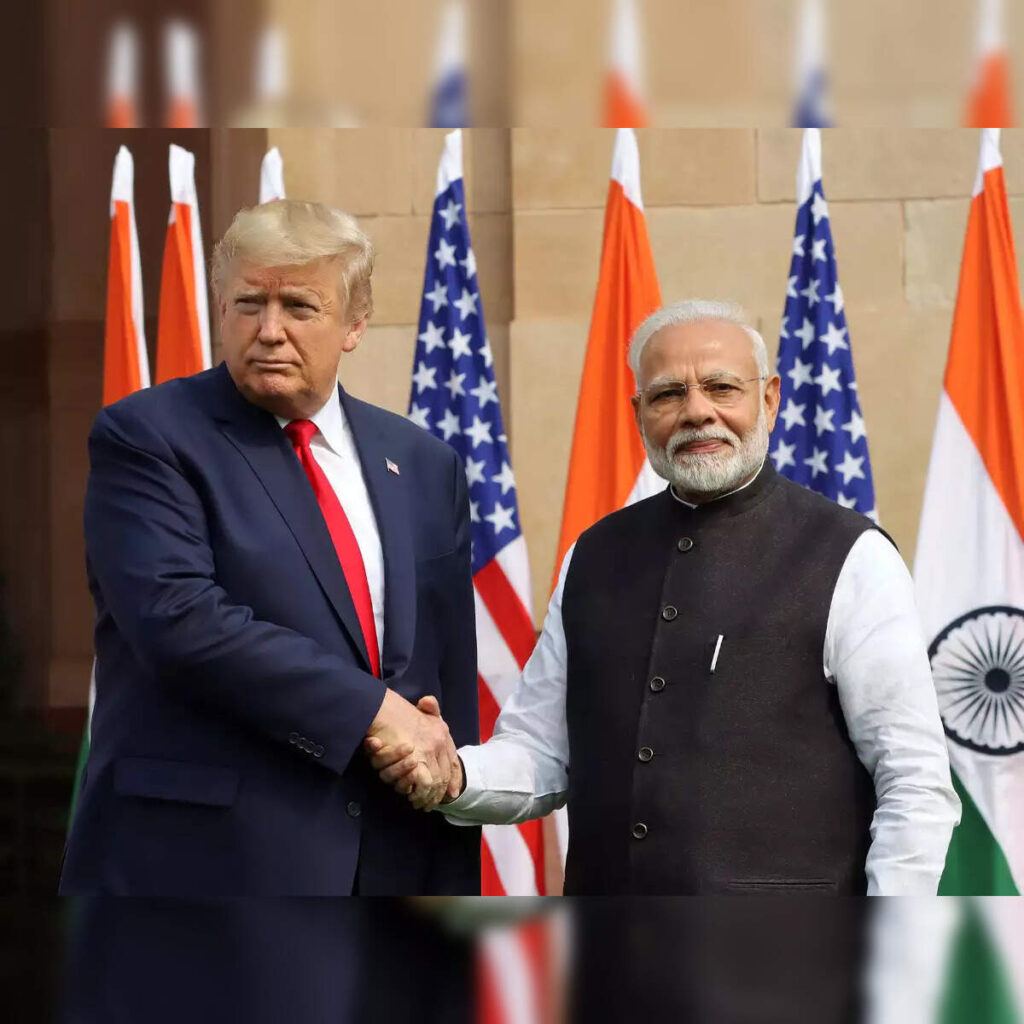
By K Raveendran Donald Trump and Narendra Modi never seem to tire of expressing admiration for each other, their mutual regard forming an odd but undeniable transnational political camaraderie. What binds them is not simply shared ideology but a similar worldview shaped by populism, nativism, and a flair for dramatic, often reckless, decision-making. Modi’s ‘Atmanirbhar […]
Tether, the issuer of the world’s largest stablecoin, is evaluating the creation of a new digital currency designed to comply with forthcoming U.S. regulations. CEO Paolo Ardoino indicated that while USDT will maintain its focus on emerging markets, the proposed stablecoin would cater specifically to the U.S. market.

Ardoino emphasized Tether’s commitment to regulatory compliance, stating that the company is actively engaging with U.S. lawmakers to help shape stablecoin legislation. He noted Tether’s willingness to adapt its operations to align with legal frameworks, ensuring the company’s continued operation within the law.

The U.S. Congress is currently deliberating several bills aimed at regulating stablecoins. Notably, the STABLE Act, co-introduced by Representative Bryan Steil, proposes that stablecoin issuers maintain reserves consisting solely of high-quality liquid assets, such as U.S. Treasury bills and insured deposits. Ardoino confirmed Tether’s involvement in discussions regarding this legislation, highlighting the company’s proactive approach to compliance.

In addition to legislative engagement, Tether is expanding its global footprint. The company is finalizing the relocation of its headquarters to El Salvador after obtaining a digital asset service provider license there. This move aligns with El Salvador’s ambitions to become a digital currency trading hub, following its establishment of Bitcoin as legal tender.

Tether is also exploring opportunities beyond its traditional offerings. The company recently announced a partnership with Phoenix Group PLC to launch a Dirham -pegged stablecoin in the United Arab Emirates. This initiative aims to provide financial stability to individuals in high-inflation countries and enhance remittance services.

Tether is considering deeper involvement in the sports industry. The company holds a 5% stake in Italian Serie A soccer club Juventus and is open to increasing its investment if the current owners decide to sell more shares. This potential investment reflects Tether’s strategy to leverage its platform and user base to support global brands, particularly in emerging markets.

The Nasdaq Composite Index entered bear market territory on Friday, April 4, 2025, closing over 20% below its December peak. This significant downturn was precipitated by President Donald Trump’s imposition of a 10% tariff on all imports to the United States, with additional substantial levies targeting technology-centric nations such as China, Taiwan, and Vietnam. China’s swift retaliation, announcing a 34% tariff on all U.S. imports, intensified fears of a global recession and inflationary pressures.

Major U.S. stock indices experienced sharp declines. The S&P 500 fell approximately 2.5%, while the Dow Jones Industrial Average dropped nearly 2.45%, shedding 994.46 points to close at 39,551.47. Technology stocks bore the brunt of the sell-off, with Apple Inc. shares declining over 4%, following a nearly 10% drop the previous day. Nvidia and Broadcom each lost more than 7%, and Tesla shares plummeted almost 10%.

The newly announced tariffs, dubbed “Liberation Day” tariffs by the administration, include a universal 10% tariff on all imports and higher targeted tariffs for numerous countries. Economists warn that these measures could disrupt global supply chains, particularly impacting the technology sector, which relies heavily on components from China and Taiwan. The Semiconductor Industry Association expressed concern that the tariffs could stymie growth and innovation within the industry.

International responses were swift. The European Union signaled readiness to implement countermeasures, while the International Monetary Fund cautioned that escalating trade tensions pose significant risks to global economic stability. In the U.S., political figures across the spectrum voiced apprehension. Senate Majority Leader Mitch McConnell and Senator Ted Cruz criticized the tariffs, warning of potential harm to American workers and farmers.

Despite a robust March jobs report indicating the addition of 228,000 new jobs and a slight uptick in unemployment to 4.2%, market sentiment remained negative. Investors are now looking to Federal Reserve Chair Jerome Powell’s upcoming speech for insights into potential monetary policy adjustments in response to the escalating trade conflict.

The CBOE Volatility Index, a measure of market anxiety, surged to levels not seen since August 2024, reflecting heightened investor concern. Oil prices also declined significantly due to fears of reduced global demand amid the escalating trade tensions.

President Trump defended the tariff strategy, asserting that the measures are necessary to address longstanding trade imbalances and would ultimately benefit the U.S. economy. He urged investors to view the market downturn as a wealth opportunity.

The Organization of the Petroleum Exporting Countries and its allies, collectively known as OPEC+, have announced a significant policy shift by accelerating oil production increases. This decision, made during a virtual meeting on Thursday, involves eight member countries—Saudi Arabia, Russia, Iraq, the United Arab Emirates, Kuwait, Kazakhstan, Algeria, and Oman—agreeing to boost output by 411,000 barrels per day starting in May. This adjustment consolidates three months’ worth of planned increases into a single month, surpassing the initially scheduled 135,000 bpd increment.

This move aims to discipline member nations that have been exceeding their production quotas and to address concerns over market stability. The coalition emphasized that these adjustments could be paused or reversed depending on evolving market conditions, underscoring their commitment to maintaining equilibrium in the global oil market.

The announcement had an immediate impact on oil prices. Brent crude futures dropped by 7.1%, settling at $69.63 per barrel, while West Texas Intermediate declined by 7.8% to $66.15 per barrel. These declines represent the steepest single-day percentage drops since mid-2022, reflecting market apprehension about potential oversupply amid existing economic uncertainties.

Compounding these market jitters are newly announced tariffs by U.S. President Donald Trump. The administration has imposed a baseline tariff of 10% on imports from several global economies, raising fears of an escalating trade war that could dampen global economic growth and, consequently, reduce energy demand. Analysts have noted that these tariffs could lead to increased inflation and slower economic expansion, particularly affecting emerging markets in Asia, which are pivotal centers for oil demand growth.

The timing of OPEC+’s decision aligns with these geopolitical developments. By increasing supply, the alliance appears to be responding to external pressures, including calls from major consumers for more affordable energy prices. However, this strategy carries risks, as it may exacerbate price volatility and strain relations within the group, especially with members that have been advocating for more conservative production increases.

Market analysts are closely monitoring the situation, noting that the combination of heightened supply and potential demand contraction due to trade tensions could lead to a surplus in the oil market. This scenario may prompt OPEC+ to reassess its strategy in the coming months to prevent a prolonged downturn in prices.

SINGAPORE – Media OutReach Newswire – 4 April 2025 – MyRepublic, one of Asia-Pacific’s leading digital-first telcos, announced the launch of Pocket Rocket Adventures, an industry-first initiative that introduces unique gamification mechanics into the customer experience journey for their broadband and mobile subscribers. The game, accessible via the MyRepublic mobile app available from April, marks a significant step in the company’s broader strategy to drive engagement, loyalty, […]

VISHNU RAJA
RYO YAMADA
HITORI GOTOH
IKUYO KITA
Just in:
As AI Reshapes Education, Singapore Convenes Global Dialogue on the Future of Early Childhood Education // Vance attributes Republican midterm defeats to Iran conflict // Ta’ziz finalises $1.39bn funding for Ruwais industrial facilities // OpenAI identifies 948 Linux privilege escalation flaws using AI // Asia Left Behind: Ten international companies have yet to report delivering on their cage-free egg pledges across the region // Cloudflare unveils Zero Wire vulnerability intelligence service // Fast Just Got Fastest: STING Energy Boost™ Celebrates Kimi Antonelli’s Formula 1® World Championship and the Fan Energy Behind It // AI trust gap reveals distinct retail priorities: Divergent paths to consumer growth in Hong Kong and the GBA // Burying Head In “India Made Poverty Reduction” Data Is Dangerous // Utilities pursue ₹1,992 cr in unpaid bills // Emirates Group records AED 4.1 billion half-year profit // ADIPEC leaders urge investment in global energy networks // Vingroup And Legends Global Announce Strategic Partnership For VinFast – Trong Dong Stadium // Govt opposes Arlekar’s PSC action // After Reaching 7 Million Users in the Philippines, Skyro Launches Transparent Cash Loans in Malaysia // Cyberport Venture & Capital Forum 2026 Grand Opening // XRG secures agreement for $1.45bn Australian LNG stake // DIP Holding targets Dh1.12 IPO price and $529m proceeds // BJP’s Aggressive Response Exposes Anxiety Over Opposition Unity // SC to examine students’ exam plea today //