News related to
Strategy

Saudi Arabia has unveiled an ambitious plan to attract investments totaling approximately 375 billion Saudi riyals into its mining sector by 2035, as part of its Vision 2030 initiative aimed at reducing dependence on oil revenues. Khalid Al-Mudaifer, the Deputy Minister of Industry and Mineral Resources for Mining Affairs, announced this strategic objective during the BMO Global Metals, Mining, and Critical Minerals Conference held in Miami from February 23 to 26, 2025.

The Kingdom has already secured investments amounting to 75 billion riyals in mining projects since the implementation of a landmark law designed to attract investors. Al-Mudaifer highlighted that these efforts have significantly boosted the sector’s growth, with the number of mining companies operating in Saudi Arabia increasing from six in 2020 to 133 by the end of 2023.

As part of its Vision 2030 economic diversification strategy, Saudi Arabia aims to position mining as a key pillar of its economy. The Kingdom’s mineral wealth is now valued at 9.3 trillion riyals, up from previous estimates of 5 trillion riyals, reflecting intensified exploration efforts and a growing global demand for critical minerals. Annual exploration spending has risen by 32%, outpacing the global average.

In line with these developments, Saudi Arabia has been actively engaging in international partnerships to bolster its mining sector. Notably, the Kingdom signed nine investment agreements totaling over $9.32 billion in the metals and mining sector with companies including India’s Vedanta and China’s Zijin Group during the World Investment Conference in Riyadh. These deals aim to support Saudi Arabia’s Vision 2030 plan to diversify the economy and attract significant foreign investment.

Saudi Aramco, the world’s largest oil company, plans to expand its investments in lithium production, aiming to become a mining hub and diversify from oil. In collaboration with the state-owned mining firm Ma’aden, Aramco targets commercial lithium production by 2027 to meet increasing demand driven by electric vehicles. This strategic shift aligns with the Kingdom’s efforts to establish a lithium refining and export industry, leveraging its energy competitiveness and infrastructure.

Saudi Arabia’s ambitious $124 billion dividend payout to Aramco shareholders is facing increasing scrutiny as the kingdom grapples with rising fiscal pressures and economic uncertainty. The payout, one of the largest in history, is at the heart of the country’s financial strategy, but concerns about the sustainability of this massive distribution are growing.

The kingdom has long relied on its state-owned oil giant, Saudi Aramco, as a major source of revenue, particularly in funding its Vision 2030 diversification programme. However, with global oil prices experiencing volatility and the kingdom’s economic growth showing signs of strain, questions are being raised about whether such a hefty payout can continue to be supported by the nation’s financial structure.

Saudi Arabia’s fiscal challenges are not new but have intensified recently due to various factors, including fluctuations in oil prices and a need to fund extensive public sector projects aimed at reducing the kingdom’s dependence on oil exports. This shift towards diversification involves significant investments in non-oil sectors such as technology, entertainment, and tourism. While these sectors hold promise for future growth, they have not yet generated the same level of revenue as oil, leaving the government in a delicate position.

Aramco’s profits have been a key contributor to the kingdom’s financial health, with the company remaining one of the world’s most profitable corporations. In 2023, Aramco’s net income exceeded $160 billion, allowing it to maintain its status as the highest dividend-paying company globally. This enabled the state to continue its lavish payouts to shareholders, including the Saudi government itself, which holds a majority stake.

Despite Aramco’s healthy profits, the global energy landscape has shifted significantly. Rising energy costs, geopolitical instability, and increasing competition from renewable energy sources are all factors that could impact the oil industry’s long-term profitability. Saudi Arabia’s ability to balance these challenges with its ambitious payout policy could prove to be a major hurdle.

The kingdom’s fiscal outlook is further complicated by its commitment to maintaining its social and economic development programs, which are pivotal for the success of Vision 2030. The state has allocated significant sums to infrastructure, healthcare, and housing initiatives, all of which are critical for securing the country’s long-term economic stability. However, these expenditures, combined with the substantial payout to Aramco shareholders, create a significant strain on public finances.

To address these challenges, Saudi Arabia is looking to restructure its approach to fiscal management, exploring options such as public debt and non-oil revenue streams. Some analysts suggest that this could involve revising the Aramco dividend model, potentially reducing the payout in favour of reinvesting in the country’s non-oil sectors.

The pressure on the Saudi government is not only financial but also political. With global attention focused on Saudi Arabia’s economic reforms, any deviation from its ambitious growth plans could undermine investor confidence, which has been a cornerstone of its economic strategy. International investors, particularly those in the energy sector, are closely monitoring the situation, aware that any decision to alter the dividend payout could have ripple effects throughout the global markets.

The geopolitical landscape adds another layer of complexity to the situation. Saudi Arabia’s position within OPEC and its ongoing efforts to stabilise global oil prices play a key role in its economic future. However, OPEC’s decisions are increasingly influenced by non-member countries and shifting global consumption patterns. As demand for oil from traditional markets in Europe and the US declines, Saudi Arabia faces the dual challenge of maintaining oil revenues while simultaneously adapting to a future in which oil may no longer be the dominant driver of global growth.

In the wake of these uncertainties, Aramco’s leadership remains focused on enhancing its operations and securing long-term profitability. The company has committed to expanding its investments in petrochemicals, refining, and other energy-related sectors, as well as pursuing green energy initiatives that could ensure its relevance in the post-oil era. However, even with these efforts, Aramco faces growing competition from other energy giants and the increasing pressure to adopt sustainable practices in response to global climate concerns.

Saudi Arabia’s fiscal trajectory will likely remain unpredictable for the foreseeable future, especially as the country navigates the complexities of economic diversification while maintaining its oil revenue base. The government’s ability to balance its financial commitments to both Aramco and its broader economic goals will be crucial in shaping the future of its financial landscape.


Apple’s efforts to revolutionise its voice assistant, Siri, with advanced artificial intelligence capabilities have encountered notable setbacks. Internal sources indicate that a fully modernised, conversational version of Siri is now projected to debut with iOS 20, anticipated in 2027, marking a substantial delay from earlier plans.  The tech giant had initially aimed to integrate large language models into Siri, enhancing its ability to understand and process natural […]

Dubai’s Roads and Transport Authority and Dubai Holding have entered into a landmark agreement valued at AED 6 billion to significantly enhance the emirate’s road infrastructure. The signing ceremony, attended by H.H. Sheikh Ahmed bin Saeed Al Maktoum, Chairman of Dubai Holding, underscores the city’s dedication to improving connectivity and reducing traffic congestion across key urban areas.

The comprehensive plan focuses on upgrading access points and internal road networks in several prominent communities, including Jumeirah Village Circle , Dubai Production City, Business Bay, Palm Jumeirah, and International City . These enhancements aim to streamline traffic flow, bolster road safety, and significantly reduce travel times for residents and visitors alike.

In Jumeirah Village Circle, the project entails the development of four additional access points featuring grade-separated interchanges. This initiative is designed to double the capacity of the area’s entry and exit points, potentially reducing travel time on internal roads and access points by up to 70%. The improvements are also expected to enhance traffic safety and ensure seamless flow at intersections.

For Dubai Production City, new bridges will be constructed to improve access from Sheikh Mohammed bin Zayed Road. These upgrades are anticipated to cut travel time at entry and exit points and improve traffic flow on internal roads by 50%.

In Business Bay, the agreement includes surface improvements at intersections leading from Sheikh Zayed Road and the construction of a pedestrian bridge at the intersection with First Al Khail Road. These measures aim to enhance pedestrian safety and optimize traffic flow. Upgrades to internal roads in the Towers Area are expected to reduce travel time by 30% across entry and exit points and internal routes.

Palm Jumeirah will see the construction of additional acceleration and deceleration lanes at six locations to optimize traffic flow. Two pedestrian bridges will replace at-grade crossings, enhancing mobility and ensuring pedestrian safety while reducing travel time within Palm Jumeirah by 40%.

The project also covers the expansion of the road marking the entrance into International City from Manama Street by adding a new lane, widening internal roads, and upgrading surface intersections with traffic signals. These enhancements are expected to streamline traffic flow, enhance road safety, and reduce travel time from 15 minutes to just five minutes.

H.H. Sheikh Ahmed bin Saeed Al Maktoum emphasized that this strategic partnership reflects a shared vision of a city that is not only innovative but also seamlessly accessible. He stated that through projects like these, Dubai Holding reaffirms its commitment to shaping the future of the emirate by developing world-class communities and infrastructure that enhance connectivity, mobility, and quality of life for all who call Dubai home. Together with RTA, they are reinforcing Dubai’s position as a leading global hub in urban innovation.

Mattar Al Tayer, Director-General and Chairman of the Board of Executive Directors of RTA, expressed his pleasure in signing the agreement with Dubai Holding to enhance access points for the group’s key development areas. He stated that this agreement will enhance the capacity of internal roads and access points, leading to reduced travel times, improved connectivity for residents and visitors, and greater road safety for all users. Al Tayer added that RTA remains dedicated to fostering strategic partnerships with real estate developers to ensure the road infrastructure in development areas can effectively accommodate traffic demand, enhancing seamless mobility for residents and visitors. The projects under this agreement are expected to reduce travel time and increase the capacity of entry and exit points by 30 to 70%.

Amit Kaushal, Group Chief Executive Officer of Dubai Holding, underscored the company’s support for RTA and its efforts to enhance connectivity and accessibility across the city, particularly in some of Dubai’s most dynamic destinations. He noted that Dubai Holding is dedicated to delivering integrated, future-ready developments that meet the evolving needs of businesses and communities. Kaushal highlighted that these road enhancements will not only reduce travel times and improve road capacity but also elevate the overall experience of their communities, reinforcing Dubai Holding’s commitment to shaping a more connected and sustainable Dubai.

This agreement aligns with Dubai’s broader strategy to invest in infrastructure that supports economic growth and enhances the quality of life for its residents. By collaborating on such large-scale projects, RTA and Dubai Holding aim to address the growing transportation needs of the city, ensuring efficient and safe mobility for all.

Chinese artificial intelligence startup DeepSeek has unveiled data suggesting its V3 and R1 models could achieve a theoretical daily cost-profit ratio of 545%. citeturn0news9 This revelation has significant implications for the AI industry, particularly concerning operational efficiencies and cost structures.

According to DeepSeek’s disclosure, the daily operational cost for these models amounts to $87,072. This figure is based on the rental expense of Nvidia’s H800 graphics processing units , priced at $2 per hour. In contrast, the models are projected to generate daily revenues of $562,027, leading to the stated 545% cost-profit ratio. citeturn0news9

However, DeepSeek has cautioned that actual revenues may be lower due to various factors, including different model costs, free access via web and app platforms, and reduced developer fees during off-peak hours. citeturn0news9

The company’s pricing strategy has been notably aggressive. DeepSeek recently announced discounts of up to 75% for developers during off-peak hours, specifically from 1630 GMT to 0030 GMT. This move aims to attract a broader developer base and challenge global competitors by offering more affordable integration options. citeturn0news10

Beijing has expressed support for DeepSeek’s advancements, emphasizing that the company seeks to complement, rather than compete directly with, U.S. AI giants like OpenAI and Google DeepMind. The Chinese embassy in Washington highlighted the collaborative potential of global AI developments, reflecting a preference for cooperation over competition. citeturn0news11

DeepSeek’s models have seen rapid adoption across various sectors in China, including hospitals, local governments, car manufacturers, and state-owned enterprises. This widespread integration is attributed to the models’ low deployment costs and the company’s open-source strategy, which have facilitated seamless adoption. Notably, endorsements from President Xi Jinping and major Chinese corporations like Tencent, BYD, and Great Wall Motor have further propelled DeepSeek’s prominence in the AI landscape. citeturn0news12

The company’s cost-efficient approach has raised questions about the high expenditure models prevalent among U.S. AI firms. DeepSeek’s ability to deliver competitive performance using less powerful and more affordable hardware challenges the existing paradigms of AI development and deployment costs.

Microsoft has officially announced the end of Skype’s era as the company shifts its focus towards Teams as its primary platform for video calling and communication. After 23 years of providing messaging, voice, and video calling services to millions globally, Skype will no longer be a key player in Microsoft’s communication strategy. This move underscores a broader trend in the tech industry where organisations are consolidating their […]

Matein Khalid All roads lead to Riyadh, which has replaced Geneva as the epicentre of global diplomacy in 2025. Presidents Trump and Putin will meet in the Saudi capital amid the most dramatic U-turn in US foreign policy as Washington switches sides in the Ukraine war in favour of the Kremlin, bypassing the EU and the embattled Ukraine state. Egyptian President Abdul Fattah al-Sisi is in Riyadh to coordinate the Arab […]

Advertisements
By Nitya Chakraborty Is the global geopolitics moving a full circle after 80 years since the end of the Second World War in 1945? The question is now extremely relevant after the world saw on Friday in TV channels the unprecedented spat between the United States president Donald Trump and the Ukrainian president Volodymyr Zelenskyy. […]


Electronic Arts has released the source code for four iconic Command & Conquer titles—Tiberian Dawn, Red Alert, Renegade, and Generals—under the open-source GPL license. This initiative aims to support the modding community and ensure the preservation of these classic games. The source code is now accessible on EA’s GitHub page, although game assets and cinematics remain proprietary. This move is not EA’s first foray into open-sourcing; in […]

Abu Dhabi National Oil Company has formalised a 15-year sales and purchase agreement with Japan’s Osaka Gas, committing to supply up to 0.8 million tonnes per annum of liquefied natural gas from its Ruwais LNG project. This definitive contract transitions a prior heads-of-agreement into a binding commitment, marking the inaugural long-term LNG supply arrangement between the two corporations. The Ruwais LNG facility, currently under development in Al […]

Saudi Arabia’s leading low-cost airline, Flynas, has secured a Murabaha financing agreement worth SAR 495 million with Bank Aljazira to fund the acquisition of three Airbus A320neo aircraft. This strategic move aligns with Flynas’s ambitious expansion plans, aiming to enhance its operational capacity and competitiveness within the regional aviation sector.

The financing deal underscores Flynas’s commitment to modernizing its fleet and expanding its network coverage. The addition of the A320neo aircraft is expected to improve operational efficiency and support the airline’s goal of adding over 100 aircraft by the end of 2030, as part of a total order of 280 aircraft. This expansion is anticipated to contribute significantly to the growth of the Saudi aviation sector, aligning with the Kingdom’s Vision 2030 objectives.

Bank Aljazira’s involvement in this financing arrangement highlights the bank’s role in supporting the aviation industry’s growth in Saudi Arabia. The Sharia-compliant Murabaha financing structure reflects the bank’s commitment to providing tailored financial solutions that meet the specific needs of its clients while adhering to Islamic banking principles.

In July 2022, Flynas became the first airline to sign a purchase and leaseback agreement with AviLease, a subsidiary of the Public Investment Fund , for 12 Airbus A320neo aircraft. This collaboration marked a significant milestone in Flynas’s expansion strategy and demonstrated the airline’s proactive approach to fleet modernization.

The recent financing agreement with Bank Aljazira is a continuation of Flynas’s efforts to strengthen its fleet and expand its operations. The acquisition of the new A320neo aircraft is expected to enhance Flynas’s competitiveness in the regional aviation market and support the airline’s long-term growth objectives.

Flynas’s expansion plans are also expected to have a positive impact on the Saudi aviation sector as a whole. The airline’s growth is anticipated to increase connectivity within the Kingdom and beyond, supporting tourism and economic development in line with Vision 2030.

The financing agreement with Bank Aljazira demonstrates the bank’s commitment to supporting key sectors in Saudi Arabia, including aviation. By providing Sharia-compliant financing solutions, Bank Aljazira is playing a crucial role in facilitating the growth of the aviation industry and supporting the Kingdom’s economic diversification efforts.

The addition of the new Airbus A320neo aircraft to Flynas’s fleet is expected to enhance the airline’s operational efficiency and support its expansion into new markets. The A320neo is known for its fuel efficiency and advanced technology, making it a valuable asset for airlines seeking to optimize their operations and reduce environmental impact.

GEMS Education, a prominent Dubai-based private school operator, has unveiled plans to invest approximately $300 million over the next two to three years to drive organic growth. CEO Dino Varkey detailed this strategic initiative, emphasizing the company’s intent to capitalize on the region’s burgeoning population and the influx of affluent residents. This substantial investment aligns with GEMS Education’s broader strategy to enhance its educational offerings and infrastructure. […]

Dubai’s Roads and Transport Authority has introduced significant advancements to its public transport services, aiming to enhance commuter convenience and align with the emirate’s smart city vision. Passengers across various modes of transport can now access free Wi-Fi and utilize cashless payment options, reflecting RTA’s commitment to integrating technology into daily commutes. As of February 2025, the RTA, in collaboration with e& , has successfully installed free […]

HONG KONG SAR – Media OutReach Newswire – 28 February 2025 – International Genius Company (hereafter referred to as “IGC“; Stock Code: 0033.HK) announced its interim results for the period ending December 31, 2024.Thanks to the application of AI-driven trading technology solutions, IGC’s tech-driven investment management services segment has achieved significant growth, turning losses into profits. During the reporting period, IGC witnessed a substantial increase in both […]

By Nitya Chakraborty Democratic rights activist Jagdeep S. Chhokar in his recent piece in the news portal The Wire mentions of his four conclusions on the state of Indian polity in the present stage after the BJP sweep in Delhi assembly polls. His four concluding points are- first, the BJP is almost achieving an opposition-free […]

HONG KONG SAR – Media OutReach Newswire – 28 February 2025 – Generali Hong Kong has once again achieved outstanding results at the “10Life 5-Star Insurance Awards 2025”, with a total of six products earning 5-star accolades in recognition of its excellence in product design and market performance. These awards cover multiple categories, including deferred annuities, savings, critical illness, and life insurance. Generali Hong Kong has won […]

The U.S. Securities and Exchange Commission has dismissed its lawsuit against Coinbase, the largest cryptocurrency exchange in the United States. This legal action, initiated in 2023, accused Coinbase of operating as an unregistered securities exchange and facilitating the trading of at least 13 crypto tokens that the SEC contended should have been registered as securities. Coinbase consistently refuted these allegations, maintaining that the crypto assets in question did not meet the criteria of investment contracts.

In a court filing dated February 27, 2025, the SEC agreed to voluntarily dismiss all litigation related to Coinbase and its parent company, Coinbase Global, with prejudice. This decision effectively terminates the case permanently. The SEC also withdrew its request for an interlocutory appeal with the U.S. Court of Appeals, signaling a significant policy shift under the current administration.

This move aligns with a broader change in the SEC’s approach to cryptocurrency regulation following the inauguration of President Donald Trump’s second term and the appointment of Paul Atkins, a crypto-friendly chairman, to lead the agency. Under this new leadership, the SEC has adopted a more lenient stance toward the crypto industry, reflecting the administration’s intent to support and promote the sector.

In addition to the Coinbase case, the SEC has also closed investigations into several other prominent cryptocurrency firms. Notably, the agency has ended its probes into OpenSea, a leading non-fungible token marketplace, and Robinhood’s crypto unit. These investigations, initiated during the previous administration, have been dismissed with prejudice, indicating that they cannot be refiled.

The decision to drop these cases has been welcomed by the affected companies. Coinbase’s Chief Legal Officer, Paul Grewal, stated, “SEC staff has agreed in principle to dismiss its unlawful enforcement case against Coinbase, subject to Commissioner approval—righting a major wrong.” Similarly, representatives from OpenSea and Robinhood expressed relief and optimism about the SEC’s revised regulatory approach.

This series of dismissals is part of a broader realignment of federal regulatory and enforcement priorities under the Trump administration. The SEC’s shift toward a more collaborative and transparent regulatory framework for the crypto industry is evident in the establishment of a new Crypto Task Force. Led by Commissioner Hester Peirce, the task force aims to develop comprehensive regulations that provide clarity and support for the burgeoning crypto sector.

Commissioner Peirce emphasized the need for a revised approach, stating, “It’s time for the Commission to rectify its approach and develop crypto policy in a more transparent manner.” This sentiment reflects a departure from the previous administration’s stringent regulation-by-enforcement strategy, which had been criticized for creating uncertainty and stifling innovation within the industry.

The SEC’s recent actions have also extended to other major players in the crypto space. The agency has dismissed its lawsuit against ConsenSys, the developer of the popular MetaMask crypto wallet. This lawsuit, filed in June 2024, alleged that ConsenSys engaged in the unregistered offer and sale of securities through its MetaMask Staking service and operated as an unregistered broker. The dismissal of this case further underscores the SEC’s evolving stance toward crypto-related businesses.

Market reactions to these regulatory developments have been notable. Shares of Coinbase Global Inc experienced fluctuations, with the stock trading at $208.37, reflecting a decrease of 2.20% from the previous close. Similarly, Robinhood Markets Inc saw its stock price at $48.78, a slight decline of 0.16%. In the cryptocurrency markets, Bitcoin is currently priced at $79,821.00, down 6.82%, while Ethereum stands at $2,121.24, a decrease of 9.14%. These movements suggest a period of adjustment as investors respond to the changing regulatory landscape.

The Trump administration’s influence extends beyond the SEC. The Consumer Financial Protection Bureau has also dropped several enforcement actions against companies such as Capital One and Rocket Homes. These cases, which included allegations of misleading customers and illegal kickback schemes, have been dismissed with prejudice under the bureau’s new leadership. This pattern indicates a significant shift in federal regulatory and enforcement priorities, favoring a more business-friendly environment.

The Gulf region’s strategic importance in global supply chains is increasing as the US seeks to secure critical minerals vital for technology and clean energy. With an eye on reducing dependence on China, the US is now pivoting towards the Gulf, an area rich in natural resources and energy infrastructure, to diversify its supply of rare earth elements and minerals. Recent geopolitical shifts have made it clear […]

The United States Securities and Exchange Commission has concluded its investigation into cryptocurrency exchange Gemini, opting not to pursue any enforcement action. This decision, communicated to Gemini’s legal counsel, marks the end of a protracted inquiry that began in January 2023.

Gemini’s co-founder, Cameron Winklevoss, announced the closure of the investigation, expressing relief but also voicing strong criticism of the SEC’s approach. He stated that while the conclusion of the probe is a positive development, the extensive investigation inflicted significant financial and operational harm on the company. Winklevoss detailed that Gemini incurred tens of millions of dollars in legal expenses and suffered losses amounting to hundreds of millions due to diminished productivity, creativity, and innovation.

The SEC’s investigation into Gemini was primarily focused on the company’s “Earn” program, launched in partnership with Genesis Global Capital. This program allowed users to lend their cryptocurrency holdings in exchange for interest payments. In January 2023, the SEC charged both Gemini and Genesis with offering unregistered securities through this initiative. Despite the closure of the investigation, the SEC has indicated that this decision does not preclude the possibility of future action if new information emerges.

Winklevoss did not mince words in his critique of the SEC’s conduct, accusing the agency of engaging in tactics that he described as bullying, harassment, and unwarranted attacks on a legitimate industry. He argued that such regulatory actions have broader implications, stifling innovation and deterring economic growth within the cryptocurrency sector. Winklevoss emphasized that the damage extends beyond Gemini, suggesting that the SEC’s aggressive stance has led to substantial economic losses across the industry, including missed opportunities for growth and development.

The conclusion of the Gemini investigation is part of a broader pattern of the SEC reevaluating its approach to cryptocurrency regulation. In recent days, the agency has also closed investigations into other prominent crypto entities, including Coinbase, Uniswap Labs, and OpenSea, without pursuing enforcement actions. These developments suggest a potential shift in the SEC’s regulatory strategy under the new administration.

Former SEC Chair Gary Gensler, known for his stringent regulatory stance on cryptocurrencies, resigned on January 20, 2025, coinciding with the inauguration of President Donald Trump’s second term. Gensler’s tenure, which began in 2021, was marked by an aggressive approach toward the crypto industry, with the SEC initiating numerous enforcement actions against various crypto firms. His departure has been followed by a series of decisions indicating a possible softening of the SEC’s posture toward cryptocurrency regulation.

Winklevoss views the closure of the investigation as a significant milestone in what he terms the “war on crypto.” However, he cautioned that the damage inflicted by the SEC’s previous actions may have long-lasting effects, potentially deterring innovation and prompting talent to exit the industry. To prevent similar situations in the future, Winklevoss advocates for thoughtful legislation that provides clear guidelines for the cryptocurrency sector. He also suggests that there should be accountability measures for regulatory bodies, proposing that officials responsible for what he deems “sham investigations and baseless enforcement actions” face consequences, including termination and prohibition from future agency employment.

The SEC has not issued a public statement regarding the closure of the Gemini investigation. The agency’s recent actions, including the dismissal of cases against other cryptocurrency firms, may indicate a strategic reassessment of how to regulate the rapidly evolving digital asset landscape. Industry stakeholders are closely monitoring these developments, as they could signal a more collaborative and less adversarial regulatory environment moving forward.

As the cryptocurrency industry continues to mature, the relationship between regulatory bodies and crypto enterprises remains a critical factor in shaping the future of digital finance. The resolution of the Gemini case, along with similar recent decisions, may pave the way for a more balanced approach that fosters innovation while ensuring compliance and protecting investors.

In the wake of these developments, market participants are cautiously optimistic. The closure of high-profile investigations without enforcement actions could restore confidence and encourage renewed investment in the sector. However, the call for clear and fair regulatory frameworks persists, as the industry seeks to navigate the complexities of compliance in a landscape that has been, until now, marked by regulatory uncertainty.

The Trump administration has unveiled plans to close more than 110 Internal Revenue Service offices, many of which house taxpayer assistance centers, as part of a broader initiative to reduce the federal government’s footprint. This decision, outlined in a letter from the U.S. General Services Administration , comes during the peak of the tax filing season, which concludes on April 15.

This move follows the recent termination of approximately 7,000 probationary IRS employees, representing nearly 7% of the agency’s workforce. The layoffs predominantly affected the Small Business and Self-Employed division, with over 3,500 employees dismissed. These actions are part of the administration’s broader strategy to downsize federal operations and reduce government spending.

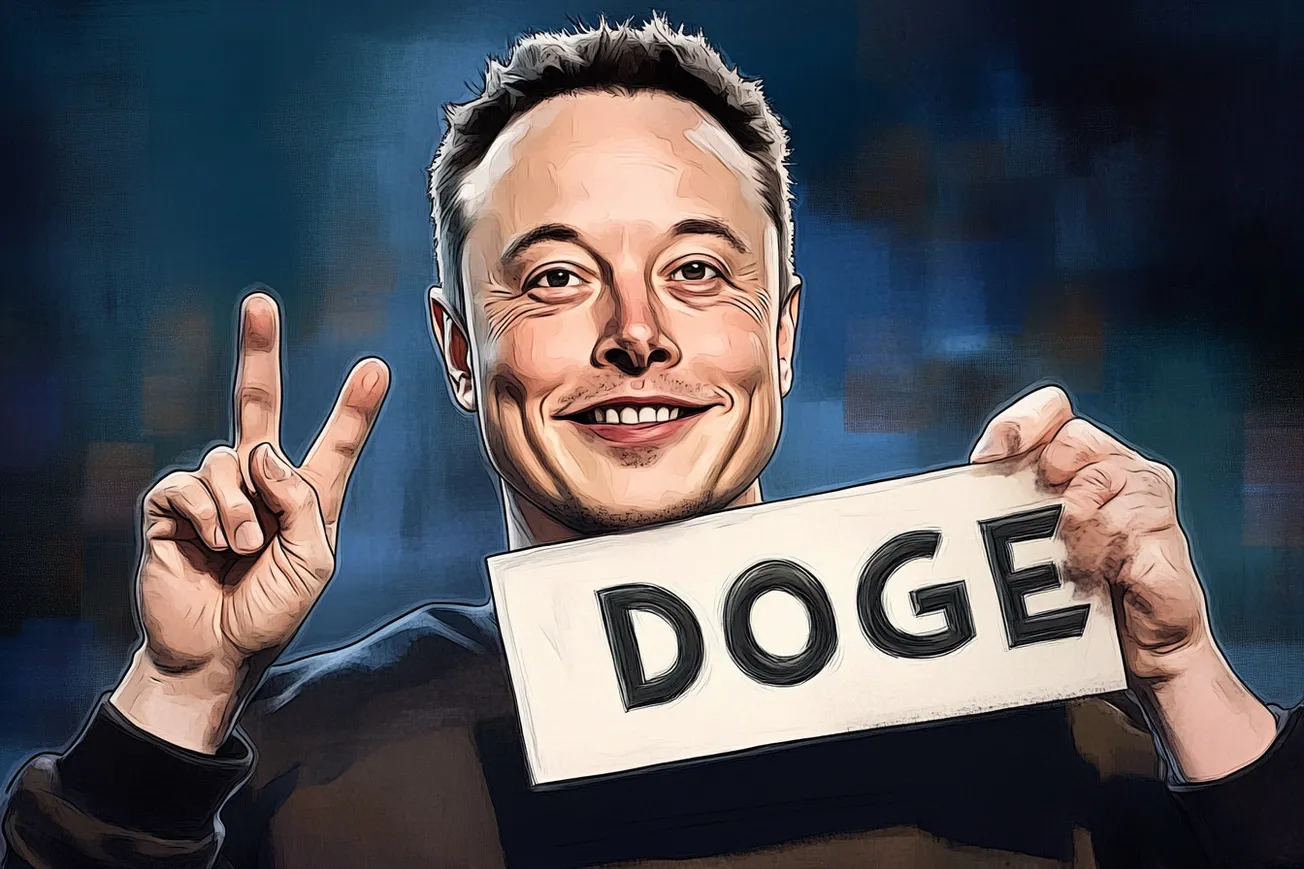
Elon Musk, appointed as the administration’s “downsizing czar,” has been instrumental in driving these cost-cutting measures. Musk’s objective is to slash $1 trillion from the current $6.7 trillion federal budget. In pursuit of this goal, agencies have been directed to submit plans by March 13 detailing further staffing reductions, with a focus on veteran civil servants in upcoming cuts.

The IRS had recently undergone improvements due to funding from the 2022 Inflation Reduction Act, which led to reduced customer-service wait times, simplified tax filings, and increased recovery of unpaid taxes from affluent individuals and corporations. However, the current layoffs and office closures have raised concerns about the agency’s capacity to maintain these advancements. Historically, reductions in IRS staffing have resulted in slower refunds and delayed responses to taxpayer inquiries.

Commerce Secretary Howard Lutnick has articulated the administration’s ambition to abolish the IRS entirely by augmenting tariff revenues. The strategy involves increasing tariffs to generate sufficient income, potentially replacing federal income taxes and shifting the tax burden to foreign entities. Lutnick estimates that aligning U.S. tariffs with those of other nations could yield $700 billion annually, contributing to deficit reduction and possibly lowering interest rates.

In addition to the IRS reductions, the administration has mandated the termination of numerous federal office leases through the GSA. This directive aims to further decrease the federal government’s physical presence and operational costs. Agencies are also facing freezes on foreign aid, cancellation of grants, and other austerity measures as part of the comprehensive downsizing effort.

Saudi Basic Industries Corporation , a global leader in diversified chemicals, has unveiled plans to implement cost-cutting strategies and explore new investment avenues following an unexpected net loss of 1.89 billion riyals in the fourth quarter of 2024. This loss surpasses the 1.73 billion riyals deficit recorded during the same period in 2023 and contrasts sharply with analyst forecasts, which had anticipated a profit exceeding 1 billion […]

International Holding Company has unveiled its financial results for 2024, showcasing a substantial 54.2% increase in revenue, reaching Dhs92.7 billion, up from Dhs60.1 billion in 2023. This impressive growth is attributed to strong performances across various sectors, notably real estate and construction, marine and dredging, and hospitality and leisure. The company’s net profit stood at Dhs25.7 billion, indicating a strategic shift towards value-driven investments. Total assets expanded […]

Abu Dhabi is intensifying its efforts to transition from a traditionally oil-dependent economy to a knowledge-based one, focusing on increasing its white-collar workforce and investing in advanced technologies such as vertical farming. This strategic move aims to diversify the emirate’s economic landscape and reduce reliance on blue-collar labor. Recent data indicates that the number of white-collar workers in Abu Dhabi has grown by 109% since 2011, outpacing […]

PayPal Holdings Inc. is set to enhance the adoption of its stablecoin, PayPal USD , by integrating it into merchant payment systems and global payout services by 2025. This strategic move aims to provide over 20 million small and medium-sized merchants with the option to utilize PYUSD for vendor payments, thereby streamlining transactions and reducing reliance on traditional banking systems.

The forthcoming bill payment product will enable merchants to settle invoices using PYUSD, facilitating faster and more cost-effective cross-border transactions. By leveraging blockchain technology, PayPal intends to minimize currency conversion fees and expedite settlement times, offering a competitive edge in the global payments landscape.

In addition to merchant payments, PayPal plans to incorporate PYUSD into its global payout platform, Hyperwallet. Acquired by PayPal in 2018, Hyperwallet specializes in mass payments, assisting organizations in disbursing funds to contractors, freelancers, and sellers worldwide. The integration of PYUSD is expected to be operational in the first half of this year, enabling businesses to execute bulk payments with increased efficiency and reduced costs.

Alex Chriss, PayPal’s Chief Executive Officer, emphasized the company’s commitment to practical blockchain applications, stating, “We’ve been talking about blockchain for a decade—these concepts will never become real until you actually start consuming them. I think that’s what we’re achieving.” This initiative reflects PayPal’s broader strategy to incorporate digital currencies into its suite of financial services, positioning itself at the forefront of the evolving digital economy.

The introduction of PYUSD into PayPal’s ecosystem is poised to offer several benefits to merchants and service providers. By adopting the stablecoin, businesses can mitigate the volatility often associated with cryptocurrencies, ensuring stable value in transactions. This stability is particularly advantageous for small and medium-sized enterprises engaged in international trade, as it simplifies accounting processes and enhances financial predictability.

The use of PYUSD can lead to significant cost savings. Traditional cross-border payments often involve multiple intermediaries, each imposing fees that accumulate, increasing the overall cost of transactions. By utilizing PYUSD on a blockchain platform, PayPal aims to eliminate unnecessary intermediaries, thereby reducing transaction fees and making international commerce more accessible to a broader range of businesses.

The integration with Hyperwallet further extends PYUSD’s utility beyond merchant transactions. Freelancers, contractors, and other gig economy workers stand to benefit from faster and more reliable payments. Traditional payment methods can be slow, especially for international transfers, often taking several days to process. With PYUSD, payouts can be processed more swiftly, providing workers with quicker access to their earnings and improving overall financial liquidity.

PayPal’s strategic focus on PYUSD comes at a time when the global payments industry is increasingly embracing digital currencies. The company’s extensive user base and established trust in the financial technology sector position it well to drive mainstream adoption of stablecoins. By integrating PYUSD into everyday financial transactions, PayPal is not only enhancing its service offerings but also contributing to the broader acceptance and utilization of digital currencies in the global economy.

VISHNU RAJA
RYO YAMADA
HITORI GOTOH
IKUYO KITA