News related to
Strategy

Matein Khalid If ever any investor needed a real time lesson in emerging markets risk, the timebombs in Ankara, Jakarta and Bogotá to provided it. President Erdogan ordered the arrest of his top rival Istanbul Mayor Ekrem İmamoğlu and triggered a 10% plunge in the lira against the US dollar, an exodus of offshore money from the local T-bill market and a horrific meltdown in Istanbul bank […]

MANILA, PHILIPPINES – Media OutReach Newswire – 25 March 2025 – VinFast and MGA.414 Corporation (which operates the JIGA auto service chain) have officially signed a Memorandum of Understanding (MOU) to expand the network of service centers for VinFast electric vehicles (EVs) in the Philippines, aiming to establish over 100 service workshops across the country by the end of this year. VinFast aims to establish over 100 […]

BlackRock, the world’s largest asset manager, has launched its inaugural Bitcoin exchange-traded product in Europe, marking a significant expansion into the continent’s cryptocurrency investment landscape. The iShares Bitcoin ETP is now trading on Xetra and Euronext Paris under the ticker IB1T, and on Euronext Amsterdam as BTCN.

This strategic move follows the firm’s notable success in the United States, where its iShares Bitcoin Trust has amassed over $50 billion in net assets since its debut in January 2024. The European launch underscores BlackRock’s commitment to meeting the growing demand for cryptocurrency exposure among both institutional and retail investors across diverse markets.

To encourage adoption, BlackRock is offering a temporary fee waiver of 10 basis points, effectively reducing the expense ratio to 0.15% until the end of the year. This competitive pricing positions the iShares Bitcoin ETP as one of the most cost-effective options for European investors seeking direct exposure to Bitcoin’s price movements.

Manuela Sperandeo, BlackRock’s Head of iShares Product for Europe and the Middle East, highlighted the significance of this development, stating that the launch represents a “tipping point” for the industry as institutional and retail demand for crypto investment products continues to rise.

The European cryptocurrency ETP market, while smaller than its U.S. counterpart, has been steadily growing. Over 160 crypto ETPs are currently trading on European exchanges, collectively commanding over $13 billion in net assets. BlackRock’s entry is poised to significantly influence this market, potentially enhancing liquidity and attracting a broader investor base.

Coinbase, a leading cryptocurrency exchange, will serve as the custodian for the physical Bitcoin backing the ETP, ensuring institutional-grade security for investors. Bank of New York Mellon has been appointed as the administrator, further underscoring the product’s robust operational framework.

The introduction of the iShares Bitcoin ETP aligns with BlackRock’s broader strategy to expand its $1 trillion European market share and increase its customer base from 9 million to 19 million over the next three years. This initiative also reflects the firm’s responsiveness to evolving investor interests and its commitment to providing diverse investment solutions.

Saudi Aramco is actively seeking to expand its investments in China, focusing on energy, chemicals, and technology sectors, as part of its global growth strategy. President and CEO Amin H. Nasser highlighted this commitment during his address at the China Development Forum in Beijing. Nasser emphasized that China remains a pivotal investment destination for Aramco, with ongoing projects in Fujian, Liaoning, Zhejiang, and Tianjin. He noted that […]

The Real Estate Regulatory Agency , operating under the Dubai Land Department , has unveiled the ‘Tayseer’ initiative, offering property owners flexible payment plans to settle overdue service fees. This programme allows owners to coordinate with jointly owned property management companies to structure payments over a minimum period of six months, aiming to alleviate financial pressures and enhance stability within Dubai’s real estate sector.

The initiative aligns with the ‘Year of the Community,’ declared by the UAE leadership under the theme “Together, hand in hand,” emphasizing the strengthening of community bonds and promoting cooperation. By providing structured repayment options, ‘Tayseer’ seeks to foster social and economic stability, contributing to a more sustainable real estate environment.

The launch follows discussions between RERA and JOP management firms, resulting in 19 companies joining the initiative. Registration is open for two months, during which participating firms have committed not to initiate enforcement actions against property owners adhering to the agreed payment plans. This collaborative approach underscores the real estate sector’s dedication to supporting property owners and enhancing financial sustainability within jointly owned communities.

Mohammed Ali Al Badwawi, Acting CEO of RERA, emphasized the initiative’s role in enhancing market trust and stability, stating that ‘Tayseer’ reflects DLD’s ongoing commitment to delivering proactive, customer-centric services that balance economic and social priorities. He highlighted that the programme is designed to reduce disputes, streamline payment processes, and improve the overall experience for property owners and stakeholders.

Through ‘Tayseer,’ the Dubai Land Department aims to achieve several strategic objectives, including reducing the number of service fee-related cases registered with the Rental Disputes Center, minimizing complaints, and enhancing the efficiency of service fee allocation across real estate projects. The initiative also seeks to improve the experience of property owners by providing seamless payment services, thereby boosting satisfaction and supporting the long-term sustainability of the real estate sector.

The programme is part of the Dubai Real Estate Sector Strategy 2033, which seeks to establish flexible and sustainable service fee payment plans for property owners. These plans are designed to achieve owners’ economic and investment goals while ensuring timely payments in line with agreed schedules. Additionally, the initiative fosters collaboration among relevant stakeholders to enhance the quality of life for owners in jointly owned property projects. It also focuses on early identification, analysis, and resolution of future challenges through proactive planning to encourage payment of service charges before disputes escalate to legal action.

The Abu Dhabi Investment Authority , through a wholly owned subsidiary, has agreed to acquire a significant minority stake in European Camping Group , a leading provider of outdoor accommodation in Europe. PAI Partners, the France-based private equity firm, will retain its majority shareholding in ECG following the completion of this transaction, which is subject to customary regulatory approvals.

Established as a prominent entity in the outdoor hospitality sector, ECG operates an extensive portfolio of 4- and 5-star campsites across prime tourist destinations in Europe. The group has been instrumental in elevating the camping experience by offering high-end facilities and services, catering to a diverse clientele seeking quality outdoor lodging options.

PAI Partners initially invested in ECG in 2021 and has since played a pivotal role in the company’s expansion and enhancement initiatives. In 2023, PAI Partners reinforced its commitment to ECG by facilitating the acquisition of Vacanceselect, a move that solidified ECG’s position as a pan-European platform in the outdoor accommodation sector. This strategic acquisition expanded ECG’s footprint and diversified its service offerings, aligning with the evolving preferences of modern travelers.

The entry of ADIA as a significant minority stakeholder is poised to further bolster ECG’s growth trajectory. ADIA’s investment is expected to provide additional capital and strategic support, enabling ECG to explore new opportunities and strengthen its market presence. This collaboration underscores the attractiveness of the outdoor hospitality industry to global investors, reflecting confidence in its resilience and potential for sustained growth.

The outdoor accommodation sector has witnessed a surge in demand, driven by travelers’ increasing inclination towards nature-centric and socially distanced vacation options. ECG’s commitment to offering premium camping experiences has positioned it well to capitalize on these trends, making it an appealing prospect for investors like ADIA.

While the financial specifics of the transaction have not been publicly disclosed, the partnership between ADIA and PAI Partners signifies a strategic alignment aimed at leveraging ECG’s established market position and operational expertise. The infusion of resources and insights from ADIA is anticipated to accelerate ECG’s initiatives in enhancing guest experiences, expanding its campsite network, and integrating innovative technologies to meet the evolving demands of the hospitality industry.

Oracle Corporation has announced the general availability of its Exadata Database Service on Exascale Infrastructure within the Oracle Database@Azure platform. This development aims to provide customers with enhanced scalability, cost-efficiency, and performance for their database workloads. The Exascale deployment option introduces a multitenant, hyper-elastic intelligent data architecture that delivers the advantages of Oracle Exadata in a cloud environment. By eliminating the need for dedicated database and storage […]

Advertisements

DE-CIX, a prominent global operator of Internet Exchanges , has inaugurated two new IXs in Brazil—DE-CIX São Paulo and DE-CIX Rio de Janeiro—marking a significant enhancement to the country’s digital connectivity landscape.

The launch event took place at Villaggio JK in São Paulo, attended by industry representatives and organizations from Brazil and beyond. These IXs, operated by DE-CIX Brazil, a wholly-owned subsidiary of the DE-CIX Group, are both carrier and data center neutral, ensuring broad accessibility for various network operators.

Strategically distributed across multiple data centers, DE-CIX São Paulo is housed in Elea Data Centers SPO1, Ascenty SP4, and Equinix SP4, while DE-CIX Rio de Janeiro operates from Elea Data Centers RJO1 and Equinix RJ2. This multi-location approach enhances redundancy and resilience for Brazilian network operators, addressing a critical need in the nation’s digital infrastructure.

A notable feature of these IXs is their interconnection from the outset, a first for Brazil. This setup facilitates both local and remote peering, allowing seamless data exchange within and between the two cities. Furthermore, DE-CIX Brazil integrates into the company’s global IX ecosystem, connecting with exchanges in New York, Lisbon, Madrid, Frankfurt, and beyond. This integration leverages both north-south and south-south Atlantic connectivity corridors, providing Brazilian customers with direct access to thousands of networks worldwide.

Ivo Ivanov, CEO of DE-CIX, emphasized the importance of this development: “With DE-CIX São Paulo and DE-CIX Rio de Janeiro open for business, customers can now benefit from a more resilient and globally integrated digital interconnection ecosystem in Brazil.” He highlighted the company’s commitment to enhancing local interconnection, attracting international participants, and strengthening the country’s digital infrastructure by offering high-performance, secure, and scalable interconnection services.

Brazil, as the second-largest market globally by network count, stands to gain significantly from these advancements. The growing digital economy demands state-of-the-art connectivity to ensure efficient local data exchange. The presence of DE-CIX in São Paulo and Rio de Janeiro is poised to play a crucial role in driving efficiency, performance, and innovation within the country’s digital economy.

The establishment of these IXs is expected to attract international players to the Brazilian market, fostering a more vibrant and competitive digital ecosystem. By providing SLA-backed, enterprise-grade interconnection solutions, DE-CIX addresses the increasing demand for reliable, high-speed connectivity essential for cloud computing, artificial intelligence, and content localization.

DE-CIX’s expansion into Brazil aligns with its broader strategy of enhancing global interconnection services. With operations in nearly 60 locations across Europe, Africa, the Americas, the Middle East, and Asia, DE-CIX connects thousands of network operators, Internet service providers, content providers, and enterprise networks from over 100 countries. The company’s Frankfurt exchange is among the largest globally, handling almost 45 exabytes of data annually as of 2024, with close to 1,100 connected networks.

The collaboration with local data centers underscores DE-CIX’s commitment to strengthening Brazil’s digital backbone. By integrating into DE-CIX’s global ecosystem, Brazilian businesses gain direct access to a vast array of networks, enhancing their connectivity strategies and supporting digital transformation initiatives.


Aspire partners with global top tier VCs to launch a programme to empower early stage founders with the knowledge, resources and investor connections to fundraise with confidence. SINGAPORE – Media OutReach Neswire – 25 March 2025 – Aspire, the all-in-one finance platform for modern businesses, today announces the launch of Aspire Ignite, a programme designed to help early stage startup founders overcome one of the biggest challenges […]

Strategy, formerly known as MicroStrategy, has significantly expanded its Bitcoin portfolio by acquiring 6,911 bitcoins between March 17 and March 23, 2025. The purchase, totaling approximately $584.1 million, was made at an average price of $84,529 per bitcoin. This acquisition elevates the company’s total holdings to 506,137 bitcoins, acquired at an aggregate purchase price of approximately $33.7 billion, averaging $66,608 per bitcoin.

This move underscores Strategy’s ongoing commitment to Bitcoin as a primary treasury reserve asset. The company’s aggressive accumulation strategy has positioned it as the largest corporate holder of Bitcoin, now controlling nearly 2.4% of the total 21 million bitcoins that will ever exist.

To finance this substantial acquisition, Strategy raised approximately $711.2 million through the issuance of 8.5 million shares of its 10.00% Series A Perpetual Strife Preferred Stock, priced at $85.00 per share. The offering was upsized due to strong investor demand, reflecting confidence in the company’s Bitcoin-focused strategy. The net proceeds from this offering were earmarked for general corporate purposes, including the acquisition of additional Bitcoin and working capital needs.

Michael Saylor, Strategy’s Executive Chairman, hinted at the impending Bitcoin purchase through a cryptic social media post featuring a Bitcoin price chart captioned “needs more orange.” This subtle indication preceded the official announcement of the acquisition, aligning with the company’s pattern of strategic and timely Bitcoin investments.

The company’s approach involves leveraging financial instruments to fund its Bitcoin acquisitions. The Series A Perpetual Strife Preferred Stock offers a fixed annual dividend of 10%, increasing by 1% per year if payments are deferred, capped at 18%. This structure is designed to attract fixed-income investors while providing Strategy with the necessary capital to continue its Bitcoin accumulation.

Despite the substantial investment in Bitcoin, Strategy’s stock experienced a decline of 6.8% to $274.13, amid a broader downturn in the cryptocurrency market. Bitcoin’s price decreased by 2.2% to $82,620 during the same period. This volatility highlights the inherent risks associated with the company’s Bitcoin-centric strategy, as its stock performance remains closely tied to fluctuations in the cryptocurrency market.

In the broader context, the cryptocurrency landscape is experiencing significant developments. President Donald Trump has pledged to transform the United States into the leading Bitcoin superpower and global cryptocurrency hub. In a pre-recorded address to the Blockworks Digital Assets Summit in New York, President Trump criticized previous administrations for their restrictive stance on crypto and announced plans to introduce clear regulations for stablecoins and market structures. These initiatives aim to stimulate investment and innovation in the crypto sector, potentially influencing corporate strategies like that of Strategy.

By Nitya Chakraborty Is the Bangladesh Army going to take over control of their politically turbulent country, either from front or behind, to precipitate the holding of early elections? This question is being raised by the seasoned political observers in Dhaka, as the whole of last week was dominated by highly controversial posts on Facebook, […]
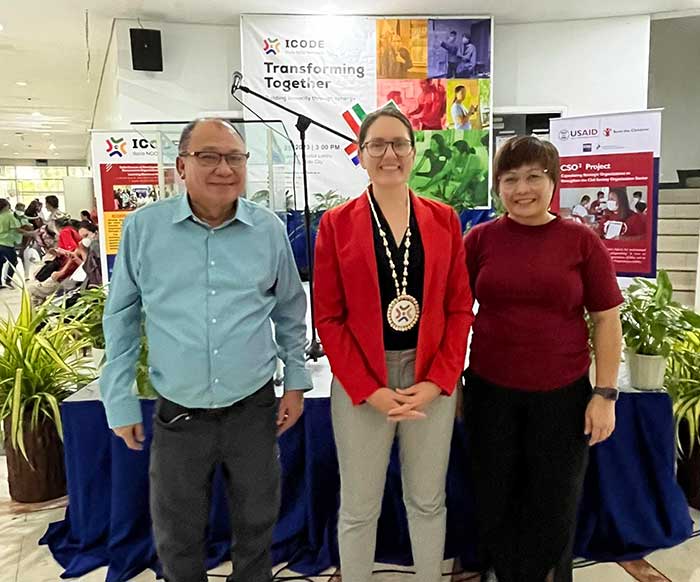
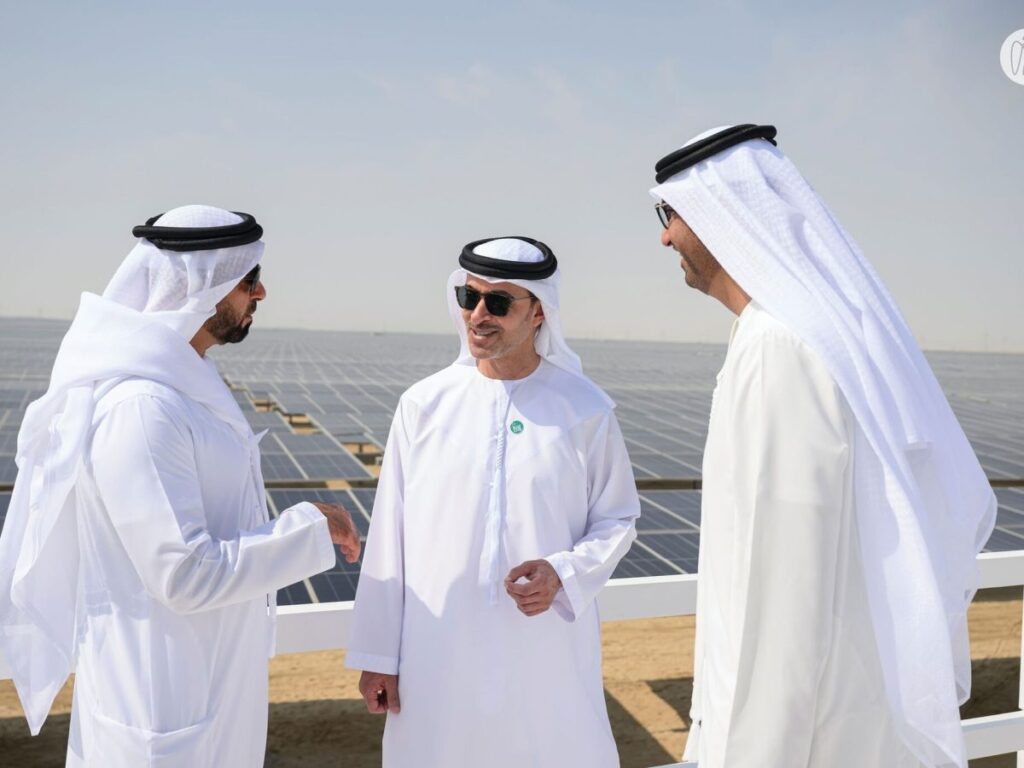
President Donald J. Trump has initiated a significant overhaul of the United States Agency for International Development , rebranding it as the U.S. International Humanitarian Assistance and integrating blockchain technology into its operations. This restructuring places the agency under the direct authority of Secretary of State Marco Rubio, aiming to enhance transparency and efficiency in foreign aid distribution.

An internal memo circulating within the State Department outlines the administration’s plan to utilize blockchain technology to secure and trace aid disbursements. The objective is to improve the transparency, security, and efficiency of aid distribution by leveraging blockchain’s immutable ledger capabilities. However, the specifics of this integration—whether it involves the use of cryptocurrencies or solely blockchain ledgers—remain unclear. The administration emphasizes a shift towards outcomes-based funding, intending to ensure that aid programs deliver measurable results.

Despite these intentions, the proposed reorganization has encountered legal challenges. A federal judge recently ruled that the dismantling of USAID by the Department of Government Efficiency , led by Elon Musk, likely violates the Constitution. The court issued an indefinite injunction blocking further actions against USAID and mandated the reinstatement of email and computer access to affected employees. This ruling does not reverse all personnel changes or fully restore the agency but highlights concerns over the administration’s approach to restructuring.

Critics argue that while blockchain technology offers potential benefits, its application in humanitarian contexts may not be necessary or cost-effective. Some experts caution that such technological solutions could impose additional burdens on smaller non-governmental organizations and may not provide substantial advantages over existing systems. They suggest that the focus should remain on addressing the immediate needs of aid recipients rather than implementing complex technological frameworks.

The administration’s broader strategy includes reducing the size of the federal government and reallocating resources to align more closely with American geopolitical interests. This involves concentrating on areas such as global health, food security, and disaster response, while politically oriented programs may be redirected to other sections within the State Department. The restructuring plan also proposes the elimination of multiple regional bureaus, aiming to streamline operations and enhance efficiency.

Secretary of State Marco Rubio has indicated that the reorganization will proceed with input from Congress, underscoring the administration’s commitment to aligning foreign aid programs with the interests of U.S. taxpayers and strategic objectives. However, the legal setbacks and critiques from various stakeholders suggest that the path forward may be complex and contentious.

Hong Kong’s tourism sector is actively seeking to attract high-net-worth travelers from the Middle East and Southeast Asia, implementing a series of strategic initiatives to diversify its visitor base and rejuvenate its economy. Recognizing the potential of affluent markets in the Gulf Cooperation Council countries and Southeast Asia, the Hong Kong government has allocated HK$1.2 billion in the 2025 budget to boost tourism. Finance Secretary Paul Chan […]

Abu Dhabi Future Energy Company, widely known as Masdar, has significantly bolstered its position in the global renewable energy sector by deploying approximately AED30 billion in equity investments and securing over AED16.5 billion in project financing across nine countries. These strategic moves underscore Masdar’s commitment to expanding its renewable energy portfolio and driving the global transition towards sustainable energy sources. Established in 2006, Masdar has been instrumental […]

The United Arab Emirates has announced an unprecedented commitment to invest $1.4 trillion in the United States over the next decade, marking a significant deepening of economic ties between the two nations. This ambitious investment framework aims to bolster key sectors of the U.S. economy, including artificial intelligence infrastructure, semiconductors, energy, and manufacturing. The announcement follows a series of high-level meetings in Washington, D.C., where UAE National […]

European data center operator NorthC Group has officially inaugurated its latest facility in Winterthur, Switzerland, marking the company’s fourth data center in the country. This strategic expansion underscores NorthC’s commitment to providing regional data center services with global connectivity, catering to the escalating demand for secure and sustainable digital infrastructure. The Winterthur data center, strategically situated near the Turm Areal, encompasses approximately 1,100 square meters and boasts […]

Oil prices have experienced a notable increase, marking the second consecutive weekly gain, as geopolitical developments and strategic decisions by major oil-producing entities influence global supply dynamics. The introduction of new US sanctions targeting Iran’s oil sector, coupled with planned output adjustments by the Organization of the Petroleum Exporting Countries and its allies , have been pivotal in this upward trend. Brent crude futures recently rose by […]

Abu Dhabi-based renewable energy company Masdar is exploring the acquisition of a stake in TotalEnergies’ renewable energy assets in Portugal, according to sources familiar with the matter. This potential investment underscores Masdar’s strategic expansion into the European renewable energy market as it strives to achieve a global renewable energy capacity of 100 gigawatts by 2030.

The discussions involve Masdar potentially leveraging Saeta Yield, a green energy company it acquired from Brookfield Renewable for $1.4 billion in September 2024, to facilitate the deal. Saeta Yield’s portfolio includes 745 megawatts of operational wind assets and a 1.6 GW development pipeline across Spain and Portugal, positioning it as a significant player in the Iberian renewable energy sector.

TotalEnergies currently operates approximately 600 MW of installed renewable capacity in Portugal, predominantly in wind energy, with additional solar and hydroelectric assets. The valuation of wind assets per megawatt is currently higher than that of solar, making this an attractive investment opportunity for Masdar. TotalEnergies has not commented on the potential stake sale.

Masdar’s interest in TotalEnergies’ assets aligns with its broader strategy to expand its presence in the Iberian Peninsula. In addition to the Saeta Yield acquisition, Masdar secured a minority stake in a 2 GW solar portfolio controlled by Spanish utility Endesa. The company is also in negotiations with Endesa to further expand their partnership, reflecting its commitment to the European renewable energy market.

These strategic moves are part of Masdar’s ambitious plan to scale up its renewable energy capacity globally. The company’s goal of reaching 100 GW by 2030 is supported by investments in various markets, with a significant focus on Europe. The acquisition of stakes in established renewable assets, such as those owned by TotalEnergies and Endesa, provides Masdar with a robust platform to achieve its expansion objectives.

The potential deal with TotalEnergies would not only enhance Masdar’s asset base but also strengthen its operational capabilities in managing wind energy projects. This is particularly pertinent given the higher valuation and demand for wind assets in the current market. By integrating TotalEnergies’ Portuguese assets, Masdar could optimize its portfolio and enhance its competitive position in the European renewable energy sector.

Masdar’s strategic acquisitions and partnerships in the Iberian Peninsula reflect a calculated approach to establishing a strong foothold in a region with abundant renewable energy resources. The company’s investments are aligned with the European Union’s commitment to increasing renewable energy production, offering Masdar opportunities for growth and collaboration within the European market.

As the global energy landscape shifts towards sustainable sources, Masdar’s proactive expansion into established and emerging renewable energy markets positions it as a key player in the transition to clean energy. The company’s strategic investments in Europe, particularly in the Iberian Peninsula, demonstrate its commitment to contributing to global renewable energy targets and addressing climate change challenges.

Steadfastly Implements High-Quality Development Strategies and Optimize Channel Structures with a Focus on Global Market Expansion HONG KONG SAR – Media OutReach Neswire – 21 March 2025 – ZJLD Group Inc. (“ZJLD” or the “Company”, together with the Company’s subsidiaries, collectively the “Group”) (SEHK stock code: 06979. HK), an outstanding representative in the Chinese baijiu industry and the first baijiu company listed in Hong Kong Stock Exchange, […]

Chinese financial experts have raised concerns that US dollar-pegged stablecoins may strengthen the dollar’s global dominance by linking international credit to virtual economies. They advocate for China to develop its own stablecoins to enhance the yuan’s international standing.

A recent opinion piece published in several Chinese outlets considers how China should respond to the proliferation of US dollar stablecoins. The article suggests that China’s central bank should consider issuing its own stablecoins to counter the influence of dollar-pegged digital currencies.

Wang Yongli, former Vice President of the Bank of China, analyzed the position of the U.S. dollar as the world’s dominant currency and its implications for China’s monetary strategy. He pointed out that many countries, including China, have sought to internationalize their currencies and reduce reliance on the dollar, but these efforts face significant challenges. Despite China being the world’s second-largest economy and the largest trading nation in goods, the RMB’s share in global payments remains low, only around 4%, compared to the dollar’s nearly 50%. The RMB’s share in global reserves is also minimal, at just over 2%, while the U.S. dollar, despite declining from its peak, still accounts for nearly 60%.

China has been proactive in developing its own central bank digital currency , known as the digital yuan or e-CNY. This initiative aims to modernize the country’s payment systems and promote the yuan’s international use. The digital yuan is currently being tested in various regions and sectors within China, with plans for broader implementation in the future.

The internationalization of the yuan faces challenges, particularly due to China’s stringent capital controls, which limit the currency’s convertibility. These controls are in place to maintain financial stability but hinder the yuan’s acceptance as a global currency. Additionally, geopolitical tensions and U.S. sanctions add complexity to China’s efforts to promote the yuan internationally.

In response to these challenges, Chinese researchers have proposed the idea of a common Asian digital currency. Such a currency could reduce the region’s reliance on the U.S. dollar and enhance financial cooperation among Asian countries. This proposal reflects a strategic move to counter the dollar’s dominance and promote regional financial stability.

The proliferation of US dollar stablecoins presents both opportunities and challenges for global financial systems. While they offer efficiency and accessibility in digital transactions, they also reinforce the dollar’s hegemony, potentially undermining other currencies. China’s consideration of its own stablecoins and the development of the digital yuan are strategic efforts to enhance the yuan’s global standing and mitigate the risks associated with dollar-dominated digital currencies.

JAKARTA, INDONESIA – Media OutReach Newswire – 21 March 2025 – VinFast has signed a Memorandum of Understanding (MoU) with PT Aribi Amartapura (Amarta), one of Indonesia’s leading vehicle distributors, to accelerate the expansion of its showroom network in the country. This partnership marks a significant milestone in VinFast’s global dealership strategy, enhancing brand visibility and bringing its electric vehicles closer to Indonesian customers. VinFast Asia CEO […]

Pasqal, a French quantum computing startup, has integrated its neutral-atom quantum processors into Microsoft’s Azure Quantum cloud service, marking a significant advancement in cloud-based quantum computing accessibility. This collaboration allows Azure Quantum users to utilize Pasqal’s unique technology to address complex computational challenges without the need for substantial infrastructure investments. Neutral-atom quantum computing represents a notable shift from traditional quantum computing methods. Pasqal’s approach involves manipulating neutral […]

Pakistan is moving decisively towards establishing a legal framework for cryptocurrency trading, aiming to position itself as a hub for blockchain-powered finance and attract international investment.

Bilal Bin Saqib, the newly appointed Chief Executive Officer of the Pakistan Crypto Council, emphasized the country’s readiness to embrace digital assets. “Pakistan is done sitting on the sidelines; we want regulatory clarity and a legal framework that is pro-business,” Saqib stated. He highlighted Pakistan’s potential as a leader in blockchain finance, noting that “60% of the population is under 30; we have a Web3-native workforce ready to build.”

The Pakistan Crypto Council, established under the Ministry of Finance, is tasked with developing regulations and promoting blockchain technology and digital assets within the country. This initiative marks a significant shift from the central bank’s previous warnings against cryptocurrency use, citing concerns over fraud and financial instability.

Despite past apprehensions, Pakistan ranks ninth globally in crypto adoption, with an estimated 15 to 20 million Pakistanis engaging in cryptocurrency trading. This substantial user base underscores the pressing need for a clear regulatory environment to safeguard investors and stimulate economic growth.

Saqib, recognized by Forbes as a Web3 investor and blockchain strategist, highlighted Pakistan’s competitive advantage in the crypto space. He pointed out that the country offers one of the lowest operating costs for crypto businesses, making it a more cost-effective alternative to hubs like Dubai and Singapore.

The government’s proactive stance includes plans to engage with countries like the United Arab Emirates, Nigeria, and Turkey to learn from their regulatory experiences. This collaborative approach aims to ensure that Pakistan’s digital asset ecosystem evolves securely, compliantly, and sustainably.

On the taxation front, the government intends to adopt a “balanced pro-growth tax structure” designed to attract foreign investment while fostering domestic innovation. This strategy reflects a commitment to creating a business-friendly environment that encourages the integration of blockchain technology into various sectors of the economy.

The establishment of the Pakistan Crypto Council underscores the government’s commitment to integrating blockchain technology with the financial landscape. The council’s role includes overseeing policy development, addressing regulatory challenges, and collaborating with international bodies to develop standardized frameworks for digital economic engagement.

This move aligns with global trends, as countries worldwide are increasingly recognizing the potential of cryptocurrencies and blockchain technology. By creating a clear regulatory framework, Pakistan aims not only to attract international investors but also to position itself as a leader in the rapidly evolving digital economy.

Dubai has embarked on a groundbreaking initiative to revolutionise its real estate sector by launching a pilot project for property tokenization. Spearheaded by the Dubai Land Department , this endeavour positions Dubai as the first property registration authority in the Middle East to integrate blockchain technology into property title deeds, marking a significant milestone in the region’s technological advancement. The core objective of this project is to […]

VISHNU RAJA
RYO YAMADA
HITORI GOTOH
IKUYO KITA